
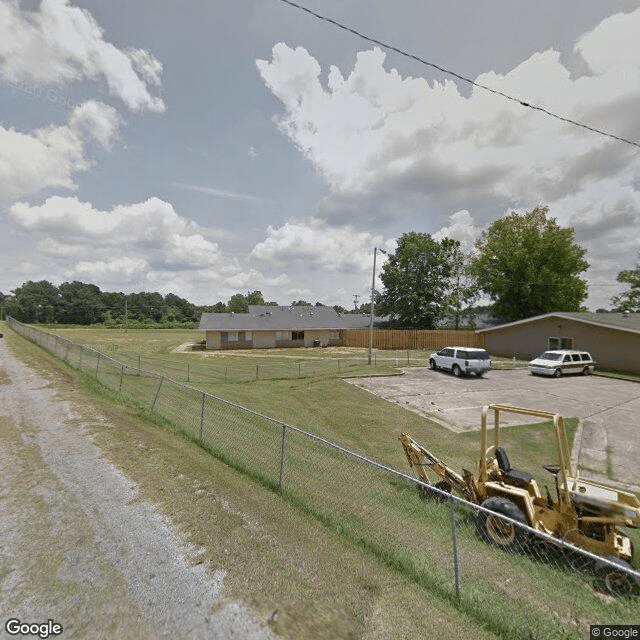
960 Highway 4 E, Holly Springs, MS 38635
To contact a resident: (662) 252-1141
For more information about senior living options: (866) 208-4318
Overall Review of Heritage Manor
Pros
 The staff have been phenomenal in treating the father with respect and care.
- They give him the freedom to make choices in his last years of life.
- The father has begun making friends and opening up.
- The leadership goes the extra mile to ease transitions and help with practical needs.
- The staff are efficient and kind to the family.
- The facility feels like a simple, quaint home and is comfortable for him.
- The facility is more cost-efficient for the family.
- The father is happy, and that is what matters most.
Cons
 The father felt previous facilities were too big.
- In those places, he would get lost, more confused, and terrified.
- Dad doesn’t always enjoy the food.
- Elder care is expensive.
Review
Heritage Manor in Holly Springs is best suited for seniors whose priority is dementia-friendly care delivered in a small, home-like setting. The environment is described as quaint and manageable, with familiar touchpoints kept close by to reduce confusion and fear. Careful attention from staff translates into respect, autonomy, and practical support for daily choices, which is especially meaningful for residents facing memory challenges. The leadership’s hands-on approach to smooth transitions and off-duty-branch help, such as assisting a family with out-of-town cash needs for a loved one’s comfort snacks, helps families feel their relative is not simply housed but cared for. For families seeking a calm, predictable atmosphere where staff know the residents and tailor routines accordingly, Heritage Manor stands out as a focused option.
Those who should consider alternatives are families seeking a larger campus, a more diverse dining program, or a brimming social calendar. The facility’s strength lies in its simplicity and cost efficiency, not in luxury amenities. If a resident thrives on high-end dining, extensive programming, or expansive common areas, other communities may deliver a more conventional “big campus” experience. Additionally, while one review highlights consistent warmth from staff, the overall rating includes a low end of the spectrum, signaling that experiences can vary. In such cases, it pays to compare with other options that promise more robust activity schedules or stronger culinary variety.
The core pros, home-like atmosphere, careful attention from staff, and leadership’s willingness to facilitate transitions, offset several potential drawbacks. The intimate setting appears to reduce anxiety and disorientation for residents with memory issues, promoting socialization and small-scale friendship-building that feels natural rather than forced. Staff are described as efficient, kind, and respectful, which minimizes stress for families and supports ongoing daily routines. The perceived cost advantage further strengthens the appeal for families navigating long-term care expenses. These elements together create a package that prioritizes dignity, familiarity, and practical support over flashy amenities.
Where the alignment matters most is in dementia care dynamics. A calm, simple environment helps residents stay oriented, while staff who understand and respect personal preferences can sustain comfort meals and predictable routines. Yet, the most tangible potential drawback centers on everyday desirables: meals that may not always hit the mark. One resident’s days show enjoyment of the meals at times, while others may not share the same experience. That variability is amplified by the facility’s modest size and straightforward offerings, which may leave some residents craving more culinary variety or richer enrichment opportunities. Families should probe how menus are designed, adjusted, and who approves changes, to ensure ongoing satisfaction.
Practical decision steps align with the realities embedded in these reviews. Prospective families should visit at different times of day to observe meal service, programming, and how staff interact with residents who have memory challenges. Ask about meal options, snack accessibility, and how dietary preferences are accommodated; review the care plan for dementia-specific needs and how transitions between routines are managed. Clarify what is included in the stated cost, what costs could rise, and how leadership supports families in coordinating care from out of town. Finally, compare Heritage Manor to alternatives that emphasize more extensive activities, larger campuses, or different dietary approaches to determine which environment best matches the resident’s temperament and care goals.
Overall, Heritage Manor presents a practical, compassionate option for memory-care residents who value a peaceful, home-like setting and attentive, approachable leadership, all at a reasonable cost. It is a strong fit for families prioritizing dignity, routine, and emotional well-being over flourish and ultra-modern amenities. Those who cannot tolerate occasional meal dissatisfaction or who require a broader menu and richer programming should pursue alternatives with more expansive facilities. In short, for a resident who benefits from close-knit staff, predictable routines, and a calm atmosphere, Heritage Manor is a credible, reliable match, yet the decision should hinge on whether a larger, more variable environment better suits the resident’s evolving needs.
 Skilled Nursing Facility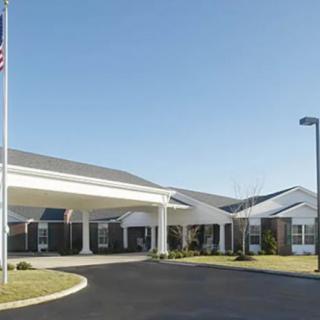



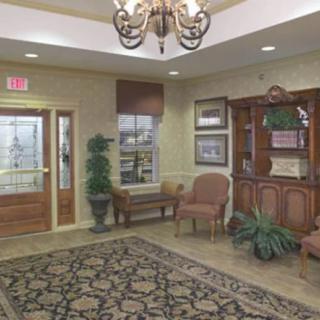
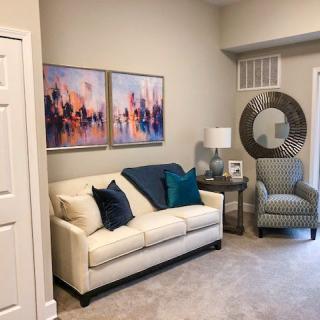


 In-Depth Look at the VA Aid and Attendance Program
 Nurturing Our Loved Ones: A Daughter's Journey in Caring for Her Mother
 Nurturing Our Elders: Linda's Journey of Supporting Her Mother