
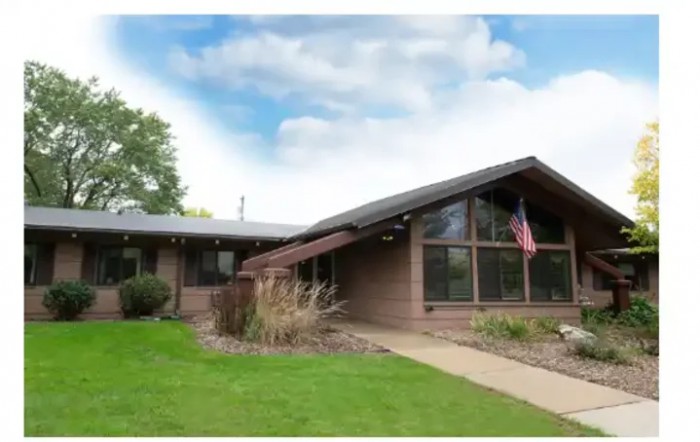

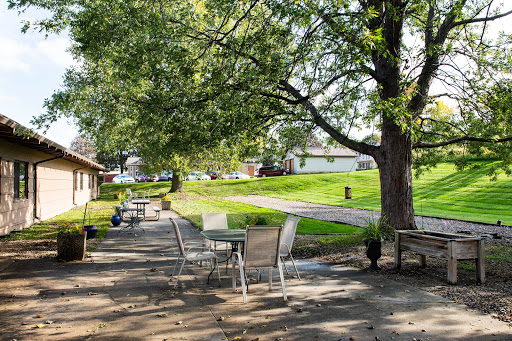
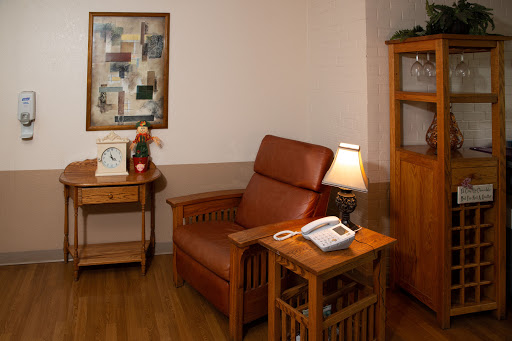



2215 Highway 52 North, Rochester, MN 55901
For more information about senior living options: (866) 208-4318

Rochester Health Services West Costs & Pricing
Rochester Health Services West offers competitive pricing for its private rooms, charging $3,600 per month. This rate is significantly lower than the average costs in both Olmsted County and Minnesota overall, where private room prices reach $4,571 and $5,090, respectively. By providing a more affordable option without sacrificing quality care, Rochester Health Services West positions itself as an attractive choice for residents seeking skilled nursing services in a comfortable environment. This strategic pricing not only supports the local community but also underscores the facility's commitment to accessible healthcare solutions.
| Floor plans | Rochester Health Services West | Olmsted County | Minnesota |
|---|---|---|---|
| Private | $3,600 | $4,571 | $5,090 |
Overall Review of Rochester Health Services West
Pros
 The staff at Edenbrook Rochester West are warm, welcoming, and professional.
- They care for residents like family, creating a trusting and comforting environment.
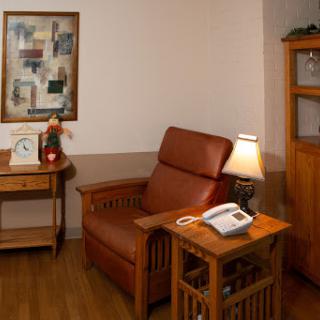
- The facility feels like home, with a calm, clean, and respectful atmosphere.
- The team takes pride in their work, which shows in every interaction.
- The service provided is top-tier, earning high recommendations from families.
- The staff are friendly, helpful, and attentive to residents' needs.
- Caregivers demonstrate genuine kindness and sincerity in their interactions.
- The community around the facility is wonderful, with happy residents and supportive staff.
Cons
 The reviewer described the facility as dirty, disgusting, and horrible, calling it a disaster.
- They warned that the place was not suitable for loved ones and advised others not to bring anyone there.
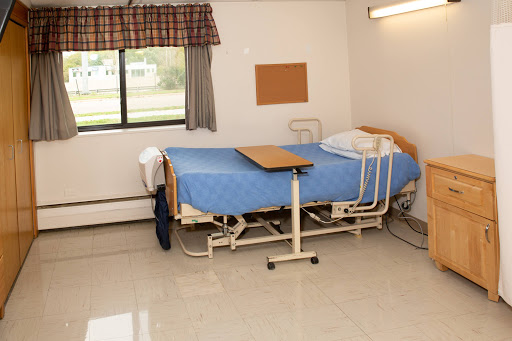
- The rooms were described as claustrophobic, with lifts barely fitting under the beds, indicating poor infrastructure.
- There is a pervasive understaffing issue, especially in the evenings, leading to long waits for bathroom assistance.
- Residents faced neglect, including missing showers for days, delays in dressing, and being yelled at or intimidated by staff.
- A staff member allegedly yanked a resident's arm, causing injury and fear.
- Complaints were filed, but the outcomes were not communicated to the complainants.
- The facility was called the worst nursing home, with a poor staff-to-patient ratio and poor care.
- One reviewer called the place a sad, smelly, depressing place.
Review
Rochester Health Services West is best suited for families that prize a warm, relationship-driven care environment where staff engagement translates into tangible Rehab progress when staffing holds steady. The community tends to reward stability with a home-like atmosphere, respectful interactions, and caregivers who treat residents as people first. It fits seniors who value personal attention, clear communication, and a sense of community over clinical formality. Those for whom daily consistency, spotless facilities, and airtight safety oversight are non-negotiable may want to consider alternatives, as several reviews highlight gaps in staffing coverage, uneven cleanliness cues, and occasional concerns about care management that could undermine reliability in a crisis.
Positive signals thread through many accounts: new arrivals are greeted with genuine warmth, and the staff are frequently described as caring, professional, and invested in residents’ well-being. In the strongest cases, rehab momentum is visible, patients move from bedbound to walking with a walker, regain ability to eat independently, and re-engage in conversation. Families repeatedly note that nurses, aides, and therapy teams blend competence with compassion, cultivating an atmosphere that feels calm, clean, and respectful. When operating at their best, these relationships translate into meaningful daily improvements and a sense that the facility genuinely prioritizes each resident’s quality of life.
Yet the experiences are not uniformly positive. Understaffing, especially in the evening, emerges as a practical constraint that colors daily life with delays and frustration. Residents can wait too long for bathroom assistance or transfers, a pattern that strains both dignity and safety. There are distressing accounts of short-term rehab residents receiving inadequate personal care, missed showers, delayed oral hygiene, or oxygen equipment left unused. Some reports suggest miscommunications around care plans and even injuries attributed to staff handling. While some families report that issues are acknowledged and addressed, others describe outcomes that raise serious questions about reliability and accountability.
These tensions force a pragmatic appraisal: the core strengths, genuine warmth, strong caregiver engagement, and proven rehab trajectory, can offset meaningful gaps when staffing is sufficient and supervision is responsive. A fully staffed shift, attentive oversight, and open channels for reporting problems tend to convert potential drawbacks into manageable, behind-the-scenes processes. Conversely, the same facility exhibits fragility when demand eclipses staffing, amplifying lapses in basic care and maintenance. Observations about the facility’s condition, rooms described as cramped, and some areas appearing tired or in need of refresh, accentuate how environmental quality interacts with daily care to influence resident well-being.
Decision-making for Rochester West should emphasize practical, observable factors. Prospective residents and families should plan visits during peak activity windows to gauge real-time staffing levels and responsiveness. Inquiries should cover current staff-to-resident ratios, the clarity of individualized care plans, and the availability of direct nurse contact. Scrutinize housekeeping routines, shower schedules, access to therapy services, and maintenance cycles to separate reliable operations from erratic performance. A candid dialogue about grievance handling and follow-through is essential, since a culture that welcomes reporting and acts on feedback markedly improves outcomes when challenges arise.
Overall, this community offers meaningful upside for residents who respond well to a warm, hands-on care model and can tolerate some variability in staffing and environment. If highly consistent supervision, immaculate facilities, and an unassailable safety record are priorities, alternatives with stronger, documented performance in these domains should be pursued. For families willing to engage actively, advocate for transparent staffing information, and set clear expectations, Rochester West presents a compelling option, provided the plan anticipates evening hours, staffing gaps, and potential environmental maintenance issues.
 48 resident community capacity
 Skilled Nursing Facility
 Beauty salon
 Cable or satellite TV
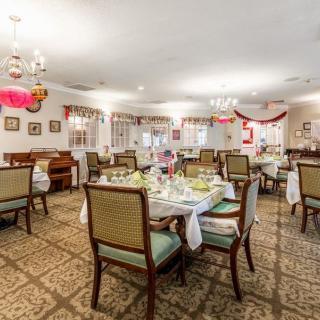
 Dining room
 Fully furnished
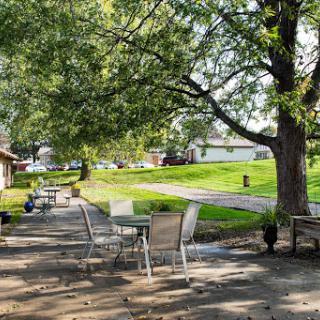
 Garden
 Housekeeping services
 Kitchenette
 Move-in coordination
 Outdoor space
 Private
 Restaurant-style dining
 Small library
 Telephone
 Wi-Fi/high-speed internet available
 24-hour call system
 Activities of daily living assistance
 Assistance with bathing
 Assistance with dressing
 Assistance with transfers
 Diabetes diet
 Medication management
 Mental wellness program
 Special dietary restrictions





 Nurturing Our Elders: Linda's Journey of Supporting Her Mother
 A Comprehensive Exploration of Common Misunderstandings about Powers of Attorney
 Senior Move Management: Understanding the Role, Value, and Associated Costs