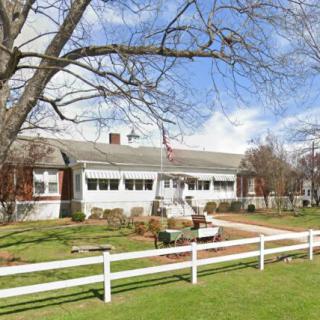
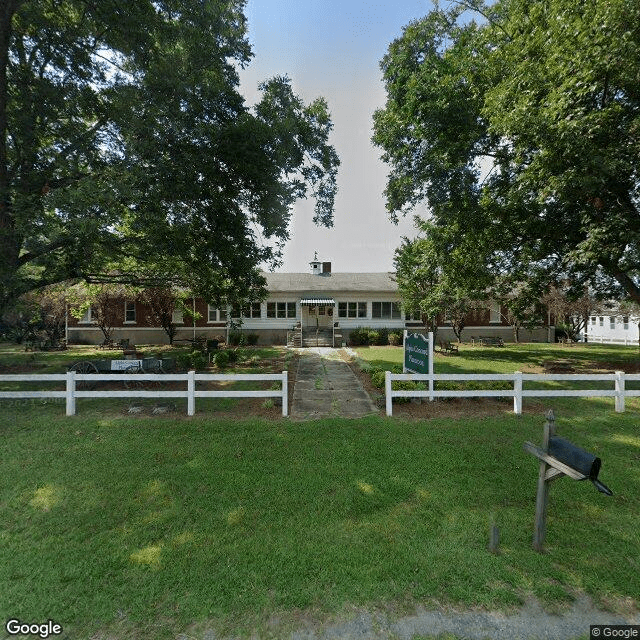
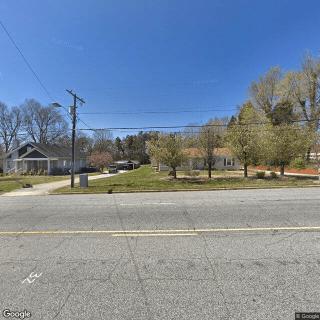
2809 Old Concord Road, Salisbury, NC 28146
For more information about senior living options: (866) 208-4318
Alpha Concord Plantation Costs & Pricing
Alpha Concord Plantation offers a competitively priced studio unit at $2,500 per month, which is notably more affordable than both Rowan County and the broader North Carolina average, where costs hover around $3,969 and $4,020 respectively. This pricing not only positions Alpha Concord as an attractive option in the local housing market but also reflects its commitment to providing value without compromising on quality. Residents can enjoy a well-appointed living space while benefiting from significant savings compared to other facilities in the region.
| Floor plans | Alpha Concord Plantation | Rowan County | North Carolina |
|---|---|---|---|
| Studio | $2,500 | $3,969 | $4,020 |
Assisted Living communities with a similar price nearby
-
from +$180 / mo
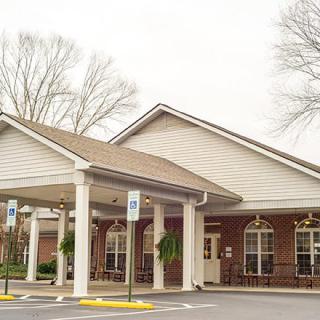
Brookdale Salisbury
$2,680 to $3,285 / month5.4 miles away -
from -$140 / mo
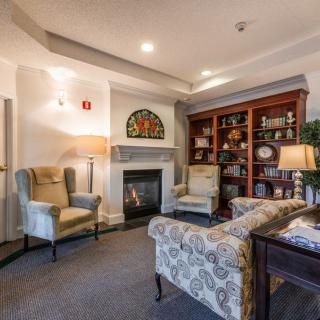
TerraBella Salisbury
$2,360 to $4,225 / month3.4 miles away -
from +$430 / mo
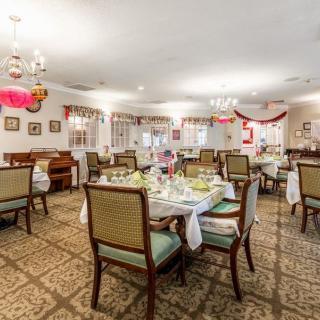
TerraBella Harrisburg
$2,930 to $5,550 / month22.2 miles away -
from -$100 / mo
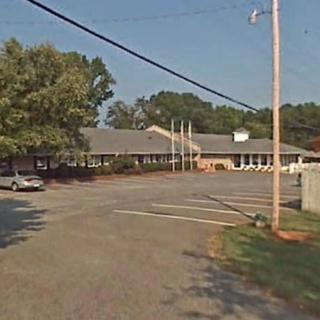
The Heritage Of Cedar Rock
$2,400 to $6,800 / month18.6 miles away -
from -$300 / mo
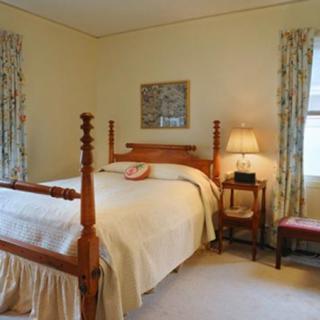
The Living Center Of Concord
$2,200 to $3,000 / month17.3 miles away
Overall Review of Alpha Concord Plantation
Pros
 The dad really enjoyed it there.
- The staff enjoyed him as well.
- A nurse at the facility was really good.
- The staff are very caring and pleasant.
- The staff are hardworking.
- The residents say that everyone gets along.
- The people here are happy.
- The staff are excellent.
Cons
 The food could have been better; it was plain and there were not many options.
- The facility was old and did not look clean.
- There were no patient advocates in Alpha Concord facilities and no advocacy points offered through the corporate structure.
- The wife didn't have her own bathroom, and the food was not good.
- The staff could be better.
- They wouldn't recommend the place to their worst enemy.
Review
Alpha Concord Plantation in Salisbury is best suited for families prioritizing warmth, reliable day-to-day care, and affordability over showroom polish. This community rewards residents who thrive on predictable routines and personal connections with caregivers who become a steady, familiar presence. The strongest signal from long-standing ties is a culture where staff are recognized for genuine care, and where a resident who stayed for 16 years formed bonds with caregivers that felt like family. For families looking for a home-like atmosphere, steady staffing, and a budget-friendly option, this community delivers a trusted, low-stress environment that can anchor a care plan without the dramatic price tag or constant upheaval of more modern facilities.
Those who may want to consider alternatives include families seeking private en-suite accommodations, restaurant-style dining with frequent menu variety, and a facility that presents a consistently pristine, contemporary aesthetic. Several reviews describe older infrastructure, shared bathrooms, and limited food options, and a few note cleanliness concerns tied more to age than to neglect. More concerning, there is a recurring theme about the absence of formal patient advocacy within Alpha Concord’s corporate structure, which can be a meaningful gap for families needing proactive medical and daily living oversight. For residents with higher needs for privacy, advocacy, or a consistently polished dining experience, exploring other communities may be prudent.
The strongest pros, most notably the caregiving culture and the community’s affordability, often offset many of the more visible drawbacks in practical ways. Caregivers are described as kind, hardworking, and capable of fostering harmony among residents, with multiple accounts of staff going above and beyond in ways that create trust and a sense of safety. The setting also offers a price-to-value proposition that can relieve ongoing financial stress for families and simplify long-term planning, especially when distance to家 home is a consideration. When these relational strengths are paired with location advantages and a dependable routine, families gain reassurance that their loved one will be tended to with attention and warmth, even if the building itself shows signs of age.
Nevertheless, the main drawbacks do not vanish in the face of strong interpersonal care. Food quality is consistently noted as plain with limited variety, and privacy remains an ongoing concern due to shared bathroom arrangements in some rooms. The absence of a formal patient advocacy mechanism within Alpha Concord’s structure can leave families feeling they must champion resident needs without a clear, centralized process for escalation. Cleanliness and upkeep, tied to the age of the facility, can influence daily comfort and perceived safety, particularly for residents with higher cleanliness expectations or medical needs. In short, the positive, person-centered care can soften the impact of these operational realities, but the drawbacks remain meaningful for families with stringent standards in dining, privacy, or advocacy.
For families weighing options, practical steps matter. Ask about current room configurations and the availability of private baths, and request a tour that includes a taste of the dining experience and a window into housekeeping standards. Inquire explicitly about patient advocacy, whether there is a dedicated advocate, how concerns are escalated, and what support is available for residents who are Deaf or blind. Speak with current residents about daily life, the consistency of staff, and how meals are handled across the week. Check if there are any planned renovations or improvements to bathrooms and common spaces, and probe the facility’s approach to cleanliness and safety. A short-term stay or trial period can illuminate how well the culture translates into day-to-day satisfaction.
Ultimately, Alpha Concord Plantation presents a pragmatic, affordable option for families who value dependable, compassionate caregiving and a home-like atmosphere over modern amenities. The community shines when it comes to staff relationships, resident camaraderie, and a budget-conscious approach that reduces financial stress. Those priorities make it a solid fit for many seniors who can embrace an older facility’s quirks in exchange for steadiness and warmth. However, for anyone whose criteria center on private living spaces, diverse dining, and formal advocacy structures, it is wise to explore alternatives. In the balance, this community can be a trustworthy match for numerous families, but not a universal best choice; options with stronger privacy, modern amenities, and explicit advocacy may serve some seniors more effectively.
 29 resident community capacity
 Assisted Living
 Activities on-site
 Air-conditioning
 Bath tubs
 Beauty salon
 Cable or satellite TV
 Devotional services on-site
 Dining room
 Fully furnished
 Garden
 Housekeeping services
 Indoor common areas
 Kitchenette
 Move-in coordination
 Outdoor common areas
 Restaurant-style dining
 Small library
 Telephone
 Wi-Fi/high-speed internet available
 24-hour call system
 Ambulatory care
 Assistance with bathing
 Assistance with dressing
 Assistance with transfers
 Diabetes diet
 Diabetic care
 Incontinence care
 Medication management
 Mental wellness program
 Special dietary restrictions
 Art classes
 BBQs or picnics
 Birthday parties
 Day trips and outings
 Forever fit
 Happy hour
 Live musical performances





 Is Assisted Living Deductible on Your Taxes? Understanding the Complexities of Assisted Living Expenses and Deductions
 Assisted Living Support for Veterans: A Complete and Detailed Overview
 Exploring the Contrasts Between Assisted Living and Skilled Nursing