Trinity Oaks, a CCRC in Salisbury, NC

Save

  • Interior

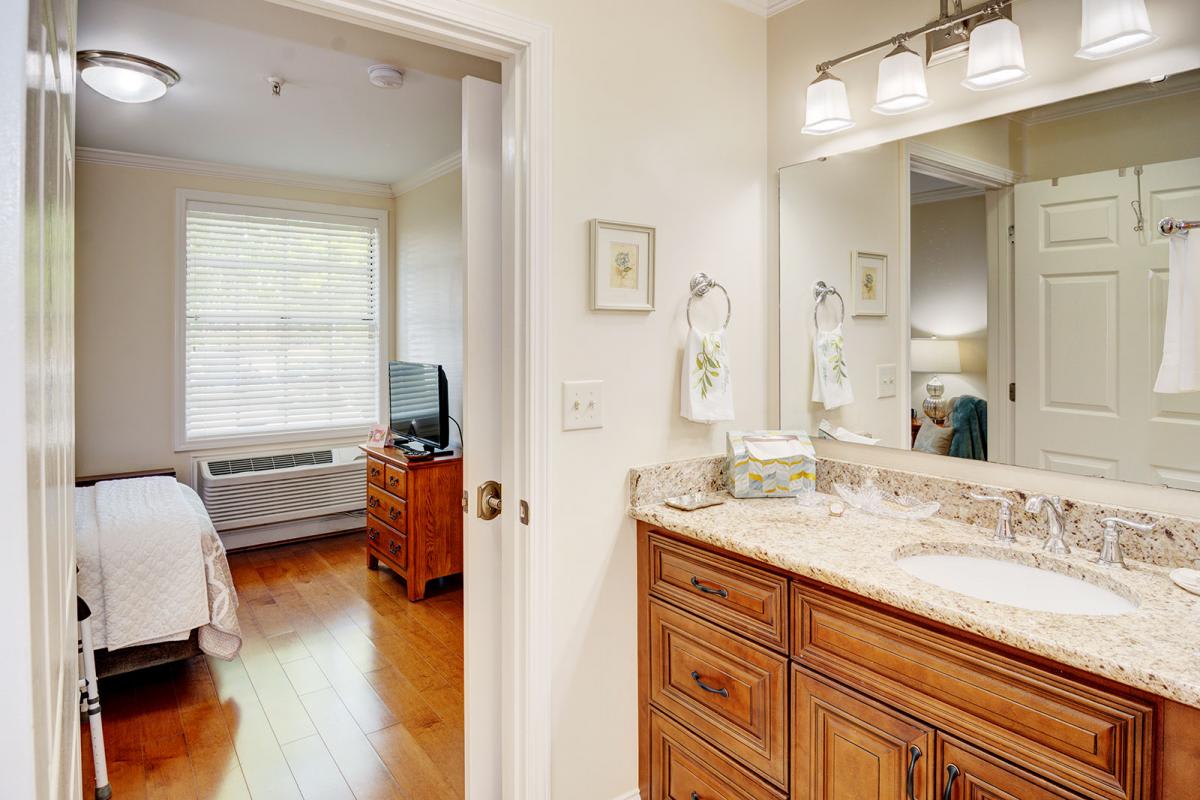
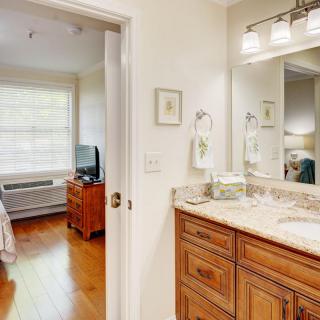
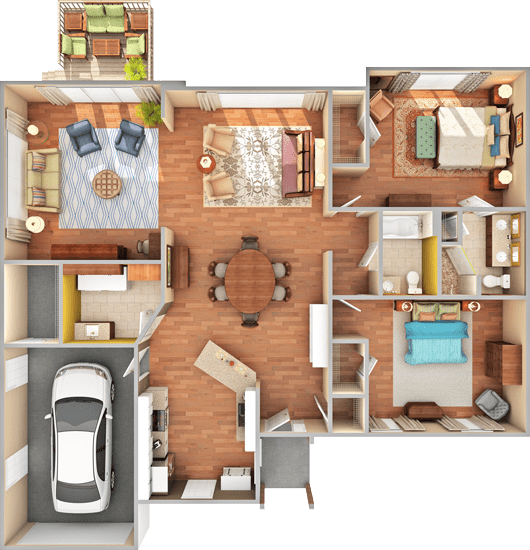
    A cozy bedroom connected to a bathroom with wooden furniture and flooring.
  • Outdoors

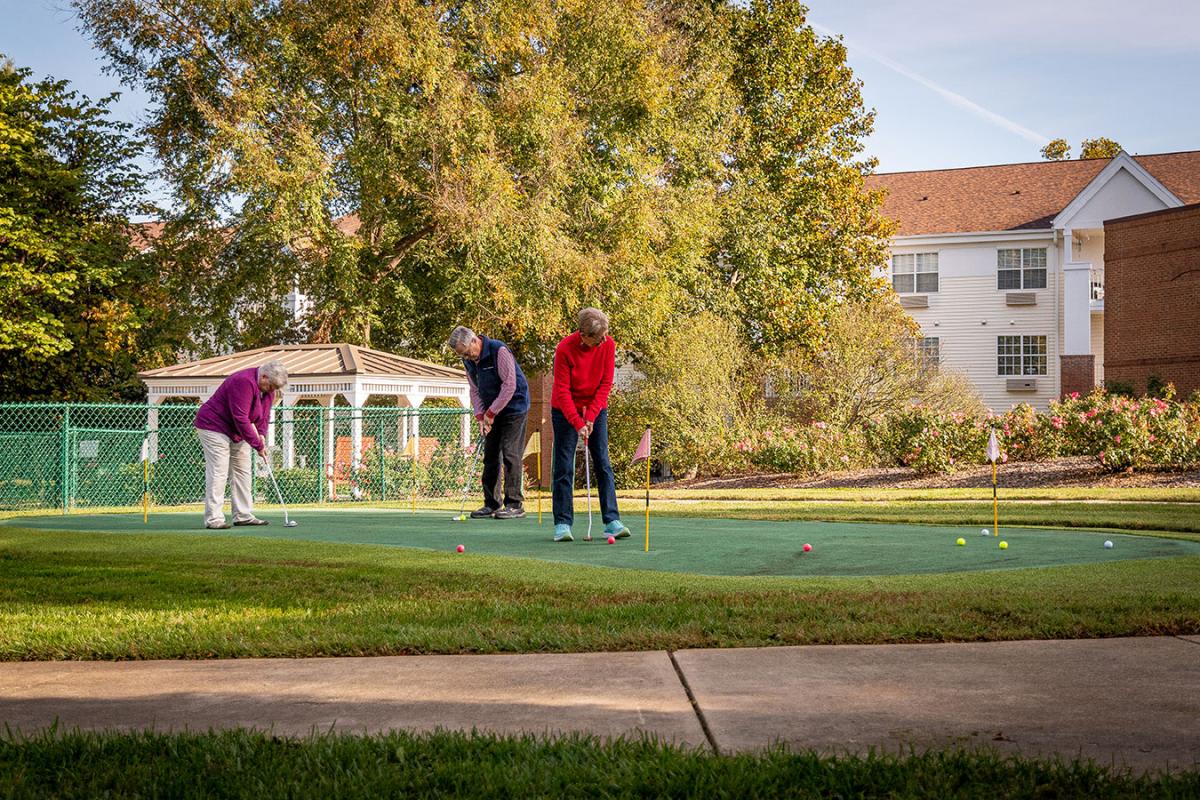
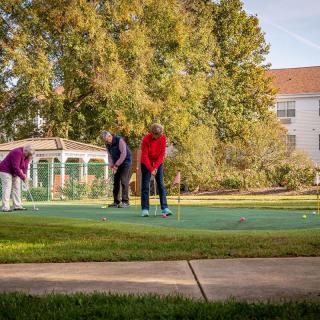
    A group of people enjoying a relaxing game of golf on a sunny day.
  • Decor

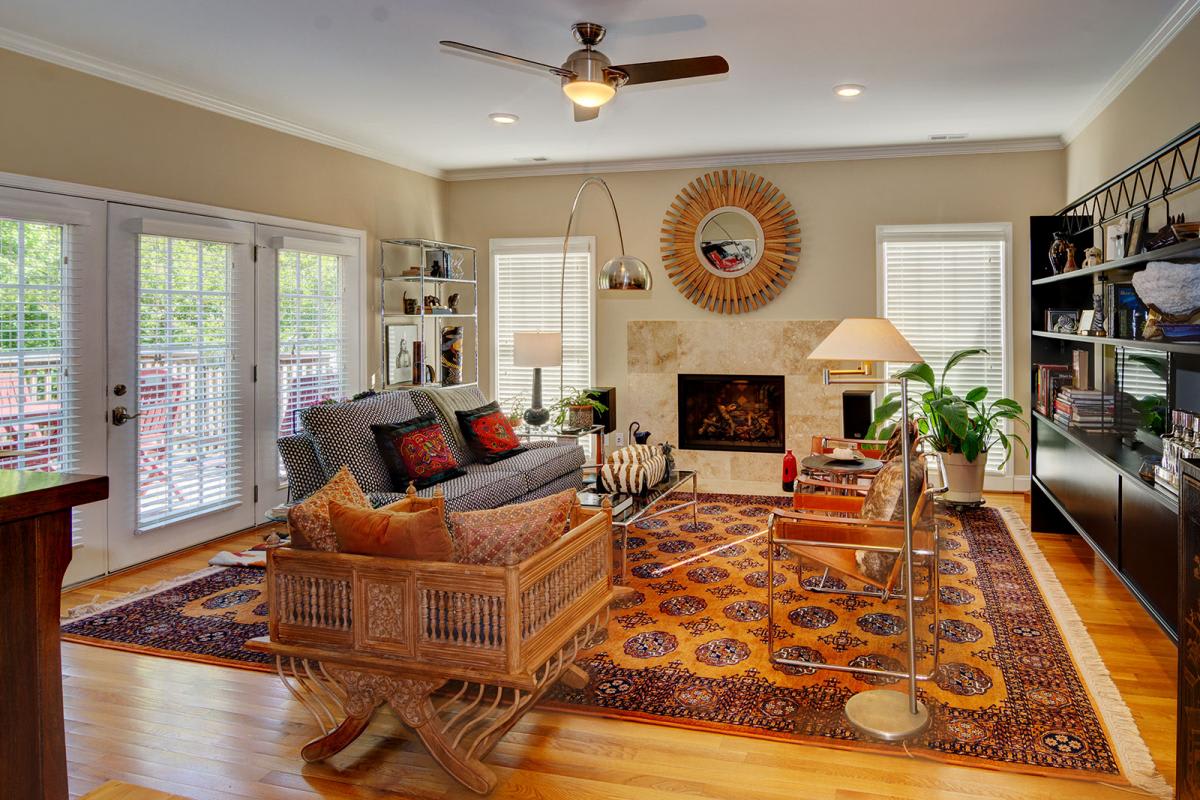
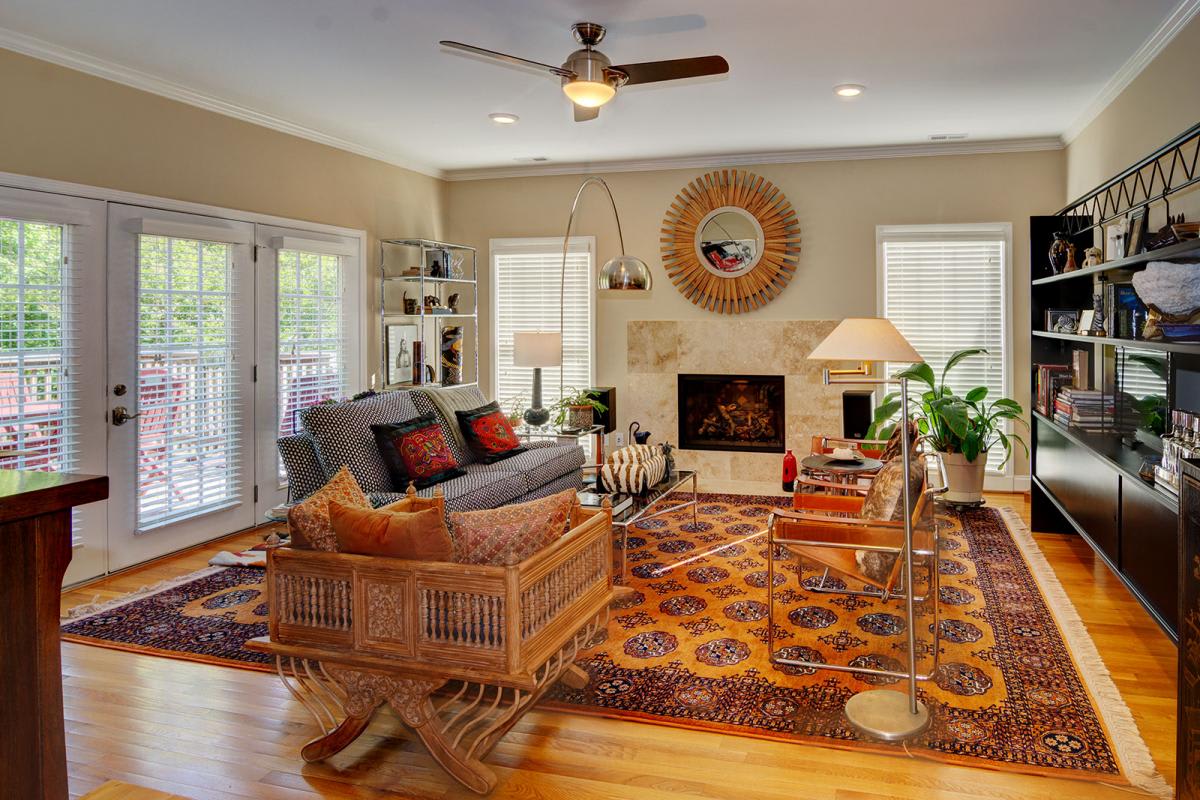
    A cozy living room featuring a sofa, armchairs, and a colorful rug centered around a fireplace with decorative elements and houseplants.
  • Living Room

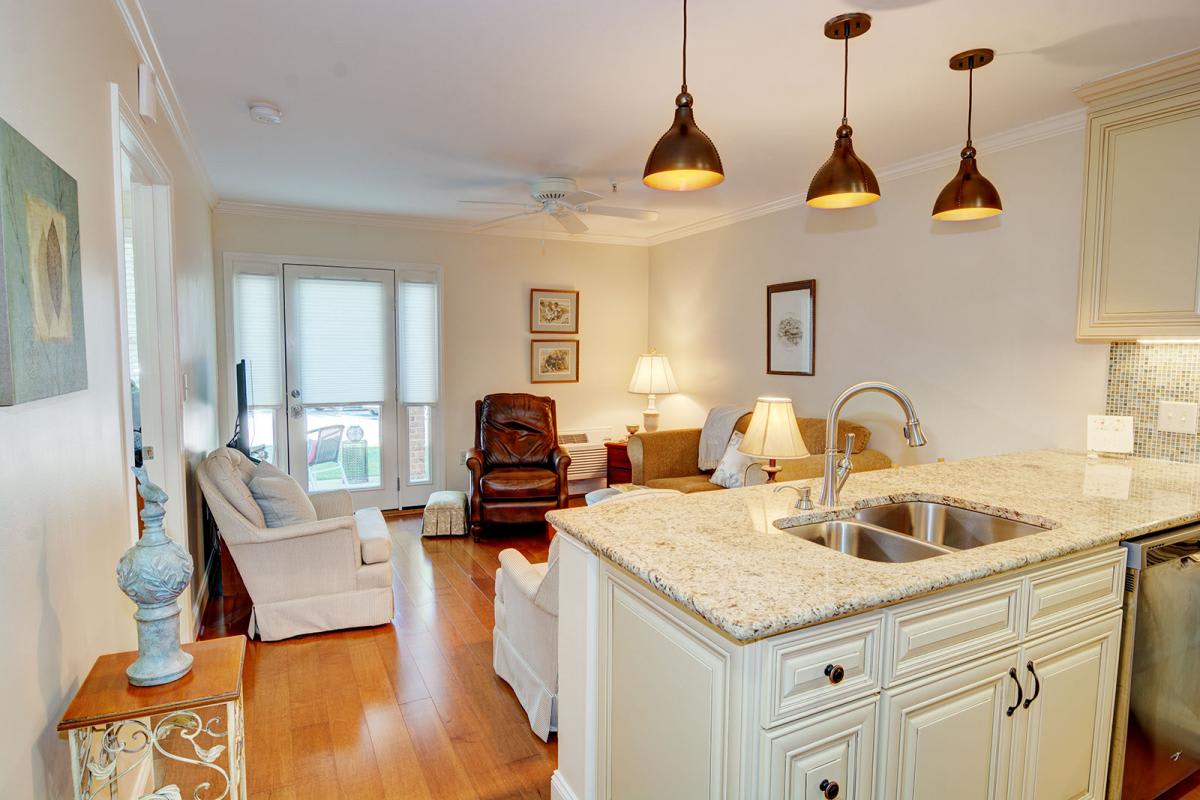
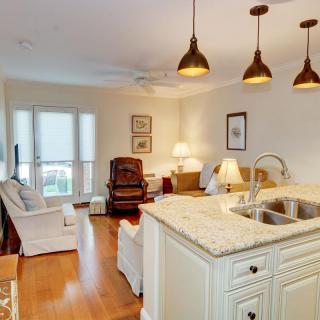
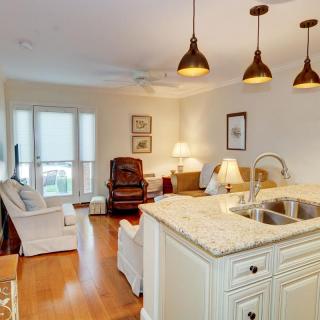
    A cozy open-concept living room with a view of the kitchen, featuring modern lighting and wooden flooring.
  • Bedroom

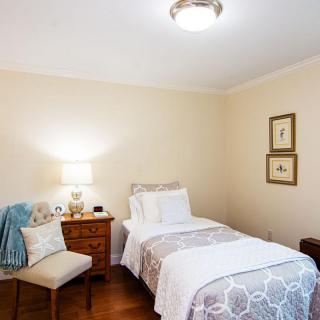
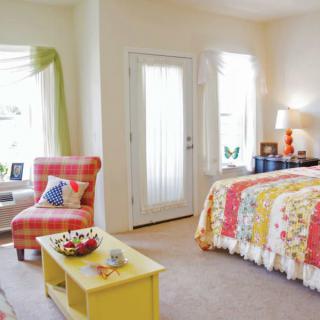
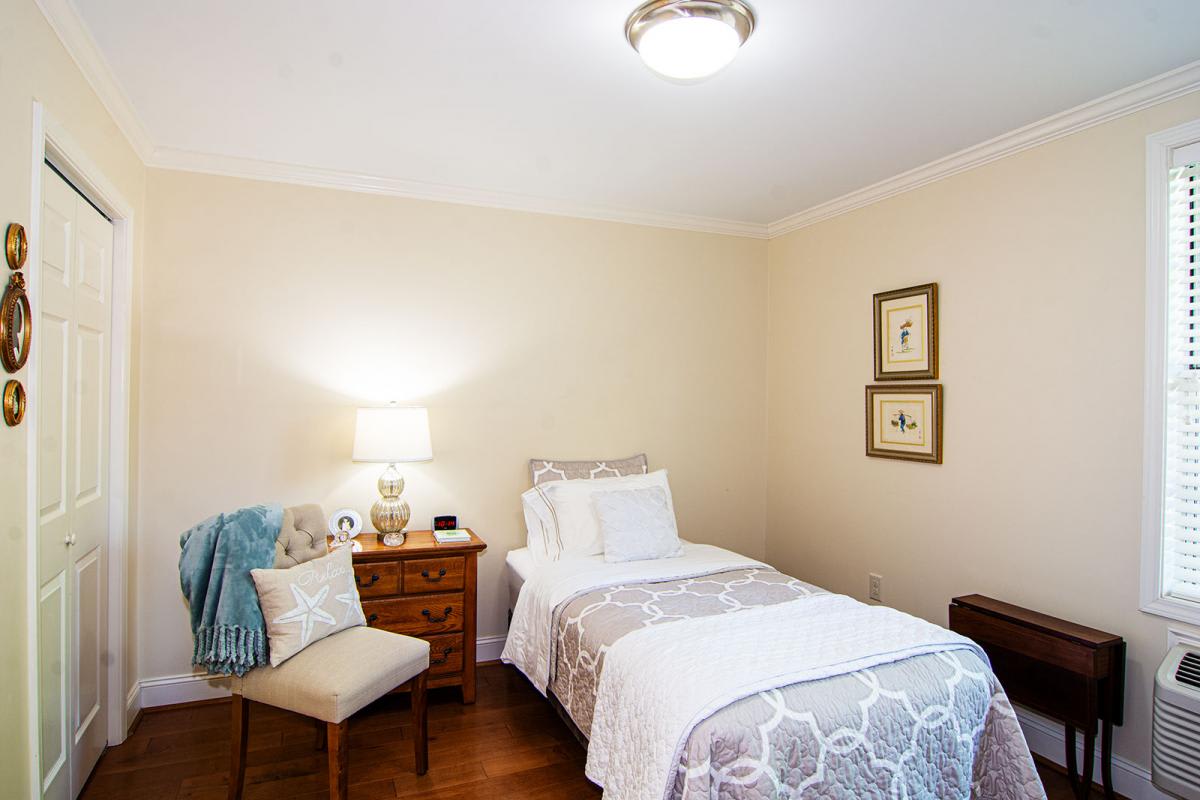
    A cozy bedroom with a single bed, nightstand, lamp, and a chair.
  • Dining

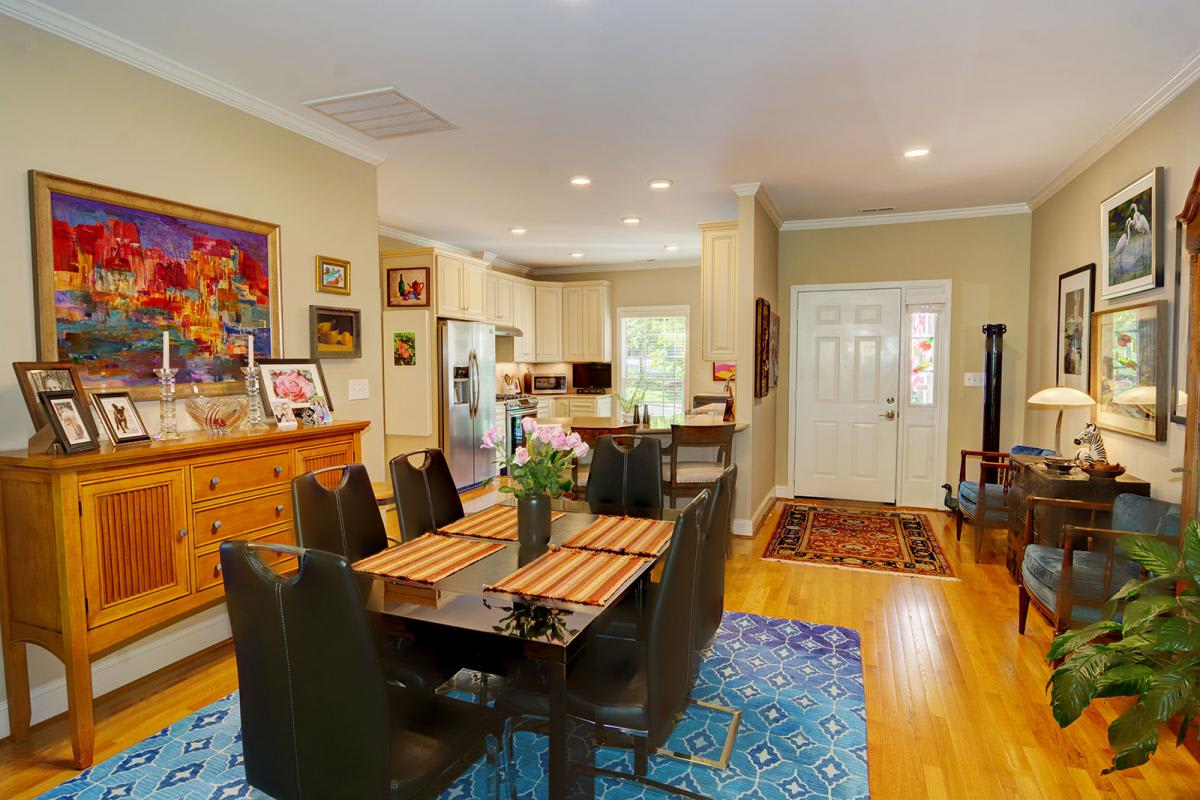
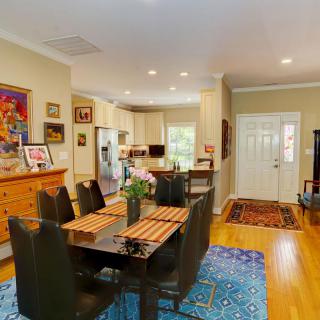
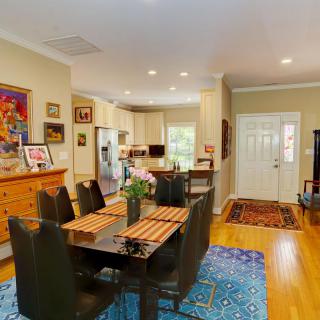
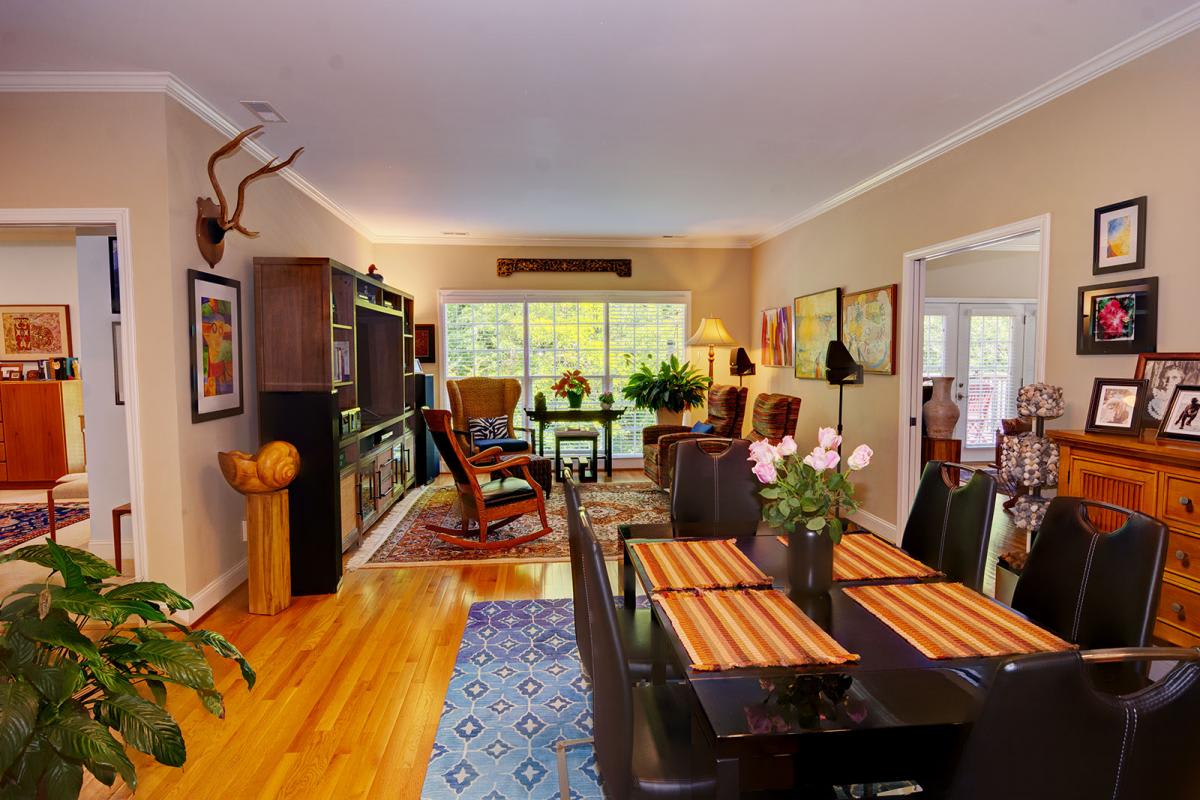
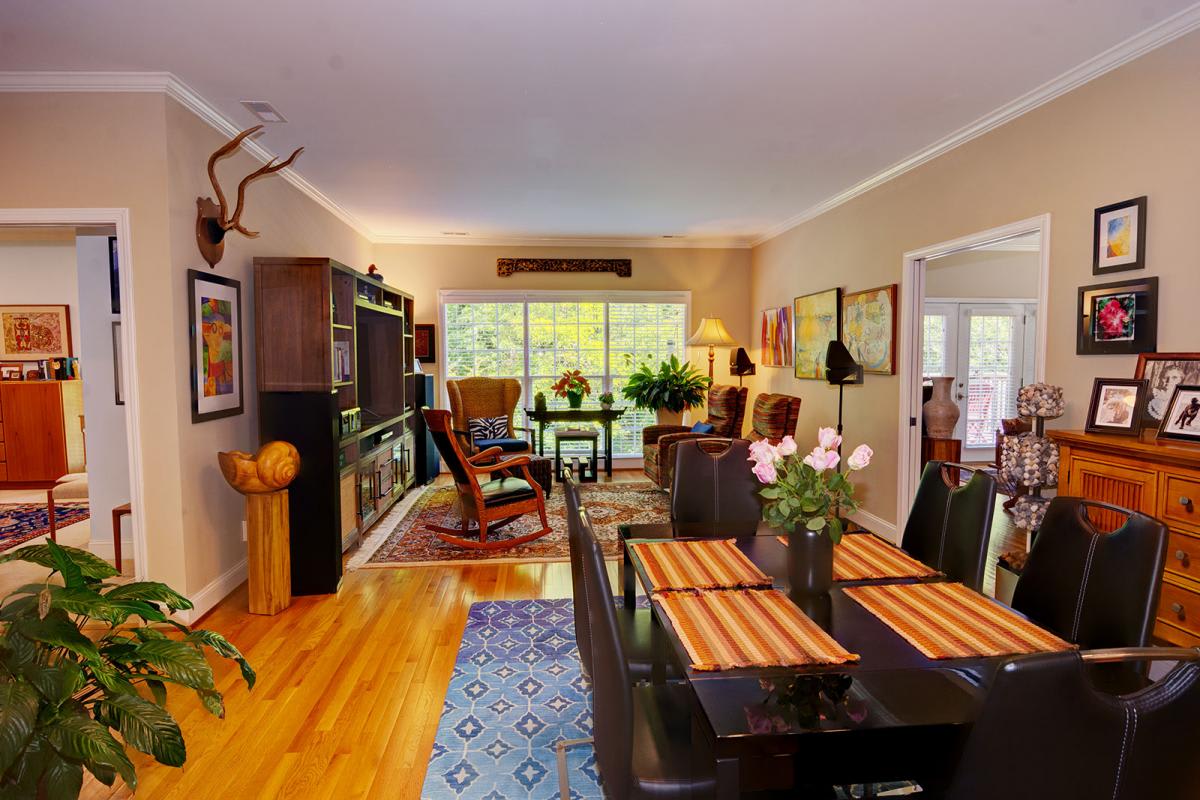
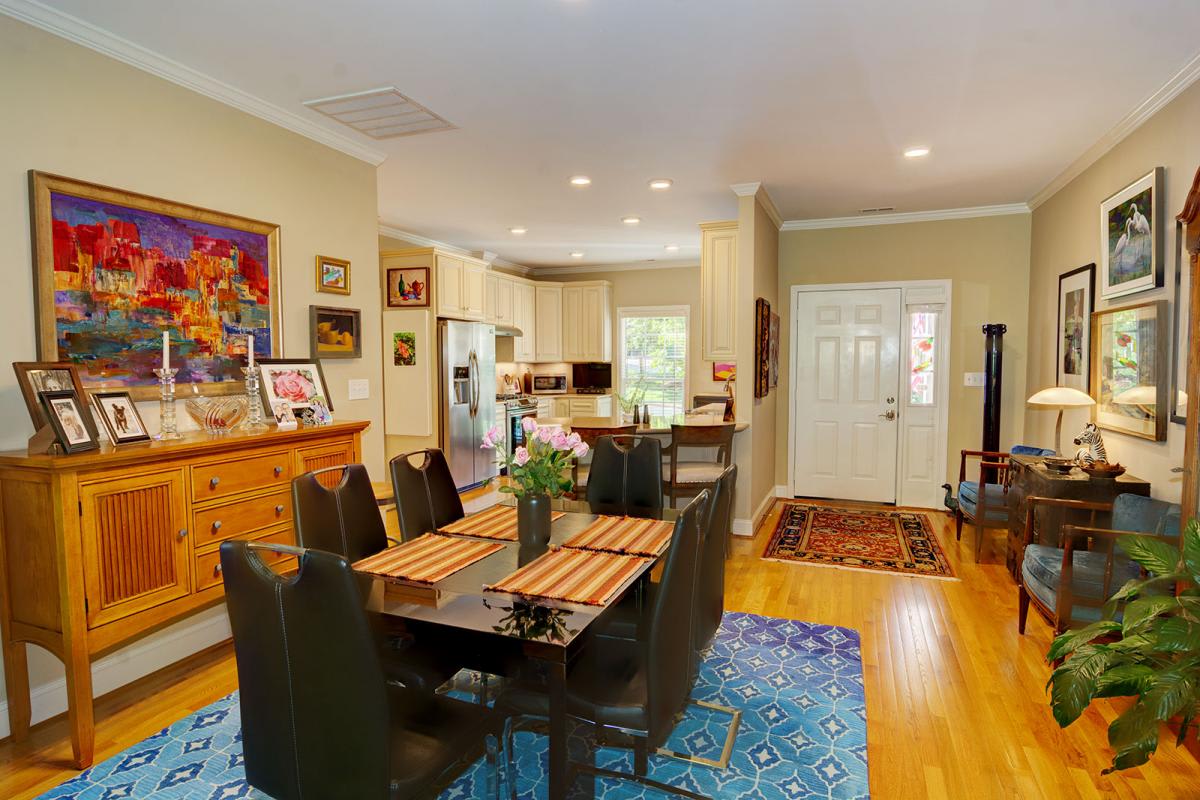
    A cozy open-plan dining area with a kitchen in the background, featuring a wooden dining table, colorful rugs, and decorative artwork on the walls.
  • Kitchen

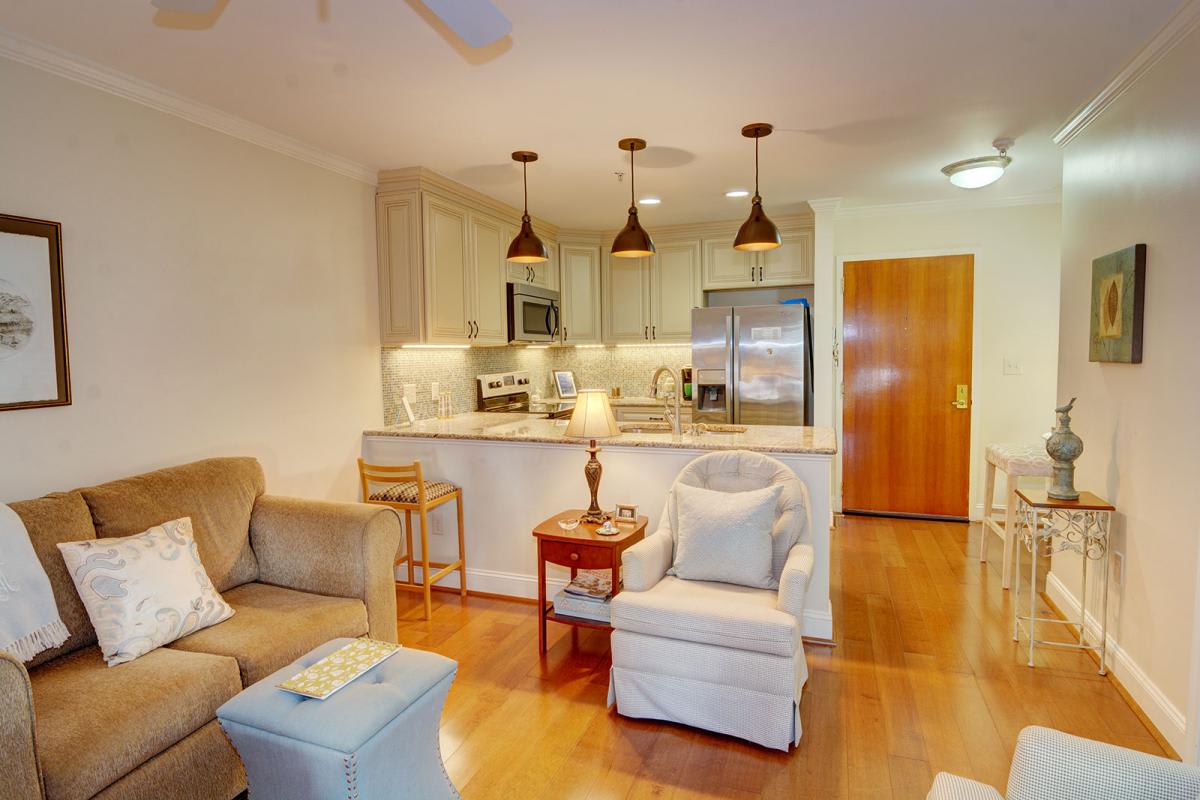
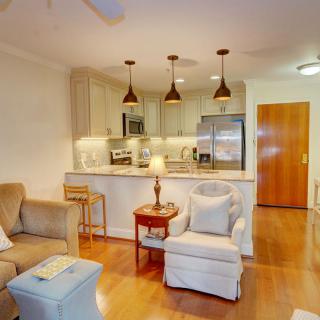
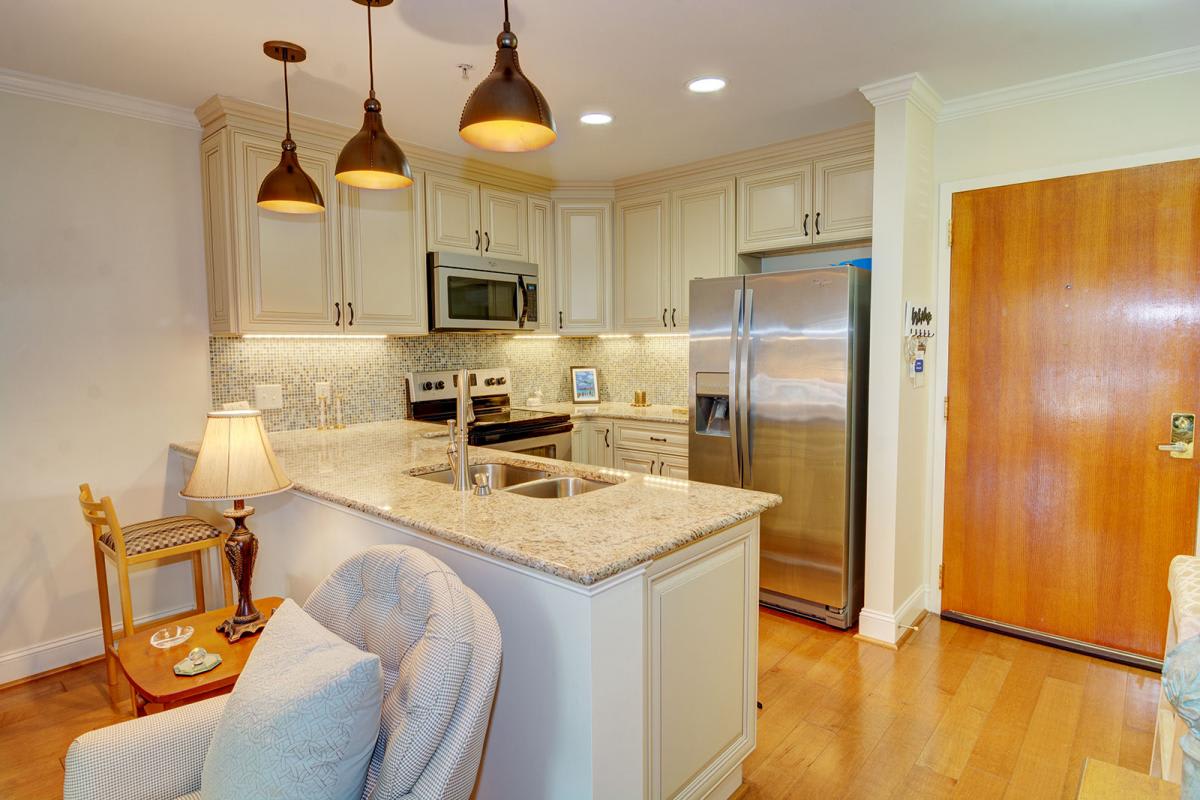
    A cozy and modern open-concept living space featuring a comfortable seating area and a well-equipped kitchen with pendant lighting.
  • Artwork

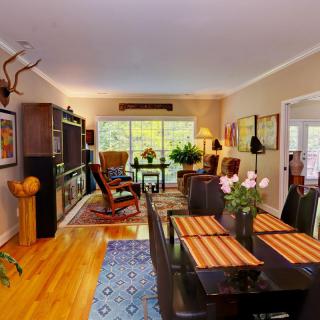
    A cozy living room with a dining area featuring hardwood floors, eclectic decor, and ample natural light.
  • Fireplace

    A cozy living room featuring a patterned rug, comfortable seating, and elegant decor.
  • Floor Plan

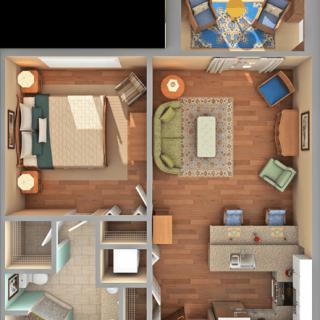
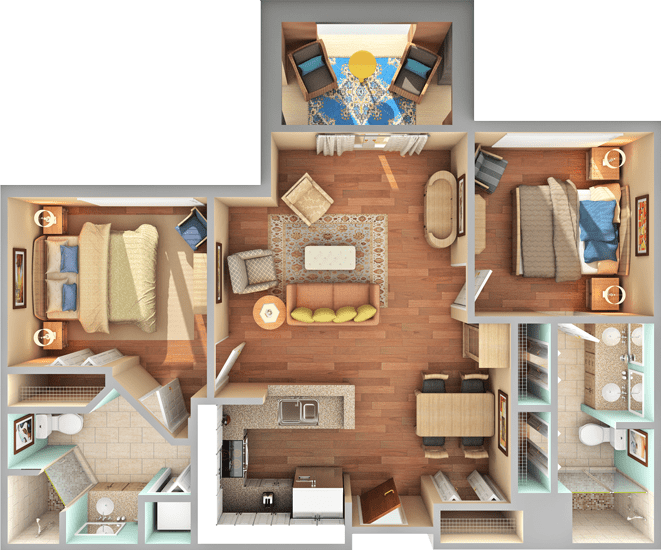
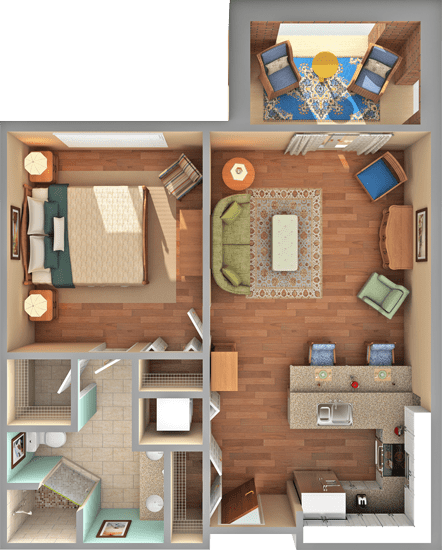
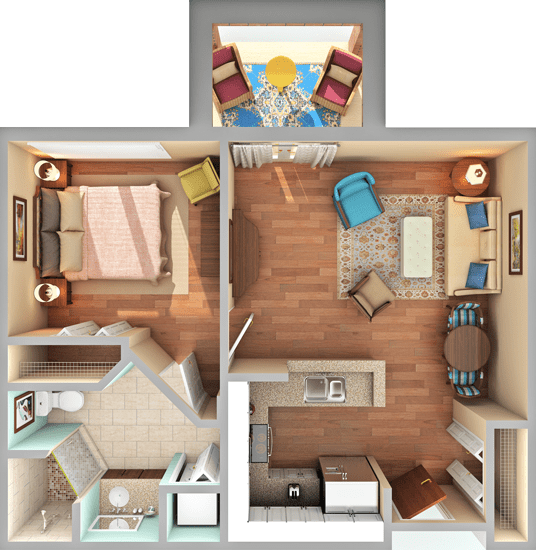
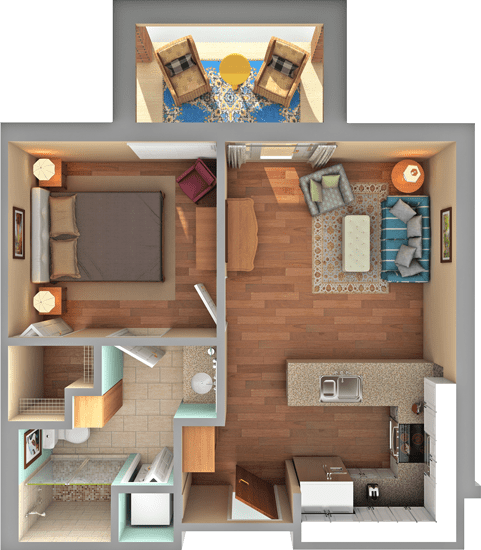
    A 3D floor plan of a one-bedroom apartment featuring a living room, kitchen, and bathroom.
  • Appliances

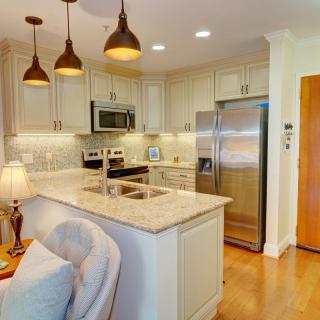
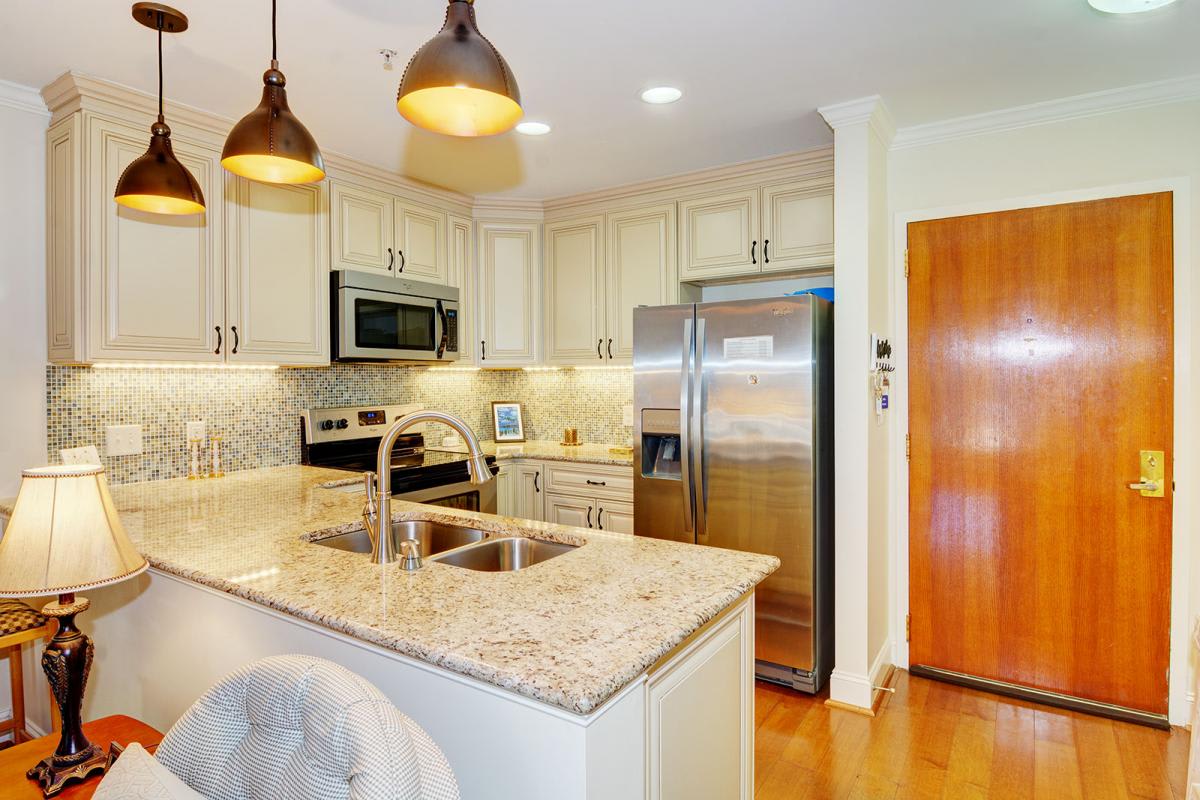
    A modern kitchen with stainless steel appliances and elegant lighting.
  • Bright Lighting

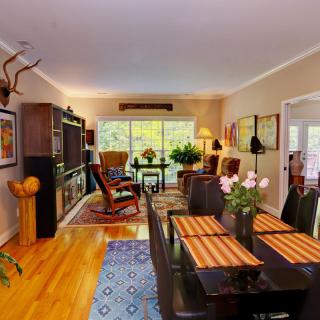
    A cozy living and dining area with wooden flooring, stylish furniture, and indoor plants.
  • Swimming Pool

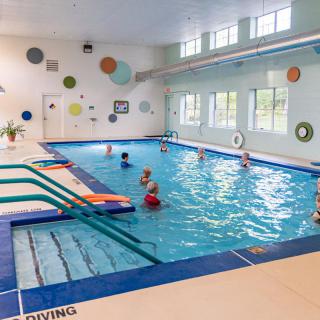
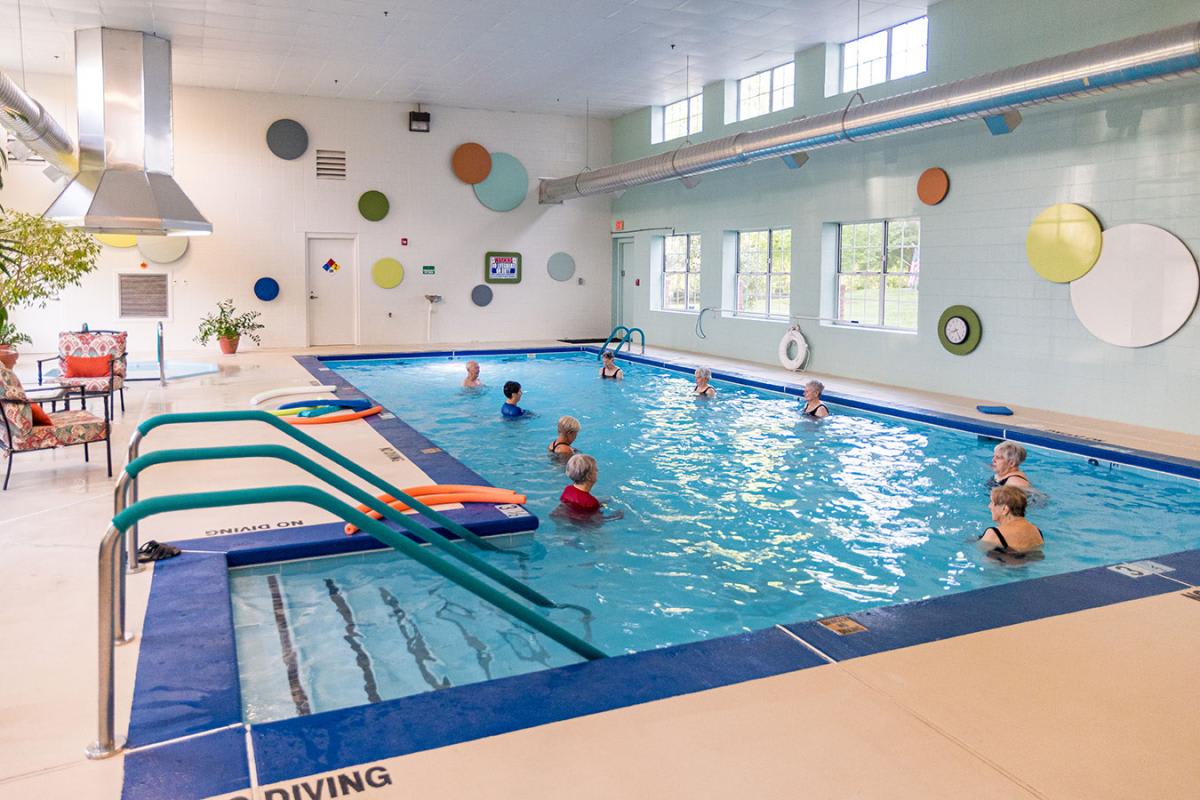
    Children enjoy swimming and playing in an indoor pool.
  • Open Floor Plan

    An open floor plan featuring a modern kitchen and dining area with hardwood floors and decorative rugs.

Trinity Oaks, a CCRC in Salisbury, NC

Information last verified:

728 Klumac Rd, Salisbury, NC 28144

For more information about senior living options: (844) 490-3973

4.7 from 37 reviews
5 stars
33
4 stars
1
3 stars
0
2 stars
1
1 stars
2

Seniors.FYI Elite Community Awards

Top 5% Senior Living Community in 2023Top 5% Senior Living Community in 2025

Add this award to your website

Trinity Oaks, a CCRC Costs & Pricing

Trinity Oaks, a Continuing Care Retirement Community (CCRC), offers competitive pricing that is notably lower than both Rowan County and the broader North Carolina averages. For example, residents can expect to pay $2,102 for a studio apartment compared to $3,969 in Rowan County and $4,020 statewide. One-bedroom units at Trinity Oaks are priced at $2,639, while similar accommodations in Rowan County and the state cost significantly more at $3,972 and $4,055 respectively. Furthermore, the two-bedroom option at Trinity Oaks is available for $3,370, which remains below the county's average of $3,538 and the state's figure of $4,245. This pricing structure not only highlights the affordability of Trinity Oaks but also reflects its commitment to providing quality care and services within a vibrant community setting.

Floor plansTrinity Oaks, a CCRCRowan CountyNorth Carolina
Studio$2,102$3,969$4,020
1 Bedroom$2,639$3,972$4,055
2 Bedrooms$3,370$3,538$4,245

Overall Review of Trinity Oaks, a CCRC

Pros

  • pro Trinity Oaks is described as welcoming and caring by staff and residents.
  • pro It is a great organization to be part of, with a positive culture.
  • pro Trinity Oaks is affectionately called “The Happy Place,” where residents are often smiling.
  • pro Newcomers are made to feel welcome from day one, and issues are promptly addressed.
  • pro It is an excellent place for retirement and long-term care.
  • pro The community makes residents feel safe, secure, and valued, with staff who go above and beyond.
  • pro The dining, activities, and outings are top-notch, enriching residents' lives.
  • pro Trinity Oaks feels like a family, with beautiful facilities and a truly caring staff.

Cons

  • pro The staff are very arrogant.
  • pro Administration has no idea what's going on in the facility.
  • pro Bullying is allowed and nothing is done to stop it.

Review

Trinity Oaks is best suited for well-aged seniors who want a true continuum-of-care community that blends independent living with ready access to assisted living, memory care, and rehab options, all within a warm, neighborhood-like atmosphere. This campus excels for residents who prize belonging, daily purpose, and a robust social calendar, where staff relationships feel personal and residents feel known by name. It works particularly well for those who want to stay active through frequent outings, lectures, classes with local college partners, and a wide range of on-site amenities, all while living in a setting that emphasizes care, safety, and connection. For families seeking a one-stop environment where transitions happen under one roof, Trinity Oaks delivers a compelling, reassuring path forward.

Those who should consider alternatives are typically looking for a quieter pace, a smaller community footprint, or a more tightly controlled administrative style. A few reviewers point to a few rough edges in management or occasionally uneven staff responsiveness, and a minority describe bullying or arrogance as concerns, not universal experiences, but enough to warrant scrutiny. Families with critical needs around ultra-precise oversight, or those who want a more formal, less homey feel may find other CCRCs or stand-alone assisted living options a better fit. Budget constraints also factor in, as some families prioritize cost transparency and a simpler fee structure over the wide range of services Trinity Oaks provides. In short, if a hyper-sensitive or highly centralized governance culture is non-negotiable, alternatives deserve consideration.

The foremost strengths are the emotional and practical anchors that many residents cite. The staff and residents are consistently described as welcoming, caring, and genuinely invested in each other’s well-being. The environment earns the “home” label from numerous families who celebrate the daily kindnesses, the ease of access to assistance, and the feeling of safety that accompanies consistent, attentive care. The programming is not just busy; it’s meaningful, plans range from travel and outings to college-style classes, library activities, pool and gym use, and a steady stream of social opportunities. Dining is repeatedly praised for quality, and the cottages and apartments are described as first-rate, well maintained, and aesthetically pleasing. The sense of community is reinforced by staff who greet residents warmly and by residents who look out for one another, creating a culture that many describe as a large, caring family.

On the other hand, the community does surface some caveats worth weighing. A few reviews flag issues with administration or with specific staff members, and a minority describe interpersonal dynamics as less ideal, bullying concerns and occasional arrogance surface in isolated cases. These are not presented as the norm, but they are enough to merit proactive due diligence: ask direct questions during tours about staff training, complaint resolution, and how bullying is prevented and addressed. Prospective residents should also gauge how quickly problems are acknowledged and remedied, and whether the governance style aligns with personal expectations for responsiveness and transparency. The overall sentiment remains overwhelmingly positive, but the few negative experiences highlight the importance of personal fit with the care culture.

Where Trinity Oaks’ positives offset its drawbacks lies in scale, continuity, and reliability. The campus’ breadth, a full slate of activities, multiple dining options, on-site health services, memory care, rehab, and supportive services, means transitions are smoother and less disruptive than in smaller settings. For families, the advantage is clear: a resident can start with independent living, then shift to higher levels of care without uprooting life, friends, or routines. The sense of safety and belonging, coupled with staff who know residents by name and go “above and beyond” for daily needs, cushions the impact of occasional administrative friction. The consensus of long-tenured residents and upbeat testimonials suggests that when issues do arise, they are often addressed with empathy and a practical, problem-solving approach.

In making a decision, the practical emphasis should be on matching lifestyle expectations with care needs and governance style. Trinity Oaks clearly shines for those who want a vibrant, interconnected community where personal warmth, quality meals, and a broad spectrum of activities enhance daily living. It is a strong choice for families seeking long-term stability, predictable access to care, and a campus culture that feels like a well-loved community rather than a clinical facility. However, for families prioritizing an exceptionally quiet environment, a tightly controlled administrative hierarchy, or budget-driven simplicity, it pays to compare alternatives that promise less noise, more predictable governance, or lower entry costs. The right pick hinges on weighing the social vitality and continuum-of-care strength against the few early warning signals about administrative tone.

Overall, Trinity Oaks stands out as a confident choice for seniors who want to age in place within a warm, active, and supportive community. It provides substantial value through its comprehensive services, thoughtful programming, and the palpable sense of family that permeates the campus. The conundrum for buyers is not whether care exists, but how well the care culture aligns with personal expectations for leadership and community dynamics. When alignment is present, Trinity Oaks becomes less a facility and more a home, one that offers security, opportunity, and continued meaning well into later years. For families who prize continuity, connection, and a genuinely caring atmosphere, Trinity Oaks earns strong consideration as a top option in Salisbury.

Features

Types of Care

  • Independent Living Independent LivingIndependent living communities are important for seniors because they offer a safe and supportive environment where older adults can live independently while still having access to amenities and services that enhance their quality of life. These communities provide social opportunities, recreational activities, and assistance with daily tasks, promoting overall well-being and allowing seniors to maintain their independence for as long as possible.

Pets

  • Cats allowed Cats allowed"Pet friendly" senior living communities are important for seniors because pets provide companionship, reduce feelings of loneliness and depression, promote physical activity and mental stimulation, and offer a sense of purpose and responsibility. Pets can improve overall well-being and quality of life for seniors in many ways.
  • Dogs allowed Dogs allowed"Pet friendly" senior living communities are important for seniors because pets provide companionship, reduce feelings of loneliness and depression, promote physical activity and mental stimulation, and offer a sense of purpose and responsibility. Pets can improve overall well-being and quality of life for seniors in many ways.

Amenities

  • Activities off-site Activities off-siteEngaging in off-site activities is crucial for seniors to maintain social connections, stay active, and stimulate their minds. It promotes overall well-being and helps combat feelings of isolation and loneliness.
  • Activities on-site Activities on-siteActivities on-site are important for seniors because they provide opportunities for socialization, mental stimulation, physical activity, and overall well-being. Engaging in activities can help seniors stay active, maintain their independence, and improve their quality of life.
  • Air-conditioning Air-conditioningAir conditioning is important for seniors as they are more vulnerable to heat-related illnesses and may have underlying health conditions that make it difficult for them to regulate their body temperature. It helps to keep them comfortable, safe, and healthy in hot weather.
  • Beautician on-site Beautician on-siteHaving a beautician on-site at a senior living community is important for seniors as it allows them to easily access grooming and personal care services, boosting their self-esteem and overall well-being. It also provides convenience and helps seniors maintain their sense of independence and personal style.
  • Devotional services on-site Devotional services on-siteDevotional services on-site provide seniors with spiritual support and a sense of community, as well as an opportunity for reflection and guidance during their senior living experience. This can promote emotional well-being and connection to others, leading to a more fulfilling and enriching lifestyle in their later years.
  • Full kitchen Full kitchenHaving a full kitchen in a senior living facility is important for seniors because it allows them to maintain their independence and prepare their own meals. This promotes healthy eating habits, saves money on dining out, and provides a sense of familiarity and comfort for residents.
  • Ground floor units Ground floor unitsGround floor units are important for seniors because they provide easy accessibility, reduced risk of falls and injuries, and convenience for those with mobility issues. Seniors can avoid climbing stairs or using elevators, making daily tasks and activities more manageable and enjoyable.
  • Handicap accessible Handicap accessible"Handicap accessible" amenities are crucial for seniors to ensure they can easily navigate and access facilities, services, and activities without barriers or limitations due to physical impairments. This promotes independence, safety, and inclusivity for seniors in senior living communities.
  • Indoor common areas Indoor common areasIndoor common areas are crucial for seniors as they provide a space for socialization, recreation, and community engagement, promoting overall well-being and reducing feelings of isolation and loneliness.
  • Outdoor common areas Outdoor common areasOutdoor common areas are important for seniors as they provide a space for socialization, physical activity, and relaxation. Being outside in nature can improve mood and overall well-being, while also encouraging movement and engagement with others. These spaces can help combat feelings of isolation and promote a sense of community among residents.
  • Private bathrooms Private bathroomsPrivate bathrooms are important for seniors in senior living communities because they provide independence, dignity, and comfort. Having a private bathroom allows seniors to maintain their personal hygiene routines without the need for assistance, promoting a sense of autonomy and privacy. Additionally, private bathrooms help prevent the spread of infections and provide a safe and clean environment for seniors to navigate safely.
  • Respite or short term stays offered Respite or short term stays offeredRespite or short term stays provide seniors with a temporary solution when their regular caregiver is unavailable, offering them the opportunity to receive additional care and support during times of need, while also giving caregivers a chance to rest and recharge.
  • Swimming pool / hot tub Swimming pool / hot tubSwimming pools and hot tubs are important for seniors as they provide a safe and enjoyable way to stay active, improve mobility, reduce joint pain, and promote relaxation. Regular use of these amenities can contribute to overall well-being and quality of life for older adults living in senior communities.

Care Services

  • High acuity care High acuity careHigh acuity care is important for seniors because it provides specialized medical attention and support for individuals with complex medical needs. This level of care ensures that seniors receive the appropriate treatment and assistance to maintain their health and quality of life as they age.
  • Medication management Medication managementMedication management is crucial for seniors to ensure they are taking the right medications at the correct dosages and times. This helps prevent adverse drug interactions, reduces the risk of medication errors, and promotes overall health and well-being. Proactive management also allows for adjustments as needed based on changing health conditions or new prescriptions.

Dining

  • Gluten-free Gluten-freeGluten-free options are important for seniors as they are more prone to digestive issues and dietary sensitivities. Offering gluten-free meal choices in senior living communities can help improve their overall health and well-being.
  • Guest meals Guest mealsGuest meals are important for seniors living in senior living communities because they provide an opportunity for socialization and companionship. Sharing a meal with friends, family, or new acquaintances can help combat feelings of loneliness and isolation, promote a sense of community, and enhance overall well-being. Additionally, guest meals allow seniors to enjoy delicious food in a comfortable setting without the hassle of cooking or cleaning up, making dining a pleasurable and stress-free experience.
  • International cuisine International cuisineInternational cuisine is important for seniors because it offers a variety of flavors, ingredients, and cultural experiences that can help keep their meals interesting and enjoyable. Trying new dishes can also stimulate the senses and provide different nutrients that contribute to overall health and well-being. Additionally, exploring international cuisine can bring back fond memories of travels or childhood experiences, making mealtime more nostalgic and fulfilling for seniors.
  • Low / no sodium Low / no sodiumLow/no sodium options are important for seniors because excessive sodium intake can lead to high blood pressure, heart disease, and other health issues commonly experienced by older adults. By choosing low/no sodium foods, seniors can better manage their health and reduce their risk of developing these conditions.
  • No Sugar No SugarNo sugar diets are important for seniors because they can help prevent or manage chronic conditions such as diabetes, heart disease, and obesity. Sugar can also contribute to cognitive decline and inflammation in the body, so reducing sugar intake can lead to overall improved health and well-being in older adults.
  • Professional chef Professional chefProfessional chefs are important for seniors living in senior living communities because they provide nutritious and delicious meals that cater to their dietary needs and preferences. A professional chef can ensure that seniors are receiving balanced, flavorful meals that support their overall health and well-being.
  • Restaurant style dining Restaurant style diningRestaurant style dining is important for seniors as it offers them a social and enjoyable dining experience, promotes healthy eating habits, and provides personalized menu options to cater to their dietary needs and preferences. This type of dining setting can enhance their overall quality of life and create a sense of community within the senior living facility.
  • Room service Room serviceRoom service is important for seniors in a senior living community because it provides convenience and allows them to have their meals delivered directly to their room. This can be especially beneficial for seniors who may have mobility issues or difficulty accessing the dining area. Room service ensures that seniors are able to receive nutritious meals without having to navigate through the facility, allowing them to maintain their independence and overall well-being.
  • Special dining programs Special dining programsSpecial dining programs are important for seniors because they provide nutritious meals tailored to their dietary needs and preferences. These programs also offer socialization opportunities, promote overall health and well-being, and can help prevent malnutrition.
  • Vegan VeganVegan diets can provide numerous health benefits for seniors, including lower risk of chronic diseases, improved digestion, and increased energy levels. Additionally, plant-based diets are often rich in essential nutrients that can support overall well-being and longevity in older adults.

Activities

  • Art classes Art classesArt classes are important for seniors because they provide a creative outlet, improve cognitive function, reduce stress and anxiety, promote socialization, and enhance overall well-being and quality of life.
  • Bible study group Bible study groupBible study groups provide seniors with a sense of community, spiritual growth, and support during their later years. It helps them stay connected to their faith, find comfort in difficult times, and build meaningful relationships with others.
  • Day trips and outings Day trips and outingsDay trips and outings are important for seniors as they provide opportunities for socialization, mental stimulation, physical activity, and a break from daily routines. These experiences can enhance overall well-being and quality of life for older adults living in senior communities.
  • Devotional activities on-site Devotional activities on-siteDevotional activities on-site provide seniors with a sense of community, spiritual fulfillment, and emotional support, promoting overall well-being and a positive sense of purpose in their lives.
  • Educational speakers / life long learning Educational speakers / life long learningEducational speakers and lifelong learning opportunities are crucial for seniors as they provide mental stimulation, promote social engagement, and contribute to overall well-being. Continuous learning helps seniors stay mentally sharp, build new skills, and maintain a sense of purpose and fulfillment in their lives. It also allows them to stay connected to the world around them and fosters a sense of community within senior living facilities.
  • Happy hour Happy hourHappy hour is important for seniors as it provides a social activity that promotes camaraderie and reduces feelings of loneliness or isolation. It also offers an opportunity for older adults to relax, unwind, and enjoy some drinks or snacks in a fun and welcoming atmosphere.
  • Live dance or theater performances Live dance or theater performancesLive dance or theater performances are important for seniors because they provide opportunities for socialization, mental stimulation, and emotional engagement. These performances can help combat feelings of isolation and loneliness, while also offering a sense of connection to the arts and culture. Additionally, watching live performances can bring joy and create lasting memories for seniors in their later years.
  • Live musical performances Live musical performancesLive musical performances can provide seniors with a sense of joy, nostalgia, and connection. Music has the power to evoke emotions and memories, improve mood and cognitive function, and foster social interaction among seniors. It can also serve as a form of therapy and stress relief for older adults, making it an important activity to include in senior living communities.
  • Live well programs Live well programs"Live well programs are essential for seniors as they provide opportunities for physical activity, social engagement, and mental stimulation, ultimately promoting overall health and well-being in later years."
  • Stretching classes Stretching classesStretching classes are important for seniors because they help improve flexibility, reduce the risk of injury, and promote overall health and well-being. Regular stretching can also help alleviate joint pain and stiffness, enhance balance and coordination, and increase range of motion.
  • Tai Chi Tai ChiTai Chi is important for seniors because it promotes balance, strength, flexibility, and mental relaxation. It can help prevent falls, improve mobility, and reduce stress and anxiety, making it an excellent form of exercise for older adults to maintain their overall health and well-being.
  • Wine tasting Wine tastingWine tasting can be a fun and social activity for seniors, allowing them to engage their senses, learn about different varieties of wine, and potentially meet new friends. It also offers health benefits such as improved cognitive function and reduced risk of heart disease when consumed in moderation.

Description

Trinity Oaks, located in Salisbury, NC, is a premier assisted living community that offers a wide range of amenities and care services to enhance the quality of life for its residents. The community features a variety of on-site activities, including Bible study groups, day trips and outings, educational speakers, and live performances. Residents can also enjoy the beautiful outdoor common areas and take advantage of the swimming pool and hot tub.

The accommodations at Trinity Oaks are designed with comfort and accessibility in mind. All units are located on the ground floor and are handicap accessible. Each unit has its own private bathroom and is equipped with air-conditioning to ensure a comfortable living environment. The full kitchen allows residents to prepare their own meals if desired.

At Trinity Oaks, residents can benefit from medication management services to ensure they are taking their prescribed medications correctly. The dining experience at this community is exceptional, offering a variety of culinary options including international cuisine, low/no sodium options, vegan dishes, and special dining programs. A professional chef ensures that meals are delicious and nutritious.

In addition to the numerous amenities offered at Trinity Oaks, there are also nearby conveniences such as cafes, pharmacies, physicians' offices, restaurants, and transportation services. This makes it easy for residents to access the resources they need while enjoying a vibrant community atmosphere.

Overall, Trinity Oaks provides an enriching assisted living experience for seniors in Salisbury, NC. With its wide range of amenities and care services, residents can enjoy an active lifestyle while receiving the support they need for daily tasks and medical management.

Nearby Places of Interest

This part of Salisbury, North Carolina offers a variety of amenities that may be appealing to seniors looking for a convenient and comfortable place to live. In close proximity, there are several dining options such as Culver's, Wendy's, Ichiban Japanese Seafood, and Olive Garden. Additionally, there are multiple pharmacies nearby for easy access to medications. For healthcare needs, there are several physicians' offices within a short distance. Transportation options include an Amtrak station and the Concord Regional Airport for ease of travel. Seniors can also enjoy outdoor activities at nearby parks like J.W. Mc Gee Jr Park and Dorton Park. Various places of worship are available for spiritual fulfillment, and entertainment options include theaters like AmStar 14 - Mooresville Theatre and AMC Concord Mills 24. Overall, this area presents a blend of convenience, healthcare accessibility, recreational opportunities, and cultural enrichment for seniors considering senior living in Salisbury.

Restaurants

  • Culver's (0.2 miles)
  • Wendy's (0.2 miles)
  • Ichiban Japanese Seafood (0.3 miles)
  • Olive Garden (0.8 miles)
  • Subway (1.1 miles)
  • Cracker Barrel (1.4 miles)
  • McDonald's (1.4 miles)

Pharmacies

  • Cannon Pharmacy Salisbury (0.6 miles)
  • Price Pharmacy (1.4 miles)
  • CVS Pharmacy (1.6 miles)
  • Price Pharmacy (3.1 miles)
  • Healthsmart Pharmacy (18.5 miles)
  • Cannon Pharmacy (18.7 miles)
  • CVS Pharmacy (18.8 miles)

Cafes

  • Starbucks (0.6 miles)
  • Urban Grind Roasters - Artisan Coffee (19 miles)
  • Clutch Coffee Bar (20.5 miles)
  • Starbucks (21.8 miles)
  • Starbucks (24.4 miles)

Physicians

  • Piedmont Interventional Pain Care (1.1 miles)
  • Piedmont Neurosurgery & Spine (1.1 miles)
  • RowMed Orthopedic (1.4 miles)
  • Daymark Recovery Services (1.5 miles)
  • Trinity Medical Care (1.6 miles)
  • Eye Associates Of Rowan (2.2 miles)
  • Tall Oaks Family Practice (17.9 miles)

Transportation

  • Amtrak (1.7 miles)
  • Concord Regional Airport (JQF) (USA) (22.1 miles)

Parks

  • J.W. Mc Gee, Jr Park (17 miles)
  • Dorton Park (19.6 miles)
  • Frank Liske Park (21.1 miles)
  • Glen Oak Green Park (24.6 miles)

Places of Worship

  • First Presbyterian Church (19.1 miles)
  • Liberty Baptist Church (19.2 miles)
  • St Therese Catholic Church (21.1 miles)
  • Cove Church (22.2 miles)

Theaters

  • AmStar 14 - Mooresville Theatre (21.4 miles)
  • AMC Concord Mills 24 (23.5 miles)

Frequently Asked Questions

How much does it cost to live at Trinity Oaks, a CCRC in Salisbury, NC?
Where is Trinity Oaks, a CCRC?
Does Trinity Oaks, a CCRC allow residents to have pets?
What photos are available for Trinity Oaks, a CCRC in Salisbury, North Carolina?

Nearby Communities

  • Trinity Oaks

    Trinity Oaks

    Salisbury, NC

    4.6 from 35 reviews
     

    pro Friendly, attentive staff in a well-maintained campus with diverse activities and dining options.


  • Salisbury Center

    Salisbury Center

    Salisbury, NC

    3 from 8 reviews
    $5,190 to $5,580 / month

    pro Welcoming, professional administrator and well-maintained facility.

  • Glenn Home Unlimited 1

    Glenn Home Unlimited 1

    Salisbury, NC

    4.5 from 110 reviews
    $3,299 to $5,399 / month

    pro Comprehensive care and amenities in a small, intimate 6-resident setting.

  • Glenn Home Unlimited 4

    Glenn Home Unlimited 4

    Salisbury, NC

    4.6 from 110 reviews
    $4,500 / month

    pro Small, intimate setting (6 residents) enables personalized, attentive care.

  • Tender Hearted Home Care

    Tender Hearted Home Care

    Salisbury, NC

    4.6 from 40 reviews
     

    pro Caring, well-trained caregivers and responsive office staff.

  • Alpha Concord Plantation

    Alpha Concord Plantation

    Salisbury, NC

    4.3 from 16 reviews
    $2,500 / month

    pro Caring, hardworking staff and happy residents.

  • Accordius Health At Salisbury

    Accordius Health At Salisbury

    Salisbury, NC

    2.5 from 59 reviews
     

    pro Extensive amenities and services (dining, fitness, transportation, and personalized care).

  • Brookdale Salisbury

    Brookdale Salisbury

    Salisbury, NC

    4.6 from 71 reviews
    $2,680 to $3,285 / month

    pro Positive changes in management and caregiving; friendly staff; clean, welcoming, and engaging environment.

  • Big Elm Retirement And Nursing Centers

    Big Elm Retirement And Nursing Centers

    Kannapolis, NC

    2.8 from 32 reviews
     

    pro Caring, attentive staff with recently renovated rooms.

Related Resources

  • what is hospice care at homeUnderstanding Hospice Care at Home: Comprehensive Services, Key Benefits, and Eligibility

    Hospice care at home provides specialized end-of-life support that focuses on comfort and dignity for individuals with life-limiting illnesses, offering a range of services including medical management, emotional and spiritual support, and logistical assistance tailored to the family's needs. It involves collaboration to create individualized care plans and extends to bereavement support after a loved one's passing.

  • how much does 24/7 in home care cost per monthUnderstanding the Full Cost of 24/7 In-Home Care: A Detailed Overview

    The guide outlines the rising costs of 24/7 in-home care, ranging from $10,000 to over $20,000 monthly, driven by factors such as location and caregiver qualifications. It discusses the limited coverage by Medicare and private insurance, potential Medicaid support, and the emotional and living condition considerations influencing families' decisions on care arrangements.

  • home health nurseExploring the World of Home Health Nurses: Qualifications, Roles, and Hiring Tips
    Home health nursing is an expanding field where licensed professionals provide specialized medical care in patients' homes, addressing the needs of an aging population through personalized services like assessments and medication management. Effective collaboration with healthcare teams, cultural sensitivity, and quality assurance measures are essential for fostering trust and ensuring positive patient outcomes.