Big Elm Retirement And Nursing Centers in Kannapolis, NC

Save

  • Outdoors

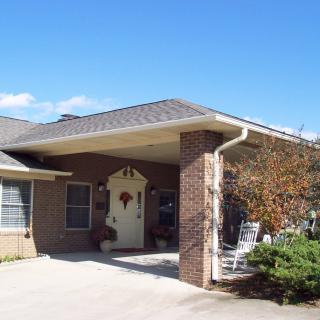
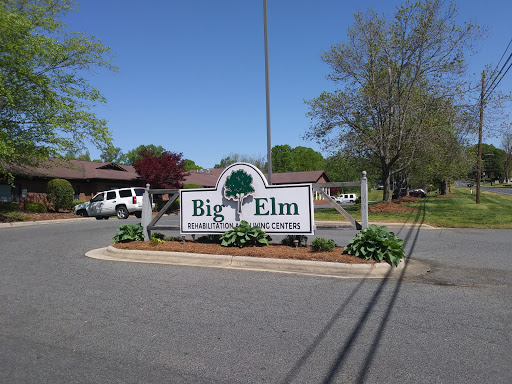
    Entrance to a rehabilitation facility with a sign displaying its name.
  • Decor

    A creatively decorated car trunk designed to look like a playful monster.
  • Landscaping

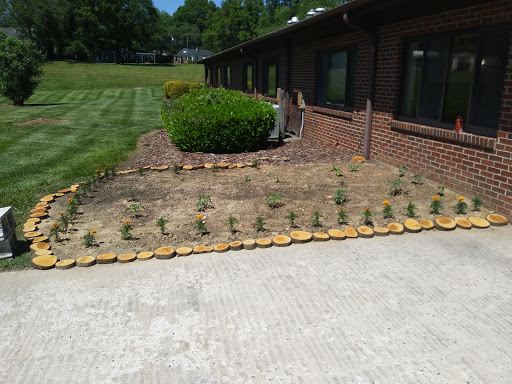
    A freshly landscaped garden featuring a flowerbed with small plants and neatly trimmed bushes near a residential building.
  • Kitchen

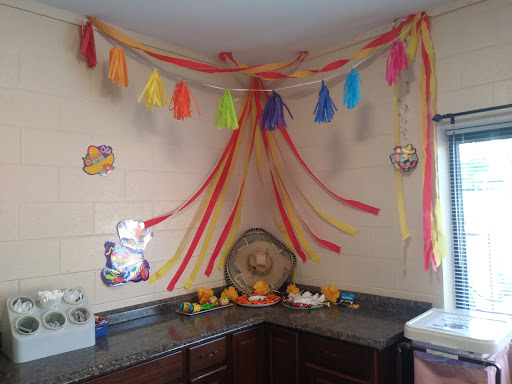
    A vibrant corner of the kitchen adorned with colorful tassel decorations, perfect for a festive atmosphere.
  • Outdoor

    Entrance sign for Big Elm, marking a community or recreational area.
  • Healthcare

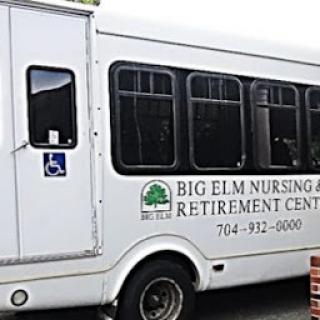
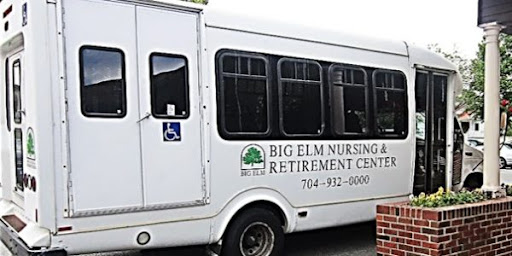
    A transportation bus for Big Elm Nursing and Retirement Center, featuring accessibility options.

Big Elm Retirement And Nursing Centers in Kannapolis, NC

Information last verified:

1285 West A Street, Kannapolis, NC 28081

For more information about senior living options: (844) 490-3973

2.8 from 32 reviews
5 stars
13
4 stars
1
3 stars
1
2 stars
2
1 stars
15

Overall Review of Big Elm Retirement And Nursing Centers

Pros

  • pro The staff provided incredible care to residents and their families.
  • pro Each team member contributed to bringing comfort during the most difficult days.
  • pro Comfort trays, blankets, and consistent compassion were offered by the staff and will not be forgotten.
  • pro Residents appeared happy during visits, a testament to the quality of care.
  • pro They treated loved ones with dignity, kindness, and humanity.
  • pro The rehab services were excellent, with supportive, accommodating staff.
  • pro The facility was consistently described as clean and well-maintained, with recently renovated rooms.
  • pro Individual staff members, such as Vickie, were praised for being kind and helpful.

Cons

  • pro The facility is dirty and unclean, with roaches and bedbugs reported in the rooms.
  • pro The administration is described as money-focused, even evicting residents who cannot pay.
  • pro The food is largely inedible, with some meals deemed not fit for human consumption.
  • pro The nursing staff is criticized as lazy and untrained, often not listening to family input, and some doctors are seen as incompetent.
  • pro One reviewer states the center contributed to a loved one’s death by dehydration and septicemia, calling the place a dump.
  • pro Communication from administration is terrible, and high turnover due to poor management undermines patient care.
  • pro The building is outdated, with peeling paint, small rooms, and little privacy.
  • pro Residents are not bathed regularly and safety/hygiene practices are neglected.
  • pro Staff are described as abusive or negligent at times, including shouting at residents and failing to address basic needs.

Review

Big Elm Retirement And Nursing Centers in Kannapolis, North Carolina is best suited for families who prize hands-on, patient-centered care from frontline staff and who can actively participate in a resident’s rehab journey. The community runs a practical, rehab-focused operation where nurses, aides, therapists, and even cafeteria staff contribute to daily stability and small but meaningful improvements. For a short-term rehab stay, and for families prepared to stay engaged, questioning progress, coordinating with therapists, and monitoring daily routines, the care teams often deliver warmth, reassurance, and steady attention that translates into real progress. This is not a luxury setting; compassion sits beside hard work. Those able to tolerate inconsistent administrative communication and an aging, sometimes imperfect physical plant may still experience genuinely humane care that makes a noticeable difference in everyday life.

The strongest, most repeatable positives revolve around the people delivering day-to-day care. Reviewers repeatedly credit frontline staff, nurses and aides, for kindness, attentiveness, and a willingness to go the extra mile even when staffing is imperfect. Short-term rehab patients in particular benefit from hands-on attention, and several accounts highlight progress in therapy and thoughtful, personal support from the rehab team. The support staff, including cafeteria workers, are described as courteous and comforting, contributing to a sense of dignity during a stressful period. A subset of residents notes that newly renovated rooms and a generally clean environment on certain days bolster overall impressions. When staff are present and engaged, the resident experience can be markedly improved, offering real emotional and functional lift.

However, administration and operational consistency are persistent weaknesses. Several reviews flag communication gaps between leadership and frontline care, with turnover seen as a constraint that leaves families feeling out of the loop about needs and evolving plans. Short-staffing amplifies these issues, as caregivers are spread thin and families wait for updates or responses. The facility’s physical state is also a recurring concern: reports of peeling paint, odors, and even bed bugs or roaches have appeared, alongside complaints about cramped rooms and limited privacy. Some families contend with outdated infrastructure and a sense that basic maintenance and timely housekeeping do not always meet expectations. Financial and billing concerns further complicate the decision, with fears that non-payment could lead to an abrupt discharge, adding a layer of stress to an already fragile situation.

Yet the redeeming quality remains the people who show up each day. The same staff praised for warmth and attentiveness are often the ones who navigate the chaos with grace, advocating for residents and communicating with families during the rough days. There are concrete examples of successful rehabs, wound care, and timely nursing interventions that helped residents regain function and avoid regression. In practice, compassionate care and patient attention can offset some organizational gaps, especially when a resident’s health trajectory is manageable with consistent, hands-on support. The overall narrative: rural warmth and personal connection can coexist with facilities that feel strained, provided families are prepared to engage and push for clear follow-through.

Those evaluating Big Elm should align expectations with the realities described in the reviews. If pristine surroundings, flawless communication, and consistently full staffing are non-negotiables, alternatives should be pursued. A focused tour is essential, with attention to cleanliness, room conditions, and privacy, not just common areas. Prospective families should request current staff-to-patient ratios, meet the administrator or director of nursing to gauge responsiveness, and review the latest state inspection findings for context. It’s sensible to test the rehab program’s structure, confirm that therapists have adequate time for meaningful progression, and verify reliable coverage on weekends and holidays. In short, the decision hinges on whether genuine care from committed staff can compensate for administrative volatility and facility shortcomings.

Bottom line: Big Elm offers a caring, hands-on rehab and daily-support environment that can work well for families willing to advocate and tolerate notable gaps in management, maintenance, and communication. For others, those who demand consistently spotless facilities, transparent operations, and unwavering staffing, alternative communities may deliver greater confidence and peace of mind. The prudent course is to visit with a targeted checklist, observe operations during a typical weekend, interview current residents and families, and confirm that the care philosophy, safety standards, and administrative responsiveness align with expectations. When those conditions are met, Big Elm can be a humane, effective bridge for rehabilitation and routine senior living; when they aren’t, a different community will likely offer steadier assurance and better long-term confidence.

Features

Housing

  • 50 resident community capacity 50 resident community capacity

Types of Care

  • Skilled Nursing Facility Skilled Nursing FacilitySkilled Nursing Facilities are crucial for seniors as they provide round-the-clock medical care, rehabilitation services, and assistance with daily activities. These facilities ensure that seniors receive the specialized care they need to maintain their health and well-being as they age.

Amenities

  • Beauty salon Beauty salonBeauty salons are important for seniors because they provide a space for them to feel pampered, socialize, and maintain their personal grooming and hygiene. Regular visits to a beauty salon can help boost seniors' self-esteem and overall well-being.
  • Cable or satellite TV Cable or satellite TVCable or satellite TV is important for seniors because it provides entertainment, news, and companionship, helping to combat loneliness and boredom. It also offers a wide range of programming options tailored to different interests and preferences.
  • Dining room Dining roomDining rooms are important for seniors as they provide a space for socialization, connection, and nutritious meals. They offer opportunities for residents to bond over shared meals, foster a sense of community, and promote healthy eating habits. Dining rooms also ensure that seniors have access to well-balanced meals tailored to their dietary needs and preferences.
  • Fully furnished Fully furnishedFully furnished senior living communities are important for seniors because they provide convenience, comfort, and a hassle-free moving experience. Seniors can easily settle into their new living space without the stress of having to buy and move furniture. This allows them to focus on enjoying their new home and community.
  • Garden GardenGardens are important for seniors as they provide a peaceful and therapeutic environment for relaxation, physical activity, and socialization. Being in nature has been shown to reduce stress, improve mood, and promote overall well-being. Gardens also offer opportunities for seniors to engage in gardening activities, which can improve mobility, flexibility, and cognitive function. Additionally, gardens create a sense of community and connection with others who share a passion for plants and outdoor spaces.
  • Housekeeping services Housekeeping servicesHousekeeping services are important for seniors because they help maintain a clean and safe living environment, promote independence, and reduce the risk of accidents or illnesses. Additionally, having assistance with household chores can alleviate physical strain and allow seniors to focus on other aspects of their well-being.
  • Kitchenette KitchenetteKitchenettes are important for seniors living in senior living communities because they provide the convenience and independence of being able to prepare simple meals and snacks in the comfort of their own living space. This can help promote a sense of autonomy and well-being for seniors, allowing them to maintain some level of control over their dietary choices and daily routines.
  • Move-in coordination Move-in coordinationMove-in coordination is important for seniors because it helps ease the transition into their new living environment. It ensures that all logistics, such as packing, organizing movers, and setting up utilities are taken care of, allowing seniors to focus on settling in and adjusting to their new home. Having a smooth move-in process can alleviate stress and anxiety, making the transition smoother and more enjoyable for seniors.
  • Outdoor space Outdoor spaceOutdoor spaces are important for seniors as they provide opportunities for physical activity, social interaction, exposure to natural light and fresh air, and a sense of connection to nature. Having access to outdoor spaces can improve overall well-being and quality of life for older adults living in senior communities.
  • Restaurant-style dining Restaurant-style diningRestaurant-style dining is important for seniors because it allows them to enjoy delicious, nutritious meals in a social and upscale setting. This enhances their dining experience, promotes healthy eating habits, and fosters socialization with fellow residents, ultimately contributing to their overall well-being and quality of life.
  • Small library Small librarySmall libraries are important for seniors as they provide access to a variety of reading materials, including books, newspapers, and magazines. This can help stimulate their minds, keep them engaged, and provide a sense of community through book clubs and other social activities. Additionally, reading has been shown to improve cognitive function and overall mental well-being in older adults.
  • Telephone TelephoneTelephones are important for seniors as they provide a lifeline for communication with loved ones, emergency services, and healthcare providers. They offer a sense of security and independence, enabling seniors to stay connected and access assistance when needed.
  • Wi-Fi/high-speed internet available Wi-Fi/high-speed internet availableWi-Fi/high-speed internet is important for seniors to stay connected with loved ones, access online resources, and participate in virtual activities to combat feelings of loneliness and isolation. It also allows them to easily manage healthcare needs, access entertainment, and engage in lifelong learning opportunities.

Care Services

  • 24-hour call system 24-hour call system24-hour call systems are important for seniors because they provide peace of mind and immediate assistance in case of emergencies. This technology ensures that help is always available, promoting safety and security for elderly individuals living alone or in assisted living facilities.
  • 24-hour supervision 24-hour supervision24-hour supervision is important for seniors to ensure their safety, well-being, and access to immediate assistance in case of emergencies or health issues. This constant support provides peace of mind for both seniors and their loved ones, allowing them to age in place with dignity and security.
  • Activities of daily living assistance Activities of daily living assistanceActivities of daily living assistance are important for seniors because they provide essential support with tasks such as eating, bathing, dressing, and mobility. This assistance helps seniors maintain their independence, dignity, and overall quality of life as they age.
  • Assistance with bathing Assistance with bathingAssistance with bathing is crucial for seniors as it helps maintain personal hygiene, prevents infections, and ensures their overall well-being and comfort. It also provides a sense of dignity and independence for seniors who may struggle with this task on their own.
  • Assistance with dressing Assistance with dressingAssistance with dressing is important for seniors because it helps maintain their independence, promotes personal hygiene, prevents accidents and injuries, and improves overall quality of life. This service ensures that seniors can continue to dress comfortably and confidently, despite any physical limitations they may have.
  • Assistance with transfers Assistance with transfersAssistance with transfers is crucial for seniors as it helps prevent falls and injuries, maintains their independence, and ensures they can safely navigate their living environment. It also provides peace of mind for both seniors and their loved ones.
  • Diabetes diet Diabetes dietA diabetes diet is crucial for seniors as it helps manage blood sugar levels, reduce risks of complications, and improve overall health and well-being. By following a balanced and nutritious diet tailored to their specific needs, seniors can better control their diabetes and enhance their quality of life.
  • Meal preparation and service Meal preparation and serviceMeal preparation and service are crucial for seniors as they may have limited mobility or energy to cook nutritious meals. Having access to healthy and convenient food options can ensure they are getting the proper nutrition needed to maintain their overall health and well-being.
  • Medication management Medication managementMedication management is crucial for seniors to ensure they are taking the right medications at the correct dosages and times. This helps prevent adverse drug interactions, reduces the risk of medication errors, and promotes overall health and well-being. Proactive management also allows for adjustments as needed based on changing health conditions or new prescriptions.
  • Mental wellness program Mental wellness programMental wellness programs are essential for seniors as they promote cognitive stimulation, emotional support, and social engagement. These programs help prevent isolation, depression, and cognitive decline, ultimately enhancing the overall quality of life for older adults.
  • Special dietary restrictions Special dietary restrictionsSpecial dietary restrictions are important for seniors because age-related changes in metabolism and health conditions can make it difficult for their bodies to process certain foods. By following a diet tailored to their specific needs, seniors can maintain their overall health and well-being, manage chronic conditions, and reduce the risk of complications such as malnutrition or food interactions with medications.

Dining

  • Diabetes diet Diabetes dietA diabetes diet is crucial for seniors as it helps manage blood sugar levels, reduce risks of complications, and improve overall health and well-being. By following a balanced and nutritious diet tailored to their specific needs, seniors can better control their diabetes and enhance their quality of life.
  • Special dietary restrictions Special dietary restrictionsSpecial dietary restrictions are important for seniors because age-related changes in metabolism and health conditions can make it difficult for their bodies to process certain foods. By following a diet tailored to their specific needs, seniors can maintain their overall health and well-being, manage chronic conditions, and reduce the risk of complications such as malnutrition or food interactions with medications.

Activities

  • Community-sponsored activities Community-sponsored activitiesCommunity-sponsored activities are important for seniors as they provide opportunities for social interaction, mental stimulation, and physical activity. These activities can help improve overall well-being, combat loneliness and isolation, and promote a sense of belonging and purpose among older adults.
  • Resident-run activities Resident-run activitiesResident-run activities are important for seniors as they encourage social interaction, creativity, and a sense of autonomy. These activities empower seniors to stay engaged and active in their community while fostering meaningful connections with their peers.
  • Scheduled daily activities Scheduled daily activitiesScheduled daily activities are important for seniors because they provide structure, socialization, mental stimulation, and physical activity. Engaging in regular activities can improve overall well-being and quality of life for seniors living in a community setting.

Description

Big Elm Retirement and Nursing Centers in Kannapolis, NC offers a vibrant assisted living community for seniors looking for a comfortable and enjoyable retirement experience. The community provides a wide range of amenities to enhance residents' lifestyles.

Residents can relax in their fully furnished apartments that come with cable or satellite TV, Wi-Fi/high-speed internet, and telephone services. They can also enjoy the beautiful outdoors with access to outdoor spaces and gardens. For meals, residents can dine in the restaurant-style dining room, where delicious and nutritious meals are served. Special dietary restrictions are also accommodated.

Housekeeping services ensure that residents have clean and tidy living spaces. Move-in coordination makes the transition into the community seamless and stress-free. Additionally, a small library is available for those who enjoy reading.

The care services at Big Elm Retirement and Nursing Centers provide support and assistance with activities of daily living such as bathing, dressing, and transfers. Trained staff members are available 24/7 to provide supervision and assist residents when needed. Medication management ensures that residents receive their medications on time.

To promote mental wellness, a mental wellness program is offered to engage residents in stimulating activities. Resident-run activities allow individuals to actively participate in planning events according to their interests. Scheduled daily activities provide opportunities for socialization, entertainment, and personal growth.

Overall, Big Elm Retirement and Nursing Centers is dedicated to providing a comfortable environment where seniors can thrive with assistance tailored to their needs.

Nearby Places of Interest

Parks

  • Dorton Park (7.6 miles)
  • J.W. Mc Gee, Jr Park (7.9 miles)
  • Frank Liske Park (10.5 miles)
  • Glen Oak Green Park (13.2 miles)

Physicians

  • Weddington Internal Medicine and Pediatrics (7.7 miles)
  • Suburban Pediatrics (8.9 miles)
  • Southern Family Medicine (10.6 miles)
  • All Generations Audiology (10.6 miles)
  • Piedmont Healthcare (10.7 miles)
  • Tall Oaks Family Practice (11.4 miles)
  • Davidson Family Medicine (12.2 miles)

Pharmacies

  • Cannon Pharmacy (8.2 miles)
  • CVS Pharmacy (8.9 miles)
  • Healthsmart Pharmacy (10.9 miles)
  • CVS Pharmacy (11.1 miles)
  • CVS Pharmacy (12.2 miles)
  • Cannon Pharmacy Salisbury (12.4 miles)
  • Walgreens (12.4 miles)

Places of Worship

  • Liberty Baptist Church (9 miles)
  • First Presbyterian Church (11.3 miles)
  • Cove Church (12.4 miles)
  • St Therese Catholic Church (13 miles)

Transportation

  • Concord Regional Airport (JQF) (USA) (9.8 miles)
  • Amtrak (14.2 miles)

Theaters

  • AMC Concord Mills 24 (11.2 miles)
  • AmStar 14 - Mooresville Theatre (13.6 miles)

Cafes

  • Urban Grind Roasters - Artisan Coffee (11.3 miles)
  • Starbucks (11.9 miles)
  • Starbucks (12.8 miles)
  • Clutch Coffee Bar (12.9 miles)
  • Starbucks (13.3 miles)

Restaurants

  • Olive Garden (11.7 miles)
  • Kindred Restaurant (12.2 miles)
  • Ichiban Japanese Seafood (12.2 miles)
  • Wendy's (12.2 miles)
  • Culver's (12.3 miles)
  • D9 Brewing Company (12.6 miles)
  • McDonald's (12.7 miles)

Frequently Asked Questions

Where is Big Elm Retirement And Nursing Centers?
What photos are available for Big Elm Retirement And Nursing Centers in Kannapolis, North Carolina?

Nearby Communities

  • Big Elm Rehab and Living Centers

    Big Elm Rehab and Living Centers

    Kannapolis, NC

    2 from 2 reviews
    $2,425 to $3,364 / month

    pro Varied care options with dedicated staff.


  • Kannon Creek Assisted Living

    Kannon Creek Assisted Living

    Kannapolis, NC

    1.5 from 11 reviews
     

    pro Comprehensive amenities and 24/7 supervision with transportation and wellness programs

  • Kannapolis Village

    Kannapolis Village

    Kannapolis, NC


    pro Personalized care with diabetic support and engaging activities.

  • Best of Care Assisted Living

    Best of Care Assisted Living

    Kannapolis, NC

    4 from 27 reviews
    $3,500 to $3,700 / month

    pro Clean, home-like setting with friendly, attentive staff and homemade meals.

  • Best Of Care Family Care Home

    Best Of Care Family Care Home

    Kannapolis, NC

    4 from 7 reviews
     

    pro Small, personalized board-and-care with meals and on-site activities.

  • Villas at Forest Park

    Villas at Forest Park

    Kannapolis, NC

    2 from 4 reviews
     

    pro Supports independence with flexible care services, dining options, and social activities.

  • The Landings of Cabarrus

    The Landings of Cabarrus

    Kannapolis, NC

    3.6 from 25 reviews
    $1,685 / month

    pro Relaxed atmosphere with walking spaces, all-inclusive pricing, and attentive staff.

  • The Living Center Of Concord

    The Living Center Of Concord

    Concord, NC

    3.2 from 57 reviews
    $2,200 to $3,000 / month

    pro Friendly, attentive staff with affordable care and on-site dining/activities.

  • The Haven in Highland Creek

    The Haven in Highland Creek

    Charlotte, NC

    3.5 from 22 reviews
    $4,835 to $5,645 / month

    pro Beautiful, well-maintained grounds with a neighborhood layout and dedicated dining/activities areas.

Related Resources

  • weight training for seniorsWeight Training for Seniors: Building Strength and Vitality

    Weight training is vital for seniors to maintain muscle mass, bone density, and overall health, combating age-related declines through customized resistance exercises that enhance balance and well-being. Safe routines should start with realistic goals and proper form, while emphasizing gradual progress and consultations with healthcare providers to ensure safety and effectiveness.

  • what does the sandwich generation meanUnderstanding the Sandwich Generation: Stress and Responsibilities for Multigenerational Caregivers

    The Sandwich Generation comprises adults managing the dual responsibilities of caring for aging parents and raising children, leading to significant emotional, logistical, and financial challenges. This situation is exacerbated by longer life expectancies and cultural expectations, necessitating effective coping strategies and support resources to alleviate caregiver stress and burnout.

  • assistive devices for elderly8 Essential Assistive Devices for Older Adults

    The article highlights eight essential assistive devices that improve the independence and safety of older adults, addressing issues related to mobility, balance, vision, hearing, and dexterity. It emphasizes the importance of proper selection guided by healthcare professionals to enhance seniors' quality of life while allowing them to age in place.