





5920 McChesney Drive, Charlotte, NC 28269
To contact a resident: (704) 992-1560
For more information about senior living options: (866) 208-4318
The Haven in Highland Creek Costs & Pricing
At The Haven in Highland Creek, the monthly costs for room types reflect a premium offering compared to both Mecklenburg County and the broader state of North Carolina. For a semi-private room, residents can expect to pay $4,835, which is notably higher than the county average of $4,191 and the state average of $3,584. Similarly, studio accommodations are priced at $5,645, surpassing both the county's median of $3,941 and North Carolina's average of $4,020. These costs underscore The Haven's commitment to providing exceptional care and services within a welcoming environment, positioning it as a desirable choice for those seeking quality assisted living options in the region.
| Floor plans | The Haven in Highland Creek | Mecklenburg County | North Carolina |
|---|---|---|---|
| Semi-Private | $4,835 | $4,191 | $3,584 |
| Studio | $5,645 | $3,941 | $4,020 |
Memory care communities with a similar price nearby
-
About the same

Morningside of Concord
$4,700 to $6,000 / month9.9 miles away -
from -$510 / mo
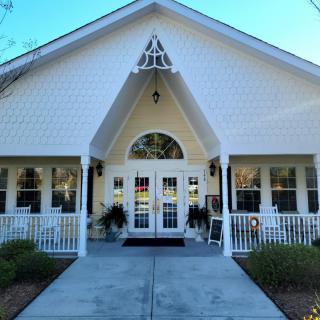
Cadence at Mooresville
$4,325 to $7,790 / month12.6 miles away -
from +$365 / mo

The Charlotte
$5,200 to $7,800 / month21.3 miles away -
from -$335 / mo
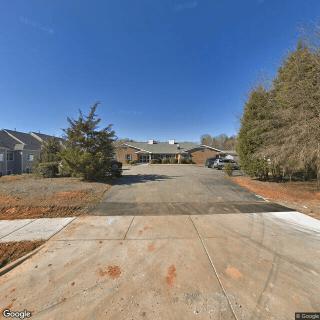
Preston House I, LLC
$4,500 / month4.8 miles away -
from +$275 / mo

Brookdale Concord Parkway
$5,110 to $6,425 / month7.7 miles away
Overall Review of The Haven in Highland Creek
Pros
 The Haven’s team is consistently kind, compassionate, and top-notch in care.
 - The staff were extra-incredible during the height of the pandemic, keeping residents safe and communicating proactively with families.
- Families feel seen, heard, and well cared for by the staff from day one.
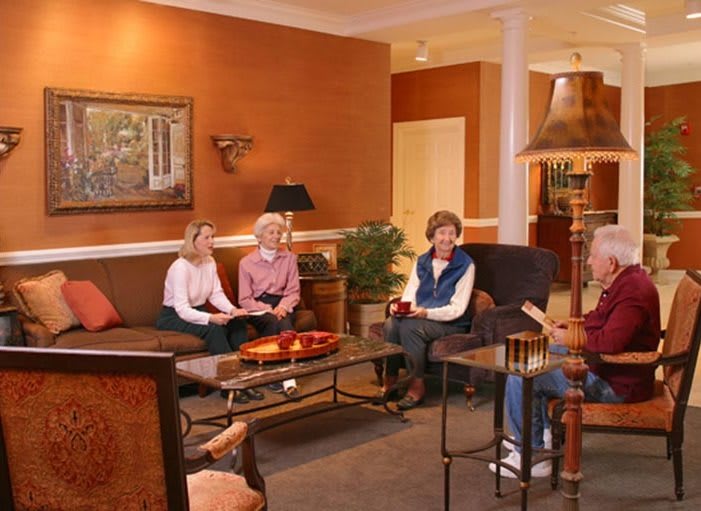
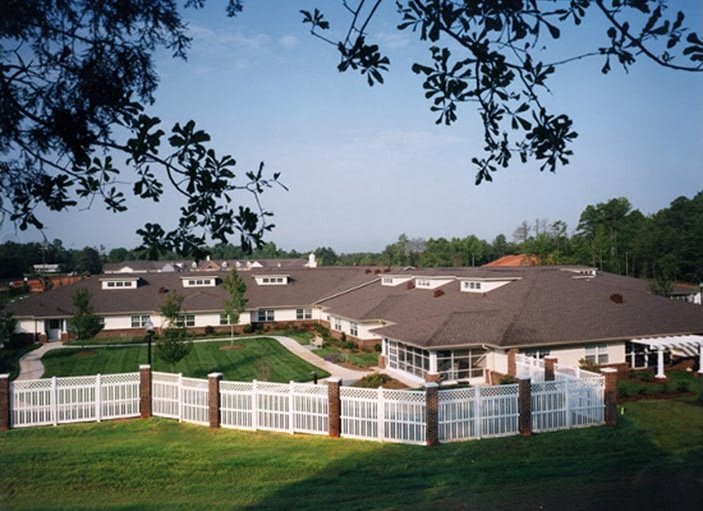
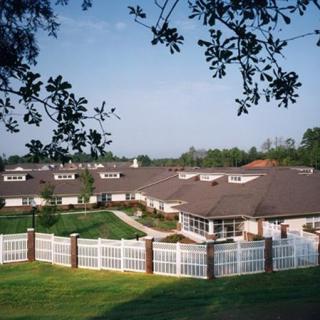
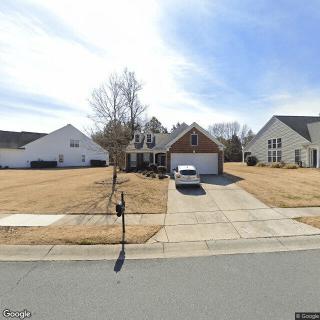
- The facility is beautiful, well maintained, and organized into three separate neighborhoods that feel like a welcoming community.
- The activities director is fantastic, with person-centered programs that actively engage residents.
- The memory care programs are tailored to Alzheimer’s and dementia, showing understanding and effective care.
- The staff are sincerely caring and supportive of family members, creating a sense of community.
Cons
 It is reported that workers’ cars are broken into, with no action to protect staff safety, and claims of no cameras or proper exterior lighting.
 - There is a chronic shortage of staff, leaving caregivers stretched thin and unable to provide adequate care.
- Filthy air vents with mold and dust buildup, along with stale airflow, create a serious health hazard.
- The wall colors are overwhelming and visually confusing, inappropriate for Alzheimer’s and dementia patients.
- There is no registered nurse present during visits, raising concerns about medical oversight.
- The corporate leadership is described as prioritizing profits over people, with staffing and maintenance neglected.
- Residents have suffered multiple falls and injuries due to neglect.
Review
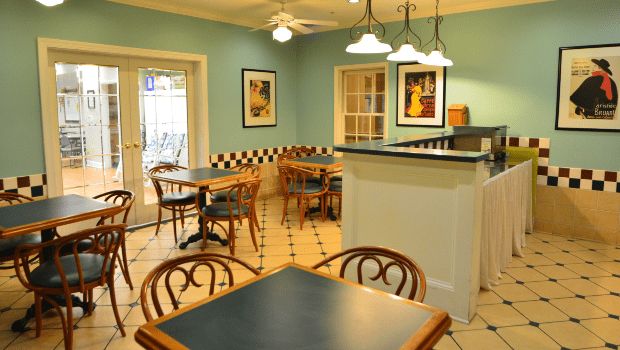
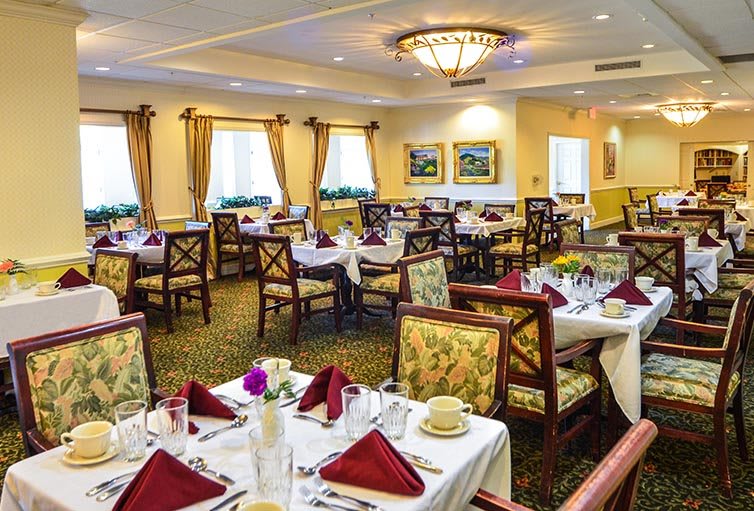
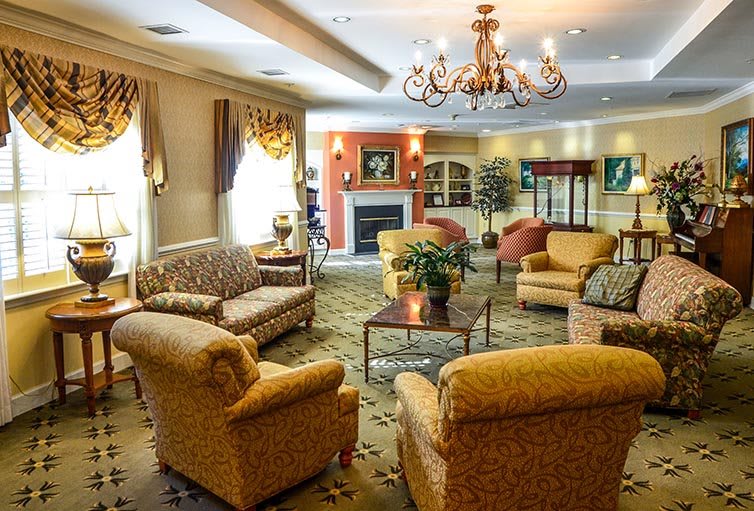
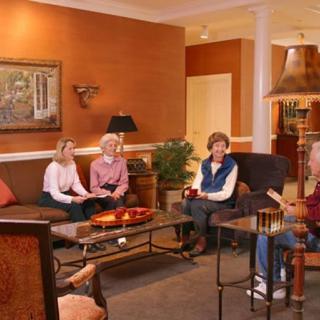
The Haven in Highland Creek is best suited for families who prize a warm, neighborly atmosphere with a clear emphasis on memory-care and structured, person-centered programming. The community’s appeal lies in its three-neighborhood layout, dedicated dining and activity spaces, and programs designed to keep residents engaged through field trips and everyday enrichment. For families able to invest in a higher-end option, the setting can feel intimate and community-driven, with caregivers who are capable of providing attentive, compassionate interaction when staffing is adequate. In short, this is a fit for memory-care oriented residents who respond well to a tangible sense of home, robust family involvement, and an environment that emphasizes personalized activities and continuity of relationships over sterile efficiency.
That said, serious caveats push some prospective residents toward alternatives. A pattern of concerns runs through multiple accounts: staffing appears stretched, with too few hands on the floor to meet care needs consistently; reports of limited or inconsistent RN oversight are alarming. Maintenance and cleanliness are recurring issues, including air quality and mold in vents, and even basic hygiene lapses during meals. The lack of visible leadership and gaps between corporate priorities and daily care create a perception that profits may trump resident safety. Add in exterior safety worries for staff and the perception of high turnover, and the calculus becomes sharper: for families prioritizing rigorous safety, transparent governance, and consistently pristine conditions, other options should be explored.
The strongest positives center on the on-ground experience: genuinely caring caregivers who try their best within strained conditions, a memory-care focus that resonates with families, and an active calendar that keeps residents engaged. Families praise the activities director for meaningful, person-centered programming and note that residents enjoy regular involvement and occasional outings. The campus aesthetics and the sense of a connected, family-like community also come up repeatedly as standout features. When staffing aligns with resident needs, this can translate into moments of real quality of life, where residents feel seen, included, and connected to both staff and family members who visit frequently.
Yet the list of cons is hard to ignore, and they often dominate the overall impression. The most troubling issues involve staffing adequacy and oversight: insufficiency on the floor leads to observed care gaps, with reports of falls and injuries attributed to neglect or delayed response. Cleanliness problems extend beyond occasional lapses to systemic concerns, including dirty bathrooms and residents not being properly cared for or dressed. Medical oversight is questioned by the absence of a standing RN, and state-level findings in 2025 highlighted staffing and supervision shortfalls significant enough to suspend admissions and issue fines. These factors feed a risk narrative: even when the care team is kind, the environment can deteriorate quickly under elevated patient loads and reduced supervision, making sustained reliability uncertain.
Cost and value intersect this decision with a blunt edge. Semi-private rooms run in the mid-$4,000s per month, with private rooms climbing into the mid-$5,000s, plus ongoing care charges. Location and a campus designed around neighborhood living are undeniable pluses for those who can absorb the premium. However, the combination of potential safety vulnerabilities, inconsistent staffing, and maintenance shortcomings means price alone cannot justify the risk for many families. For some, the value lies in a hopeful trajectory, where leadership commitments translate into measurable improvements and staff stability, but for others, the risk of recurring incidents or subpar oversight makes the investment hard to defend.
The practical path for families weighing this community is decisively clear. Visit multiple times, across different days and times, to observe actual staffing patterns, response times, and how meals are supervised. Demand a transparent briefing on RN coverage and 24/7 supervision, review the latest state reports and any corrective actions, and ask hard questions about air quality maintenance, housekeeping protocols, and incident logs. Request the current schedule of activities led by the director of memory care and speak directly with residents’ families about consistency of care and communication. If Medicaid planning is a consideration, confirm the facility’s approach to financial assistance and what is included in “care” beyond room and board. These checks will reveal whether The Haven can deliver the compassionate care and structured engagement it promises in a reliably safe framework.
In the end, The Haven offers a compelling, warmth-filled option for memory-care oriented seniors who can tolerate guarded realities about staffing and oversight. For families who demand unwavering safety, consistent RN presence, and spotless day-to-day operations, alternatives should be on the table. The Haven can be a strong choice when leadership commits to closing gaps in staffing and maintenance, and when families are prepared to advocate actively for ongoing quality improvements. If those conditions can be met, the community’s strengths, its genuine, engaged staff, its meaningful activities, and its family-friendly culture, can translate into a truly livable, respectful home for residents who thrive on connection and purpose.
 60 resident community capacity
 Assisted Living
 Memory Care
 Air-conditioning
 Beautician on-site
 Cable or satellite TV
 Computer center
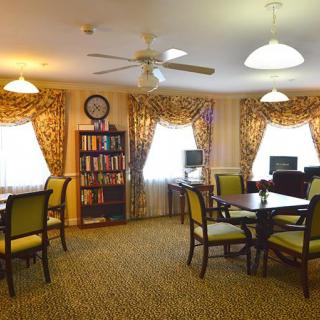
 Dining room
 Fitness room
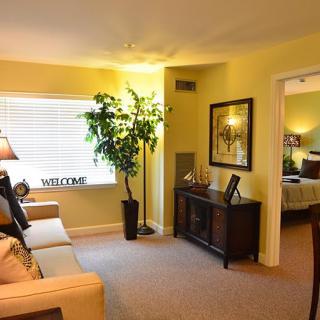
 Fully furnished
 Gaming room
 Garden
 Housekeeping services
 Kitchenette
 Move-in coordination
 Outdoor space
 Private bathrooms
 Restaurant-style dining
 Small library
 Telephone
 Wellness center
 Wheelchair accessible showers
 Wi-Fi/high-speed internet available
 Charlotte Douglas International (16 miles away)
 Community operated transportation
 24-hour call system
 Activities of daily living assistance
 Ambulatory care
 Assistance with bathing
 Assistance with dressing
 Assistance with transfers
 Diabetes diet
 Diabetic care
 Incontinence care
 Medication management
 Mental wellness program
 Special dietary restrictions
 Concierge services
 Planned day trips



 8 Important Indicators That Memory Care May Be Necessary
 Delving into the Inner World of Dementia: Insights into Thoughts and Awareness
 Five Subtle Dementia Indicators to Observe: An In-Depth Guide to Understanding “Does My Mom Have Dementia?”