
1808 North Cannon Boulevard, Kannapolis, NC 28083
For more information about senior living options: (866) 208-4318
Overall Review of Kannon Creek Assisted Living
Pros
 The staff does their best under the circumstances.
- They accept the poorest government-supported individuals or the most with mental problems that other facilities reject.
Cons
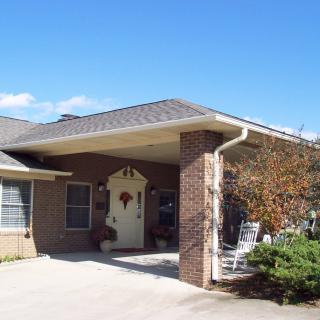
 The facility is described as being in decline, with dirty and poorly maintained buildings.
 - There is a chronic staffing shortage that makes it hard to hire and keep good staff, with underpaid workers and many aides lacking certification.
- The building is said to be near collapse; rooms, bathrooms, and beds are old and neglected, giving the place a horror-movie-like appearance.
- The facility is chronically understaffed, with shifts that can run 24 hours and residents not receiving proper care as a result.
- Management is criticized for inaction and mismanagement, with calls to shut the facility down if improvements aren’t made.
- It is described as filthy, with mold in the bathrooms, rude staff, and substandard food and cleanliness.
- Residents allegedly do not receive timely medications or proper care, and staff may have to supply their own basic items.
- There are serious safety concerns, including delays in medical responses and instances of giving residents medications they are allergic to, with claims of cover-ups.
- The overall impression is that the facility is among the worst in the area, with unsupervised residents and staff who do not act in residents’ best interests.
- The reviews suggest that owners do not care for employees or residents and that the facility should not be trusted to provide adequate care.
Review
Kannon Creek Assisted Living is an option that, in practice, is best avoided for anyone who expects reliable care, safety, and clean, well-maintained surroundings. The community’s track record suggests that only in the most constrained circumstances, when no better choices exist in Kannapolis, might a resident endure the environment. Even then, it demands relentless family oversight, an acceptance of frequent lapses, and a willingness to intervene quickly when problems surface. This is not a facility to trust with minimal supervision or with a loved one who requires steady medical attention; it is a last-resort option at best.
Those who should consider alternatives are primarily families seeking dependable staffing, timely care, and a high standard of cleanliness. Residents with diabetes, complex medication needs, mobility challenges, or behavioral or mental health demands will find the risk profile unacceptable. The reviews consistently flag chronic understaffing, turnover, and low wage pressures that translate into overworked aides and inconsistent care. Food quality, personal hygiene, and routine safety checks are repeatedly described as insufficient, making it hard to rely on daily routines being carried out properly. In short, this is not a setting that inspires confidence for anyone counting on predictable, respectful care.
The limited positives acknowledged across the feedback revolve around the intent of staff members who are trying to do their jobs under extremely trying conditions. The sentiment that “the staff do their best under the circumstances” hints at a genuine, if strained, commitment. Yet this potential upside is quickly overwhelmed by the systemic issues: chronic understaffing, insufficient supplies, and an environment that feels neglected. The few favorable notes do not translate into a reliable daily experience; they reflect a fragile buffer that collapses when patient needs rise or when turnover leaves gaps in coverage.
The core disadvantages are severe and recurrent. Reviewers describe a facility that feels dirty, with rooms and bathrooms in poor repair, and even mold in some areas. Overcrowded rooms, three residents in spaces designed for two, compound safety hazards and diminish ability to deliver individualized attention. The most troubling claims involve medication mismanagement and delayed or missing treatments, with one account alleging a resident suffered fatal consequences due to neglect and miscommunication, followed by troubling efforts to cover up the events. The management tone appears disconnected from frontline realities, with accounts suggesting instability and a lack of accountability that filters down to every shift. Such conditions leave families confronting a stark choice: persistent risk or seeking a different home with stronger oversight and better-reviewed care.
For families considering this community, practical steps are essential. Schedule multiple in-person visits at different times, request to review staff-to-resident ratios, and observe how aides interact with residents under routine tasks. Ask for a transparent medication administration record, a current maintenance log, and evidence of recent health inspections. Compare the feeding and bathing routines against state requirements, and probe for how emergencies are handled, including response times and ambulance coordination. Above all, run a parallel search for other facilities with stronger licensure histories, better staffing stability, and clearer communication channels; use local elder care resources to triangulate the best option within reach.
In the end, Kannon Creek Assisted Living does not present a viable default choice for most seniors. The weight of staffing instability, cleanliness concerns, and the severity of care gaps far outweigh any marginal or episodic positives. If alternatives exist, they should be pursued aggressively. If placement there becomes unavoidable, compel rigorous safeguards: a detailed care plan with measurable targets, scheduled independent oversight, and immediate escalation protocols. For families prioritizing safety, dignity, and dependable daily care, better options exist, and should be pursued without hesitation.
 106 resident community capacity
 Assisted Living
 Air-conditioning
 Beauty salon
 Cable or satellite TV
 Computer center
 Dining room
 Fitness room
 Fully furnished
 Gaming room
 Garden
 Housekeeping services
 Kitchenette
 Move-in coordination
 Outdoor space
 Private bathrooms
 Restaurant-style dining
 Small library
 Telephone
 Wellness center
 Wi-Fi/high-speed internet available
 Community operated transportation
 12-16 hour nursing
 24-hour call system
 Activities of daily living assistance
 Assistance with bathing
 Assistance with dressing
 Assistance with transfers
 Diabetes diet
 Medication management
 Mental wellness program
 Special dietary restrictions
 Concierge services
 Planned day trips





 An Extensive Exploration of the VA Aid and Attendance Benefit
 Senior Transition Services: Understanding Their Role, Cost, and Importance
 Exploring the Path to Senior Living: A Comprehensive Look at Independent Living and Assisted Living