Residents repeatedly describe staff as friendly, responsive, and attentive to daily needs.
Across the reviews, residents and families describe staff who make people feel welcome, keep things moving when issues come up, and treat residents like individuals. Multiple reviewers say they feel safe and well cared for, including when leaving family members in the evenings. Several comments also point to staff going out of their way, including help with apartment concerns and warm follow-ups at care transitions.
common10 reviews mention this
Activities and outings keep residents engaged
The community emphasizes day-to-day engagement with activities, trips, and scheduled programming.
Residents describe a steady flow of things to do, including resident-run and scheduled activities and regular opportunities to stay active. Family members specifically mention outings, trips, and group activities, and one reviewer describes entertainment occurring throughout the month. Reviews also mention community programming and a calendar of activities, reinforcing that engagement is built into daily life rather than offered only sporadically.
common7 reviews mention this
Dining earns frequent praise
Dining is frequently described as very good, with meals that residents look forward to.
Several reviews focus on the food, describing the dining experience in positive terms and citing quality in the dining room. One reviewer highlights that they liked what they saw during a tour, including the menu and a buffet setting. While meal variety isn’t mentioned as a complaint by most, one reviewer does note a difference in meal count, which is the main dining-related caveat.
common6 reviews mention this
Assisted support and rehab care
Residents and families describe reliable help and strong support during assisted living and rehab.
Reviews mention feeling safe and supported with everyday needs, including assistance tied to assisted living and the overall comfort of having care nearby. One family member describes a rehab stay after hip replacement surgery as receiving excellent care throughout the time period. Others describe being able to relax in the evenings because their loved ones were in good hands, reinforcing consistent support beyond day-time activities.
caveat4 reviews mention this
Cost can be a dealbreaker
Some families say the pricing is too high to comfortably afford, even when they like the community.
Multiple reviewers say they could not make it work financially, despite positive impressions of the facilities, people, and services. One comment explains that moving up to a higher level requires additional payment as needs change. Another reviewer calls the place quite expensive, and another adds that affordability and distance together drove their decision away.
How we summarize
Counts show how many written reviews mention each theme; a review can touch several themes, and only frequently mentioned themes are displayed.
Trinity Oaks offers a comprehensive range of memory care services designed to support residents at various stages of dementia or Alzheimer's disease. Assistance with dressing and bathing promotes personal dignity while ensuring that residents feel comfortable and confident in their appearance, which can positively impact their self-esteem. Medication management ensures that residents receive the correct dosages at appropriate times, minimizing confusion and health risks associated with missed medications. Meal preparation and service cater to dietary needs, encouraging proper nutrition while fostering social interaction during communal dining experiences. Activities of daily living assistance helps residents maintain as much independence as possible, promoting cognitive engagement through routine tasks. Support with transfers ensures resident safety during physical movements, reducing the risk of falls. Additionally, 24-hour supervision provides peace of mind for both residents and families by ensuring immediate assistance is available when needed. Lastly, a mental wellness program focuses on cognitive stimulation through tailored activities that encourage socialization and mental engagement, ultimately enhancing the overall quality of life for individuals living with memory challenges.
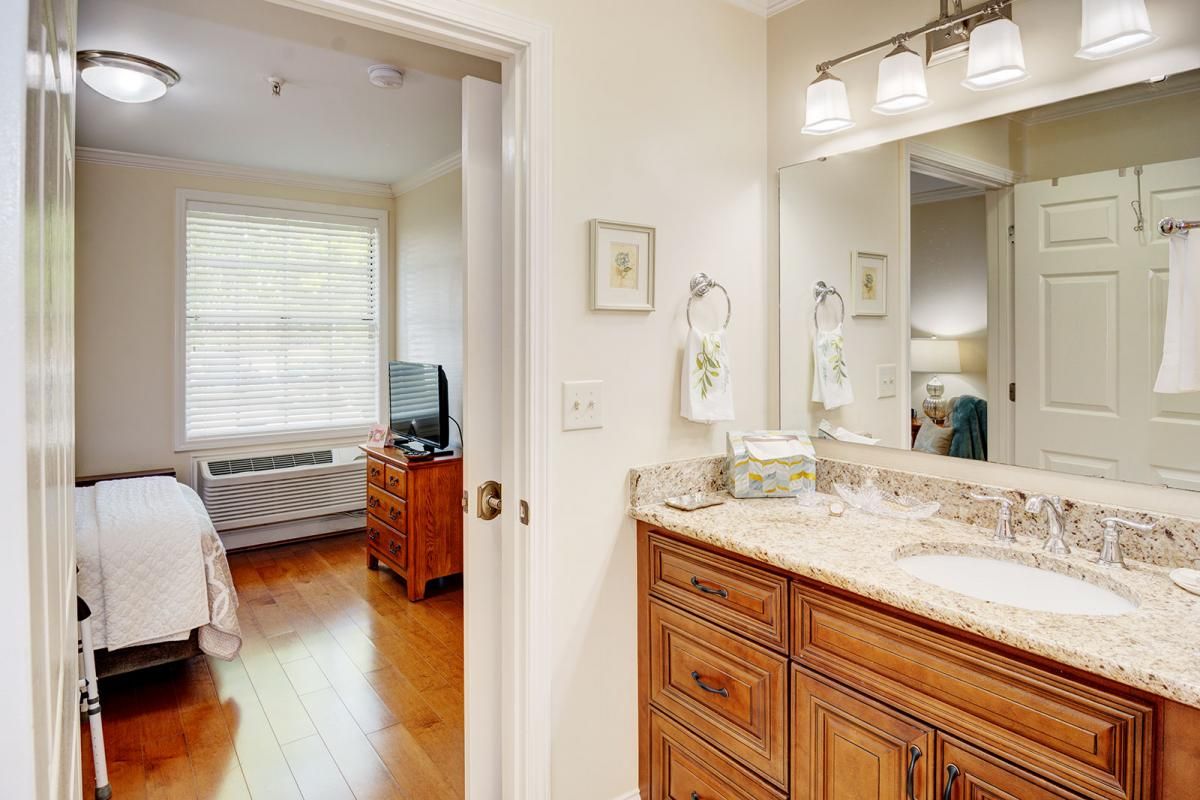
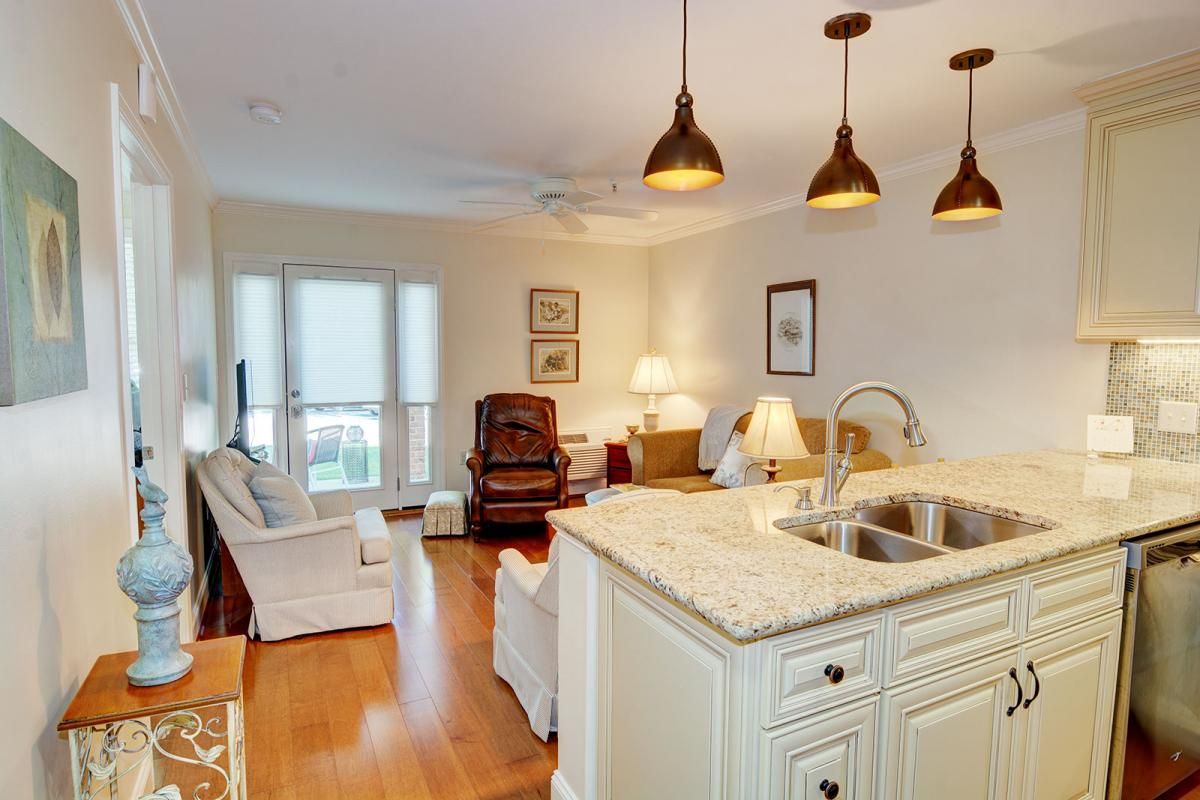
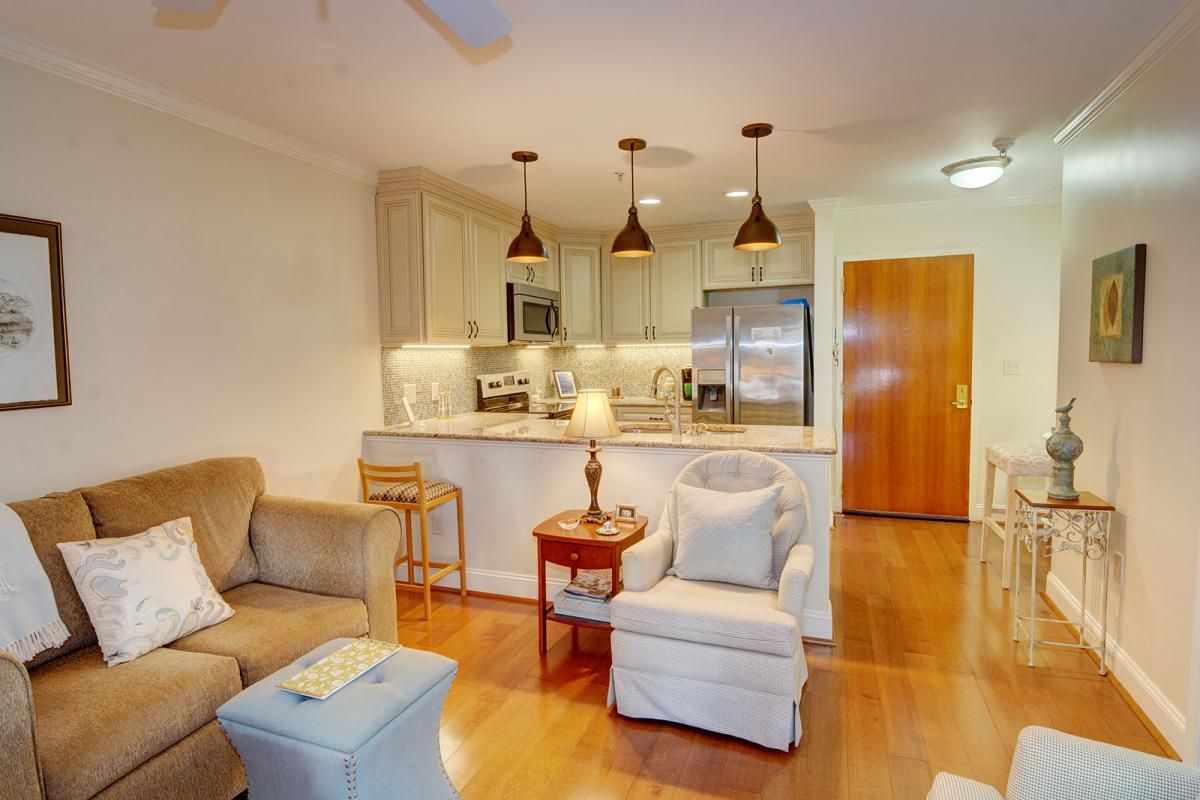
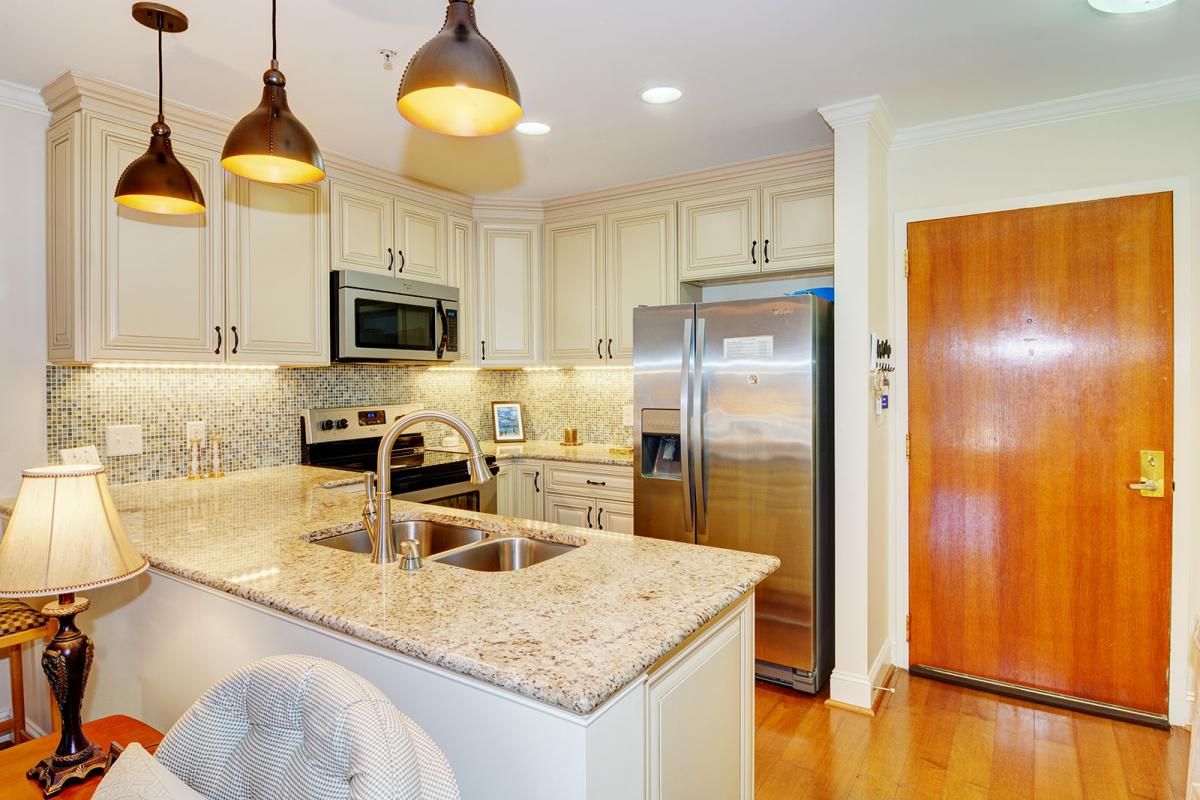
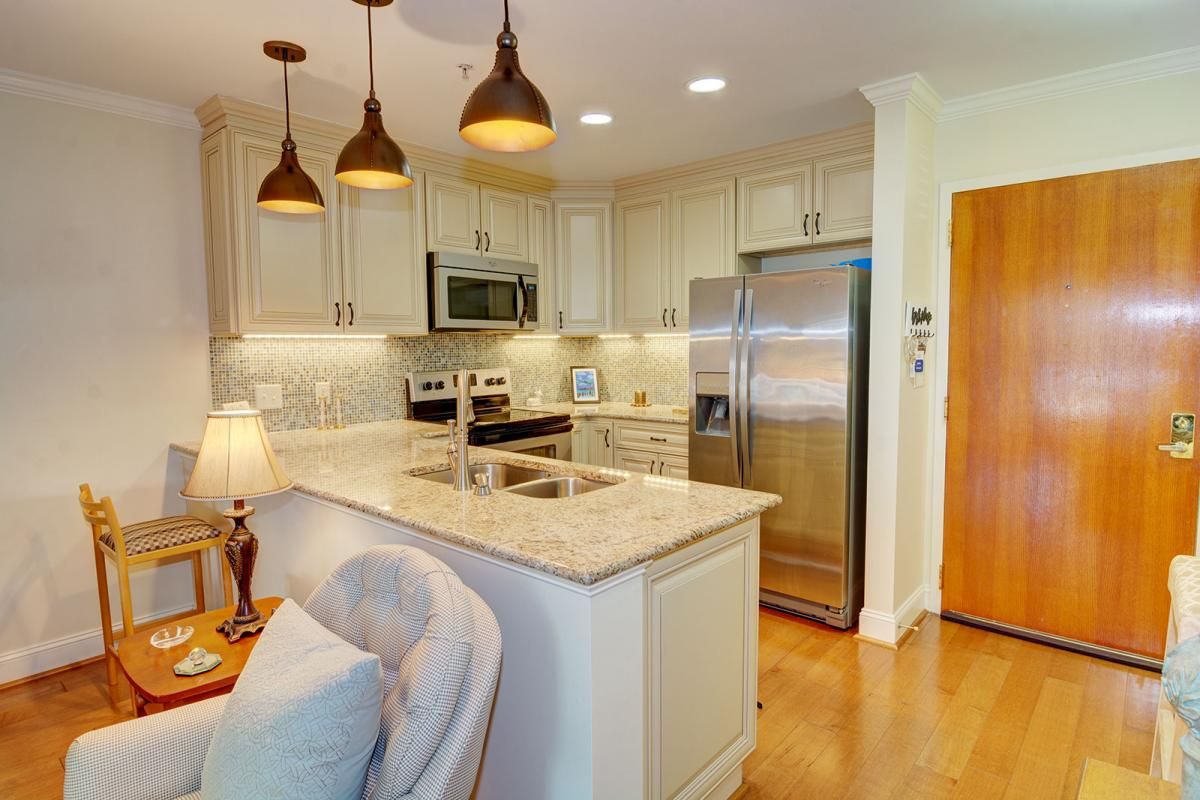
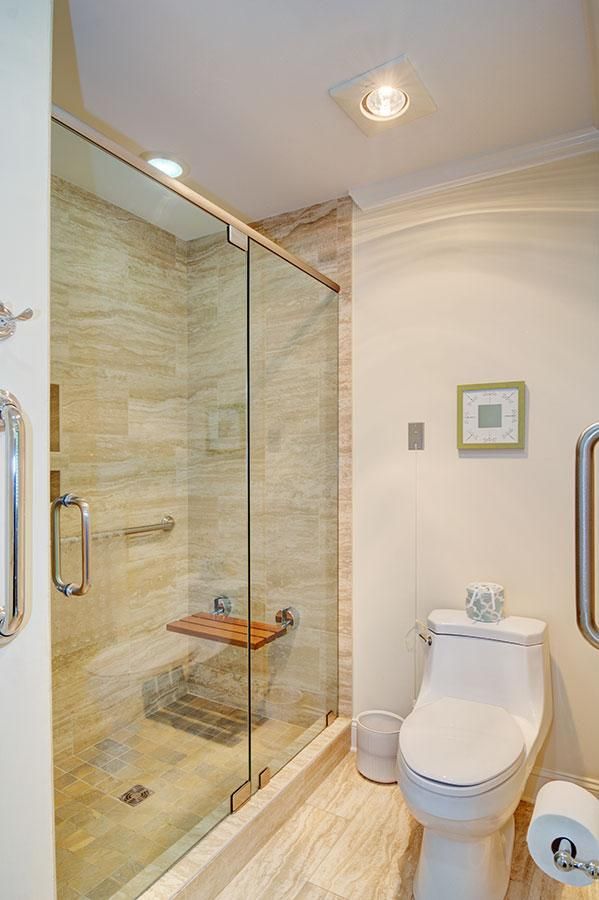
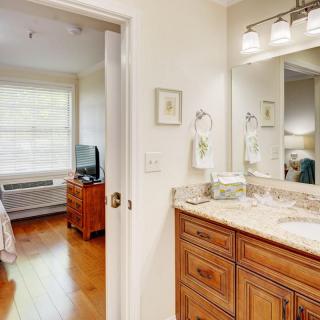
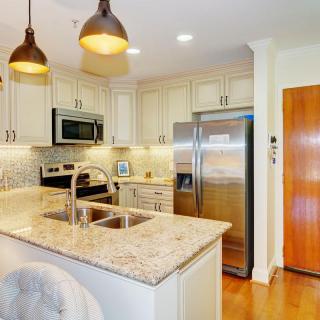
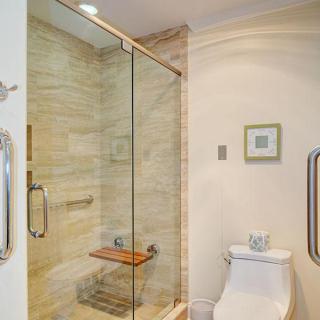
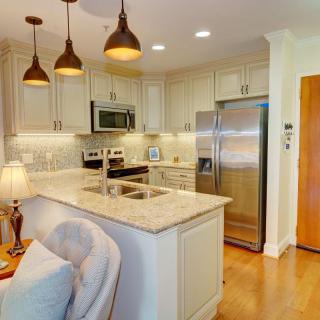
Trinity Oaks on seniors.fyi includes 6 photos including images showing interior, kitchen, bathroom, pendant lights, appliances, lighting, living room, open floor plan, and more.
Nearby Communities
Trinity Oaks, a CCRC
Salisbury, NC
4.7 from 42 reviews
$2,102 to $3,370 / month
Caring, knowledgeable staff and a strong sense of community with extensive, varied activities.
Salisbury Center
Salisbury, NC
3 from 8 reviews
$5,190 to $5,580 / month
Welcoming, professional administrator and well-maintained facility.
Glenn Home Unlimited 1
Salisbury, NC
4.5 from 120 reviews
$3,299 to $5,399 / month
Comprehensive care and amenities in a small, intimate 6-resident setting.
Dementia encompasses a range of cognitive impairments characterized by types such as Alzheimer's and vascular dementia, and follows a seven-stage progression model known as the Global Deterioration Scale (GDS), highlighting varying symptoms and decline timelines. Early detection allows for lifestyle adjustments to potentially slow progression, while caregivers need support and resources to manage the challenges involved in caring for affected individuals.
The article presents eight strategies for preserving cognitive health and memory in older adults, emphasizing a nutrient-rich diet, regular exercise, intellectually stimulating activities, adequate sleep, social connections, stress management techniques, limiting harmful substances, and regular medical checkups to mitigate age-related memory decline.
Activities of Daily Living (ADLs) are fundamental tasks vital for an individual's independence, particularly in older adults over 85, and include functions like bathing and dressing; assessing ADLs alongside Instrumental Activities of Daily Living (IADLs) helps determine the level of required assistance due to age-related health challenges. Tailored support plans, involving family and community resources, are essential for maintaining dignity and autonomy in assisted living environments.
Get PricingAsk A QuestionSchedule A TourContact Senior Advisor
By clicking submit, you agree to our Partner's Terms of Use. You
also consent to receive calls and texts, which may be autodialed, from our Partner. Your consent is not a condition to
using our Partner's service. Please visit our Partner's Privacy Policy for information about their privacy practices.


 22 resident community capacity
 Assisted Living
 Continuing Care Retirement Community (CCRC)
 Independent Living
 Memory Care
 Respite Care
 Beauty salon
 Cable or satellite TV
 Dining room
 Fully furnished
 Garden
 Housekeeping services
 Kitchenette
 Move-in coordination
 Outdoor space
 Private bathrooms
 Restaurant-style dining
 Small library
 Telephone
 Wi-Fi/high-speed internet available
 Community operated transportation
 12-16 hour nursing
 24-hour call system
 Activities of daily living assistance
 Assistance with bathing
 Assistance with dressing
 Assistance with transfers
 Diabetes diet
 Medication management
 Mental wellness program
 Special dietary restrictions
 Fitness programs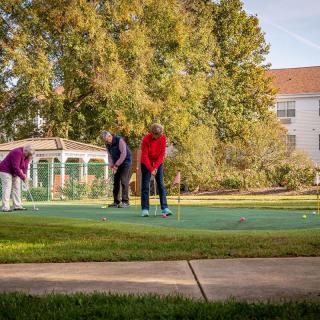
 Caring, knowledgeable staff and a strong sense of community with extensive, varied activities.





 Understanding Dementia Through Its Seven Stages: A Comprehensive Look at Progression and Expectations
 Safeguarding Your Memory Through the Golden Years: Eight Ways to Preserve Cognitive Health
 Comprehensive Insights into Activities of Daily Living (ADLs) and Their Assessment