Liberty Commons Nursing & Rehab Center Of Rowan County

Save

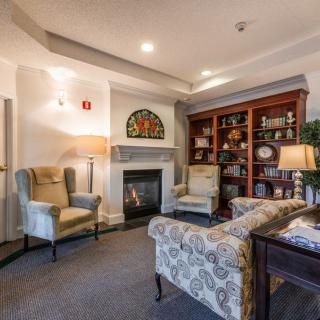
  • Interior

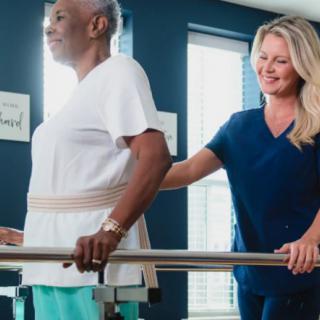
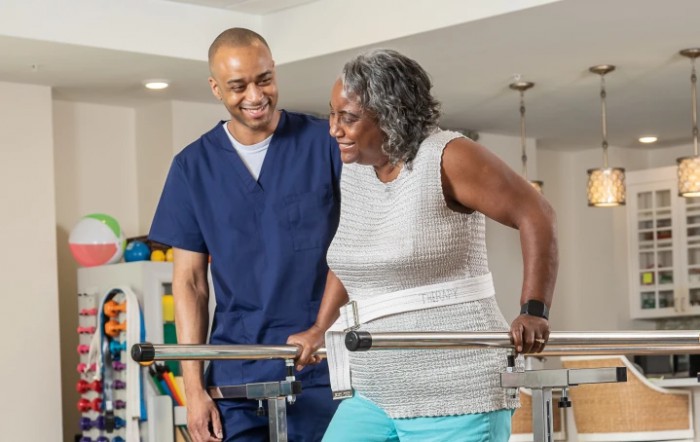
    A person undergoing physical therapy with the assistance of a therapist in a well-lit room.
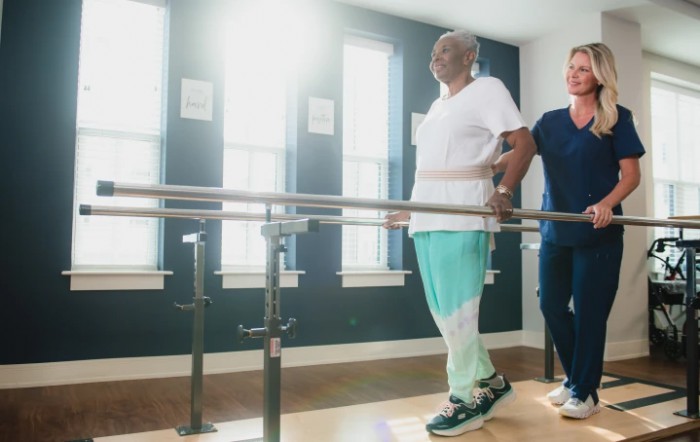
  • Exercise Equipment

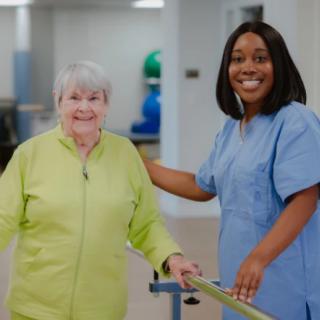
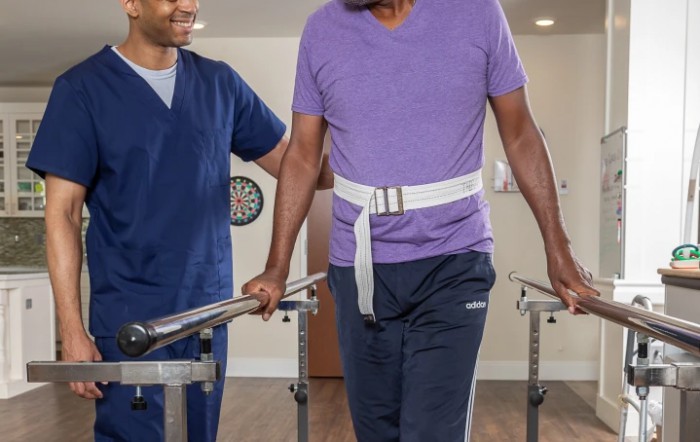
    A caregiver assisting an elderly person during a physical therapy session using supportive equipment.
  • Healthcare

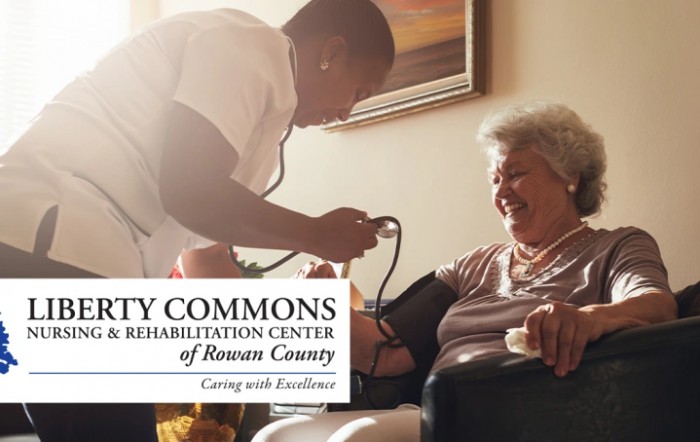
    A nurse checking the blood pressure of an elderly patient at a rehabilitation center.
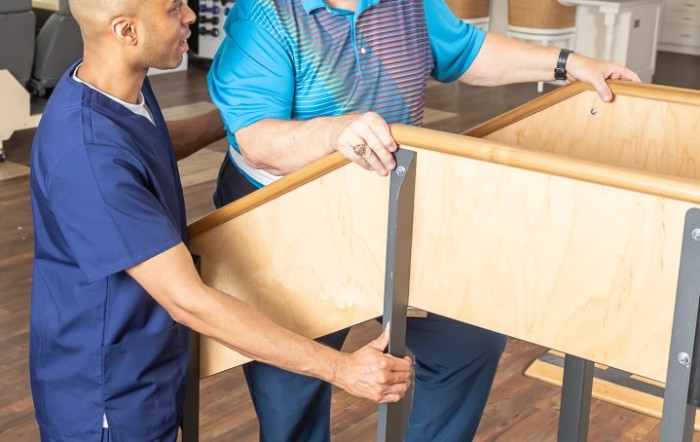
  • Rehabilitation

    A healthcare professional assists a patient during a physical therapy session.
  • Physical Therapy

    A caregiver assists an elderly woman with physical therapy exercises.
  • Exercise

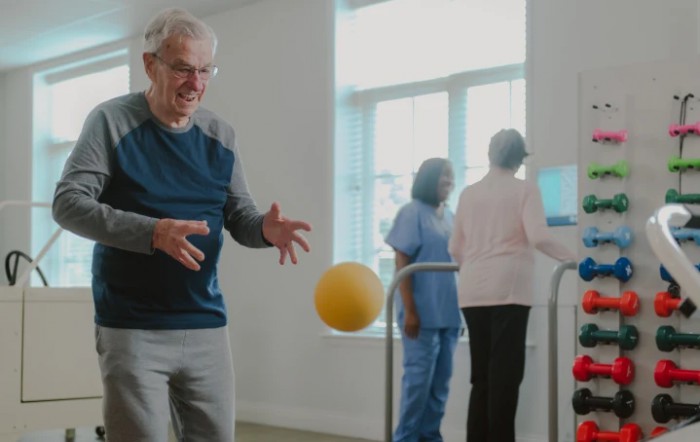
    An elderly man engages in a rehabilitation exercise with a yellow ball under the supervision of healthcare professionals.
  • Wheelchair

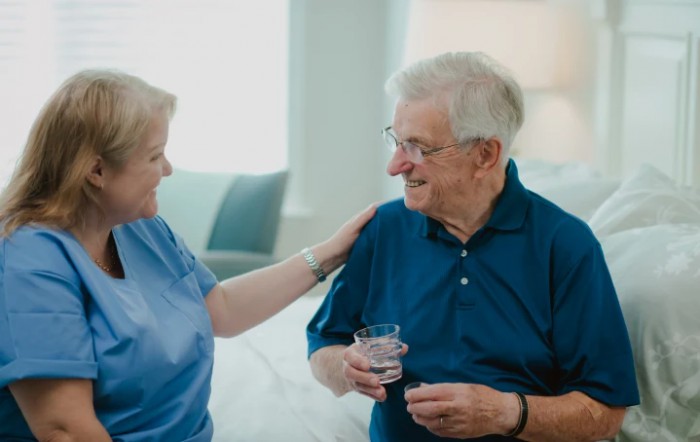
    An elderly man smiling while being assisted by a nurse in a healthcare setting.
  • Caregiver

    A caregiver in blue scrubs assists an elderly man with his jacket in a home setting.
  • Nurse

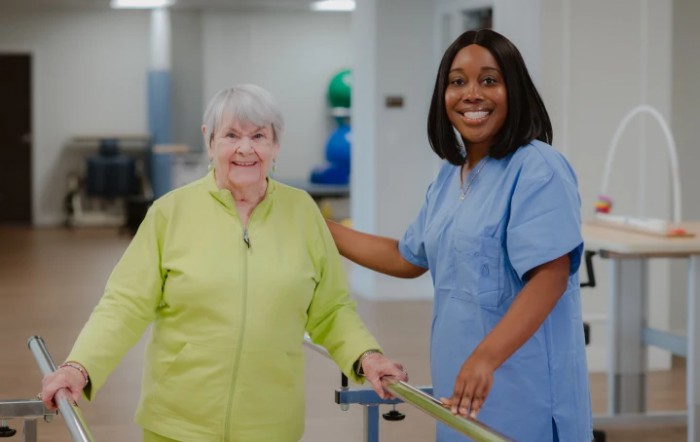
    A nurse assists an elderly woman during a rehabilitation session.

Liberty Commons Nursing & Rehab Center Of Rowan County

4412 South Main Street, Salisbury, NC 28147

For more information about senior living options: (844) 490-3973

2.7 from 26 reviews
5 stars
6
4 stars
4
3 stars
3
2 stars
2
1 stars
11

Skilled Nursing Facility

What level of care are you interested in?

Assisted Living

Memory Care

Independent Living

Skilled Nursing Facility

Continuing Care Retirement Community (CCRC)CCRC

Other


Request a tour at Liberty Commons Nursing & Rehab Center Of Rowan County

    Overall Review of Liberty Commons Nursing & Rehab Center Of Rowan County

    Pros

    • pro The nurses and CNAs are described as great and very polite to residents and their families.
    • pro The nursing staff on the same unit provides continuity of care, helping staff learn residents' needs quickly.
    • pro The multidisciplinary team of doctors, NPs, PAs, PTs, OTs, and dietitians is impressive.
    • pro A longtime healthcare professional was very impressed by Liberty Commons.
    • pro After the first night, agency CNAs were nice, professional, and helped with recovery.
    • pro Visitors found residents in clean beds, well cared for, and staff were helpful and caring.

    Cons

    • pro The facility is infested with roaches, spiders, and other bugs.
    • pro The food is cold, mushy, and not tasty, with very small portions.
    • pro Lights are turned off around 7:15 pm and staff leave residents when they are not ready for bed.
    • pro The director of nursing refused to meet with the family to plan a peaceful transition for a dying patient.
    • pro The building is reportedly full of urine and feces, indicating unsanitary conditions.
    • pro The administrator is described as passive and unhelpful in addressing problems.
    • pro The environment is described as scary and neglected, with warnings not to place loved ones there.
    • pro Ants are reported in beds, and showers and basic hygiene are not consistently provided.
    • pro Diabetes care is mishandled: sugary meals are served, diabetics are not given appropriate meals, and insulin is not administered when needed.
    • pro A nurse or staff member allegedly accused a family member of abuse and threatened assault charges.
    • pro Efforts to raise concerns through care meetings and grievance processes are met with inaction.
    • pro After negative feedback, the facility allegedly issued trespass warnings and retaliated against the family.

    Review

    Liberty Commons is described by a broad mix of voices, creating a complex portrait of a facility that some families view as a place of genuine care, while others see as a serious risk to safety and dignity. Across the many experiences shared, there are repeated echoes of compassionate staff, attentive nurses, and moments of effective teamwork, alongside troubling accounts of neglect, poor food, and unsettling living conditions. The spectrum is wide enough that prospective families may feel both reassurance and alarm, depending on which day and which unit their loved one happens to be on.

    One of the most severe and emotionally charged recollections centers on a mother dying of cancer who was placed at Liberty Commons for rehab. The reviewer describes a roach- and bug-infested environment, with food that was cold, mushy, and at times unpalatable, and portions that were outrageously small. She reports the lights being turned off around 7:15 pm and staff retreating even when the patient, in this case her mother, was not ready for bed. The caregiver states that the director of nursing refused to meet to discuss a plan for a peaceful transition, and she characterizes the overall treatment as neglectful and fear-inducing. The reviewer paints a stark image of a facility "absolutely full of urine and feces" and depicts an administrator who did not engage in problem-solving. The message is a powerful plea not to place loved ones there, framed by a sense that the environment had deteriorated to a very frightening level for patients and families alike.

    Other accounts underscore also how care on some units can be markedly different from the worst examples. A separate set of reviews highlights strong continuity of care and warmth from nursing staff in other patients' stories. In the case of a husband, the nurses and CNAs were described as polite and consistently on the same unit, which allowed staff to learn about the resident and detect changes quickly. A nurse recognized his increased needs and ordered double portions to address hunger, a step that seemingly improved his satisfaction with meals. The multidisciplinary team, including doctors, NPs, PAs, PTs, OTs, and dietitians, was described as impressive, and the overall impression was that Liberty Commons could deliver a high level of care when the system functioned well and staff knew the resident's history.

    Yet another batch of narratives speaks to a more troubling and persistent pattern of lapses. Families recount ants in beds, bites, and showers that did not occur regularly, as well as complaints about the management of medical conditions like diabetes. In one case, a mother with diabetes was served donuts and orange juice for breakfast, fried foods and starches for other meals, and not served diabetic meals, with sugar levels rising into dangerous ranges. The reviewer notes that sugar checks and insulin administration were inconsistent and inconsistent shower schedules left her mother under-cleaned for extended periods. After discharge, the patient's diabetes problems apparently persisted, culminating in a death that the reviewer attributes, at least in part, to the care received at the facility. These stories underscore a perception that nutrition management, routine monitoring, and daily hygiene were not reliably maintained for some residents.

    The most troubling interpersonal and legal friction appears in a separate thread of reviews involving a nonverbal ALS patient. A family member describes being accused by staff of abusing the patient, facing the possibility of assault charges, and enduring a formal investigation that felt disproportionate to the actions described. The reviewer ultimately found that the level of threat was not supported by the facts they perceived, but the experience left them shaken and suspicious of the facility's approach to patient and family interactions. The concern is amplified by subsequent reports of the administrator's response to complaints, including a warning of trespass and even a claim that the reviews themselves were a risk to the facility's reputation. Complaints about the official complaint line and the lack of meaningful resolution add layers of fear and frustration for families already grappling with distressing medical situations.

    At the same time, there are accounts that speak to progress and positive change. Some families and visitors describe rooms that are clean, beds made, and patient care delivered with a level of attentiveness that suggests problems have been addressed. A visitor noted discovering a patient in a clean bed with snacks stored in drawers and no trace of bugs, and the sense that past issues had been remedied. Other reviewers observed a noticeable turnaround, with smells and overall appearances improving, even if more staff were still needed. There is also appreciation for engaging activities and a staff member described as "awesome" who contributes positively to the daily living experience of residents.

    Taken together, the collection of experiences paints Liberty Commons as a facility with a storied past and a fluctuating present. There are credible, moving testimonies of compassionate care, effective teamwork, and improvements that have made some units more livable and safer for residents. They are tempered, however, by very serious allegations about neglect, illness mismanagement, and frightening living conditions in other parts of the building, alongside concerns about how complaints are handled and how staff interact with families. The overall impression is one of a care setting that can be both a lifeline and a source of fear, depending on the day, the unit, and the personnel on duty.

    For families considering Liberty Commons, the takeaway is nuanced. The facility has candidates for genuine, high-quality care - nurses who know residents, a steady unit-based workflow, a robust multidisciplinary team, and moments of clear patient advocacy. But the opposing narratives cannot be ignored: reports of bugs, inadequate meals, delayed or missing hygiene, inconsistent medical oversight, and troubling administrative responses are real and deeply troubling for relatives of vulnerable loved ones. Prospective families should proceed with thorough, on-site assessments, request direct meetings with the care team, observe daily routines, review current unit practices, and frankly discuss expectations and safety concerns with administration before making decisions about placement.

    Features

    Housing

    • 90 resident community capacity 90 resident community capacity

    Types of Care

    • Skilled Nursing Facility Skilled Nursing FacilitySkilled Nursing Facilities are crucial for seniors as they provide round-the-clock medical care, rehabilitation services, and assistance with daily activities. These facilities ensure that seniors receive the specialized care they need to maintain their health and well-being as they age.

    Amenities

    • Air-conditioning Air-conditioningAir conditioning is important for seniors as they are more vulnerable to heat-related illnesses and may have underlying health conditions that make it difficult for them to regulate their body temperature. It helps to keep them comfortable, safe, and healthy in hot weather.
    • Beauty salon Beauty salonBeauty salons are important for seniors because they provide a space for them to feel pampered, socialize, and maintain their personal grooming and hygiene. Regular visits to a beauty salon can help boost seniors' self-esteem and overall well-being.
    • Cable or satellite TV Cable or satellite TVCable or satellite TV is important for seniors because it provides entertainment, news, and companionship, helping to combat loneliness and boredom. It also offers a wide range of programming options tailored to different interests and preferences.
    • Computer center Computer centerA computer center is essential for seniors as it provides access to technology, communication tools, and resources that can enhance their daily lives. It allows them to stay connected with loved ones, engage in online activities, and learn new skills, ultimately promoting socialization and mental stimulation.
    • Dining room Dining roomDining rooms are important for seniors as they provide a space for socialization, connection, and nutritious meals. They offer opportunities for residents to bond over shared meals, foster a sense of community, and promote healthy eating habits. Dining rooms also ensure that seniors have access to well-balanced meals tailored to their dietary needs and preferences.
    • Fitness room Fitness roomHaving a fitness room in a senior living community is essential for seniors to stay active, maintain their physical health, and improve their overall well-being. Regular exercise can help prevent falls, reduce the risk of chronic diseases, and promote mental sharpness. It also provides social opportunities for residents to connect with others and enjoy a sense of community.
    • Fully furnished Fully furnishedFully furnished senior living communities are important for seniors because they provide convenience, comfort, and a hassle-free moving experience. Seniors can easily settle into their new living space without the stress of having to buy and move furniture. This allows them to focus on enjoying their new home and community.
    • Gaming room Gaming roomGaming rooms are important for seniors as they provide a fun and engaging environment for socializing, cognitive stimulation, and physical activity. Games can improve memory, problem-solving skills, and overall mental well-being while fostering friendships and reducing feelings of isolation.
    • Garden GardenGardens are important for seniors as they provide a peaceful and therapeutic environment for relaxation, physical activity, and socialization. Being in nature has been shown to reduce stress, improve mood, and promote overall well-being. Gardens also offer opportunities for seniors to engage in gardening activities, which can improve mobility, flexibility, and cognitive function. Additionally, gardens create a sense of community and connection with others who share a passion for plants and outdoor spaces.
    • Housekeeping services Housekeeping servicesHousekeeping services are important for seniors because they help maintain a clean and safe living environment, promote independence, and reduce the risk of accidents or illnesses. Additionally, having assistance with household chores can alleviate physical strain and allow seniors to focus on other aspects of their well-being.
    • Kitchenette KitchenetteKitchenettes are important for seniors living in senior living communities because they provide the convenience and independence of being able to prepare simple meals and snacks in the comfort of their own living space. This can help promote a sense of autonomy and well-being for seniors, allowing them to maintain some level of control over their dietary choices and daily routines.
    • Move-in coordination Move-in coordinationMove-in coordination is important for seniors because it helps ease the transition into their new living environment. It ensures that all logistics, such as packing, organizing movers, and setting up utilities are taken care of, allowing seniors to focus on settling in and adjusting to their new home. Having a smooth move-in process can alleviate stress and anxiety, making the transition smoother and more enjoyable for seniors.
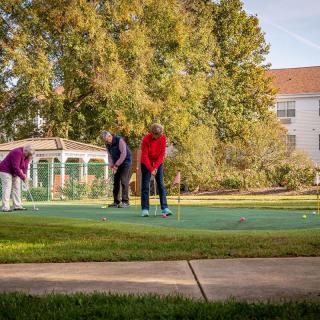
    • Outdoor space Outdoor spaceOutdoor spaces are important for seniors as they provide opportunities for physical activity, social interaction, exposure to natural light and fresh air, and a sense of connection to nature. Having access to outdoor spaces can improve overall well-being and quality of life for older adults living in senior communities.
    • Private bathrooms Private bathroomsPrivate bathrooms are important for seniors in senior living communities because they provide independence, dignity, and comfort. Having a private bathroom allows seniors to maintain their personal hygiene routines without the need for assistance, promoting a sense of autonomy and privacy. Additionally, private bathrooms help prevent the spread of infections and provide a safe and clean environment for seniors to navigate safely.
    • Restaurant-style dining Restaurant-style diningRestaurant-style dining is important for seniors because it allows them to enjoy delicious, nutritious meals in a social and upscale setting. This enhances their dining experience, promotes healthy eating habits, and fosters socialization with fellow residents, ultimately contributing to their overall well-being and quality of life.
    • Small library Small librarySmall libraries are important for seniors as they provide access to a variety of reading materials, including books, newspapers, and magazines. This can help stimulate their minds, keep them engaged, and provide a sense of community through book clubs and other social activities. Additionally, reading has been shown to improve cognitive function and overall mental well-being in older adults.
    • Telephone TelephoneTelephones are important for seniors as they provide a lifeline for communication with loved ones, emergency services, and healthcare providers. They offer a sense of security and independence, enabling seniors to stay connected and access assistance when needed.
    • Wellness center Wellness centerWellness centers are important for seniors because they offer a variety of programs and services that promote physical, mental, and emotional well-being. These centers provide opportunities for exercise, socialization, education, and relaxation, helping seniors maintain their overall health and quality of life.
    • Wi-Fi/high-speed internet available Wi-Fi/high-speed internet availableWi-Fi/high-speed internet is important for seniors to stay connected with loved ones, access online resources, and participate in virtual activities to combat feelings of loneliness and isolation. It also allows them to easily manage healthcare needs, access entertainment, and engage in lifelong learning opportunities.

    Transportation

    • Community operated transportation Community operated transportationCommunity operated transportation is crucial for seniors as it provides them with the means to access essential services, social activities, and medical appointments. It allows seniors to maintain their independence and quality of life by ensuring they can participate in activities outside of their homes. Additionally, community-operated transportation services offer a safe and reliable way for seniors to travel without having to rely on family or friends for assistance.
    • Transportation arrangement Transportation arrangementTransportation arrangements are crucial for seniors as they may face challenges with driving, mobility, or access to public transportation. Having reliable transportation services ensures that seniors can easily attend appointments, social activities, and maintain their independence and quality of life.
    • Transportation arrangement (non-medical) Transportation arrangement (non-medical)Transportation arrangements are essential for seniors as they provide access to essential services, activities, and social interactions outside the home. This service helps maintain independence, mobility, and overall well-being for seniors who may have limited transportation options.
    • Transportation to doctors appointments Transportation to doctors appointmentsTransportation to doctors appointments is crucial for seniors as it ensures they have access to necessary medical care and support, promoting their health and well-being. It allows them to receive timely treatment, monitor existing conditions, and address any new health concerns efficiently. Additionally, transportation services can help seniors maintain their independence and quality of life by enabling them to stay connected with their healthcare providers.

    Care Services

    • 12-16 hour nursing 12-16 hour nursing12-16 hour nursing care is crucial for seniors in order to ensure around-the-clock monitoring, timely medication administration, and prompt response to any health concerns or emergencies. This level of care helps to promote the overall well-being and safety of seniors living in senior living communities.
    • 24-hour call system 24-hour call system24-hour call systems are important for seniors because they provide peace of mind and immediate assistance in case of emergencies. This technology ensures that help is always available, promoting safety and security for elderly individuals living alone or in assisted living facilities.
    • 24-hour supervision 24-hour supervision24-hour supervision is important for seniors to ensure their safety, well-being, and access to immediate assistance in case of emergencies or health issues. This constant support provides peace of mind for both seniors and their loved ones, allowing them to age in place with dignity and security.
    • Activities of daily living assistance Activities of daily living assistanceActivities of daily living assistance are important for seniors because they provide essential support with tasks such as eating, bathing, dressing, and mobility. This assistance helps seniors maintain their independence, dignity, and overall quality of life as they age.
    • Assistance with bathing Assistance with bathingAssistance with bathing is crucial for seniors as it helps maintain personal hygiene, prevents infections, and ensures their overall well-being and comfort. It also provides a sense of dignity and independence for seniors who may struggle with this task on their own.
    • Assistance with dressing Assistance with dressingAssistance with dressing is important for seniors because it helps maintain their independence, promotes personal hygiene, prevents accidents and injuries, and improves overall quality of life. This service ensures that seniors can continue to dress comfortably and confidently, despite any physical limitations they may have.
    • Assistance with transfers Assistance with transfersAssistance with transfers is crucial for seniors as it helps prevent falls and injuries, maintains their independence, and ensures they can safely navigate their living environment. It also provides peace of mind for both seniors and their loved ones.
    • Diabetes diet Diabetes dietA diabetes diet is crucial for seniors as it helps manage blood sugar levels, reduce risks of complications, and improve overall health and well-being. By following a balanced and nutritious diet tailored to their specific needs, seniors can better control their diabetes and enhance their quality of life.
    • Meal preparation and service Meal preparation and serviceMeal preparation and service are crucial for seniors as they may have limited mobility or energy to cook nutritious meals. Having access to healthy and convenient food options can ensure they are getting the proper nutrition needed to maintain their overall health and well-being.
    • Medication management Medication managementMedication management is crucial for seniors to ensure they are taking the right medications at the correct dosages and times. This helps prevent adverse drug interactions, reduces the risk of medication errors, and promotes overall health and well-being. Proactive management also allows for adjustments as needed based on changing health conditions or new prescriptions.
    • Mental wellness program Mental wellness programMental wellness programs are essential for seniors as they promote cognitive stimulation, emotional support, and social engagement. These programs help prevent isolation, depression, and cognitive decline, ultimately enhancing the overall quality of life for older adults.
    • Special dietary restrictions Special dietary restrictionsSpecial dietary restrictions are important for seniors because age-related changes in metabolism and health conditions can make it difficult for their bodies to process certain foods. By following a diet tailored to their specific needs, seniors can maintain their overall health and well-being, manage chronic conditions, and reduce the risk of complications such as malnutrition or food interactions with medications.

    Dining

    • Diabetes diet Diabetes dietA diabetes diet is crucial for seniors as it helps manage blood sugar levels, reduce risks of complications, and improve overall health and well-being. By following a balanced and nutritious diet tailored to their specific needs, seniors can better control their diabetes and enhance their quality of life.
    • Special dietary restrictions Special dietary restrictionsSpecial dietary restrictions are important for seniors because age-related changes in metabolism and health conditions can make it difficult for their bodies to process certain foods. By following a diet tailored to their specific needs, seniors can maintain their overall health and well-being, manage chronic conditions, and reduce the risk of complications such as malnutrition or food interactions with medications.

    Activities

    • Community-sponsored activities Community-sponsored activitiesCommunity-sponsored activities are important for seniors as they provide opportunities for social interaction, mental stimulation, and physical activity. These activities can help improve overall well-being, combat loneliness and isolation, and promote a sense of belonging and purpose among older adults.
    • Concierge services Concierge servicesConcierge services are essential for seniors as they provide assistance with daily tasks and errands, enhance their quality of life by offering convenience and personalized care, and promote a sense of safety and security.
    • Fitness programs Fitness programsFitness programs are crucial for seniors as they help improve strength, flexibility, balance, and overall well-being. Staying active can reduce the risk of chronic diseases, improve mental health, and enhance quality of life in older adults.
    • Planned day trips Planned day tripsPlanned day trips are important for seniors because they offer opportunities for socialization, mental stimulation, and physical activity. They provide a change of scenery and help seniors stay engaged and connected to their community, promoting overall well-being and quality of life.
    • Resident-run activities Resident-run activitiesResident-run activities are important for seniors as they encourage social interaction, creativity, and a sense of autonomy. These activities empower seniors to stay engaged and active in their community while fostering meaningful connections with their peers.
    • Scheduled daily activities Scheduled daily activitiesScheduled daily activities are important for seniors because they provide structure, socialization, mental stimulation, and physical activity. Engaging in regular activities can improve overall well-being and quality of life for seniors living in a community setting.

    Description

    Liberty Commons Nursing & Rehab Center of Rowan County in Salisbury, NC is an exceptional assisted living community that offers a wide range of amenities and care services to ensure the comfort, well-being, and independence of its residents.

    The community boasts a variety of amenities designed to enhance the lifestyle of its residents. These include a beauty salon where residents can get pampered and look their best. A fully furnished accommodation ensures that residents feel at home, while private bathrooms provide convenience and privacy. The on-site dining room offers restaurant-style dining with meals prepared according to special dietary restrictions. There is also a small library for those who enjoy reading and a gaming room for leisure activities.

    Residents have access to various conveniences and services such as cable or satellite TV, high-speed internet/Wi-Fi, telephone services, and housekeeping services. Community-operated transportation is available for non-medical needs, as well as transportation arrangements for doctors' appointments.

    Care services provided are comprehensive and personalized to meet individual needs. A 24-hour call system ensures that assistance is readily available whenever needed. Trained staff are on hand to provide 24-hour supervision and assistance with activities of daily living such as bathing, dressing, and transfers. Medication management helps ensure residents take their medications correctly and on time.

    The community places great emphasis on mental wellness with a dedicated program in place. Fitness programs promote physical health, while planned day trips offer opportunities for social engagement and exploration outside the community. Resident-run activities encourage active participation within the community, fostering connections among residents.

    Located conveniently near cafes, pharmacies, physicians' offices, restaurants, and transportation options, Liberty Commons Nursing & Rehab Center of Rowan County provides all the necessary resources to support an enriching senior living experience in Salisbury, NC.

    Videos

    Nearby Places of Interest

    Restaurants

    • Olive Garden (2.4 miles)
    • Wendy's (2.8 miles)
    • Ichiban Japanese Seafood (2.8 miles)
    • Culver's (2.8 miles)
    • McDonald's (3.1 miles)
    • Zaxby's (3.6 miles)
    • Subway (4.1 miles)

    Cafes

    • Starbucks (2.6 miles)
    • Urban Grind Roasters - Artisan Coffee (16.2 miles)
    • Clutch Coffee Bar (17.7 miles)
    • Starbucks (18.9 miles)

    Physicians

    • Piedmont Interventional Pain Care (2.7 miles)
    • Piedmont Neurosurgery & Spine (2.8 miles)
    • RowMed Orthopedic (3.3 miles)
    • Daymark Recovery Services (4.4 miles)
    • Trinity Medical Care (4.5 miles)
    • Eye Associates Of Rowan (4.8 miles)
    • Tall Oaks Family Practice (15.2 miles)

    Pharmacies

    • Cannon Pharmacy Salisbury (3.1 miles)
    • Price Pharmacy (4.3 miles)
    • CVS Pharmacy (4.5 miles)
    • Price Pharmacy (4.8 miles)
    • Healthsmart Pharmacy (15.7 miles)
    • CVS Pharmacy (16 miles)
    • Cannon Pharmacy (16.4 miles)

    Transportation

    • Amtrak (4.6 miles)
    • Concord Regional Airport (JQF) (USA) (19.4 miles)

    Parks

    • J.W. Mc Gee, Jr Park (15 miles)
    • Dorton Park (17 miles)
    • Frank Liske Park (18.8 miles)
    • Glen Oak Green Park (21.6 miles)

    Places of Worship

    • Liberty Baptist Church (16.2 miles)
    • First Presbyterian Church (16.3 miles)
    • St Therese Catholic Church (18.3 miles)
    • Cove Church (19.2 miles)

    Theaters

    • AmStar 14 - Mooresville Theatre (18.6 miles)
    • AMC Concord Mills 24 (20.8 miles)

    Frequently Asked Questions

    Where is Liberty Commons Nursing & Rehab Center Of Rowan County?
    What photos are available for Liberty Commons Nursing & Rehab Center Of Rowan County in Salisbury, North Carolina?

    Nearby Communities

    • Salisbury Center

      Salisbury Center

      Salisbury, NC

      3 from 8 reviews
      $5,190 to $5,580 / month

      pro Welcoming, professional administrator and well-maintained facility.

    • Alpha Concord Plantation

      Alpha Concord Plantation

      Salisbury, NC

      4.3 from 16 reviews
      $2,500 / month

      pro Caring, hardworking staff and happy residents.

    • TerraBella Salisbury

      TerraBella Salisbury

      Salisbury, NC

      4.4 from 60 reviews
      $2,360 to $4,225 / month

      pro Clean, inviting facility with a broad range of on-site activities and an engaging environment.

    • Trinity Oaks,  a CCRC

      Trinity Oaks, a CCRC

      Salisbury, NC

      4.7 from 35 reviews
      $2,102 to $3,370 / month

      pro Caring, knowledgeable staff and a strong sense of community with extensive, varied activities.

    • Trinity Oaks

      Trinity Oaks

      Salisbury, NC

      4.6 from 35 reviews
       

      pro Friendly, attentive staff in a well-maintained campus with diverse activities and dining options.

    • Glenn Home Unlimited 4

      Glenn Home Unlimited 4

      Salisbury, NC

      4.7 from 100 reviews
      $4,500 / month

      pro Small, intimate setting (6 residents) enables personalized, attentive care.

    • Accordius Health At Salisbury

      Accordius Health At Salisbury

      Salisbury, NC

      2.5 from 57 reviews
       

      pro Extensive amenities and services (dining, fitness, transportation, and personalized care).

    • Brookdale Salisbury

      Brookdale Salisbury

      Salisbury, NC

      4.6 from 71 reviews
      $2,680 to $3,285 / month

      pro Positive changes in management and caregiving; friendly staff; clean, welcoming, and engaging environment.

    • Big Elm Retirement And Nursing Centers

      Big Elm Retirement And Nursing Centers

      Kannapolis, NC

      2.8 from 30 reviews
       

      pro Caring, attentive staff with recently renovated rooms.

    Related Resources

    • uti in elderlyUrinary Tract Infections in Older Adults: Comprehensive Insights on Symptoms, Treatment, and Prevention

      Older adults with urinary tract infections (UTIs) often present atypical symptoms, complicating diagnosis due to factors like incomplete bladder emptying and chronic health conditions that increase their susceptibility. Effective management involves prompt treatment with antibiotics, hydration, and preventive strategies while minimizing antibiotic resistance and focusing on holistic care approaches.

    • 602 formCalifornia's Form 602A: An In-Depth Examination of Senior Care Assessment

      California's Form 602A is a vital tool for evaluating the health needs of seniors seeking residential care, detailing their medical conditions and daily living requirements to ensure proper service alignment. This standardized form enhances communication among physicians, families, and facilities, serving as a regulatory measure for admissions and ongoing care while adapting to changing healthcare practices.

    • elderly blood pressure chartComprehensive Look at Senior Blood Pressure Charts: Normal and Elevated Levels by Age
      The overview of blood pressure management for seniors emphasizes the importance of monitoring and interpreting blood pressure readings, noting that normal ranges can vary due to age-related factors and individual health conditions. It highlights tailored guidelines for systolic and diastolic levels, the necessity of early detection and consistent management to prevent serious health complications, and advocates for personalized care strategies that incorporate lifestyle changes and medication adherence.


    Get Pricing Ask A Question Schedule A Tour Contact Senior Advisor