

42912 Vickers Store Rd, Albemarle, NC 28001
To contact a resident: (704) 982-9700
For more information about senior living options: (866) 208-4318
The Homeplace Rest and Retirement Costs & Pricing
The Homeplace Rest and Retirement offers competitive pricing for its private rooms at $3,800 per month, which is notably lower than the average costs in Stanly County at $4,400 and the state average of $4,425 for similar facilities in North Carolina. This positioning not only reflects a commitment to affordability but also underscores The Homeplace's focus on providing quality care and comfortable living arrangements for its residents. By maintaining such competitive rates, The Homeplace Rest and Retirement makes a compelling case for those seeking value without compromising on the quality of care provided to their loved ones.
| Floor plans | The Homeplace Rest and Retirement | Stanly County | North Carolina |
|---|---|---|---|
| Private | $3,800 | $4,400 | $4,425 |
Assisted Living communities with a similar price nearby
-
from +$357 / mo

Spring Arbor of Albemarle
$4,157 to $5,975 / month2.4 miles away -
from -$669 / mo

Concord Place
$3,131 to $4,468 / month22.7 miles away -
from -$575 / mo

Sandy Ridge Memory Care & Assisted Living
$3,225 to $4,050 / month23.7 miles away -
from -$400 / mo

Woodhaven Court
$3,400 to $4,400 / month0.9 miles away
Overall Review of The Homeplace Rest and Retirement
Pros
 The Dennis staff are great people who care about the residents.
- Homeplace Rest and Retirement is more than just another assisted living.
- It is small and very family-oriented.
- Its home is unlike any other.
- Prospective residents and their families will not be disappointed.
Review
The Homeplace Rest and Retirement in Albemarle is best suited for families and seniors who want a truly intimate, home-like assisted living experience. This community shines when residents value being part of a small, tightly knit environment where staff establish personal connections and daily routines feel familial rather than institutional. It is especially appealing to those who prefer a warm, approachable atmosphere over a bigger campus feel, where the emphasis is on everyday kindness, individualized attention, and a sense of belonging. For families seeking a setting that behaves more like a private home than a traditional senior living center, this option stands out as the clear choice.
Those who should consider alternatives are typically seniors who require more robust medical oversight or a broader menu of on-site services. If the priority is a comprehensive clinical footprint, extensive skilled nursing, or a wide-ranging activity calendar with highly structured programming, this smaller, family-oriented model may fall short. Prospective residents who crave a bustling pace, frequent specialized therapies, or a campus with numerous amenities might look for options with larger staff, more formal programming, or multiple neighborhoods to explore. In short, a desire for scale and extensive clinical resources points toward alternatives.
The most compelling pros are the traits that deepen trust and ease the move into communal living. Staff described as caring and genuinely attentive create an atmosphere where residents feel known and valued, not anonymous. The small footprint translates into a “we know you” culture: residents aren’t just numbered; they are seen as individuals with histories and preferences. The home-like character, a place few people would mistake for a sterile facility, helps reduce relocation stress, encouraging residents to settle in and participate without feeling overwhelmed. Visitors are likely to sense a spirit of family in the way staff and residents interact, which can mitigate anxiety for new families weighing the move.
Yet the same strengths illuminate the primary trade-offs. A compact, family-centric model can limit formal programming, specialized medical oversight, and the breadth of amenities that larger communities advertise. The value proposition hinges on personal warmth and daily familiarity rather than on a flashy calendar or a wide spectrum of on-site services. When evaluating fit, weigh the comfort of a trusted, tight-knit environment against the potential need for more independent living supports or quick access to advanced therapies. The offset, however, is substantial: genuine staff-resident relationships tend to compensate for narrower offerings, helping residents thrive in a setting where care feels personal and consistent.
For decision-makers, practical due diligence matters. During tours, probe how staffing levels match resident needs, how medical coordination is handled (whether through on-site clinicians, partnerships with nearby clinics, or arranged transports), and what happens when medical complexity increases. Inquire about respite care availability, meal quality and dietary accommodation, transportation options for appointments or social outings, and the frequency of social or recreational activities. Clarify what “family” means in day-to-day operations, whether it translates into flexible routines, attentive problem-solving, and transparent communication with families. These questions reveal whether the warm tone accompanies sustainable, dependable care.
Overall, The Homeplace Rest and Retirement stands out for families prioritizing a true home atmosphere, meaningful staff connections, and a community where residents feel known and cherished. For those who prize warmth, personal attention, and a low-key, intimate environment, this option is a strong fit in Albemarle. However, for families seeking breadth of services, a high-energy activity slate, or a facility with extensive clinical resources, it would be prudent to examine other communities first. A thoughtful tour paired with candid inquiries will confirm whether this home-like setting aligns with the resident’s care trajectory and the family’s peace of mind.
 6 resident community capacity
 Assisted Living
 Board and Care Home
 Cable or satellite TV
 Dining room
 Fully furnished
 Garden
 Housekeeping services
 Move-in coordination
 Outdoor space
 Private
 Telephone
 Wi-Fi/high-speed internet available
 24-hour supervision
 Activities of daily living assistance
 Ambulatory care
 Assistance with bathing
 Assistance with dressing
 Assistance with transfers
 Diabetes diet
 Diabetic care
 Incontinence care
 Meal preparation and service
 Medication management
 Special dietary restrictions
 Transportation arrangement (medical)
 Transportation to doctors appointments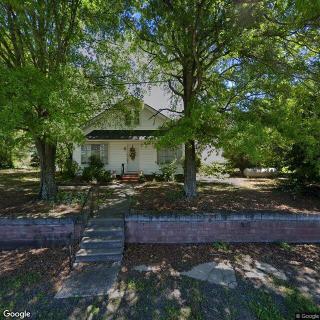




 A Detailed Exploration of Assisted Living Medicaid Waivers Across the United States
 Comprehensive Residential Support and Assisted Living Solutions for Individuals with Disabilities
 Comprehensive Supportive Living Arrangements for Adults with Disabilities