Staff kindness and responsiveness come up repeatedly in resident and family feedback.
Many reviewers describe staff members as friendly, pleasant, and accommodating, with caregivers who take time to listen and check on concerns. Several also say the care team makes patients feel safe and supported day to day, including during rehab stays and longer care. A few critical reviews mention lapses with care being ignored or delayed, which contrasts with the overall pattern of attentive service described by most families.
common26 reviews mention this
Cleanliness and facility upkeep
Residents and visitors frequently praise the facility’s cleanliness and appearance.
A large share of reviews point to a clean, well-kept environment, often mentioning rooms, bathrooms, and the building overall. Some reviewers specifically note no odors and a facility that looks maintained. In the negative reviews, cleanliness is called out as a serious problem, including issues described with odors and the condition of the space.
common10 reviews mention this
Activities help residents stay engaged
Reviewers point to activities that help residents socialize and pass the day.
Several families describe residents participating in scheduled activities and community events, including bingo and dayroom time. Others say the environment feels happier because residents are more social and out of bed. The community also offers planned day trips and resident-run and scheduled activities, matching the way reviewers talk about staying involved.
common7 reviews mention this
Dining is a frequent bright spot
Meal service and menu variety are repeatedly mentioned in positive reviews.
Multiple reviewers mention the food positively, including appreciating menu choices and describing meals as something their loved ones enjoy. A review also ties the dining experience to staff involvement around meal distribution. At the same time, at least one reviewer says the food was disappointing and uninteresting, so dining reviews aren’t unanimous.
caveat3 reviews mention this
Concerns with medication and hygiene
Some reviews raise serious concerns about medication timing and daily care follow-through.
A small number of reviewers describe problems such as delays with pain medication and missed medication administration. Others mention hygiene and comfort issues, including delayed help after meals and strong urine odor concerns. These reports stand out because many other reviews describe staff as highly attentive and responsive.
How we summarize
Counts show how many written reviews mention each theme; a review can touch several themes, and only frequently mentioned themes are displayed.
Features
Housing
154 resident community capacity
Types of Care
Skilled Nursing Facility
Amenities
Air-conditioning
Beauty salon
Cable or satellite TV
Computer center
Dining room
Fitness room
Fully furnished
Gaming room
Garden
Housekeeping services
Kitchenette
Move-in coordination
Outdoor space
Private bathrooms
Restaurant-style dining
Small library
Telephone
Wellness center
Wi-Fi/high-speed internet available
Transportation
Worcester Regional (6 miles away)
Community operated transportation
Transportation arrangement
Transportation arrangement (non-medical)
Transportation to doctors appointments
Care Services
12-16 hour nursing
24-hour call system
24-hour supervision
Activities of daily living assistance
Assistance with bathing
Assistance with dressing
Assistance with transfers
Diabetes diet
Meal preparation and service
Medication management
Mental wellness program
Special dietary restrictions
Dining
Diabetes diet
Special dietary restrictions
Activities
Community-sponsored activities
Concierge services
Fitness programs
Planned day trips
Resident-run activities
Scheduled daily activities
Nearby Places of Interest
Restaurants
Taco Bell (0.2 miles)
Chili's Grill & Bar (0.2 miles)
Burger King (0.2 miles)
Colony Farms Seafood (0.5 miles)
Jasmine Asian Cuisine (0.6 miles)
Friendly's (0.6 miles)
Applebee's (0.7 miles)
Pharmacies
Health Mart Pharmacy (0.7 miles)
CVS Pharmacy (0.7 miles)
Orachrom (4 miles)
CVS Pharmacy (4.1 miles)
CVS Pharmacy (5 miles)
CVS Pharmacy (5.6 miles)
Walgreens (5.7 miles)
Hospitals
Kindred Hospital Parkview Central Massachusetts (2 miles)
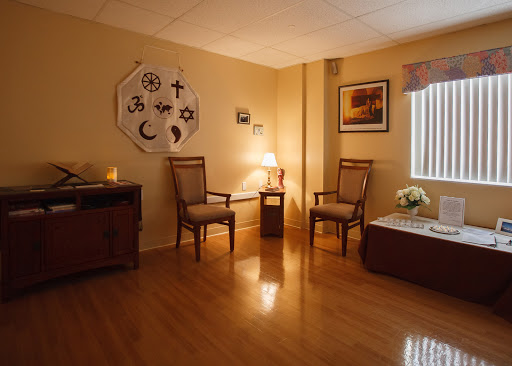
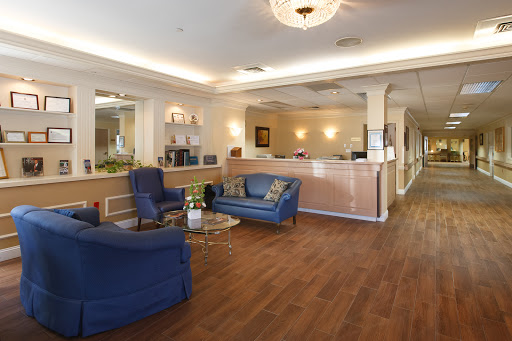
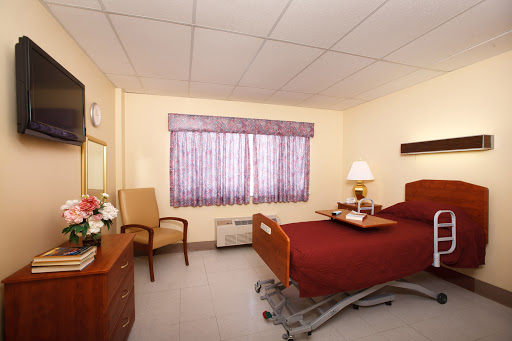
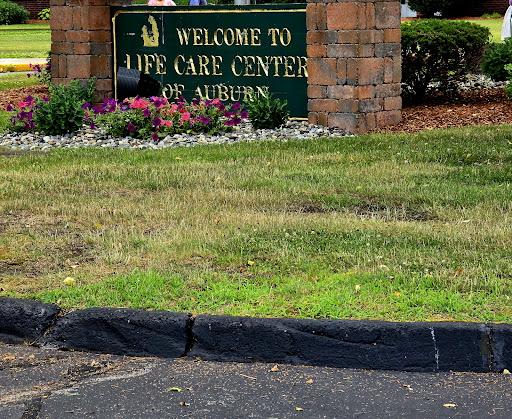
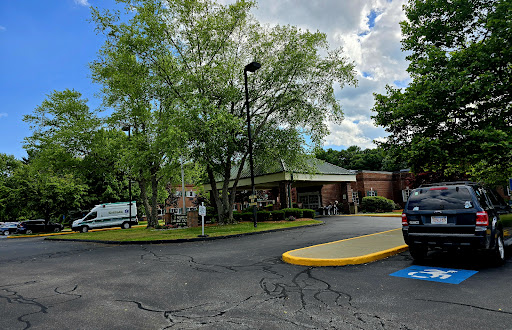
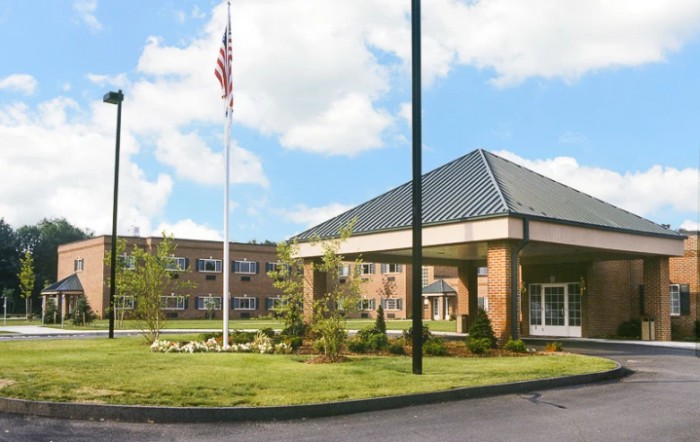
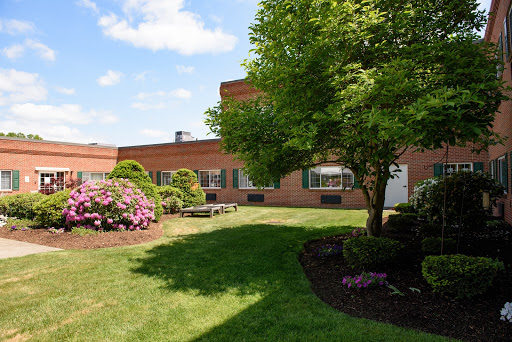
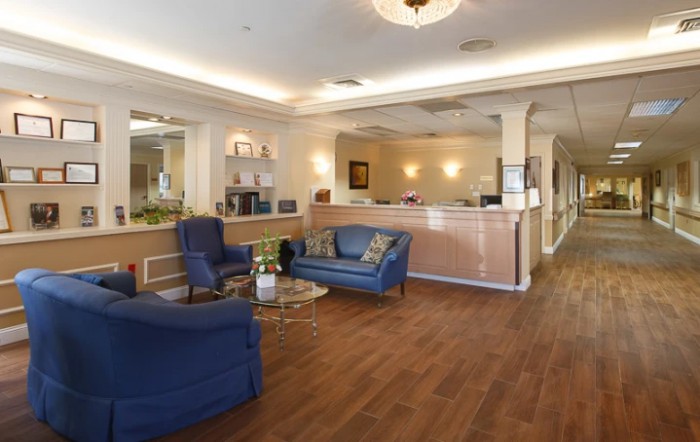
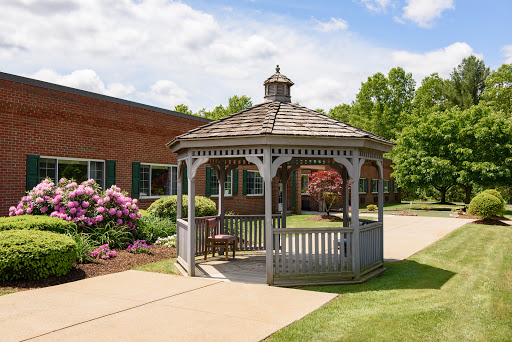
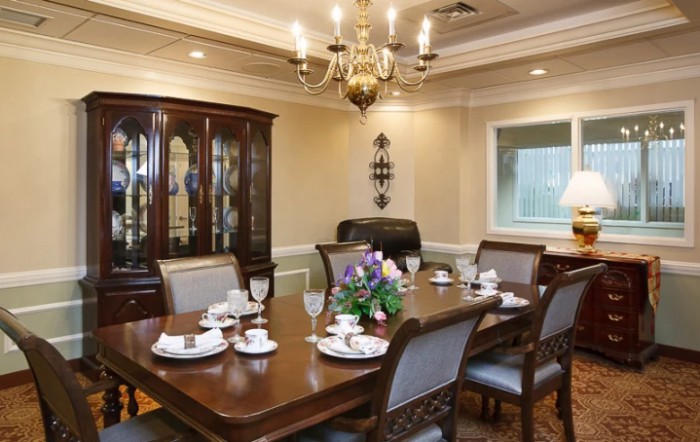
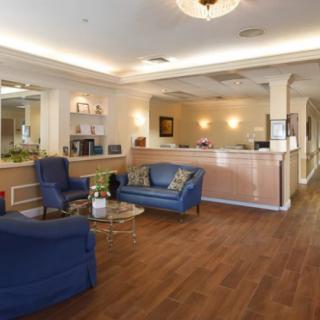
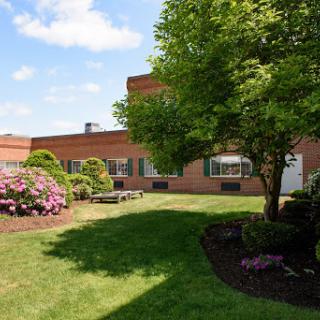
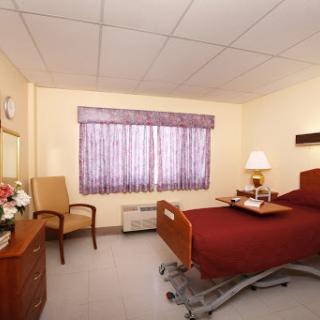
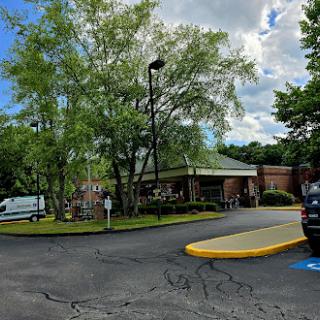
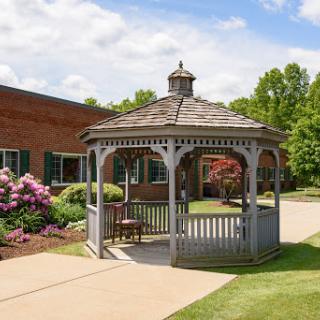
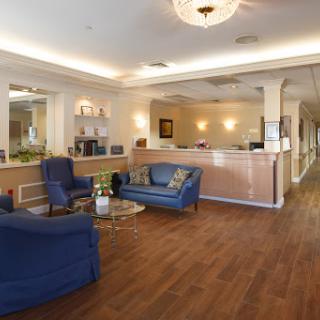
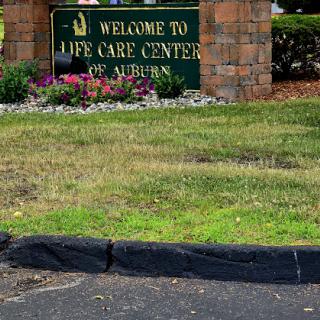
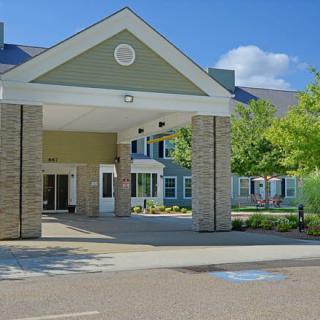
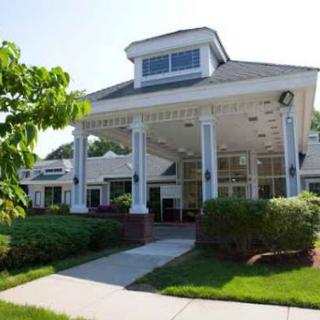
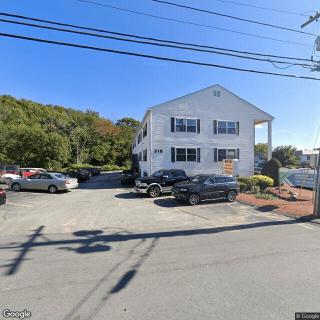
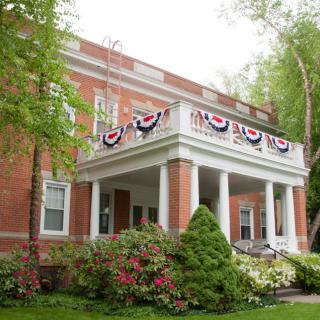
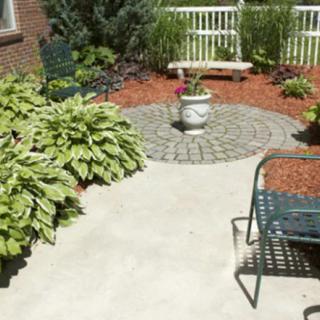
Life Care Center of Auburn on seniors.fyi includes 13 photos including images showing building, landscaping, interior, chandelier, decor, garden, grass, outdoor, and more.
Nearby Communities
Brookdale Eddy Pond
Auburn, MA
4.1 from 96 reviews
$4,410 to $7,085 / month
Friendly, attentive staff; clean, well-maintained facilities and varied living options.
Lodge at Eddy Pond
Auburn, MA
4.7 from 10 reviews
$2,150 to $3,500 / month
Staff are caring and treat residents like family, with 24/7 responsiveness and a warm, clean atmosphere.
Brookdale Eddy Pond East
Auburn, MA
4.3 from 80 reviews
$4,910 to $5,750 / month
Friendly staff in a clean, engaging community.
Meadows Of Central Massachusetts
Rochdale, MA
3.6 from 40 reviews
Extensive amenities and care services, including restaurant-style dining, beauty salon, fitness room, transportation, and medication management.
Accessible Home Health Care
Auburn, MA
4.9 from 16 reviews
Personalized care in a welcoming, amenity-rich community
Charlton Manor Rest Home
Charlton, MA
4.6 from 28 reviews
Peaceful setting with convenient access to parks, pharmacies, a physician's office, restaurants, places of worship, and a nearby hospital.
Goddard House
Worcester, MA
4.8 from 21 reviews
$2,800 to $4,300 / month
Active senior community with ample on-site and off-site activities, friendly staff, and convenient transportation.
Hermitage Healthcare
Worcester, MA
2.4 from 33 reviews
$7,800 / month
24/7 skilled nursing with memory care and extensive on-site amenities.
St Mary Health Care Center
Worcester, MA
3.8 from 21 reviews
Caring staff, clean, well-maintained environment with engaging activities.
The guide on blood pressure charts for older adults stresses the importance of understanding normal and high blood pressure readings influenced by age, genetics, and lifestyle, while emphasizing regular monitoring and lifestyle modifications to prevent serious health issues. It provides insights into blood pressure categories, dietary recommendations, medication considerations, and the role of caregivers in supporting healthy habits.
The article explores the complexities of using Social Security to finance long-term nursing home care in the U.S., detailing eligibility requirements and misconceptions, while emphasizing that these benefits often do not cover full costs and highlighting the need for strategic financial planning and professional guidance.
Pneumonia significantly affects older adults due to weakened immune systems and atypical symptoms that complicate diagnosis, necessitating early detection and tailored treatment. Risk factors include chronic diseases and cognitive impairments, with preventive measures like vaccinations and healthy lifestyles being crucial for reducing risk.
Get PricingAsk A QuestionSchedule A TourContact Senior Advisor
By clicking submit, you agree to our Partner's Terms of Use. You
also consent to receive calls and texts, which may be autodialed, from our Partner. Your consent is not a condition to
using our Partner's service. Please visit our Partner's Privacy Policy for information about their privacy practices.








 154 resident community capacity
 Skilled Nursing Facility
 Air-conditioning
 Beauty salon
 Cable or satellite TV
 Computer center
 Dining room
 Fitness room
 Fully furnished
 Gaming room
 Garden
 Housekeeping services
 Kitchenette
 Move-in coordination
 Outdoor space
 Private bathrooms
 Restaurant-style dining
 Small library
 Telephone
 Wellness center
 Wi-Fi/high-speed internet available
 Worcester Regional (6 miles away)
 Community operated transportation
 12-16 hour nursing
 24-hour call system
 Activities of daily living assistance
 Assistance with bathing
 Assistance with dressing
 Assistance with transfers
 Diabetes diet
 Medication management
 Mental wellness program
 Special dietary restrictions
 Concierge services
 Planned day trips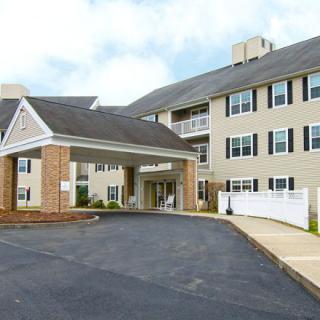
 Friendly, attentive staff; clean, well-maintained facilities and varied living options.
 Comprehensive Guide to Blood Pressure Charts for Older Adults: Understanding Normal and High Readings by Age
 Financing Long-Term Nursing Home Care Through Social Security: A Thorough Exploration
 Essential Knowledge on Pneumonia in Older Adults