
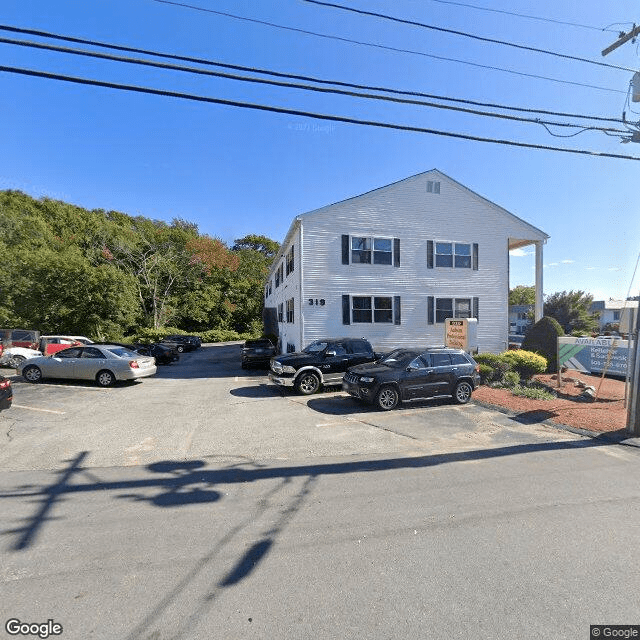
319 Southbridge Street Suite 220, Auburn, MA 01501
To contact a resident: (508) 471-3246
For more information about senior living options: (866) 208-4318
Overall Review of Accessible Home Health Care
Pros
 Ruth and her team are absolutely amazing from the start.
- They provide great information and create a flexible schedule for post-operative care.
- They adapt to changing needs and keep the patient at the center of care.
- Mabel is especially helpful, kind, and invested in her well-being.
- Accessible's staff are helpful and understanding, and the group is considered part of the family.
- Accessible is dedicated to both its clients and its employees, with knowledgeable and compassionate upper management.
- Accessible delivers timely, professional care, including short-notice nurse visits and consistently assigned nurses like Audra, whose cheerful demeanor enhances visits.
Review
Accessible Home Health Care of Central Massachusetts is best suited for seniors who want to stay in their own home while receiving consistently attentive, flexible in-home care. The reviews show a pattern of post-operative support, memory-care-friendly visits, and ongoing assistance that keeps clients safely independent at home. Families facing a transition from hospital or needing reliable daily help with bandage changes, wound care, and routine activities will find a clear match here. This is particularly strong for older adults who prize a compassionate touch, steady nurse-patient relationships, and a care team that treats the client as the central focus rather than a checklist.
Those considering alternatives should note that this model may not fit everyone. For seniors who require constant, around-the-clock supervision or who crave the social and stimulating environment of a retirement community, a traditional assisted living or memory-care facility could be a better fit. If the goal is more structured daily activities, built-in peer interaction, and facilities that provide multiple levels of medical oversight under one roof, an in-facility option deserves serious consideration. Families with very complex medical needs or a desire for a comprehensive on-site ecosystem may prefer a setting with 24/7 on-site staff and a broader continuum of care.
The strongest pros here hinge on responsiveness, trust, and continuity, and those benefits more than offset the lack of a brick-and-mortar community. The team’s ability to adapt schedules for post-operative recovery and to pivot as needs change demonstrates professional agility that reduces the risk of gaps in care. Quick communication and a focus on patient well-being help families feel the person at the center is driving the care plan, not the calendar alone. The presence of a consistent visiting nurse, supported by a respectful, pleasant aide roster, creates familiarity that matters greatly to memory-impaired clients, making daily visits less daunting and more comforting.
Caregiver leadership and culture emerge as another decisive advantage. The testimonials consistently point to Ruth, Martine, Audra, and the broader office staff as genuinely invested professionals who treat clients like family. This isn’t generic home-health service; it’s a tightly knit, accountable team whose managers are described as compassionate and flexible when needs shift. For families juggling scheduling, medical tasks, and emotional stress, that combination of accountability and warmth translates into higher confidence that the care will endure through changing circumstances.
A practical caveat is the inherent trade-off of home-based care versus a facility: there is no embedded social program, campus life, or on-site community of peers. For families prioritizing companionship and structured outings, the absence of built-in social activity could feel like a gap. However, the home setting also brings substantial advantages, reliable, individualized attention, fewer transitions for a frail senior, and the comfort of remaining in a familiar environment. The strong caregiver continuity evidenced in the reviews helps mitigate isolation risks, because the same nurse or aide returns regularly and builds familiarity with routines, preferences, and triggers.
Bottom line: Accessible Home Health Care is a compelling choice for families seeking high-quality, flexible in-home care that can adapt on the fly and keep an elderly loved one safely at home. It’s especially compelling for post-acute recovery, memory-care needs, and ongoing support where responsiveness and personal attention matter most. It is less likely to satisfy those who insist on a facility-based ecosystem with guaranteed 24/7 supervision and built-in social programming. Before deciding, arrange a thorough care assessment, confirm the caregiver roster and continuity commitments, and clarify response times and escalation pathways. If staying home with a trusted, family-like care team is the priority, this community stands out as a prudent, well-supported path.
 Worcester Regional (5 miles away)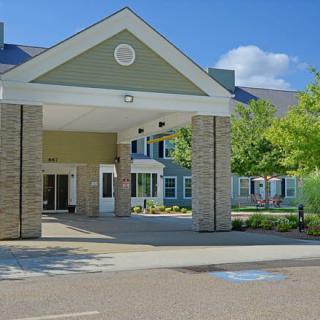






 A Comprehensive Exploration of Common Misunderstandings about Powers of Attorney
 Senior Move Management: Understanding the Role, Value, and Associated Costs
 Weight Training for Seniors: Building Strength and Vitality