Residents and families frequently describe staff as kind, attentive, and genuinely supportive.
Across the reviews, people commonly emphasize that caregivers treat them with respect and make an effort to meet needs. Multiple reviewers highlight specific staff members by name and describe day-to-day support, communication, and a feeling that residents are seen as individuals. Even in reviews that are otherwise mixed, some mention the care they did receive as better than expected.
common11 reviews mention this
Rehab therapy support stands out
Rehabilitation therapy is a consistent focus, with many reviewers praising progress and hands-on treatment.
Several reviews credit the rehabilitation team with helping residents regain strength and independence. Families and patients mention physical therapy and occupational therapy in particular, along with speech therapy support and adjustments to needs. A few reviewers also call out specific therapy leaders for encouraging participation and helping them get back to everyday routines.
common8 reviews mention this
Activities feel social and engaging
Many residents describe activities and social programming as a meaningful part of the stay.
Reviews repeatedly connect the experience to feeling engaged through activities, rather than spending most of the time isolated in rooms. Some describe an activities team that helps residents stay connected and excited to participate. Others mention residents staying active and enjoying community events as a positive contrast to tougher moments during care.
common5 reviews mention this
Food gets mixed reactions
Dining is discussed often enough to be a clear point of variation between reviewers.
Some reviewers praise the quality of meals, including specific positive comments about the kitchen and dining experience. Other reviews are sharply negative, describing unpleasant food appearance and repackaged leftovers. A separate set of comments lands in the middle, mentioning generally good food while also noting occasional issues like meals being overbaked.
caveat6 reviews mention this
Smell and cleanliness concerns recur
Multiple reviews point to ongoing odor and cleanliness problems in the facility.
Several residents and visitors describe the building as smelling strongly, including reports of odor in hallways and rooms. Some also include broader complaints about the facility feeling dirty or run down. Even reviews that otherwise rate the care higher still reference smell as an ongoing issue.
caveat5 reviews mention this
Delays in care and communication
A recurring concern is delays, including long waits and slow follow-through on urgent needs.
Some reviewers describe waiting too long for basic assistance, including help with toileting after notifying staff. Others report slow response when medical help was needed, such as delays to imaging after a fall or prolonged wait times for call-button requests. There are also accounts of tense or unhelpful communication during stressful situations, including trouble getting timeframes or escalation.
How we summarize
Counts show how many written reviews mention each theme; a review can touch several themes, and only frequently mentioned themes are displayed.
Features
Types of Care
Skilled Nursing Facility
Transportation
Gen Edw L Logan International (10 miles away)
Nearby Places of Interest
This section of Arlington, Massachusetts offers a variety of amenities that cater to seniors looking for convenience and entertainment. With multiple pharmacies nearby like Walgreens and CVS, accessing medication and healthcare supplies is easily accessible. In terms of outdoor activities, there are several parks within a short distance such as Rindge Park and Prospect Hill Park for leisurely strolls or picnics. Places of worship like St Agnes Parish-Arlington provide spiritual fulfillment for those seeking community connection. For medical needs, hospitals such as McLean Hospital and Mount Auburn Hospital are within reach. Additionally, there are reputable physician offices like Lahey Lexington and Harvard Vanguard Medical Associates for primary care services. Restaurants like La Saison Bakery and Semolina Kitchen & Bar offer dining options for those looking to enjoy a meal out, while cafes such as Cafe Rustica and Starbucks provide cozy spots to relax with a coffee or pastry. Transportation options include MBTA stations like Davis Square Station and Porter Square MBTA Station for easy access to surrounding areas. Lastly, entertainment venues like Cinema World Majestic 7 offer movie enthusiasts a place to catch the latest films. Overall, this part of Arlington provides a well-rounded environment with essential services and recreational opportunities ideal for senior living.
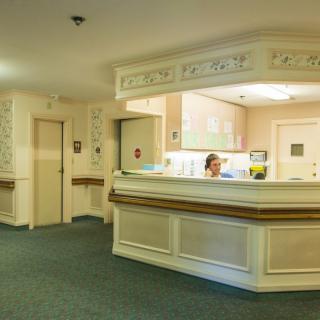
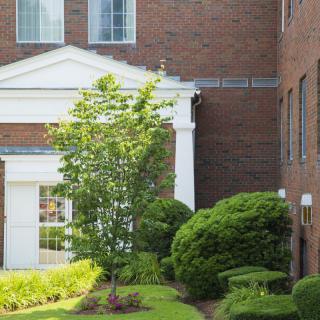
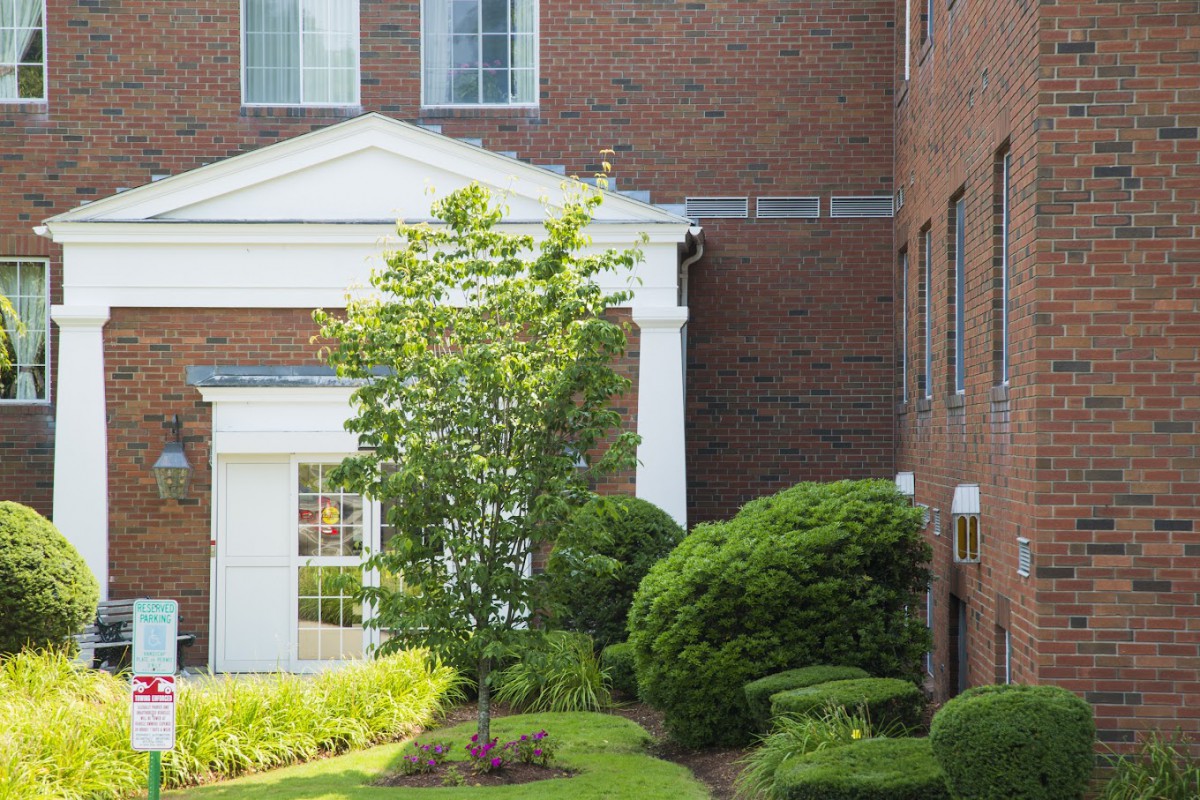
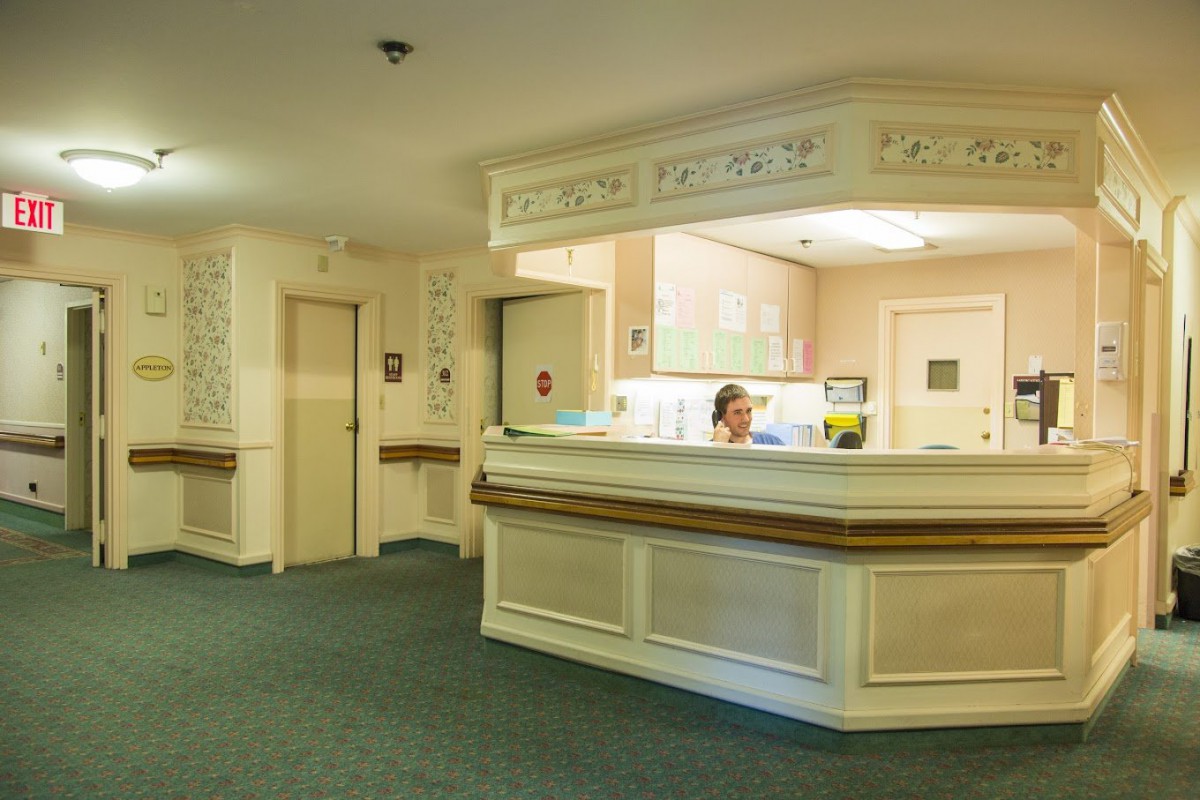
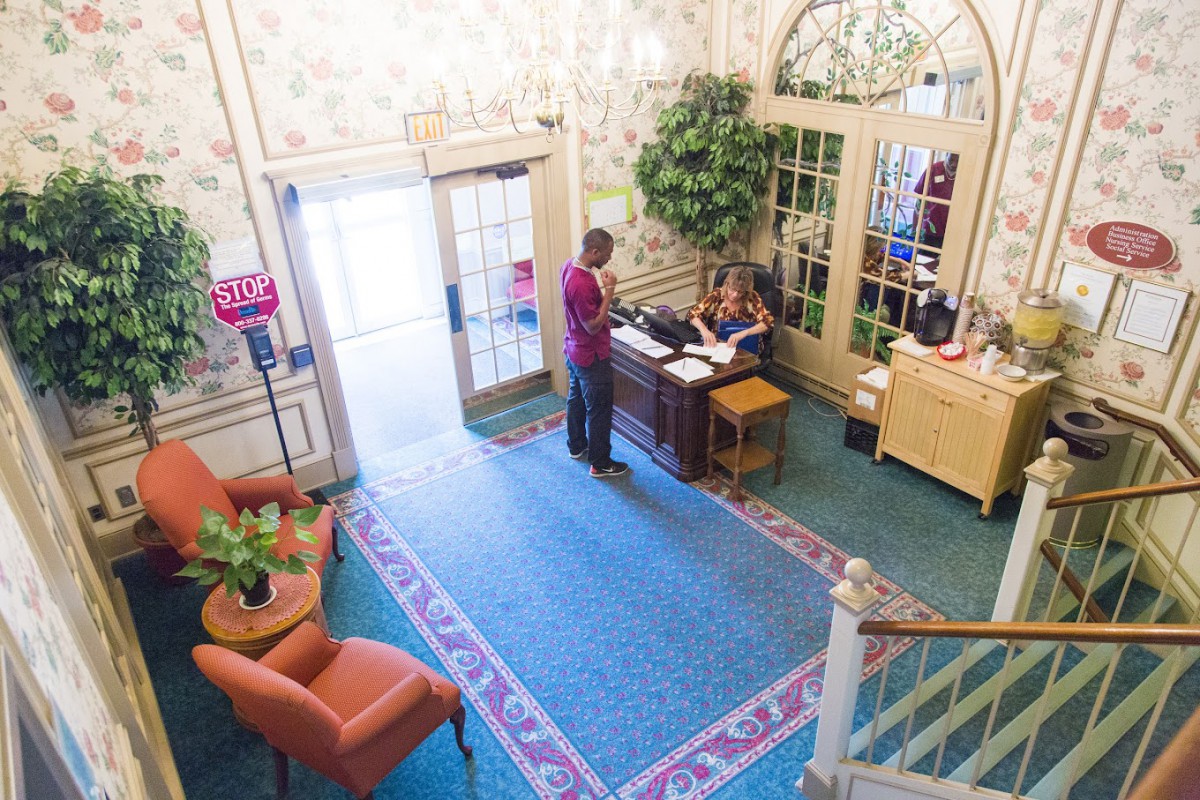
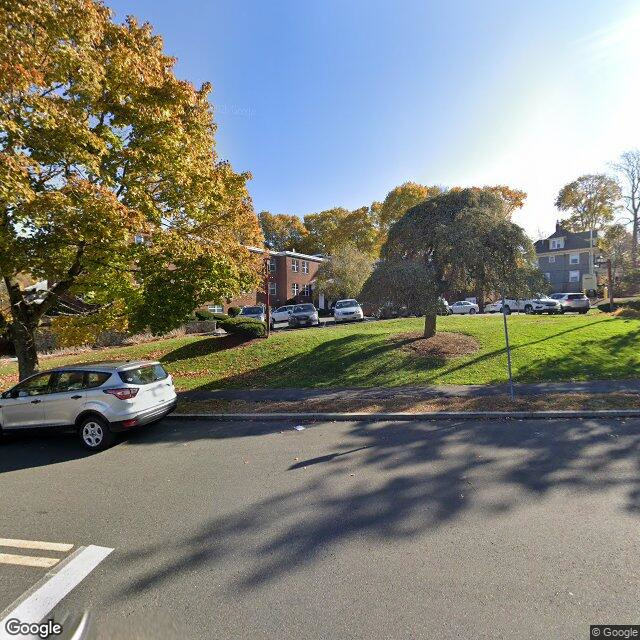
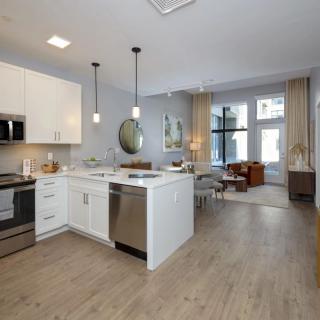
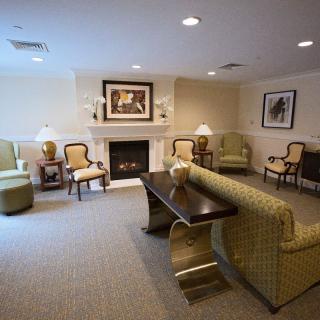
Park Avenue Health Center on seniors.fyi includes 5 photos including images showing interior, lobby, waiting area, reception area, building, brick wall, landscaping, shrubs, and more.
Nearby Communities
Sunrise of Arlington
Arlington, MA
3.9 from 88 reviews
$7,260 to $9,840 / month
Engaged staff and a lively activities program with quality dining.
Sunrise of Arlington MA
Arlington, MA
4.2 from 74 reviews
Attractive, activity-rich environment with caring staff.
Brightview Arlington
Arlington, MA
4.3 from 84 reviews
$3,995 to $8,300 / month
Beautiful, clean, well-maintained facility with engaging activities and strong memory-care safety.
Pine Knoll Nursing Center
Lexington, MA
3.4 from 19 reviews
Caring, devoted staff delivering exceptional care in a comfortable setting.
Care One At Lexington
Lexington, MA
3.4 from 103 reviews
Strong rehabilitation therapy and caring nursing staff, with consistently clean facilities.
Waterstone of Lexington
Lexington, MA
4.8 from 26 reviews
Comprehensive memory care with 24/7 supervision and robust on-site amenities (dining, fitness, salon, transportation, private apartments).
Artis Senior Living of Lexington
Lexington, MA
4.3 from 54 reviews
$9,250 / month
Compassionate staff with memory-care focus and engaging activities in a clean, well-maintained setting.
Neville Place
Cambridge, MA
4.5 from 22 reviews
$6,500 to $7,750 / month
Home-like environment with attentive staff and a diverse activities program near Fresh Pond.
Pneumonia significantly affects older adults due to weakened immune systems and atypical symptoms that complicate diagnosis, necessitating early detection and tailored treatment. Risk factors include chronic diseases and cognitive impairments, with preventive measures like vaccinations and healthy lifestyles being crucial for reducing risk.
Palliative care enhances the quality of life for seriously ill patients by providing comprehensive support at home through a multidisciplinary team, addressing various needs and prioritizing comfort over curative treatments. While it offers personalized care and involves family in decision-making, challenges like caregiver stress and logistical issues persist, with growing demand prompting advancements in technology and healthcare policies to improve access.
Palliative home care focuses on improving the quality of life for individuals with serious illnesses by providing comfort, symptom management, and emotional support in their own homes. This approach includes personalized care plans, regular assessments, and resources for family caregivers, all while prioritizing person-centered treatment that aligns with patients' goals.
Landscaping, Building, Architecture, Tree, Brick Wall, and Shrubs
Trees, Outdoor, Patio, and Nature
Office, Waiting Area, and Reception
Reception Area
Get PricingAsk A QuestionSchedule A TourContact Senior Advisor
By clicking submit, you agree to our Partner's Terms of Use. You
also consent to receive calls and texts, which may be autodialed, from our Partner. Your consent is not a condition to
using our Partner's service. Please visit our Partner's Privacy Policy for information about their privacy practices.



 Skilled Nursing Facility
 Gen Edw L Logan International (10 miles away)
 Engaged staff and a lively activities program with quality dining.




 Essential Knowledge on Pneumonia in Older Adults
 Exploring Palliative Care in the Home: A Comprehensive Overview
 Comprehensive Insights into Palliative Home Care: What It Is and What to Expect