Neville Place Costs & Pricing
At Neville Place, the costs for various room types reflect a premium living experience tailored to meet the needs of its residents. For a studio apartment, the monthly fee is $6,500, which is notably higher than both Middlesex County's average of $5,867 and Massachusetts' overall average of $5,312. Similarly, residents opting for a semi-private room can expect to pay $7,475 - again exceeding the county's rate of $6,395 and the state's average of $5,805. For those seeking more space with a one-bedroom option, the cost stands at $7,750, surpassing both local and state averages significantly (Middlesex County: $5,920; Massachusetts: $5,349). These figures indicate that while Neville Place may be on the higher end of the pricing spectrum compared to its surroundings, it likely offers distinctive features and services that justify this investment in quality senior living.
| Floor plans | Neville Place | Middlesex County | Massachusetts |
|---|
| Studio | $6,500 | $5,867 | $5,312 |
| Semi-Private | $7,475 | $6,395 | $5,805 |
| 1 Bedroom | $7,750 | $5,920 | $5,349 |
Memory care communities with a similar price nearby
-
About the same
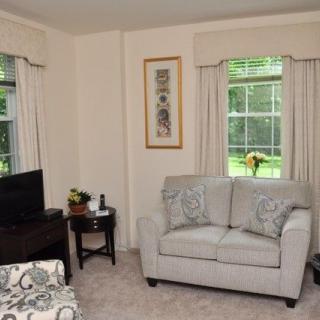
Youville Place
$6,681 to $9,053 / month
4.8 miles away
-
from -$400 / mo
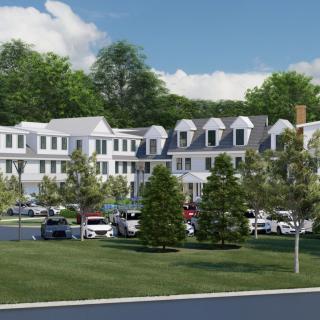
The Residence at Bedford
$6,100 to $8,800 / month
8.7 miles away
-
from +$275 / mo
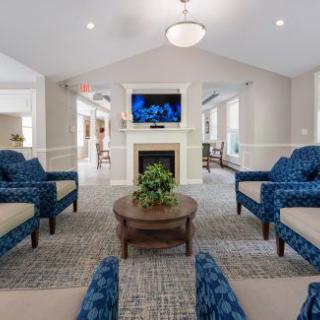
Avita of Needham
$6,775 to $9,995 / month
8.1 miles away
-
from +$600 / mo
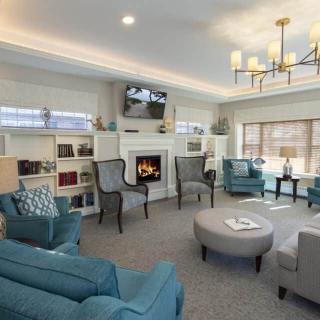
Compass On The Bay
$7,100 to $7,925 / month
6.7 miles away
-
from -$905 / mo
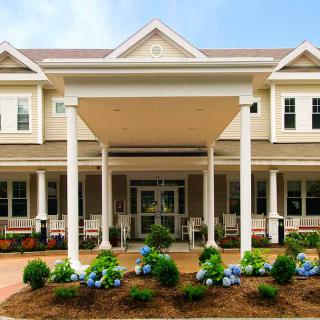
Atria Longmeadow Place
$5,595 to $8,995 / month
7.4 miles away
Overall Review of Neville Place
differentiator
4 reviews mention this
Alzheimer’s-focused memory care
Residents highlight strong Alzheimer's knowledge alongside a dedicated memory care program.
Several reviewers reference the Compass memory support wing and describe a program that felt like the best memory care unit they saw. Others specifically mention staff knowledge for Alzheimer’s issues and handling what comes up, without defaulting to more medication. One review also ties the memory care focus to specialized Alzheimer’s expertise, reinforcing why families chose this community for that need.
common
4 reviews mention this
Meals and restaurant-style dining
Dining stands out for families who mention good food and flexible meal options.
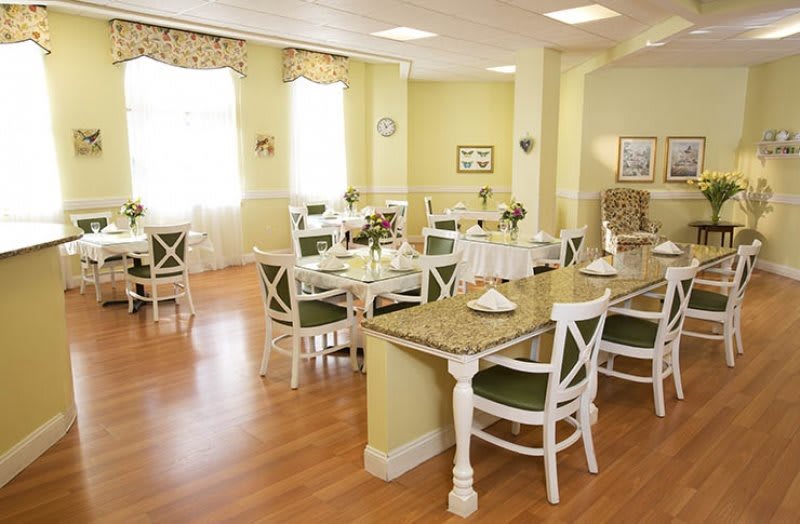
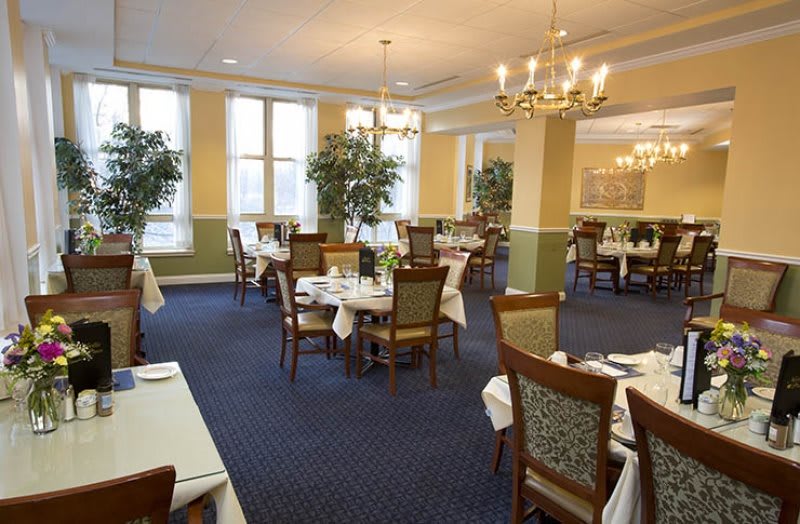
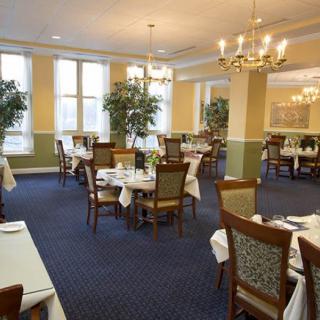
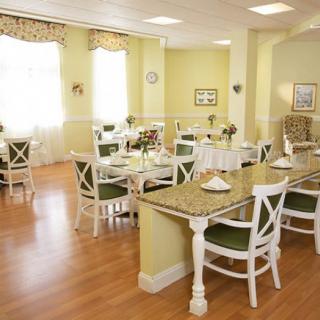
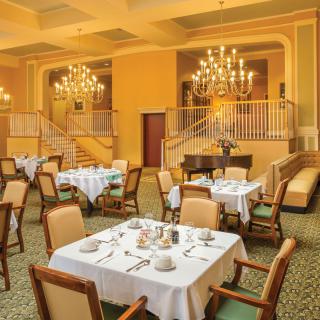
Multiple residents and families mention the food positively, including “good” meals and a dining setup described as family-style with multiple daily choices. One visitor specifically said the food looked good after touring, and another described enjoying lunch with friends. The community also offers restaurant-style dining and meals provided, which matches the recurring emphasis on the dining experience.
common
4 reviews mention this
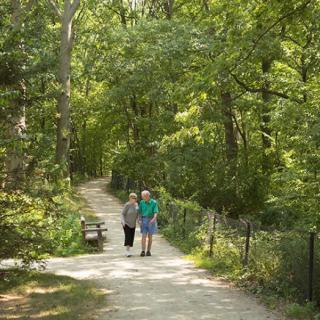
Fresh Pond walking access
Outdoor access for daily walking is a recurring highlight for residents and families.
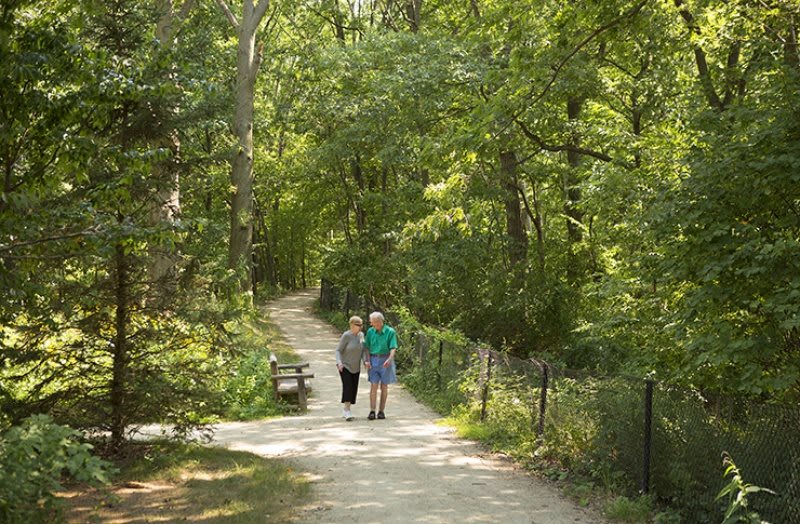
Reviewers consistently describe the ability to get outside for walks, including routes connected to the Fresh Pond area and daily opportunities for movement. One family specifically valued the scenery and walking trails for making city living feel like a better fit. Others also point to on-premises walking options, including a longer pond walk, which is presented as a meaningful part of daily life.
common
9 reviews mention this
Caring, responsive staff support
Residents and families repeatedly describe staff as caring, responsive, and supportive.
Across reviews, families praise day-to-day help and responsiveness, including staff who treat residents with love and respect and who follow through on care commitments. Several mention nurses and caregivers as approachable and attentive when questions come up or when care needs change. Even reviewers who raise concerns still describe parts of the experience that feel friendly and supportive, suggesting the community’s strongest feedback centers on interpersonal care.
caveat
3 reviews mention this
Administration and care limits
Some families report gaps in medication administration and limits on care coordination.
One reviewer describes inconsistency with administering eye drops under a self-administered drug program, framing it as a potential risk for residents who need strict adherence. Another points out that families may need to organize nurse/doctor support and that the community has limits on the care it can provide, which could require another move. A separate review raises a concern related to COVID vaccination timing and resident coverage, adding to worries about follow-through on individual needs.
caveat
2 reviews mention this
Affordability and financial options
Cost is mixed: at least one reviewer calls it cheaper locally, while pricing runs above local and state benchmarks.
Some families mention affordability by comparing it favorably to other options around them and noting “financial options.” At the same time, the community’s pricing is positioned above both county and state benchmarks across unit types. Together, the feedback suggests you can find reasons it may fit a budget, but it may still be priced higher than some alternatives depending on what you compare against.
How we summarize
Counts show how many written reviews mention each theme; a review can touch several themes, and only frequently mentioned themes are displayed.

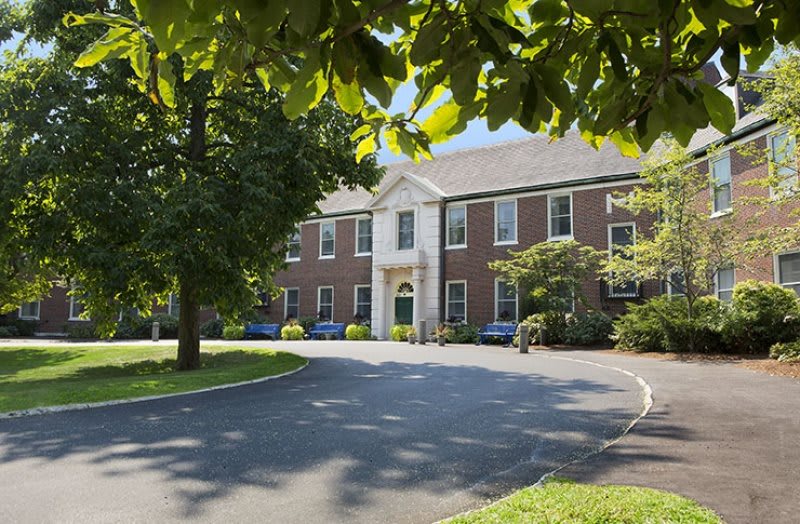
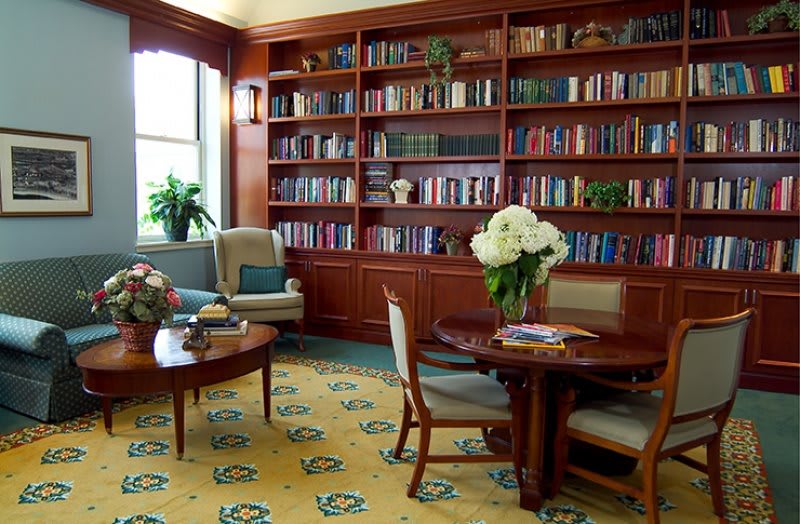

 Assisted Living
 Memory Care
 Activities off-site
 Air-conditioning
 Beautician on-site
 Devotional services off-site
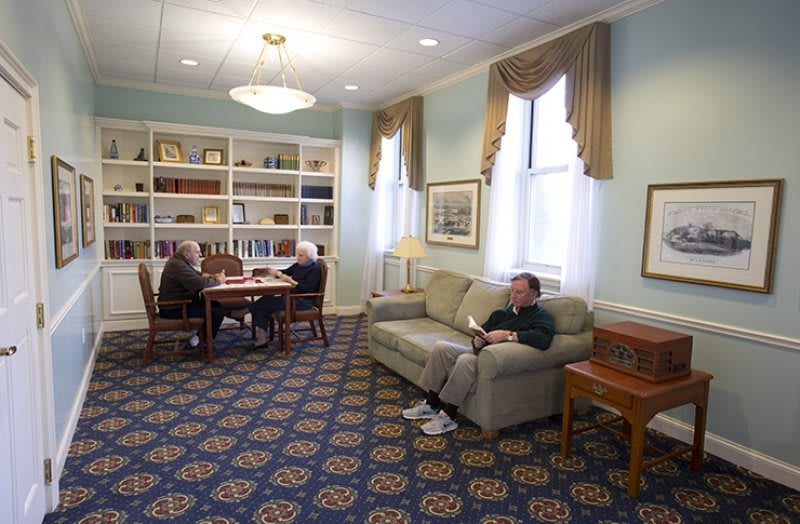
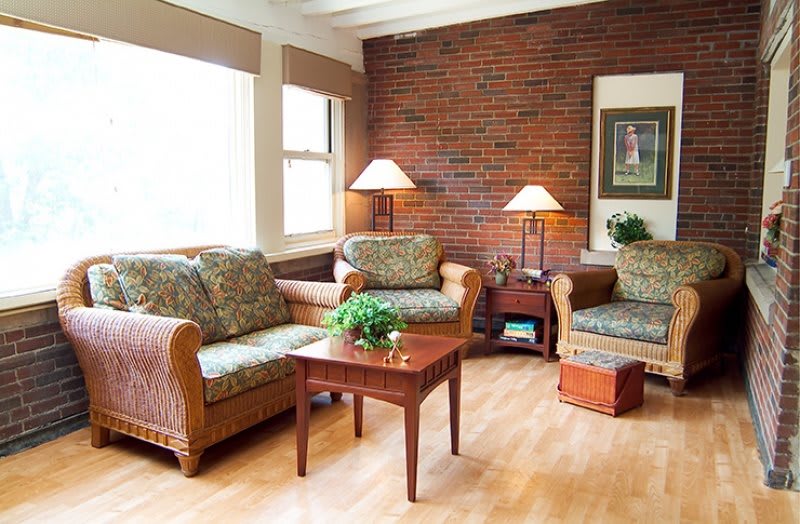
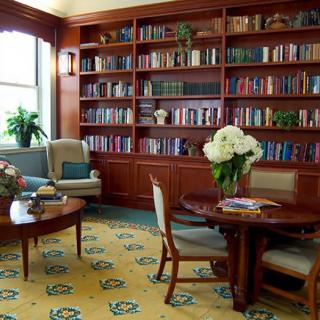
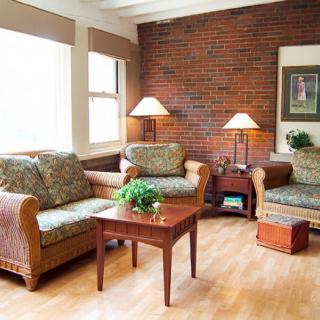
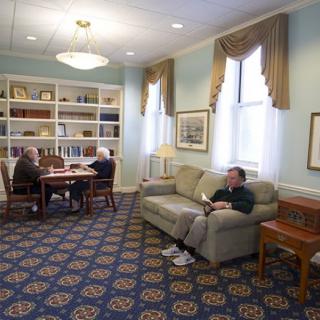
 Indoor common areas
 Kitchenette
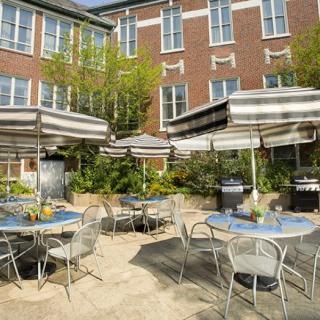
 Outdoor common areas
 Wheelchair accessible showers
 Gen Edw L Logan International (8 miles away)
 Ambulatory care
 Diabetic care
 Incontinence care
 Medication management
 Anytime dining
 Art classes
 Cooking classes
 Day trips and outings
 Educational speakers / life long learning
 Happy hour
 Karaoke
 Live dance or theater performances
 Live musical performances
 Stretching classes
 Wine tasting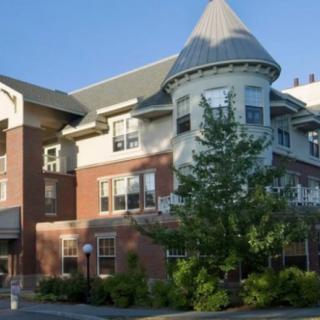
 Caring staff and clean, well-maintained facilities.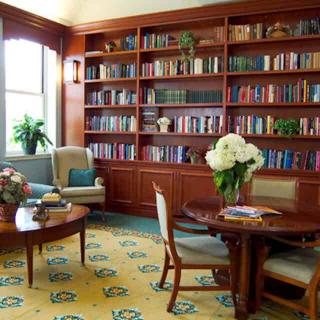


 Medications Associated with Dementia Risk: A Comprehensive Overview
 Guiding Your Journey: Understanding Power of Attorney for Elderly Parents
 22 Remarkable Caregiver Support Groups Available Online and In-Person