For more information about senior living options: (866) 208-4318
3.9 from 88 reviews
5 stars
45
4 stars
17
3 stars
8
2 stars
6
1 stars
12
Sunrise of Arlington Costs & Pricing
Sunrise of Arlington offers a range of accommodations with costs that reflect its premium services and amenities compared to the broader market. For instance, the monthly rate for a semi-private room is $7,260, which exceeds the average costs in Middlesex County at $6,395 and Massachusetts overall at $5,805. Similarly, residents opting for a studio will pay $9,000 per month - significantly higher than both Middlesex County's average of $5,867 and the state's typical rate of $5,312. The pricing continues to reflect this trend with one-bedroom units listed at $9,840, well above the county's rate of $5,920 and the state average of $5,349. These figures highlight Sunrise of Arlington's positioning within a competitive landscape where it aims to deliver superior care and quality of life for its residents.
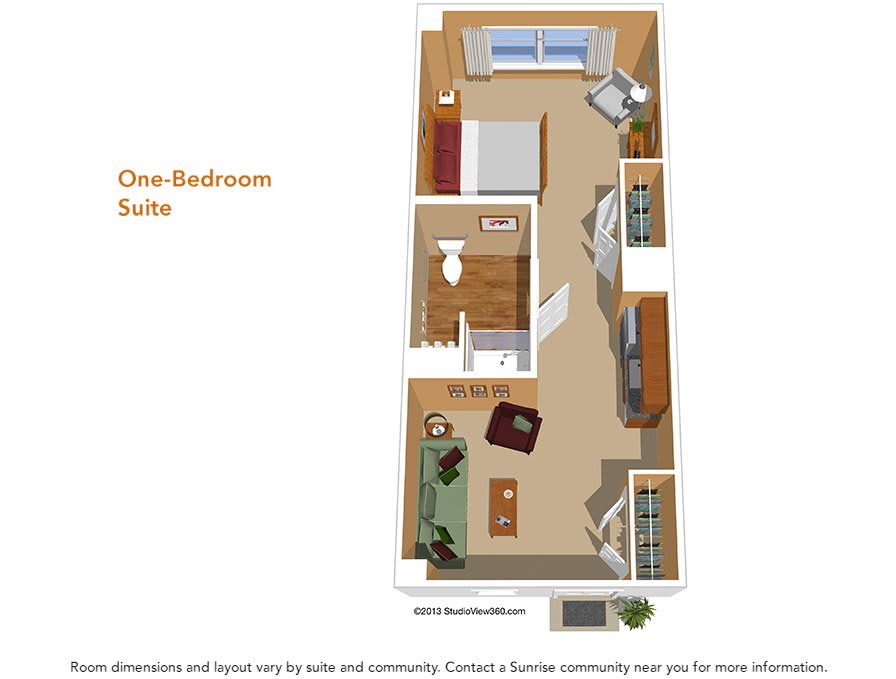
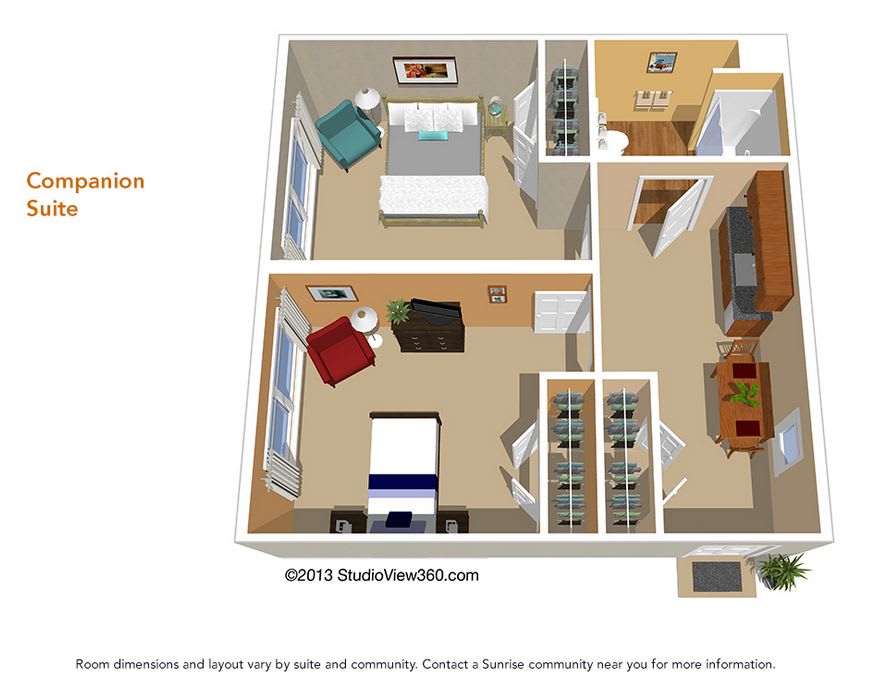
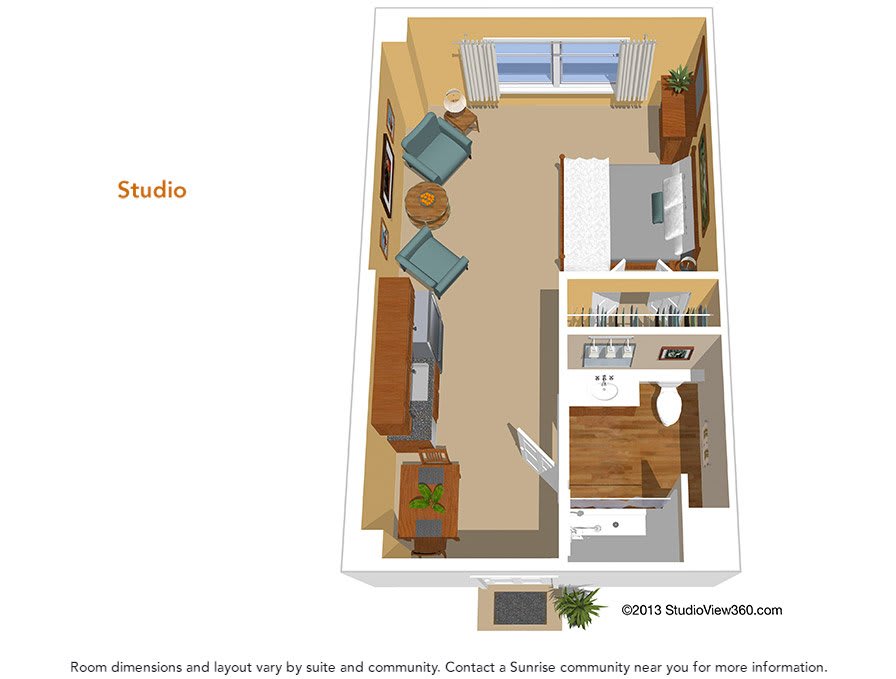
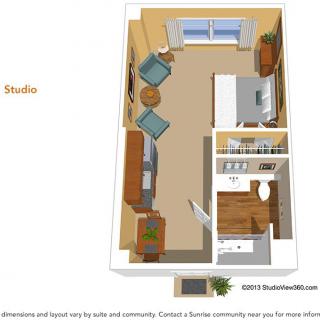
Floor plans
Sunrise of Arlington
Middlesex County
Massachusetts
Semi-Private
$7,260
$6,395
$5,805
Studio
$9,000
$5,867
$5,312
1 Bedroom
$9,840
$5,920
$5,349
Memory care communities with a similar price nearby
Residents and families repeatedly describe staff as kind, patient, and supportive.
A large share of reviews emphasize how staff members show respect, warmth, and patience toward residents while also communicating with families. Several reviewers specifically call out professional nursing and care teams as responsive when health needs change. A number of people also mention staff comfort during difficult transitions, including end-of-life support and memory care routines.
common12 reviews mention this
Dining quality is a frequent highlight
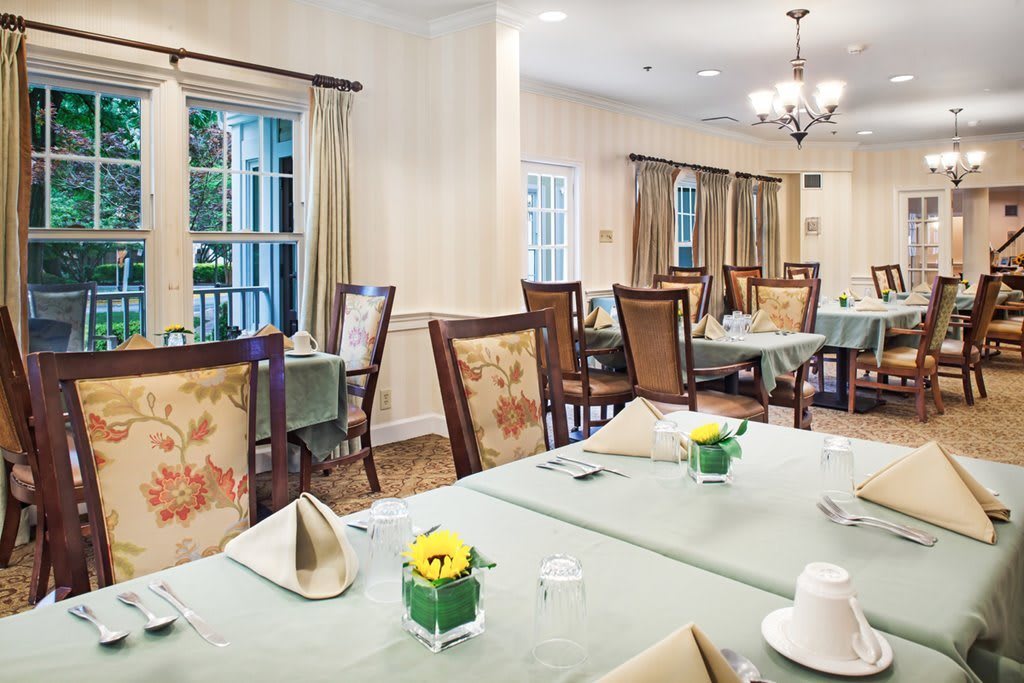
Dining stands out, with residents describing meals as delicious and well handled.
Many reviews point to the dining room experience as consistently strong, often describing meals as tasty and restaurant-style. Families also mention attentive dining support and responsiveness around what residents can eat or need day to day. The community’s meal setup and chef-led approach show up alongside diet-related options like no-sugar and low/no-sodium meals.
common11 reviews mention this
Activities keep residents engaged
Residents describe busy schedules with activities that help them stay engaged.
Reviews repeatedly mention that daily structure and social activity are a big part of life at Sunrise, including games, exercise, arts and crafts, and outings. Some people also describe the activities coordinator as energetic and hands-on, helping residents participate rather than just watch. For families, it’s presented as a practical benefit during transitions, including periods with fewer outings.
differentiator6 reviews mention this
Memory care feels structured and respectful
Memory care reviews stress dignity, structure, and supportive staff.
Several reviews discuss the memory care experience, describing routines that help residents feel safe and supported. Families mention memory care staff treating residents with dignity and maintaining engagement through memory work and related activities. The community also indicates it provides both assisted living and memory care, aligning with how residents describe care moving as needs change.
caveat7 reviews mention this
Staffing levels can fall short
Some residents describe staffing shortages that affect day-to-day assistance.
A recurring concern is that there are times when staff are not enough to meet assistance needs, including help with getting up, toileting support, or responding promptly to care requests. Some reviewers describe situations where families felt they had to intervene or push to receive promised services. Others note that while certain staff were caring, insufficient staffing still created frustration and inconsistency.
caveat7 reviews mention this
Communication and billing need clarity
Multiple reviews cite gaps in communication and clarity about services or bills.
Several reviews describe communication problems, including accessibility issues, inconsistent information shared with families, or difficulty getting follow-up after tours and appointments. Billing is also specifically called out by at least one reviewer as lacking itemization or explanation. Even among generally positive reviews, some families still flag moments where updates about loved ones were not as clear or timely as they expected.
caveat2 reviews mention this
Pricing runs above local benchmarks
Pricing is frequently a concern compared with local reference rates.
A couple of reviews mention costs as part of the decision process, including paying extra for additional services. That concern aligns with the community’s pricing level, which is shown as above county and state reference points across unit types. Because staffing and communication can affect how services feel day to day, some families may want to clarify exactly what’s included for their specific needs.
How we summarize
Counts show how many written reviews mention each theme; a review can touch several themes, and only frequently mentioned themes are displayed.
Features
Housing
1-bedroom apartments
Studio apartments
Types of Care
Assisted Living
Memory Care
Pets
Cats allowed
Dogs allowed
Amenities
Activities off-site
Activities on-site
Air-conditioning
Beautician on-site
Cable or satellite TV
Cafe
Computer center
Devotional services off-site
Devotional services on-site
Dining room
Financing advice
Garden
Ground floor units
Guasts at mealtime
Guest parking
Handicap accessible
Housekeeping services
Indoor common areas
Kitchenette
Laundry
Outdoor common areas
Overnight guests
Party space
Private cleaning services
Resident parking
Respite or short term stays offered
TV room
VA Benefits Consultation
Wheelchair accessible showers
Wi-Fi/high-speed internet available
Transportation
Gen Edw L Logan International (10 miles away)
Care Services
High acuity care
Hospice care
Incontinence care
Medication management
Physical therapy
Dining
Guest meals
Low / no sodium
Meals provided
No Sugar
Professional chef
Restaurant style dining
Room service
Special dining programs
Activities
Activities off-site
Art classes
Arts and crafts
Cooking club
Day trips and outings
Devotional activities offsite
Devotional activities on-site
Educational speakers / life long learning
Fitness programs
Games
Gardening club
Happy hour
Live dance or theater performances
Live musical performances
Live well programs
Religious services
Stories
Tai Chi
Wine tasting
Nearby Places of Interest
This part of Arlington, Massachusetts offers a range of amenities and services that cater to the needs of seniors. There are multiple pharmacies nearby for easy access to medications and healthcare supplies. Several parks provide opportunities for outdoor recreation and relaxation, while places of worship offer spiritual fulfillment. Hospitals and physicians' offices are also conveniently located for medical care. A variety of restaurants, cafes, and theaters provide entertainment options, and public transportation options make it easy to get around the area. Overall, this neighborhood offers a well-rounded living environment with all the essential amenities for seniors looking for a comfortable and convenient place to call home.
Sunrise of Arlington offers a range of accommodations with costs that reflect its premium services and amenities compared to the broader market. For instance, the monthly rate for a semi-private room is $7,260, which exceeds the average costs in Middlesex County at $6,395 and Massachusetts overall at $5,805. Similarly, residents opting for a studio will pay $9,000 per month - significantly higher than both Middlesex County's average of $5,867 and the state's typical rate of $5,312. The pricing continues to reflect this trend with one-bedroom units listed at $9,840, well above the county's rate of $5,920 and the state average of $5,349. These figures highlight Sunrise of Arlington's positioning within a competitive landscape where it aims to deliver superior care and quality of life for its residents.
Incontinence care offered at Sunrise of Arlington is tailored to maintain dignity and comfort for residents, addressing specific needs that may arise as dementia progresses. This service not only ensures physical well-being but also alleviates anxiety associated with incontinence, fostering a sense of security among residents. Medication management is crucial in this environment, as individuals with Alzheimer's or dementia often require careful supervision of their medication schedules to prevent confusion and ensure adherence to treatment plans, which can enhance their overall health outcomes. Additionally, physical therapy services are designed to promote mobility and independence while assisting those who may struggle with coordination or strength due to cognitive decline; this holistic approach can significantly enhance the quality of life by encouraging engagement in activities and socialization within the community. Together, these features create a supportive atmosphere that addresses both the physical and emotional challenges faced by residents with memory impairments.
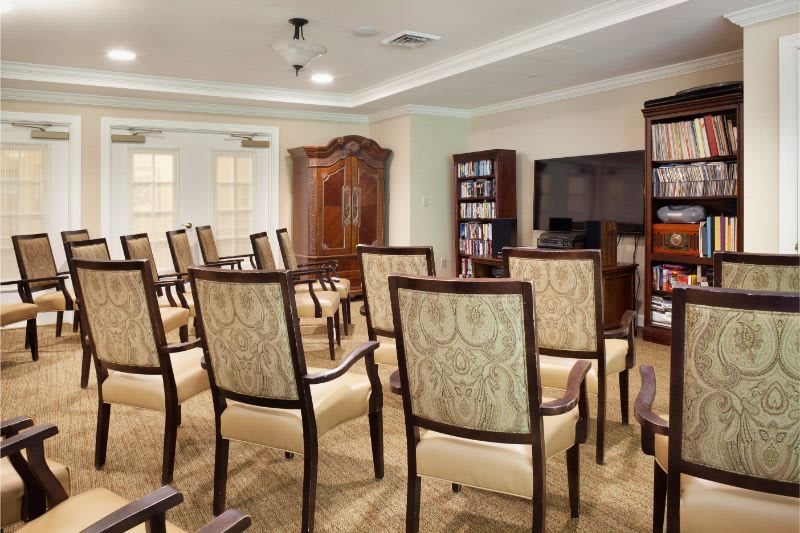
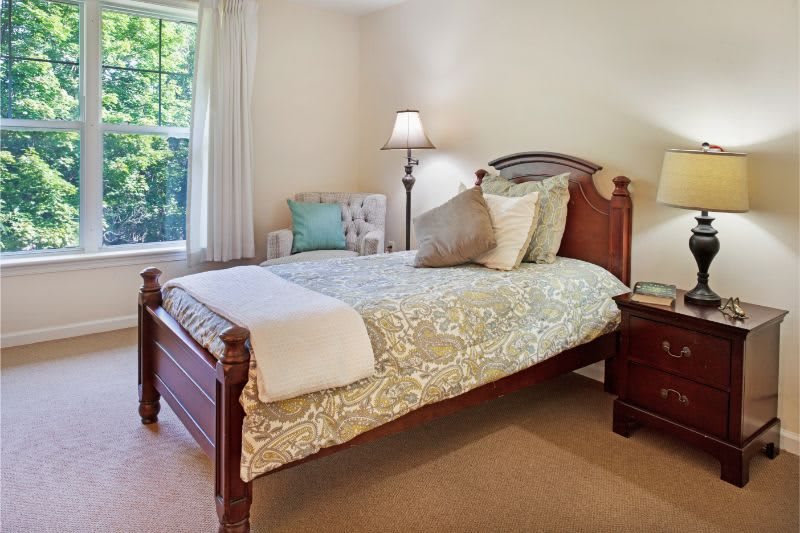
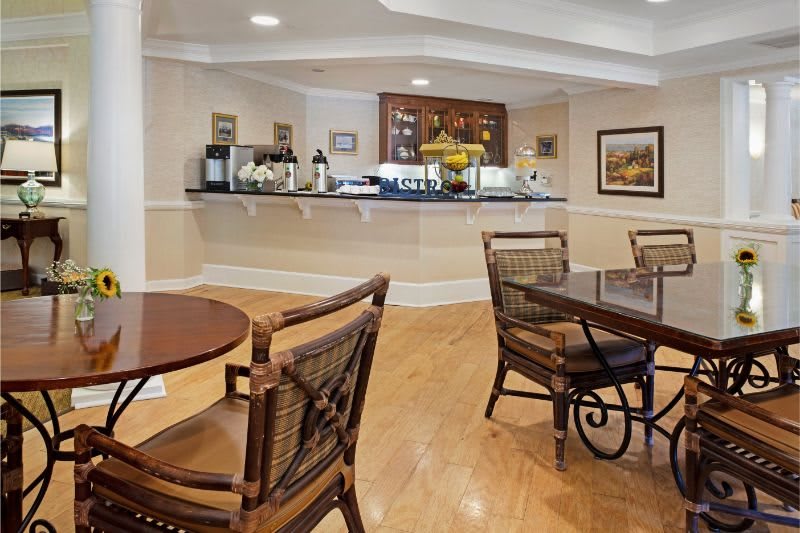
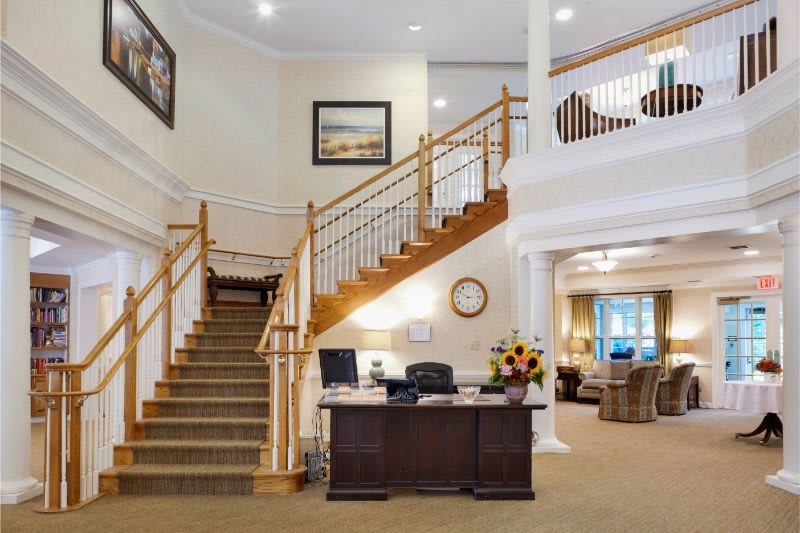
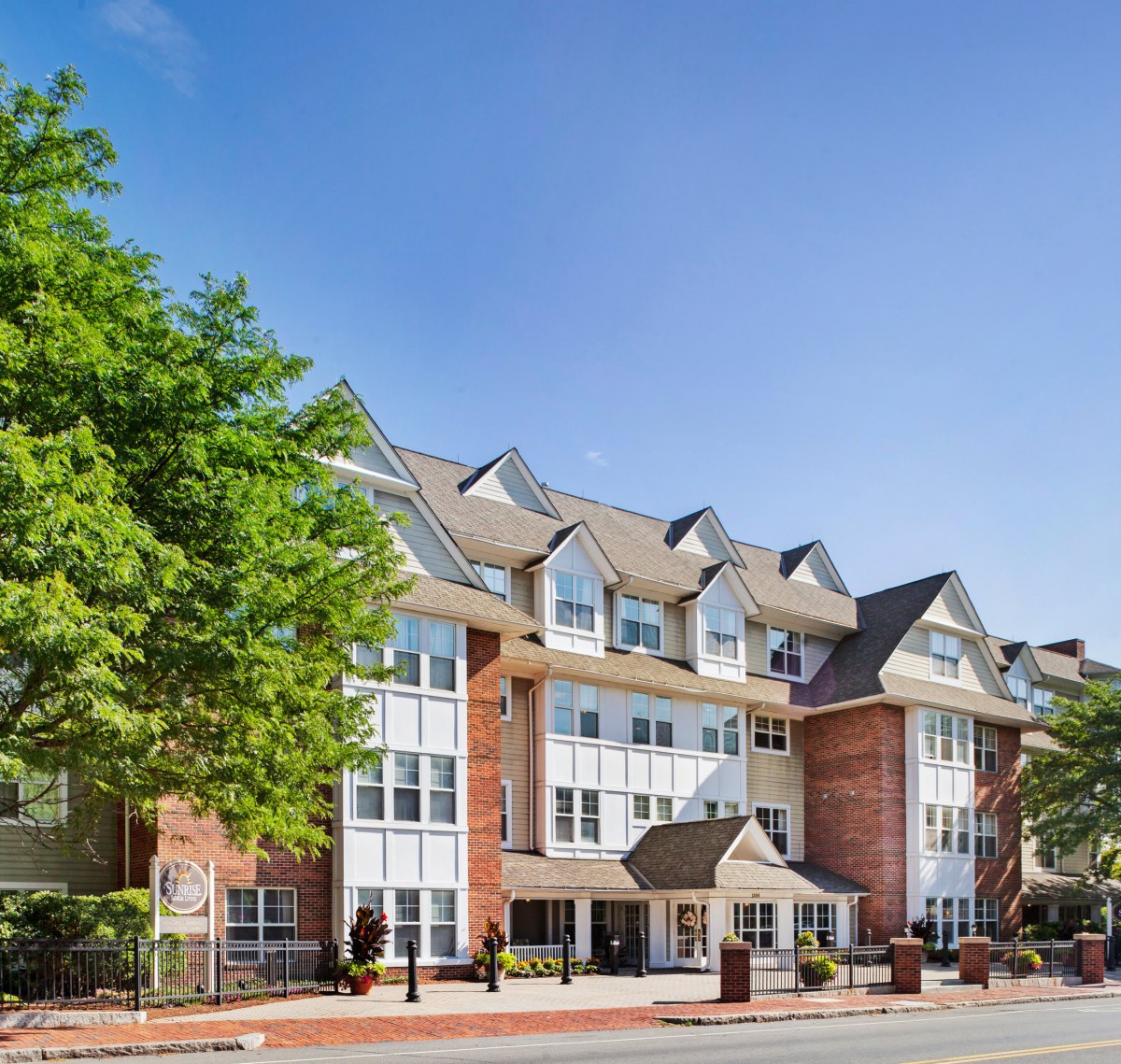
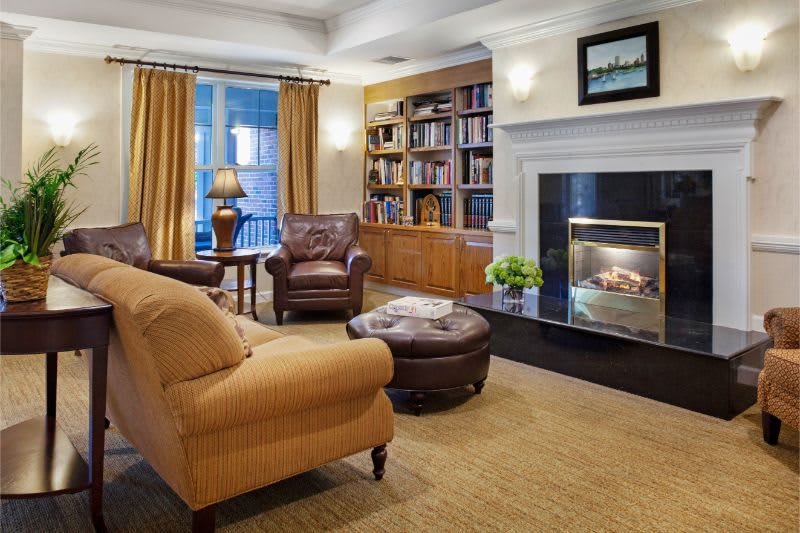
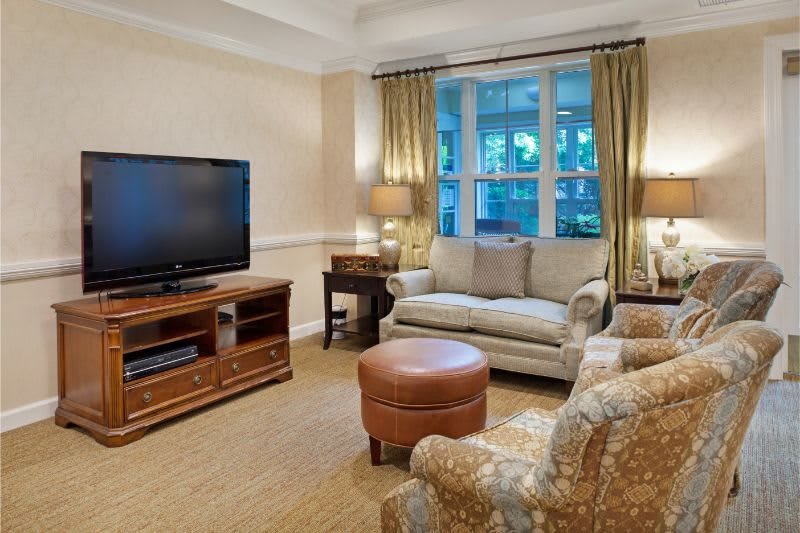
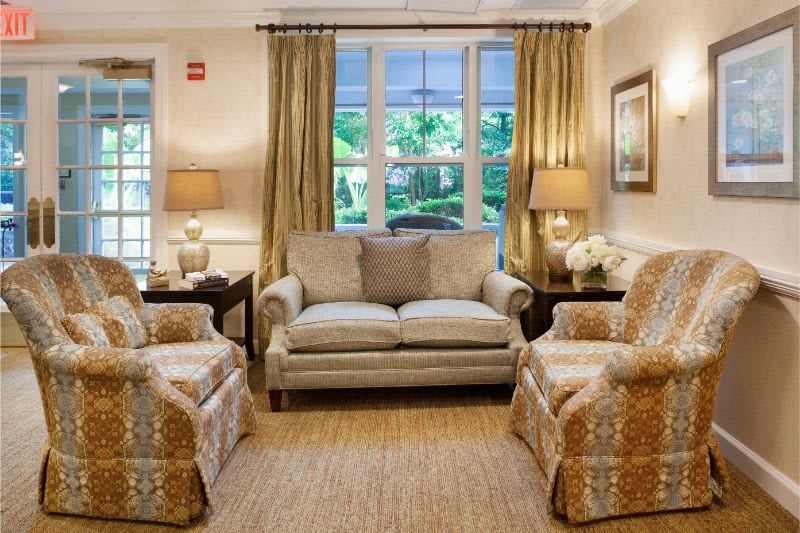
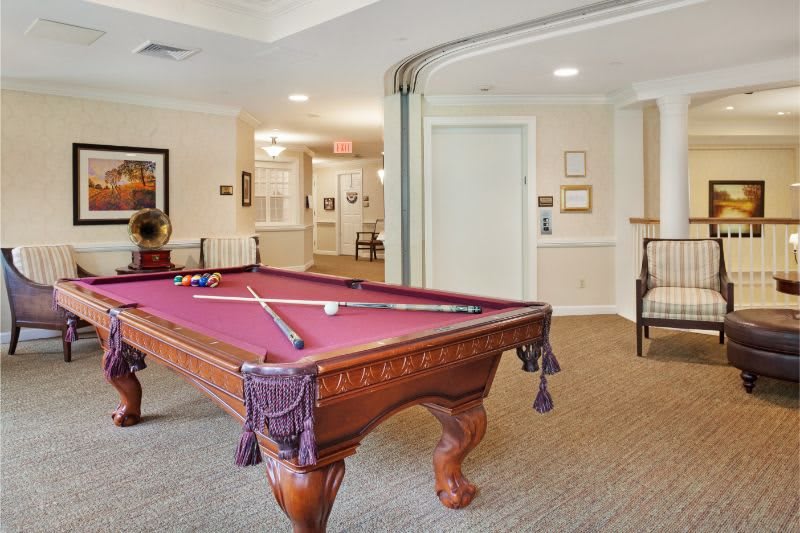
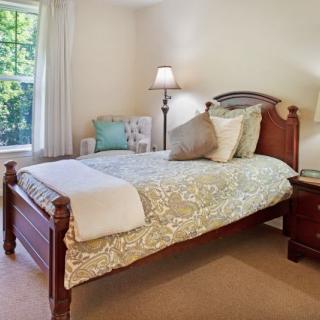
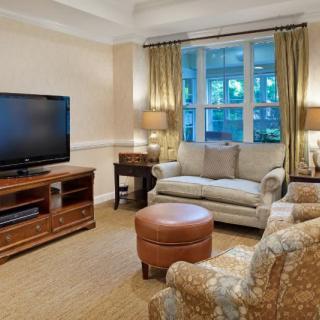
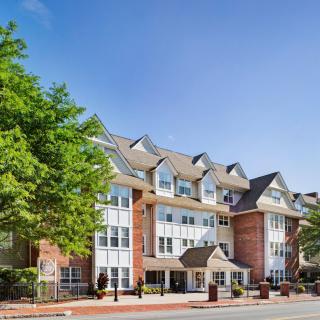
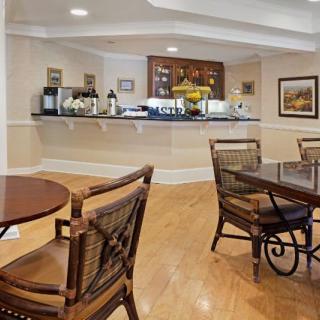
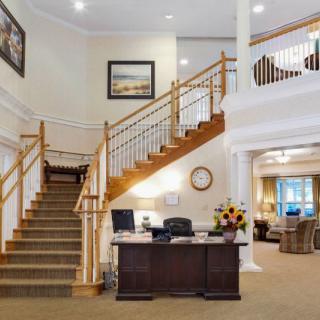
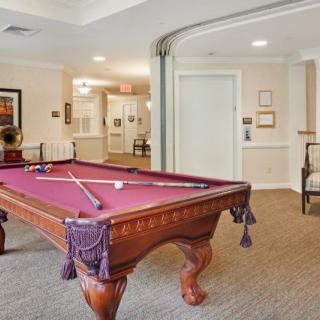
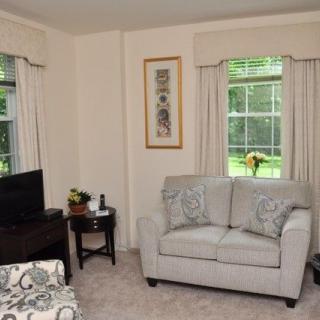
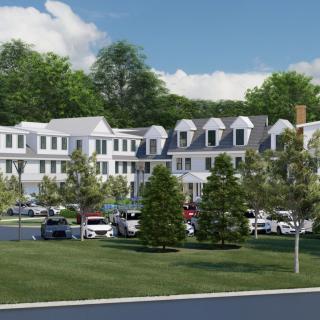
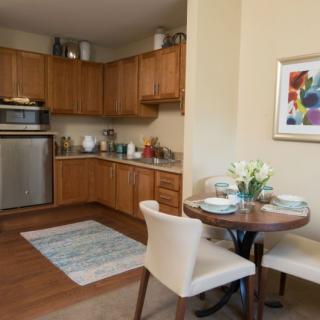
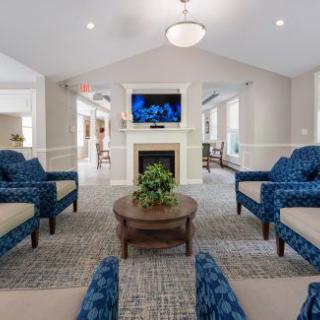
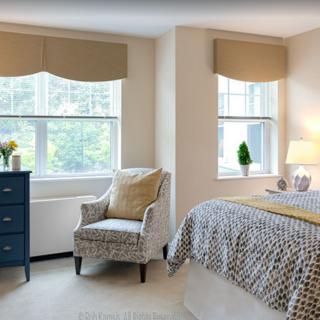
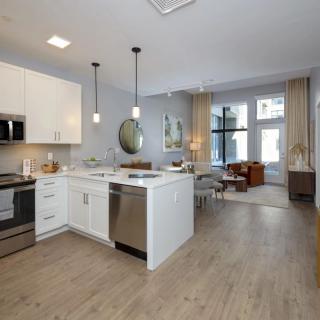
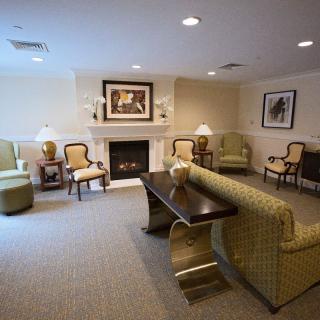
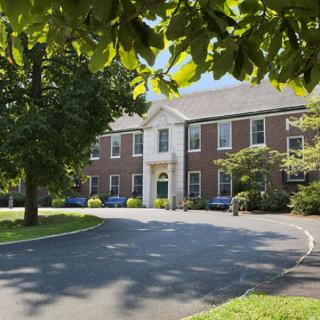
Sunrise of Arlington on seniors.fyi includes 14 photos including images showing interior, floor plan, decor, windows, bedroom, dining, living room, television, and more.
Nearby Communities
Sunrise of Arlington MA
Arlington, MA
4.2 from 74 reviews
Attractive, activity-rich environment with caring staff.
Park Avenue Health Center
Arlington, MA
4 from 91 reviews
High-quality care with friendly, professional staff and a clean, well-maintained facility.
Care One At Lexington
Lexington, MA
3.4 from 103 reviews
Strong rehabilitation therapy and caring nursing staff, with consistently clean facilities.
Pine Knoll Nursing Center
Lexington, MA
3.4 from 19 reviews
Caring, devoted staff delivering exceptional care in a comfortable setting.
Brightview Arlington
Arlington, MA
4.3 from 84 reviews
$3,995 to $8,300 / month
Beautiful, clean, well-maintained facility with engaging activities and strong memory-care safety.
Waterstone of Lexington
Lexington, MA
4.8 from 26 reviews
Comprehensive memory care with 24/7 supervision and robust on-site amenities (dining, fitness, salon, transportation, private apartments).
Artis Senior Living of Lexington
Lexington, MA
4.3 from 54 reviews
$9,250 / month
Compassionate staff with memory-care focus and engaging activities in a clean, well-maintained setting.
Bridges by EPOCH at Lexington
Lexington, MA
4.9 from 37 reviews
$9,500 / month
Friendly, professional, and caring staff.
Neville Place
Cambridge, MA
4.5 from 22 reviews
$6,500 to $7,750 / month
Home-like environment with attentive staff and a diverse activities program near Fresh Pond.
Dementia, influenced by aging and certain medications, may be exacerbated by drug classes such as anticholinergics, benzodiazepines, and antipsychotics, which are associated with cognitive impairment. Regular medication reviews by healthcare professionals are crucial for older adults to manage risks and optimize cognitive health.
Dementia often results in disrupted sleep patterns, leading to excessive daytime sleeping due to factors like brain damage affecting circadian rhythms, medication side effects, and lack of structure in daily activities. Caregivers must monitor these changes closely, as oversleeping can increase risks such as malnutrition or dehydration, and provide necessary support and routines to enhance patient engagement and well-being.
The transition from assisted living to skilled nursing care is often prompted by complex medical needs that assisted living cannot meet, with key indicators including frequent health declines, increased falls, severe memory issues, and caregiver burnout. Families should recognize these signs early to discuss options with healthcare providers and prepare for the emotional and logistical aspects of moving to a facility that offers comprehensive medical support.
Get PricingAsk A QuestionSchedule A TourContact Senior Advisor
By clicking submit, you agree to our Partner's Terms of Use. You
also consent to receive calls and texts, which may be autodialed, from our Partner. Your consent is not a condition to
using our Partner's service. Please visit our Partner's Privacy Policy for information about their privacy practices.






 1-bedroom apartments
 Assisted Living
 Memory Care
 Cats allowed
 Dogs allowed
 Activities off-site
 Air-conditioning
 Beautician on-site
 Cable or satellite TV
 Cafe
Cafe Computer center
 Devotional services off-site
 Dining room
 Financing advice
 Garden
 Ground floor units
 Guest parking
 Handicap accessible
 Housekeeping services
 Indoor common areas
 Kitchenette
 Laundry
 Outdoor common areas
 Overnight guests
 Party space
 Respite or short term stays offered
 Wheelchair accessible showers
 Wi-Fi/high-speed internet available
 Gen Edw L Logan International (10 miles away)
 High acuity care
 Hospice care
 Incontinence care
 Medication management
 Physical therapy
 Guest meals
 Art classes
 Cooking club
 Day trips and outings
 Educational speakers / life long learning
 Fitness programs
 Games
Games Happy hour
 Live dance or theater performances
 Live musical performances
 Live well programs
 Stories
 Wine tasting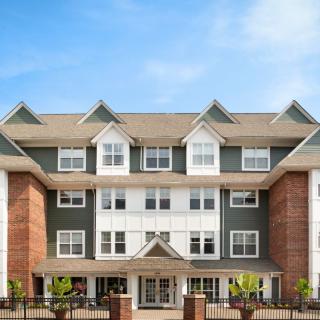
 Attractive, activity-rich environment with caring staff.


 A Thorough Discussion of Medications Potentially Linked to Dementia Risk
 Why Do Dementia Patients Sleep So Much? Understanding Oversleeping, Stages, and Care Approaches
 8 Key Indicators That Suggest It May Be Time to Transition from Assisted Living to Skilled Nursing Care