For more information about senior living options: (866) 208-4318
4.8 from 26 reviews
5 stars
24
4 stars
0
3 stars
1
2 stars
0
1 stars
1
Overall Review of Waterstone of Lexington
common22 reviews mention this
Staff support is repeatedly praised
Residents and families consistently describe staff as knowledgeable, kind, and responsive.
Across reviews, people describe a team that takes time to know residents, communicates well, and follows through on support and daily needs. Many also highlight staff members by role during visits, tours, and community events. There is one highly critical review tied to concerns around how administration handled a dementia-related situation, including communication with family and a later move out.
common12 reviews mention this
Activities and events keep busy
The community offers frequent activities that residents can join easily.
Residents and visitors describe a steady flow of activities and events, from daily programming to lectures and movies. Several reviews mention community engagement during celebrations, and families say it is easy to find something that fits. The amenity list also reflects a structured activity and wellness offering, including scheduled daily activities and fitness programs.
common10 reviews mention this
Dining is a frequent highlight
Food quality and dining service come up often in reviews.
Many reviews mention food as a standout, with families describing meals that are enjoyable and help residents maintain or gain weight. Others specifically call out the dining experience during visits and day-to-day care. The community also offers restaurant-style dining and provides meal preparation and service, along with special dietary restrictions listed in care and dining details.
common8 reviews mention this
Quality spaces and options
Reviews frequently describe the building and apartments as attractive and comfortable.
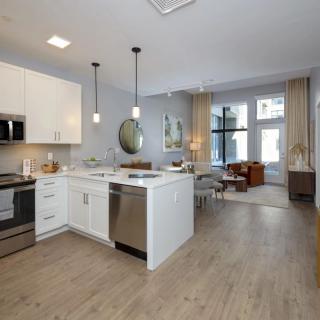
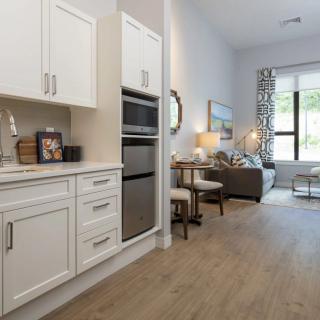
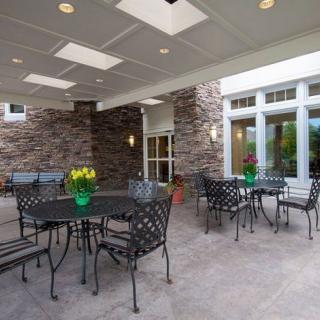
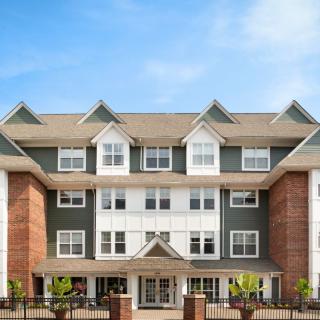
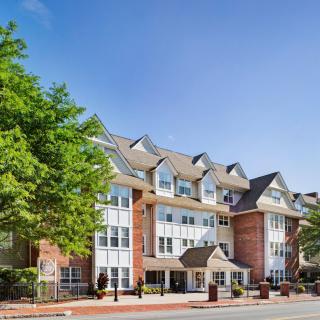
Multiple reviewers describe the property as beautiful and the apartments as well appointed, bright, and welcoming. Several also mention outdoor areas and spaces to spend time. The community’s amenity list aligns with this feel by including features like outdoor space, a garden, and fully furnished residences.
caveat2 reviews mention this
Care level and cost can shift
Some families raise concerns about how care needs and costs are handled over time.
One review warns that the community may not provide a continuum of care beyond a single-person assist level and says families should expect additional private aide costs if care needs increase. Another critical review describes a difficult dementia-related transition that resulted in a move out and added stress for family members, including concerns about communication and timing. Together, these reviews suggest that families should clarify care escalation expectations before moving in.
How we summarize
Counts show how many written reviews mention each theme; a review can touch several themes, and only frequently mentioned themes are displayed.
The features offered at Waterstone of Lexington are designed to create a supportive and nurturing environment for residents experiencing memory challenges. With 24-hour supervision, residents benefit from constant oversight, ensuring their safety and immediate assistance when needed. Activities of daily living assistance, including help with bathing, dressing, and transfers, are tailored to promote independence while providing the necessary support that enhances their quality of life. Coordination with healthcare providers ensures that any medical needs are promptly addressed, while medication management keeps track of prescriptions critical for their well-being. The meal preparation and service cater to nutritional needs, which is vital for maintaining health. Additionally, specialized memory care programming focuses on engaging cognitive activities that stimulate mental wellness and cater specifically to those with mild cognitive impairment or advanced dementia. Transportation arrangements for medical purposes further facilitate access to essential healthcare services, completing a comprehensive approach to memory care that prioritizes both physical safety and emotional support.
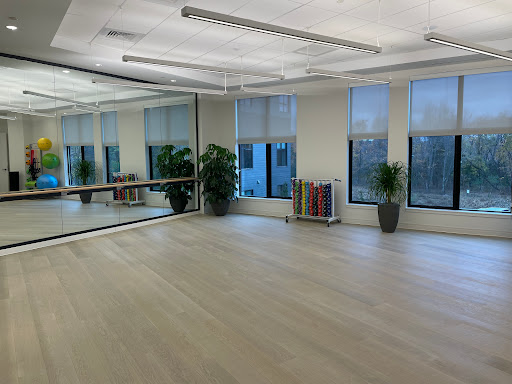
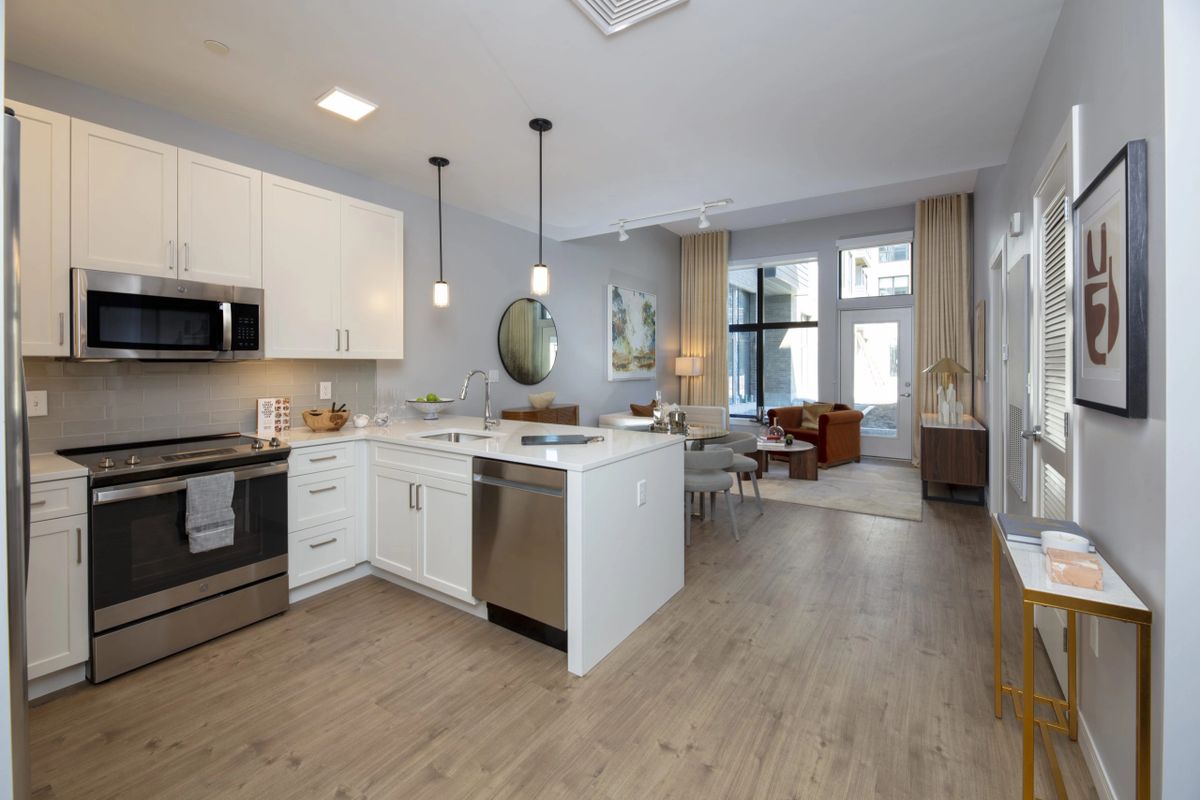
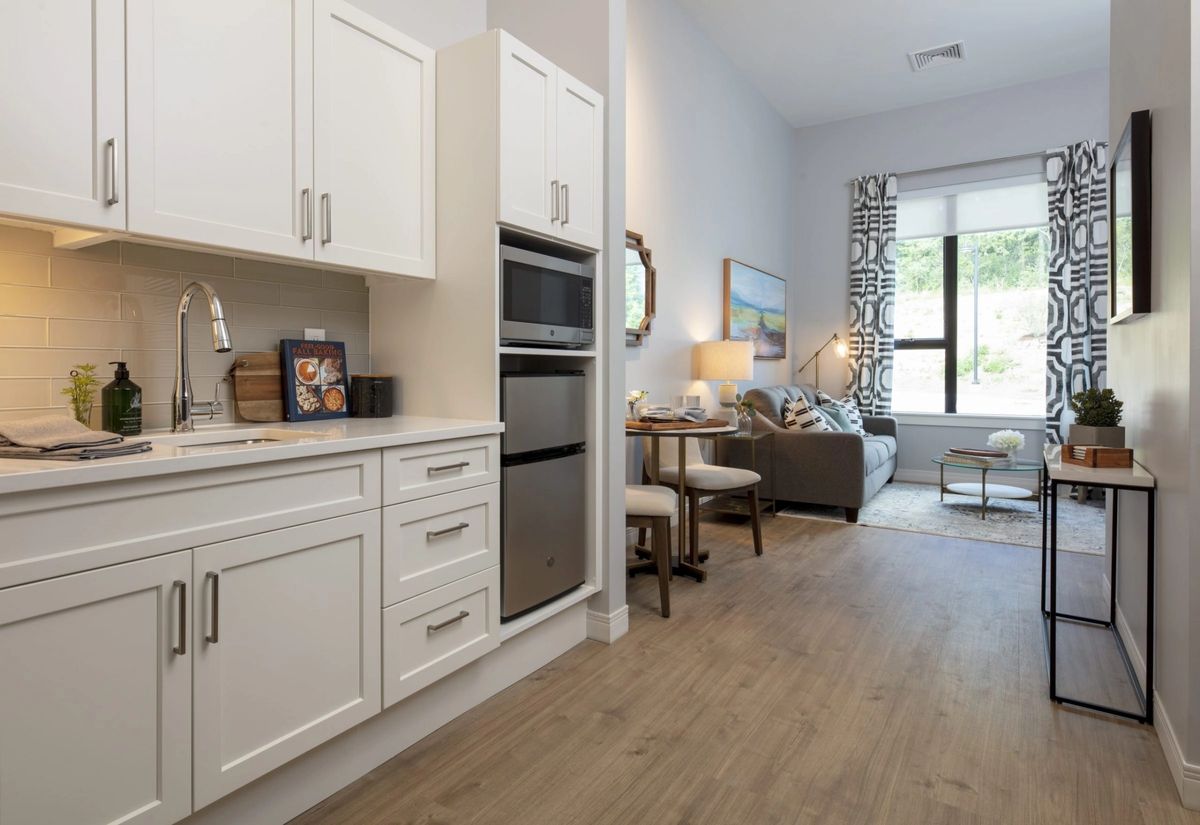
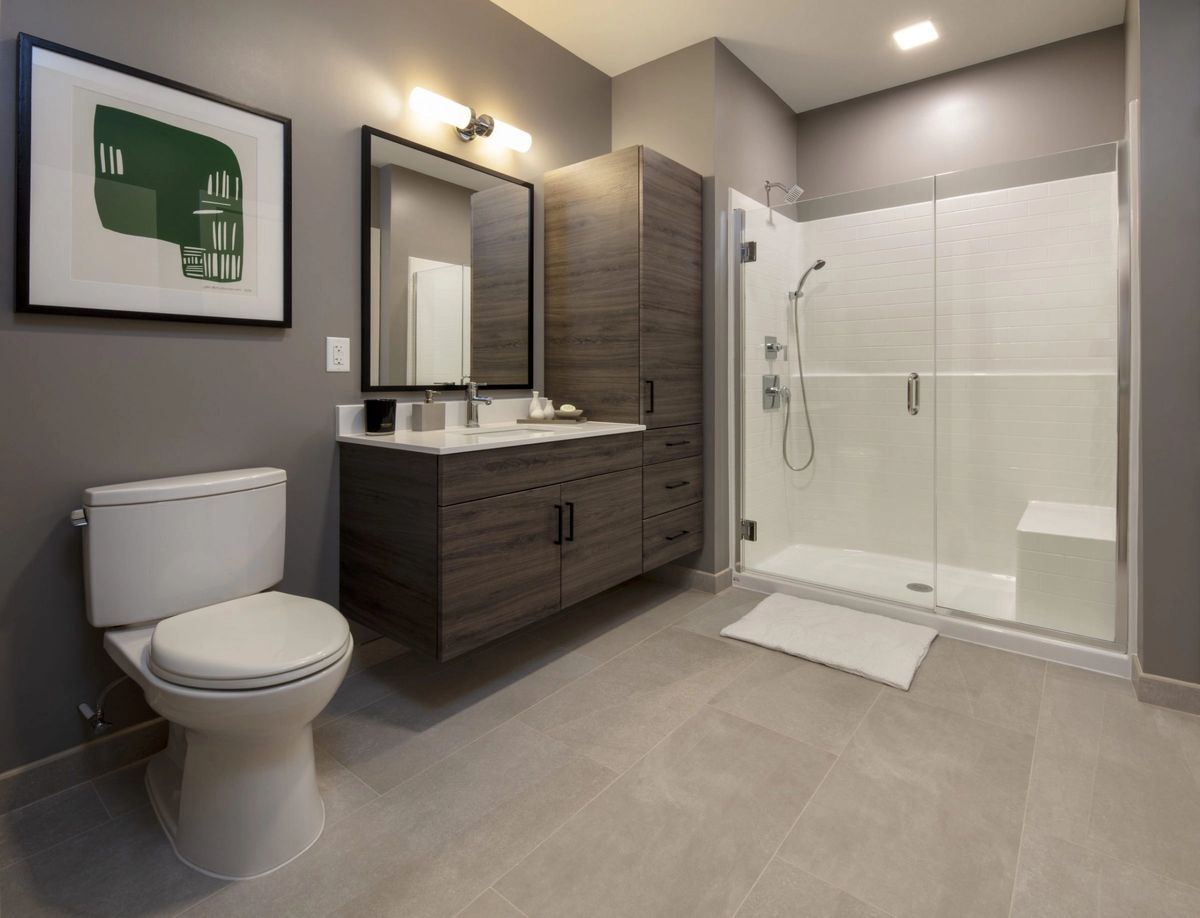
Waterstone of Lexington on seniors.fyi includes 9 photos including images showing interior, living room, kitchen, dining, decor, bedroom, windows, bathroom, and more.
Nearby Communities
Pine Knoll Nursing Center
Lexington, MA
3.4 from 19 reviews
Caring, devoted staff delivering exceptional care in a comfortable setting.
Meadow Green Nursing And Rehabilitation Center
Waltham, MA
3.7 from 43 reviews
Extensive on-site amenities and 24/7 care
Brookhaven at Lexington
Lexington, MA
4.3 from 55 reviews
Caring staff, engaging activities, and clean, well-maintained facilities.
Brookhaven At Lexington
Lexington, MA
4.5 from 46 reviews
Comprehensive 24/7 care with extensive on-site amenities and respite options.
Sunrise of Arlington MA
Arlington, MA
4.2 from 74 reviews
Attractive, activity-rich environment with caring staff.
Sunrise of Arlington
Arlington, MA
3.9 from 88 reviews
$7,260 to $9,840 / month
Engaged staff and a lively activities program with quality dining.
Artis Senior Living of Lexington
Lexington, MA
4.3 from 54 reviews
$9,250 / month
Compassionate staff with memory-care focus and engaging activities in a clean, well-maintained setting.
Brightview Arlington
Arlington, MA
4.3 from 84 reviews
$3,995 to $8,300 / month
Beautiful, clean, well-maintained facility with engaging activities and strong memory-care safety.
Medicaid coverage for assisted living varies by state and is primarily available to low-income individuals, with eligibility dependent on strict income and asset limits. Some states offer HCBS waivers for specific services in assisted living, but families must generally cover room and board costs, and should verify facility acceptance of Medicaid while considering potential waiting lists.
Medicaid waivers for assisted living services provide vital support for seniors and individuals with disabilities in need of long-term care, with varying state-specific eligibility criteria and benefits. These waivers cover personal care and case management but often do not fully cover room and board, leading to waiting lists for many applicants.
The article compares assisted living and skilled nursing facilities, detailing their differing levels of assistance, medical support, cost structures, and day-to-day experiences. It emphasizes that assisted living is for those needing help with daily activities while maintaining independence, whereas skilled nursing facilities provide intensive medical care with 24-hour staff supervision.
Landscaping, Building, Architecture, and Aerial View
Windows
Bathroom, Lighting, and Shower
Kitchen
Natural Light, Hardwood Floor, Living Area, and Open Concept
Modern Furniture
Pendant Lights
Get PricingAsk A QuestionSchedule A TourContact Senior Advisor
By clicking submit, you agree to our Partner's Terms of Use. You
also consent to receive calls and texts, which may be autodialed, from our Partner. Your consent is not a condition to
using our Partner's service. Please visit our Partner's Privacy Policy for information about their privacy practices.










 Assisted Living
 Independent Living
 Memory Care
 Air-conditioning
 Beauty salon
 Cable or satellite TV
 Computer center
 Dining room
 Fitness room
 Fully furnished
 Gaming room
 Garden
 Housekeeping services
 Kitchenette
 Move-in coordination
 Outdoor space
 Private bathrooms
 Restaurant-style dining
 Small library
 Telephone
 Wellness center
 Wi-Fi/high-speed internet available
 Gen Edw L Logan International (11 miles away)
 Community operated transportation
 12-16 hour nursing
 24-hour call system
 Activities of daily living assistance
 Assistance with bathing
 Assistance with dressing
 Assistance with transfers
 Diabetes diet
 Hospice waiver
 Medication management
 Mental wellness program
 Special dietary restrictions
 Transportation arrangement (medical)
 Concierge services
 Planned day trips
 Caring, devoted staff delivering exceptional care in a comfortable setting.




 How and When Medicaid May Cover Assisted Living Costs
 A Detailed Exploration of Assisted Living Medicaid Waivers Across the United States
 Exploring the Contrasts Between Assisted Living and Skilled Nursing