At Multi-Medical Center, the cost of care reflects a premium offering in comparison to both Baltimore County and the broader state of Maryland. For semi-private accommodations, residents can expect to invest $7,710 per month, significantly higher than the county's average of $3,584 and the state's average of $3,545. Similarly, private rooms at Multi-Medical Center are priced at $8,460, which again surpasses Baltimore County's rate of $4,031 and Maryland's state average of $4,112. While these costs may appear elevated relative to local and state benchmarks, they often correspond with enhanced services and individualized care that prioritize patient well-being in a comprehensive healthcare environment.
Floor plans
Multi-Medical Center
Baltimore County
Maryland
Semi-Private
$7,710
$3,584
$3,545
Private
$8,460
$4,031
$4,112
Skilled Nursing Facilities with a similar price nearby
Residents and families frequently describe attentive, caring staff.
Across many reviews, families credit the team for kind, responsive care and for making loved ones feel safe and supported. Several comments highlight specific staff members for being helpful, knowledgeable, and engaged in daily needs. Even where other aspects fall short, many reviewers still single out portions of care as better than expected.
common
Therapy is a recurring focus
Physical, occupational, and speech therapy receive both praise and complaints.
A recurring theme in the reviews is therapy involvement—especially physical therapy and related disciplines. Multiple families say therapy helped with recovery, confidence, or strength, and they name therapists as competent and caring. Other reviewers complain that therapy schedules or follow-through were inadequate, with some claiming there wasn’t enough therapy or that progress didn’t match expectations.
caveat
Room sharing and privacy concerns
Shared rooms can raise privacy and comfort concerns.
Some reviewers describe overcrowding or shared room setups that they feel compromise privacy and comfort. One comment describes a specific bed arrangement where two beds are squeezed into a space, and another reviewer contrasts expectations for rooming with what was provided. On the other hand, several visitors do say the rooms they saw looked clean and well kept, suggesting experiences vary.
caveat
Communication and medication management
Several reviews mention gaps in communication and follow-through.
Communication shows up as a problem in a number of reviews, including claims that calls were not returned, updates were inconsistent, and families struggled to get answers. Some reviewers also raise concerns related to medication timing or coordination, describing missed medication or confusion around instructions. Other reviews do report smoother communication through social work or care-plan discussions, but the repeated complaints suggest this is not consistently experienced.
caveat
Facility cleanliness and upkeep
Cleanliness is mixed, with some reviewers reporting serious issues.
While many reviews mention the facility feeling clean, fresh, or well kept, several others describe dirty conditions and poor upkeep. Negative comments include complaints about dirty floors, unstocked supplies, and rooms that did not feel maintained. A few reviewers also mention specific fixes being resolved after they raised issues, indicating some problems may be addressed when brought to attention.
How we summarize
We summarize when many written reviews mention each theme; a review can touch several themes, and only frequently mentioned themes are displayed.
Features
Housing
Studio apartments
Types of Care
Skilled Nursing Facility
Amenities
Beautician on-site
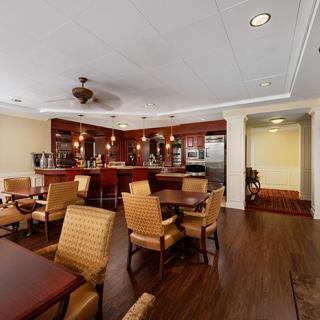
Dining room
Garden
Housekeeping services
Laundry
Private
Respite or short term stays offered
Transportation
Baltimore-Washington International (15 miles away)
Care Services
Medication management
Physical therapy
Activities
Religious services
Languages Spoken
English
Nearby Places of Interest
Located in Baltimore, Maryland, this area offers a variety of amenities and services that cater to the needs of seniors. With close proximity to hospitals such as Greater Baltimore Medical Center and MedStar Good Samaritan Hospital, residents have access to quality healthcare. There are also numerous physicians' offices nearby, providing convenient medical care options. Additionally, there are several pharmacies for easy prescription refills. For leisure activities, there are parks like Lake Roland and Cromwell Valley Park for outdoor enjoyment. Nearby cafes such as Starbucks and Miss Shirley's Cafe offer socializing opportunities. The neighborhood is well-connected with public transportation options like Lutherville Light Rail Station and Penn Station, making it easy for seniors to get around the city if needed. Overall, this area provides a comfortable and convenient living environment for seniors looking for a vibrant community with essential amenities close by.
Physicians
O'Dea Building- St Josephs Hospital (0.3 miles)
Greater Baltimore Medical Center (1 miles)
Clinical Associates (1 miles)
Pediatric Partners (1.6 miles)
Advanced Allergy & Asthma Center (2.1 miles)
Dr Richard A. Adler, Belcara Health Ophthalmology (2.7 miles)
Scottish Rite Speech & Language Center (3.7 miles)
Hospitals
Sheppard Pratt Health System (0.7 miles)
GBMC (1 miles)
MedStar Good Samaritan Hospital (2.3 miles)
Sinai Hospital Of Baltimore (3.9 miles)
Johns Hopkins Medicine at Green Spring Station (4 miles)
MedStar Union Memorial Hospital (4.1 miles)
Lifebridge Health Campus Service (4.6 miles)
Restaurants
Subway (0.9 miles)
THB - Towson (0.9 miles)
The Cheesecake Factory (1.2 miles)
McDonald's (1.4 miles)
McDonald's (1.6 miles)
Zen West Roadside Cantina (1.7 miles)
Burger King (1.7 miles)
Theaters
Cinemark Towson And Xd (0.9 miles)
Places of Worship
Church of the Immaculate Conception (1 miles)
Brown Memorial Woodbrook Presbyterian Church (1.3 miles)
At Multi-Medical Center, the cost of care reflects a premium offering in comparison to both Baltimore County and the broader state of Maryland. For semi-private accommodations, residents can expect to invest $7,710 per month, significantly higher than the county's average of $3,584 and the state's average of $3,545. Similarly, private rooms at Multi-Medical Center are priced at $8,460, which again surpasses Baltimore County's rate of $4,031 and Maryland's state average of $4,112. While these costs may appear elevated relative to local and state benchmarks, they often correspond with enhanced services and individualized care that prioritize patient well-being in a comprehensive healthcare environment.
Living wills and advance directives are crucial legal documents that outline an individual's healthcare preferences when they cannot make decisions themselves, enhancing patient autonomy and alleviating family stress during medical crises. The article emphasizes the need for these documents to be personalized, legally valid, and regularly updated, while also encouraging communication about end-of-life wishes among family members and healthcare providers.
The article examines living wills and advance directives, highlighting their significance in expressing healthcare preferences for those unable to communicate due to illness or incapacity. It discusses their historical development, legal components, limitations, practical drafting advice, and the importance of clear communication among families and healthcare professionals regarding end-of-life decisions.
Hospice care focuses on providing comfort and support for individuals nearing the end of life, with Medicare Part A covering services like nursing care and counseling for patients with a terminal illness and a life expectancy of six months or less. While most hospice services are low-cost for eligible patients, families should be aware that certain expenses, such as room and board, may not be covered.
Get PricingAsk A QuestionSchedule A TourContact Senior Advisor
By clicking submit, you agree to our Partner's Terms of Use. You
also consent to receive calls and texts, which may be autodialed, from our Partner. Your consent is not a condition to
using our Partner's service. Please visit our Partner's Privacy Policy for information about their privacy practices.

 Studio apartments
 Skilled Nursing Facility
 Beautician on-site
 Dining room
 Garden
 Housekeeping services
 Laundry
 Private
 Respite or short term stays offered
 Baltimore-Washington International (15 miles away)
 Medication management
 Physical therapy
 Religious services
 English
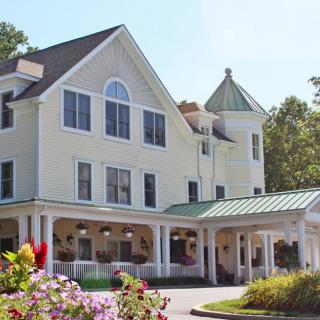
 Comprehensive memory care and skilled nursing with 24-hour supervision and medical coordination.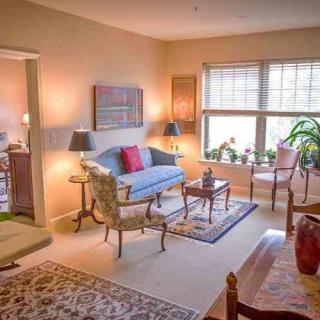




 Comprehensive Exploration of Living Wills and Other Advance Directives
 A Detailed Exploration of Living Wills and Advance Directives
 Comprehensive Guide to Medicare Coverage for Hospice Care