Complete Care at Multi-Medical Center

Save
Complete Care at Multi-Medical Center Complete Care at Multi-Medical Center

Complete Care at Multi-Medical Center

7700 York Road, Towson, MD 21204

For more information about senior living options: (844) 490-3973

4.4 from 100 reviews
5 stars
76
4 stars
9
3 stars
2
2 stars
1
1 stars
12

Memory Care Skilled Nursing Facility

What level of care are you interested in?

Assisted Living

Memory Care

Independent Living

Skilled Nursing Facility

Continuing Care Retirement Community (CCRC)CCRC

Other


Request a tour at Complete Care at Multi-Medical Center

    Overall Review of Complete Care at Multi-Medical Center

    Pros

    • pro The room was very nice and the staff were very attentive.
    • pro The facility was described as excellent practice.
    • pro One reviewer said they would pick this place for themselves.
    • pro The staff knew all the patients by name and spoke to them pleasantly.
    • pro Pia, the nurse, was always kind and competent.
    • pro Rebecca, the aide, treated the loved one with total respect.
    • pro Shevon, the head nurse, kept them updated about medications and health issues.
    • pro Jim, the head of maintenance, knew each patient and greeted them with a smile.
    • pro Gwen is amazing and the grandmother is in good hands.
    • pro The Towson facility has wonderful staff and is clean and cheerful.

    Cons

    • pro The nurses do not check on patients and repeatedly miss medication times.
    • pro They do not change soiled garments or stock basic supplies like clean sheets and bed pads.
    • pro The only time they check on a patient is when the patient is screaming in pain.
    • pro The facility is dirty, and the bathroom plumbing fixtures barely work.
    • pro The facility is not professional and the nurses treat patients horribly.
    • pro A relative saw a patient left sitting in blood for hours while staff were on their cell phones.
    • pro There is a significant lack of communication and repeated misstatements about patient care and medications.
    • pro Discharge planning and coordination are mishandled, with the wrong addresses and poor follow-through.
    • pro Rooms are shared, the facility is filthy and noisy, and some staff were verbally abusive toward other patients.

    Review

    A long thread of firsthand accounts paints a care facility with a strikingly mixed reputation. On one hand, there are voices of gratitude and relief, praising attentive staff, engaging activity programs, and meaningful moments of compassionate care. On the other, a substantial chorus of frustration highlights systemic gaps that leave families worried about safety, cleanliness, and the basic responsiveness many residents deserve. Taken together, the reviews reveal a place where individual experiences can swing dramatically from one day to the next, depending on who is caring for a loved one and which wing or shift is on duty.

    Several reviewers describe experiences that are heart-wrenching and alarming. They report missed medication times and lapses in checking on patients, sometimes lasting hours, which can leave a person in significant pain or distress. Complaints extend beyond medications to daily routines and comfort: soiled garments are not changed promptly, clean sheets and bed pads aren't kept stocked, and the overall cleanliness of rooms and bathrooms falls short of expectations. In some accounts, patients develop pressure sores and hot spots, and routes to relief - from timely soothing care to effective wound care - seem to be blocked by delays or inattention. There are also mentions of plumbing issues, malfunctioning bathroom fixtures, and a facility that feels rundown and poorly maintained, contributing to a sense of neglect.

    The most damning observations tend to center on the perceived absence of accountability and communication. Several reviewers recount efforts to obtain information that were met with excuses, delays, or the dreaded "I don't know - I'll check and get back to you." In one telling instance, a family felt they were given a dishonest or misleading impression about a patient's medications and health status, with staff and administrators appearing to push off responsibility rather than provide transparent updates. The discharge process is criticized for its confusion and wrong-address miscommunication, and some families felt left to manage crucial details on their own, sometimes bringing in private caregivers to compensate for internal gaps. In this vein, reviewers note that badge visibility and staff identification are inconsistent, which compounds the difficulty of holding anyone accountable.

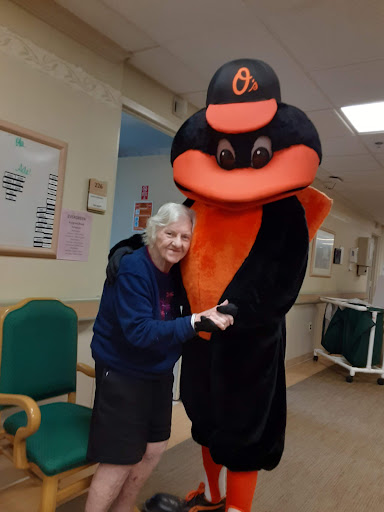
    Amid the gravity of these concerns, there are bright spots highlighted by grateful families. A number of staff members receive high praise for kindness, competence, and consistency. Nurses like Pia and Shevon, aides such as Rebecca, and other team members including Ian in the business office, Latasha C, Netty, Jim the maintenance lead, and Kia in physical therapy stand out as beacons of reliability and warmth. The testimonials speak to a culture where some caregivers know every patient by name, engage with them respectfully, and strive to make the environment feel communal and safe. Activities, a gathering room for social events, and a busier, more active rehab program are repeatedly cited as meaningful differentiators from other facilities that feel emptier and more transactionally focused. For families, those are the moments that redeem the experience and make a difficult transition more bearable.

    There is a discernible sense that the experience can vary significantly by location, floor, or department within the same organization. Some reviews reference a well-run, clean, and cheerful environment - describing peculiar strengths such as clean, well-maintained rooms, attentive visitation feedback, and effective PT/OT teams. Others point to a starkly different reality: a facility that feels disorganized, with communication breakdowns between care teams and social workers, and where discharge planning and home care coordination can be messy or poorly coordinated with outside providers. A Towson location is singled out by a reviewer as having a notably positive impression of staff and cleanliness, while others recount negative impressions about professionalism and bedside manner elsewhere in the same system. This patchwork picture suggests real strengths in some corners and serious deficiencies in others, making individual experiences highly contingent on where and who is providing care.

    For families weighing a decision about a loved one's care, the collection of stories yields a blended verdict: there are dedicated professionals who go above and beyond, creating moments of genuine comfort and trust, alongside troubling reports of medication errors, neglect in basic needs, and frustrating communication gaps that could endanger residents' well-being. The recurring themes - staff-to-patient familiarity and engagement, the presence of organized activity and rehab programs, and the insistence that care conversations happen with transparency and accountability - offer a clear roadmap for what families should probe during visits. Prospective residents and families are urged to observe not only clinical competence but also the daily rhythms of the facility: how quickly nurses respond, how consistently medications are administered, how clean and orderly rooms are kept, and how openly staff communicate about health changes and discharge plans.

    In sum, the facility presents a spectrum of care experiences. There are undeniable advantages described in terms of personal connections, a sense of community, and active rehab services, underpinned by staff who remember names and make residents feel seen. Yet there are equally compelling warnings about safety, hygiene, timely medication administration, and reliable communication. The most constructive takeaway for families is to engage in thorough, on-the-ground assessment - asking pointed questions about medication routines, staffing levels, cleanliness standards, and the discharge process - and to rely on trusted staff members who demonstrate consistent reliability. The stories together form a nuanced portrait: a place capable of compassionate, engaged care, but one that also requires vigilant oversight and steady improvement to ensure every resident receives safe, respectful, and timely treatment every day.

    Features

    Housing

    • 21 resident community capacity 21 resident community capacity

    Types of Care

    • Memory Care Memory CareMemory care is crucial for seniors as it provides specialized support and services for individuals with dementia or Alzheimer's disease. These programs offer a safe and secure environment where residents receive personalized care, cognitive stimulation, and help with daily activities. Memory care helps seniors maintain their independence, quality of life, and dignity while also providing peace of mind for their families.
    • Skilled Nursing Facility Skilled Nursing FacilitySkilled Nursing Facilities are crucial for seniors as they provide round-the-clock medical care, rehabilitation services, and assistance with daily activities. These facilities ensure that seniors receive the specialized care they need to maintain their health and well-being as they age.

    Amenities

    • Beauty salon Beauty salonBeauty salons are important for seniors because they provide a space for them to feel pampered, socialize, and maintain their personal grooming and hygiene. Regular visits to a beauty salon can help boost seniors' self-esteem and overall well-being.
    • Cable or satellite TV Cable or satellite TVCable or satellite TV is important for seniors because it provides entertainment, news, and companionship, helping to combat loneliness and boredom. It also offers a wide range of programming options tailored to different interests and preferences.
    • Dining room Dining roomDining rooms are important for seniors as they provide a space for socialization, connection, and nutritious meals. They offer opportunities for residents to bond over shared meals, foster a sense of community, and promote healthy eating habits. Dining rooms also ensure that seniors have access to well-balanced meals tailored to their dietary needs and preferences.
    • Fully furnished Fully furnishedFully furnished senior living communities are important for seniors because they provide convenience, comfort, and a hassle-free moving experience. Seniors can easily settle into their new living space without the stress of having to buy and move furniture. This allows them to focus on enjoying their new home and community.
    • Garden GardenGardens are important for seniors as they provide a peaceful and therapeutic environment for relaxation, physical activity, and socialization. Being in nature has been shown to reduce stress, improve mood, and promote overall well-being. Gardens also offer opportunities for seniors to engage in gardening activities, which can improve mobility, flexibility, and cognitive function. Additionally, gardens create a sense of community and connection with others who share a passion for plants and outdoor spaces.
    • Housekeeping services Housekeeping servicesHousekeeping services are important for seniors because they help maintain a clean and safe living environment, promote independence, and reduce the risk of accidents or illnesses. Additionally, having assistance with household chores can alleviate physical strain and allow seniors to focus on other aspects of their well-being.
    • Kitchenette KitchenetteKitchenettes are important for seniors living in senior living communities because they provide the convenience and independence of being able to prepare simple meals and snacks in the comfort of their own living space. This can help promote a sense of autonomy and well-being for seniors, allowing them to maintain some level of control over their dietary choices and daily routines.
    • Move-in coordination Move-in coordinationMove-in coordination is important for seniors because it helps ease the transition into their new living environment. It ensures that all logistics, such as packing, organizing movers, and setting up utilities are taken care of, allowing seniors to focus on settling in and adjusting to their new home. Having a smooth move-in process can alleviate stress and anxiety, making the transition smoother and more enjoyable for seniors.
    • Outdoor space Outdoor spaceOutdoor spaces are important for seniors as they provide opportunities for physical activity, social interaction, exposure to natural light and fresh air, and a sense of connection to nature. Having access to outdoor spaces can improve overall well-being and quality of life for older adults living in senior communities.
    • Telephone TelephoneTelephones are important for seniors as they provide a lifeline for communication with loved ones, emergency services, and healthcare providers. They offer a sense of security and independence, enabling seniors to stay connected and access assistance when needed.
    • Wi-Fi/high-speed internet available Wi-Fi/high-speed internet availableWi-Fi/high-speed internet is important for seniors to stay connected with loved ones, access online resources, and participate in virtual activities to combat feelings of loneliness and isolation. It also allows them to easily manage healthcare needs, access entertainment, and engage in lifelong learning opportunities.

    Transportation

    • Baltimore-Washington International (15 miles away) Baltimore-Washington International (15 miles away)

    Care Services

    • 24-hour call system 24-hour call system24-hour call systems are important for seniors because they provide peace of mind and immediate assistance in case of emergencies. This technology ensures that help is always available, promoting safety and security for elderly individuals living alone or in assisted living facilities.
    • 24-hour supervision 24-hour supervision24-hour supervision is important for seniors to ensure their safety, well-being, and access to immediate assistance in case of emergencies or health issues. This constant support provides peace of mind for both seniors and their loved ones, allowing them to age in place with dignity and security.
    • Activities of daily living assistance Activities of daily living assistanceActivities of daily living assistance are important for seniors because they provide essential support with tasks such as eating, bathing, dressing, and mobility. This assistance helps seniors maintain their independence, dignity, and overall quality of life as they age.
    • Assistance with bathing Assistance with bathingAssistance with bathing is crucial for seniors as it helps maintain personal hygiene, prevents infections, and ensures their overall well-being and comfort. It also provides a sense of dignity and independence for seniors who may struggle with this task on their own.
    • Assistance with dressing Assistance with dressingAssistance with dressing is important for seniors because it helps maintain their independence, promotes personal hygiene, prevents accidents and injuries, and improves overall quality of life. This service ensures that seniors can continue to dress comfortably and confidently, despite any physical limitations they may have.
    • Assistance with transfers Assistance with transfersAssistance with transfers is crucial for seniors as it helps prevent falls and injuries, maintains their independence, and ensures they can safely navigate their living environment. It also provides peace of mind for both seniors and their loved ones.
    • Coordination with health care providers Coordination with health care providersCoordination with health care providers is crucial for seniors to ensure proper medical care, medication management, and overall well-being. This collaboration helps prevent overlapping treatments, track progress more effectively, and provide comprehensive support tailored to individual needs.
    • Diabetes diet Diabetes dietA diabetes diet is crucial for seniors as it helps manage blood sugar levels, reduce risks of complications, and improve overall health and well-being. By following a balanced and nutritious diet tailored to their specific needs, seniors can better control their diabetes and enhance their quality of life.
    • Meal preparation and service Meal preparation and serviceMeal preparation and service are crucial for seniors as they may have limited mobility or energy to cook nutritious meals. Having access to healthy and convenient food options can ensure they are getting the proper nutrition needed to maintain their overall health and well-being.
    • Medication management Medication managementMedication management is crucial for seniors to ensure they are taking the right medications at the correct dosages and times. This helps prevent adverse drug interactions, reduces the risk of medication errors, and promotes overall health and well-being. Proactive management also allows for adjustments as needed based on changing health conditions or new prescriptions.
    • Mental wellness program Mental wellness programMental wellness programs are essential for seniors as they promote cognitive stimulation, emotional support, and social engagement. These programs help prevent isolation, depression, and cognitive decline, ultimately enhancing the overall quality of life for older adults.
    • Mild cognitive impairment Mild cognitive impairment"Mild cognitive impairment" is important for seniors because it is an early stage of cognitive decline that can potentially progress to more severe conditions such as dementia. Recognizing and addressing mild cognitive impairment can help seniors receive appropriate care and support to maintain their quality of life and independence for as long as possible.
    • Special dietary restrictions Special dietary restrictionsSpecial dietary restrictions are important for seniors because age-related changes in metabolism and health conditions can make it difficult for their bodies to process certain foods. By following a diet tailored to their specific needs, seniors can maintain their overall health and well-being, manage chronic conditions, and reduce the risk of complications such as malnutrition or food interactions with medications.
    • Specialized memory care programming Specialized memory care programmingSpecialized memory care programming is crucial for seniors with cognitive impairments such as dementia or Alzheimer's disease. These programs provide a safe and supportive environment tailored to the unique needs of individuals with memory loss, helping them maintain their independence, dignity, and quality of life.
    • Transportation arrangement (medical) Transportation arrangement (medical)Transportation arrangements for medical purposes are essential for seniors as they may have difficulty driving themselves to appointments or accessing public transportation. Having reliable and safe transportation options ensures that seniors can receive timely medical care and maintain their health and well-being.
    • Transportation to doctors appointments Transportation to doctors appointmentsTransportation to doctors' appointments is crucial for seniors as it ensures they have access to necessary medical care and support for their health needs. Without reliable transportation, seniors may struggle to attend important appointments, leading to potential delays in treatment and health complications. Providing transportation services helps seniors maintain their overall well-being and quality of life.

    Dining

    • Diabetes diet Diabetes dietA diabetes diet is crucial for seniors as it helps manage blood sugar levels, reduce risks of complications, and improve overall health and well-being. By following a balanced and nutritious diet tailored to their specific needs, seniors can better control their diabetes and enhance their quality of life.
    • Special dietary restrictions Special dietary restrictionsSpecial dietary restrictions are important for seniors because age-related changes in metabolism and health conditions can make it difficult for their bodies to process certain foods. By following a diet tailored to their specific needs, seniors can maintain their overall health and well-being, manage chronic conditions, and reduce the risk of complications such as malnutrition or food interactions with medications.

    Activities

    • Community-sponsored activities Community-sponsored activitiesCommunity-sponsored activities are important for seniors as they provide opportunities for social interaction, mental stimulation, and physical activity. These activities can help improve overall well-being, combat loneliness and isolation, and promote a sense of belonging and purpose among older adults.
    • Scheduled daily activities Scheduled daily activitiesScheduled daily activities are important for seniors because they provide structure, socialization, mental stimulation, and physical activity. Engaging in regular activities can improve overall well-being and quality of life for seniors living in a community setting.

    Description

    The Complete Care at Multi-Medical Center in Towson, MD offers a range of services and amenities to provide comprehensive care for seniors in a skilled nursing facility setting. Residents will enjoy the comforts of fully furnished accommodations with access to cable or satellite TV, Wi-Fi/high-speed internet, and telephone services.

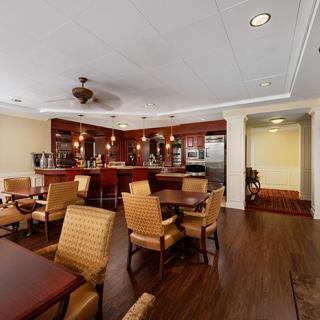
    The community features a dining room where residents can enjoy nutritious meals prepared by professional staff, taking into account any special dietary restrictions. Housekeeping services ensure that living areas are kept clean and tidy. For those who prefer cooking their own meals, each accommodation is equipped with a kitchenette.

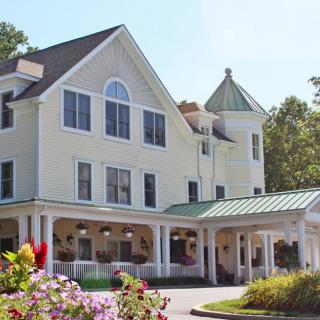
    Outdoor spaces and gardens provide opportunities for fresh air and relaxation. Move-in coordination is available to assist residents with the transition into their new home.

    With 24-hour supervision, residents can feel secure knowing that assistance is readily available for activities of daily living such as bathing, dressing, and transfers. The community also coordinates with health care providers to ensure continuity of care. Medication management is provided to help residents maintain their health.

    Mental wellness programs cater to those with mild cognitive impairment, offering specialized memory care programming tailored to individual needs. Scheduled daily activities encourage socialization and engagement within the community.

    Complete Care at Multi-Medical Center boasts convenient proximity to various amenities such as cafes, parks, pharmacies, physicians' offices, restaurants, places of worship, theaters, hospitals, and transportation options. This allows residents easy access to healthcare services as well as opportunities for leisure and entertainment.

    Overall, this assisted living community provides comprehensive care in a comfortable environment with a range of amenities and services designed to promote the well-being and quality of life for its residents.

    Nearby Places of Interest

    Physicians

    • O'Dea Building- St Josephs Hospital (0.3 miles)
    • Greater Baltimore Medical Center (1 miles)
    • Clinical Associates (1 miles)
    • Pediatric Partners (1.6 miles)
    • Advanced Allergy & Asthma Center (2.1 miles)
    • Dr Richard A. Adler, Belcara Health Ophthalmology (2.7 miles)
    • Scottish Rite Speech & Language Center (3.7 miles)

    Hospitals

    • Sheppard Pratt Health System (0.7 miles)
    • GBMC (1 miles)
    • MedStar Good Samaritan Hospital (2.3 miles)
    • Sinai Hospital Of Baltimore (3.9 miles)
    • Johns Hopkins Medicine at Green Spring Station (4 miles)
    • MedStar Union Memorial Hospital (4.1 miles)
    • Lifebridge Health Campus Service (4.6 miles)

    Restaurants

    • Subway (0.9 miles)
    • THB - Towson (0.9 miles)
    • The Cheesecake Factory (1.2 miles)
    • McDonald's (1.4 miles)
    • McDonald's (1.6 miles)
    • Zen West Roadside Cantina (1.7 miles)
    • Burger King (1.7 miles)

    Theaters

    • Cinemark Towson And Xd (0.9 miles)

    Places of Worship

    • Church of the Immaculate Conception (1 miles)
    • Brown Memorial Woodbrook Presbyterian Church (1.3 miles)
    • Church of the Nativity (3.1 miles)
    • St Demetrios Greek Ort (4.8 miles)

    Parks

    • Rodgers Forge Tot Lot (1.1 miles)
    • Lake Roland (2.6 miles)
    • Cromwell Valley Park (3.1 miles)
    • Meadowood Regional Park (3.9 miles)

    Pharmacies

    • Walgreens (1.2 miles)
    • Rite Aid (1.2 miles)
    • Walgreens (1.4 miles)
    • CVS Pharmacy (1.5 miles)
    • Walgreens (1.6 miles)
    • CVS Pharmacy (1.7 miles)
    • CVS Pharmacy (2.5 miles)

    Cafes

    • Starbucks (1.7 miles)
    • Miss Shirley's Cafe, Roland Park (3.3 miles)
    • Panera Bread (3.9 miles)
    • Dooby's (6.2 miles)
    • Ceremony Coffee Roasters (6.4 miles)

    Transportation

    • Lutherville Light Rail Station (3 miles)
    • Penn Station (5.6 miles)

    Frequently Asked Questions

    Where is Complete Care at Multi-Medical Center?
    Does Complete Care at Multi-Medical Center provide care for residents with dementia or Alzheimer's disease?

    Nearby Communities

    Related Resources

    • dementia stagesUnderstanding Dementia Through Its Seven Stages: A Comprehensive Look at Progression and Expectations

      Dementia encompasses a range of cognitive impairments characterized by types such as Alzheimer's and vascular dementia, and follows a seven-stage progression model known as the Global Deterioration Scale (GDS), highlighting varying symptoms and decline timelines. Early detection allows for lifestyle adjustments to potentially slow progression, while caregivers need support and resources to manage the challenges involved in caring for affected individuals.

    • dementia careA Holistic Dementia Care Guide: Effective Strategies for Memory Support

      The guide on holistic dementia care outlines the complexity of dementia and stresses the need for individualized caregiver strategies that include medical treatment, psychological support, and environmental adaptations, while emphasizing early detection, various therapeutic options, and caregiver support to enhance quality of life and maintain dignity.

    • activities of daily livingComprehensive Insights into Activities of Daily Living (ADLs) and Their Assessment

      Activities of Daily Living (ADLs) are fundamental tasks vital for an individual's independence, particularly in older adults over 85, and include functions like bathing and dressing; assessing ADLs alongside Instrumental Activities of Daily Living (IADLs) helps determine the level of required assistance due to age-related health challenges. Tailored support plans, involving family and community resources, are essential for maintaining dignity and autonomy in assisted living environments.


    Get Pricing Ask A Question Schedule A Tour Contact Senior Advisor