Holly Hill Healthcare Center

Save
Holly Hill Healthcare Center Holly Hill Healthcare Center

Holly Hill Healthcare Center

531 Stevenson Lane, Towson, MD 21286

For more information about senior living options: (844) 490-3973

3.3 from 66 reviews
5 stars
29
4 stars
8
3 stars
4
2 stars
3
1 stars
22

Skilled Nursing Facility

Overall Review of Holly Hill Healthcare Center

Pros

  • pro The facility is described as a great and wonderful place to work.
  • pro The staff are very kind and patients are well cared for.
  • pro Candace, the admission director, is pleasant and very helpful.
  • pro The staff are amazing and caring, and residents are well taken care of.
  • pro The housekeeping is excellent.
  • pro The facility is clean and inviting.
  • pro The staff are professional and friendly, and they treat residents like family.
  • pro The physical therapy is awesome.

Cons

  • pro The facility is accused of neglect and poor communication, with calls ignored for weeks after a resident was locked up and his bed deemed unavailable.
  • pro Families report insurance was cut off while billing continued, even though the patient was eligible to return, causing ongoing stress.
  • pro A reviewer claims staff show favoritism and isolate a minority of residents, depriving them of privileges like snacks and soda.
  • pro The laundry department is alleged to take and keep residents' clothing.
  • pro The facility is described as unsanitary with a strong odor, and some residents experience significant weight loss and mold on sheets.
  • pro Chronic understaffing and lack of call bells are reported, creating dangerous conditions where residents may be left unattended.
  • pro Phone communication is unreliable, with staff frequently not answering or failing to follow up after inquiries.
  • pro There are allegations of racism and derogatory attitudes toward African staff and residents.
  • pro A family alleges serious injuries to a resident due to neglect, including multiple broken bones from an incident and inadequate medical evaluation.

Review

Holly Hill shows up in many reviews as a place with real strengths and real weaknesses, sometimes in the same breath. A number of commenters describe it as a great facility and a wonderful place to work, with staff who are kind and patients who are cared for well. Several visitors and residents praise the atmosphere as welcoming and family-like, noting that tours left them impressed by the cleanliness, the pleasant demeanor of admissions staff (including someone named Candace, described as very pleasant and helpful), and the sense that the facility is a place where people matter. A recurring thread is that, for some families, the staff's warmth and the facility's routines - activities, helpful therapy teams, and improving food - make Holly Hill feel like a safe, reliable environment. Some accounts even call it a place where residents are treated with dignity and where housekeeping and admin efforts have shown visible improvements over time.

On the flip side, the same facility is criticized for significant and sometimes ongoing problems that create real stress for families. One particularly jarring set of complaints involves a serious lapse in communication and follow-through. A family member describes a scenario where a brother, an amputee, was locked up in July, with radio silence on whether his bed would be available upon release. Calls and messages were ignored for two weeks, and only after reaching corporate did the staff reveal conflicting information about bed availability. The reviewer emphasizes that the brother had not been convicted of anything and that issues with insurance and ongoing billing created confusion and stress, undermining trust in the facility's transparency and responsiveness. The sense of being left in the dark - despite promises of follow-up - has left a lasting impression of neglect and dishonesty in the eyes of the reviewer.

Other accounts zero in on perceived favoritism and isolation within the resident community. One resident, who identifies as living at the facility, laments that a small group of residents is favored while others - especially those who are not part of that circle - feel left out. The comment touches on unequal treatment around privileges like snacks or social activities, and even mentions concerns about the laundry department managing clothing in a way that feels punitive or confusing. A claim is made that race appears to influence how residents are treated, with explicit statements about white residents receiving different treatment than others, and even a casual mention of African staff behavior that reads as an expression of bias from the reviewer. Though controversial, these remarks reflect a fear of unequal care and social exclusion that some families experience or perceive.

Care quality and safety concerns also surface in several pointed reviews. Complaints include unsanitary conditions and persistent odors, worries about weight loss among residents, and a sense that communication with nursing staff is difficult or unreliable. Specific anecdotes describe long delays in getting medications, with one reviewer asserting that they arrived at the facility only to wait hours for a nurse or aide to respond to calls. There are accusations of short-staffing and insufficient supervision, leaving patients without timely help after using the bathroom or during critical moments. Some reviewers urge prospective families not to place loved ones at Holly Hill, emphasizing fear for patient safety and the potential for harm when staff are hard to reach or slow to respond.

A subset of reviews highlights positive counterpoints within the same facility. Several commenters praise particular departments, such as housekeeping, maintenance, and rehabilitation/therapy staff, noting that when attention is given, the care can be solid. There are mentions of good physical therapy experiences, clean facilities, and teams that feel professional and committed to patient well-being. One reviewer even describes the environment as a place where residents look happy, are treated with respect, and participate actively in daily life. The sentiment is that, while problems exist, there are days or departments where the care looks markedly better, and where the staff's dedication shines through.

Another thread concerns communication and responsiveness, but with a more mixed tone. Some reviews complain that phone lines are constantly busy or that calls are answered briefly and then dropped, leaving families frustrated and worried. Others acknowledge that management and nurses sometimes communicate effectively or improve over time, but still feel that a lack of consistent follow-through undermines trust. The recurring call is for more reliable, timely communication - especially in critical situations involving patient care, medications, or bed and residency status - to ensure families feel informed and involved rather than left guessing.

The overall picture that emerges is one of a facility with genuine strengths and real hazards coexisting. For many families, Holly Hill feels like a place with compassionate staff, clean surroundings, and moments of excellent care - where residents are treated with kindness and the environment can be supportive and home-like. For others, it is a place plagued by inconsistent communication, staffing challenges, and serious safety concerns that can overwhelm the positive aspects. The mixed experiences suggest that decisions about Holly Hill should be made with careful, personal due diligence: visit the facility, speak with multiple staff members, observe the level of attention residents receive, and ask pointed questions about communication protocols, staffing levels, medication management, and how they handle special requests or concerns from families.

In sum, Holly Hill presents a nuanced landscape: a setting that some describe as warm, welcoming, and well-managed in many respects, while others describe as fraught with gaps in communication, episodic neglect, and safety issues that can be distressing to families and residents alike. Potential visitors and prospective residents are encouraged to weigh these perspectives, seek firsthand impressions, and evaluate how the facility addresses both everyday care and the more troubling scenarios that have been reported.

Features

Housing

  • 75 resident community capacity 75 resident community capacity

Types of Care

  • Skilled Nursing Facility Skilled Nursing FacilitySkilled Nursing Facilities are crucial for seniors as they provide round-the-clock medical care, rehabilitation services, and assistance with daily activities. These facilities ensure that seniors receive the specialized care they need to maintain their health and well-being as they age.

Amenities

  • Air-conditioning Air-conditioningAir conditioning is important for seniors as they are more vulnerable to heat-related illnesses and may have underlying health conditions that make it difficult for them to regulate their body temperature. It helps to keep them comfortable, safe, and healthy in hot weather.
  • Beauty salon Beauty salonBeauty salons are important for seniors because they provide a space for them to feel pampered, socialize, and maintain their personal grooming and hygiene. Regular visits to a beauty salon can help boost seniors' self-esteem and overall well-being.
  • Cable or satellite TV Cable or satellite TVCable or satellite TV is important for seniors because it provides entertainment, news, and companionship, helping to combat loneliness and boredom. It also offers a wide range of programming options tailored to different interests and preferences.
  • Computer center Computer centerA computer center is essential for seniors as it provides access to technology, communication tools, and resources that can enhance their daily lives. It allows them to stay connected with loved ones, engage in online activities, and learn new skills, ultimately promoting socialization and mental stimulation.
  • Dining room Dining roomDining rooms are important for seniors as they provide a space for socialization, connection, and nutritious meals. They offer opportunities for residents to bond over shared meals, foster a sense of community, and promote healthy eating habits. Dining rooms also ensure that seniors have access to well-balanced meals tailored to their dietary needs and preferences.
  • Fitness room Fitness roomHaving a fitness room in a senior living community is essential for seniors to stay active, maintain their physical health, and improve their overall well-being. Regular exercise can help prevent falls, reduce the risk of chronic diseases, and promote mental sharpness. It also provides social opportunities for residents to connect with others and enjoy a sense of community.
  • Fully furnished Fully furnishedFully furnished senior living communities are important for seniors because they provide convenience, comfort, and a hassle-free moving experience. Seniors can easily settle into their new living space without the stress of having to buy and move furniture. This allows them to focus on enjoying their new home and community.
  • Gaming room Gaming roomGaming rooms are important for seniors as they provide a fun and engaging environment for socializing, cognitive stimulation, and physical activity. Games can improve memory, problem-solving skills, and overall mental well-being while fostering friendships and reducing feelings of isolation.
  • Garden GardenGardens are important for seniors as they provide a peaceful and therapeutic environment for relaxation, physical activity, and socialization. Being in nature has been shown to reduce stress, improve mood, and promote overall well-being. Gardens also offer opportunities for seniors to engage in gardening activities, which can improve mobility, flexibility, and cognitive function. Additionally, gardens create a sense of community and connection with others who share a passion for plants and outdoor spaces.
  • Housekeeping services Housekeeping servicesHousekeeping services are important for seniors because they help maintain a clean and safe living environment, promote independence, and reduce the risk of accidents or illnesses. Additionally, having assistance with household chores can alleviate physical strain and allow seniors to focus on other aspects of their well-being.
  • Kitchenette KitchenetteKitchenettes are important for seniors living in senior living communities because they provide the convenience and independence of being able to prepare simple meals and snacks in the comfort of their own living space. This can help promote a sense of autonomy and well-being for seniors, allowing them to maintain some level of control over their dietary choices and daily routines.
  • Move-in coordination Move-in coordinationMove-in coordination is important for seniors because it helps ease the transition into their new living environment. It ensures that all logistics, such as packing, organizing movers, and setting up utilities are taken care of, allowing seniors to focus on settling in and adjusting to their new home. Having a smooth move-in process can alleviate stress and anxiety, making the transition smoother and more enjoyable for seniors.
  • Outdoor space Outdoor spaceOutdoor spaces are important for seniors as they provide opportunities for physical activity, social interaction, exposure to natural light and fresh air, and a sense of connection to nature. Having access to outdoor spaces can improve overall well-being and quality of life for older adults living in senior communities.
  • Private bathrooms Private bathroomsPrivate bathrooms are important for seniors in senior living communities because they provide independence, dignity, and comfort. Having a private bathroom allows seniors to maintain their personal hygiene routines without the need for assistance, promoting a sense of autonomy and privacy. Additionally, private bathrooms help prevent the spread of infections and provide a safe and clean environment for seniors to navigate safely.
  • Restaurant-style dining Restaurant-style diningRestaurant-style dining is important for seniors because it allows them to enjoy delicious, nutritious meals in a social and upscale setting. This enhances their dining experience, promotes healthy eating habits, and fosters socialization with fellow residents, ultimately contributing to their overall well-being and quality of life.
  • Small library Small librarySmall libraries are important for seniors as they provide access to a variety of reading materials, including books, newspapers, and magazines. This can help stimulate their minds, keep them engaged, and provide a sense of community through book clubs and other social activities. Additionally, reading has been shown to improve cognitive function and overall mental well-being in older adults.
  • Telephone TelephoneTelephones are important for seniors as they provide a lifeline for communication with loved ones, emergency services, and healthcare providers. They offer a sense of security and independence, enabling seniors to stay connected and access assistance when needed.
  • Wellness center Wellness centerWellness centers are important for seniors because they offer a variety of programs and services that promote physical, mental, and emotional well-being. These centers provide opportunities for exercise, socialization, education, and relaxation, helping seniors maintain their overall health and quality of life.
  • Wi-Fi/high-speed internet available Wi-Fi/high-speed internet availableWi-Fi/high-speed internet is important for seniors to stay connected with loved ones, access online resources, and participate in virtual activities to combat feelings of loneliness and isolation. It also allows them to easily manage healthcare needs, access entertainment, and engage in lifelong learning opportunities.

Transportation

  • Baltimore-Washington International (15 miles away) Baltimore-Washington International (15 miles away)
  • Community operated transportation Community operated transportationCommunity operated transportation is crucial for seniors as it provides them with the means to access essential services, social activities, and medical appointments. It allows seniors to maintain their independence and quality of life by ensuring they can participate in activities outside of their homes. Additionally, community-operated transportation services offer a safe and reliable way for seniors to travel without having to rely on family or friends for assistance.
  • Transportation arrangement Transportation arrangementTransportation arrangements are crucial for seniors as they may face challenges with driving, mobility, or access to public transportation. Having reliable transportation services ensures that seniors can easily attend appointments, social activities, and maintain their independence and quality of life.
  • Transportation arrangement (non-medical) Transportation arrangement (non-medical)Transportation arrangements are essential for seniors as they provide access to essential services, activities, and social interactions outside the home. This service helps maintain independence, mobility, and overall well-being for seniors who may have limited transportation options.
  • Transportation to doctors appointments Transportation to doctors appointmentsTransportation to doctors appointments is crucial for seniors as it ensures they have access to necessary medical care and support, promoting their health and well-being. It allows them to receive timely treatment, monitor existing conditions, and address any new health concerns efficiently. Additionally, transportation services can help seniors maintain their independence and quality of life by enabling them to stay connected with their healthcare providers.

Care Services

  • 12-16 hour nursing 12-16 hour nursing12-16 hour nursing care is crucial for seniors in order to ensure around-the-clock monitoring, timely medication administration, and prompt response to any health concerns or emergencies. This level of care helps to promote the overall well-being and safety of seniors living in senior living communities.
  • 24-hour call system 24-hour call system24-hour call systems are important for seniors because they provide peace of mind and immediate assistance in case of emergencies. This technology ensures that help is always available, promoting safety and security for elderly individuals living alone or in assisted living facilities.
  • 24-hour supervision 24-hour supervision24-hour supervision is important for seniors to ensure their safety, well-being, and access to immediate assistance in case of emergencies or health issues. This constant support provides peace of mind for both seniors and their loved ones, allowing them to age in place with dignity and security.
  • Activities of daily living assistance Activities of daily living assistanceActivities of daily living assistance are important for seniors because they provide essential support with tasks such as eating, bathing, dressing, and mobility. This assistance helps seniors maintain their independence, dignity, and overall quality of life as they age.
  • Assistance with bathing Assistance with bathingAssistance with bathing is crucial for seniors as it helps maintain personal hygiene, prevents infections, and ensures their overall well-being and comfort. It also provides a sense of dignity and independence for seniors who may struggle with this task on their own.
  • Assistance with dressing Assistance with dressingAssistance with dressing is important for seniors because it helps maintain their independence, promotes personal hygiene, prevents accidents and injuries, and improves overall quality of life. This service ensures that seniors can continue to dress comfortably and confidently, despite any physical limitations they may have.
  • Assistance with transfers Assistance with transfersAssistance with transfers is crucial for seniors as it helps prevent falls and injuries, maintains their independence, and ensures they can safely navigate their living environment. It also provides peace of mind for both seniors and their loved ones.
  • Diabetes diet Diabetes dietA diabetes diet is crucial for seniors as it helps manage blood sugar levels, reduce risks of complications, and improve overall health and well-being. By following a balanced and nutritious diet tailored to their specific needs, seniors can better control their diabetes and enhance their quality of life.
  • Meal preparation and service Meal preparation and serviceMeal preparation and service are crucial for seniors as they may have limited mobility or energy to cook nutritious meals. Having access to healthy and convenient food options can ensure they are getting the proper nutrition needed to maintain their overall health and well-being.
  • Medication management Medication managementMedication management is crucial for seniors to ensure they are taking the right medications at the correct dosages and times. This helps prevent adverse drug interactions, reduces the risk of medication errors, and promotes overall health and well-being. Proactive management also allows for adjustments as needed based on changing health conditions or new prescriptions.
  • Mental wellness program Mental wellness programMental wellness programs are essential for seniors as they promote cognitive stimulation, emotional support, and social engagement. These programs help prevent isolation, depression, and cognitive decline, ultimately enhancing the overall quality of life for older adults.
  • Special dietary restrictions Special dietary restrictionsSpecial dietary restrictions are important for seniors because age-related changes in metabolism and health conditions can make it difficult for their bodies to process certain foods. By following a diet tailored to their specific needs, seniors can maintain their overall health and well-being, manage chronic conditions, and reduce the risk of complications such as malnutrition or food interactions with medications.

Dining

  • Diabetes diet Diabetes dietA diabetes diet is crucial for seniors as it helps manage blood sugar levels, reduce risks of complications, and improve overall health and well-being. By following a balanced and nutritious diet tailored to their specific needs, seniors can better control their diabetes and enhance their quality of life.
  • Special dietary restrictions Special dietary restrictionsSpecial dietary restrictions are important for seniors because age-related changes in metabolism and health conditions can make it difficult for their bodies to process certain foods. By following a diet tailored to their specific needs, seniors can maintain their overall health and well-being, manage chronic conditions, and reduce the risk of complications such as malnutrition or food interactions with medications.

Activities

  • Community-sponsored activities Community-sponsored activitiesCommunity-sponsored activities are important for seniors as they provide opportunities for social interaction, mental stimulation, and physical activity. These activities can help improve overall well-being, combat loneliness and isolation, and promote a sense of belonging and purpose among older adults.
  • Concierge services Concierge servicesConcierge services are essential for seniors as they provide assistance with daily tasks and errands, enhance their quality of life by offering convenience and personalized care, and promote a sense of safety and security.
  • Fitness programs Fitness programsFitness programs are crucial for seniors as they help improve strength, flexibility, balance, and overall well-being. Staying active can reduce the risk of chronic diseases, improve mental health, and enhance quality of life in older adults.
  • Planned day trips Planned day tripsPlanned day trips are important for seniors because they offer opportunities for socialization, mental stimulation, and physical activity. They provide a change of scenery and help seniors stay engaged and connected to their community, promoting overall well-being and quality of life.
  • Resident-run activities Resident-run activitiesResident-run activities are important for seniors as they encourage social interaction, creativity, and a sense of autonomy. These activities empower seniors to stay engaged and active in their community while fostering meaningful connections with their peers.
  • Scheduled daily activities Scheduled daily activitiesScheduled daily activities are important for seniors because they provide structure, socialization, mental stimulation, and physical activity. Engaging in regular activities can improve overall well-being and quality of life for seniors living in a community setting.

Description

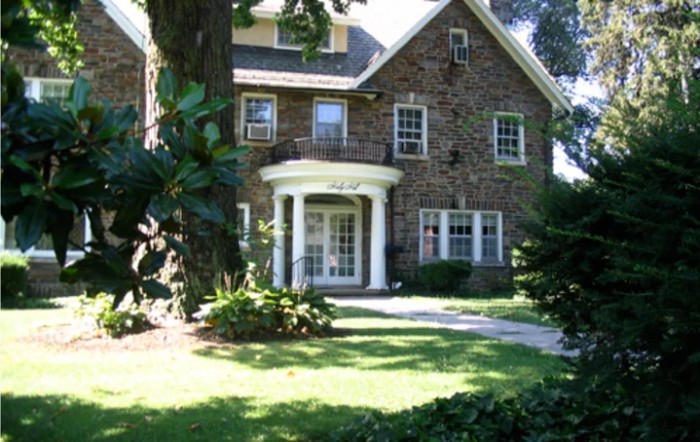
Holly Hill Healthcare Center is located in Towson, MD and offers a wide range of amenities and care services to its residents. The community features a beauty salon where residents can get pampered, as well as cable or satellite TV for their entertainment. Community operated transportation is available for residents to easily access nearby areas.

For those who enjoy technology, there is a computer center equipped with Wi-Fi/high-speed internet. A dining room is available for meals, which are prepared and served restaurant-style. The center also has a fitness room for residents to stay active and maintain their health.

Residents can enjoy various recreational activities within the community, such as gaming in the gaming room or relaxing in the garden. There is also a small library and wellness center for residents' convenience. Housekeeping services ensure that the living spaces are kept clean and comfortable.

In terms of care services, Holly Hill Healthcare Center provides round-the-clock supervision and assistance with daily activities such as bathing, dressing, and transfers. Medication management is also offered to ensure residents take their medications as prescribed.

Residents with special dietary needs can have their requirements met with diabetes diet plans and special dietary restrictions taken into consideration. Transportation arrangements are made both non-medical purposes and for doctors' appointments.

Nearby amenities include three cafes, four parks, 23 pharmacies, nine physicians' offices, 21 restaurants, one transportation service, four places of worship, one theater, and seven hospitals. This ensures that residents have easy access to necessary services and entertainment options.

Overall, Holly Hill Healthcare Center provides a comprehensive assisted living experience with its variety of amenities and care services while also being conveniently located near various amenities in Towson, MD.

Nearby Places of Interest

This part of Towson, Maryland offers a convenient and diverse range of amenities for seniors. With multiple physicians' offices and hospitals within close proximity, access to healthcare services is readily available. Additionally, there are several pharmacies nearby for medication needs. The area also boasts a variety of dining options, ranging from fast food to sit-down restaurants, providing seniors with plenty of choices for meals. For recreational activities, there are parks and a movie theater nearby for enjoyment. Places of worship are also easily accessible for those seeking spiritual fulfillment. Overall, this neighborhood provides a mix of essential services and leisure options that cater well to the needs and interests of seniors looking to settle in this area.

Physicians

  • O'Dea Building- St Josephs Hospital (0.5 miles)
  • Clinical Associates (1.3 miles)
  • Greater Baltimore Medical Center (1.3 miles)
  • Pediatric Partners (1.6 miles)
  • Advanced Allergy & Asthma Center (2.5 miles)
  • Dr Richard A. Adler, Belcara Health Ophthalmology (2.8 miles)
  • Scottish Rite Speech & Language Center (3.5 miles)

Pharmacies

  • Walgreens (0.9 miles)
  • Rite Aid (1 miles)
  • Walgreens (1.3 miles)
  • CVS Pharmacy (1.5 miles)
  • Walgreens (1.8 miles)
  • CVS Pharmacy (1.9 miles)
  • CVS Pharmacy (2.2 miles)

Parks

  • Rodgers Forge Tot Lot (1 miles)
  • Lake Roland (2.6 miles)
  • Cromwell Valley Park (3.1 miles)
  • Meadowood Regional Park (4.2 miles)

Hospitals

  • Sheppard Pratt Health System (1 miles)
  • GBMC (1.3 miles)
  • MedStar Good Samaritan Hospital (1.9 miles)
  • Sinai Hospital Of Baltimore (3.8 miles)
  • MedStar Union Memorial Hospital (3.8 miles)
  • Johns Hopkins Medicine at Green Spring Station (4.4 miles)
  • Lifebridge Health Campus Service (4.7 miles)

Restaurants

  • Subway (1.2 miles)
  • THB - Towson (1.3 miles)
  • McDonald's (1.3 miles)
  • Zen West Roadside Cantina (1.4 miles)
  • Colin's Seafood and Grill (1.5 miles)
  • Burger King (1.5 miles)
  • The Cheesecake Factory (1.5 miles)

Theaters

  • Cinemark Towson And Xd (1.2 miles)

Places of Worship

  • Brown Memorial Woodbrook Presbyterian Church (1.4 miles)
  • Church of the Immaculate Conception (1.4 miles)
  • Church of the Nativity (3.5 miles)
  • St Demetrios Greek Ort (4.8 miles)

Cafes

  • Starbucks (1.4 miles)
  • Miss Shirley's Cafe, Roland Park (3.1 miles)
  • Panera Bread (4.3 miles)
  • Dooby's (5.9 miles)
  • Ceremony Coffee Roasters (6.1 miles)

Transportation

  • Lutherville Light Rail Station (3.4 miles)
  • Penn Station (5.3 miles)

Frequently Asked Questions

Where is Holly Hill Healthcare Center?

Nearby Communities

  • Holly Hill Manor

    Holly Hill Manor

    Baltimore, MD

    3.3 from 68 reviews
     

    pro Home-like environment with caring staff and private rooms.
  • Complete Care at Multi-Medical Center

    Complete Care at Multi-Medical Center

    Towson, MD

    4.4 from 100 reviews
     

    pro Comprehensive memory care and skilled nursing with 24-hour supervision and medical coordination.

  • Multi-Medical Center

    Multi-Medical Center

    Baltimore, MD

    4 from 125 reviews
    $7,710 to $8,460 / month

    pro Compassionate staff in certain areas and active rehabilitation programs.

  • The Maples Of Towson

    The Maples Of Towson

    Towson, MD

    4.2 from 18 reviews
     

    pro Attentive staff in a clean, welcoming setting with engaging amenities.

  • Seaton Townson

    Seaton Townson

    Towson, MD

    4.4 from 40 reviews
    $3,550 to $5,895 / month

    pro Clean, welcoming community with attractive decor, ground-floor units, engaging activities, and restaurant-style dining with varied dietary options.

  • Blair House at Stoneleigh

    Blair House at Stoneleigh

    Baltimore, MD

    5 from 6 reviews
     

    pro Tailored assisted living with 24-hour supervision, ADL support, medication/meal management, and medical transportation.

  • The Maples at Stoneleigh

    The Maples at Stoneleigh

    Baltimore, MD

    4.4 from 10 reviews
    $6,995 / month

    pro Helpful staff with improved care under new management; residents, especially with memory care, participate in engaging activities.

  • Charter Senior Living Towson

    Charter Senior Living Towson

    Towson, MD

    4.4 from 158 reviews
    $5,500 to $6,995 / month

    pro Welcoming, home-like environment with friendly staff and diverse activities.

  • Tabco Towers

    Tabco Towers

    Towson, MD

    3.5 from 16 reviews
    $957 to $1,025 / month

    pro Friendly staff and affordable pricing with clean common areas.

Related Resources

  • tax implications of parent living with youNavigating the Tax Landscape of Caregiving: Credits, Deductions, and Beyond

    Caregiving for an aging parent entails emotional and financial responsibilities accompanied by significant tax implications, including potential benefits from claiming them as dependents and deductions for medical expenses and caregiving costs. Caregivers must understand eligibility requirements, maintain thorough documentation, and consider consulting a tax professional to navigate these complexities effectively.

  • low impact exercises for seniorsHighly Beneficial Low-Impact Exercises for Senior Living Residents

    Low-impact exercises are vital for seniors as they promote health, independence, and social interaction while reducing joint strain. These adaptable activities, guided by healthcare professionals, enhance strength, flexibility, and emotional well-being.

  • is home health care tax deductibleIs In-Home Healthcare Tax Deductible? Your Comprehensive Guide

    The guide details the tax deductibility of in-home healthcare expenses according to IRS guidelines, differentiating between medically necessary services and non-medical assistance, while emphasizing the need for proper documentation and itemization requirements. It also highlights state-level variations, the importance of record-keeping, and encourages seeking professional tax help to understand evolving regulations.