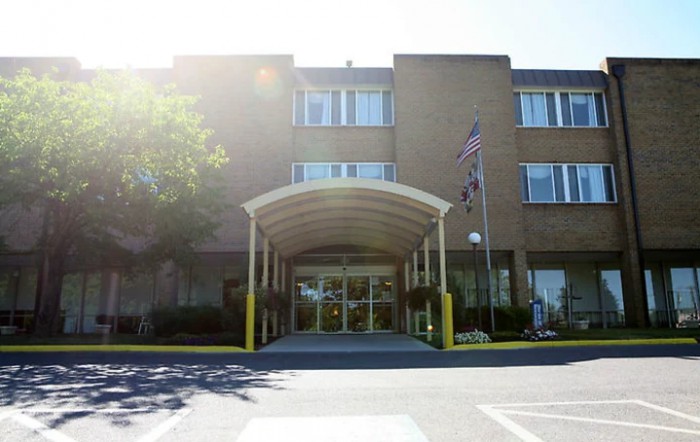
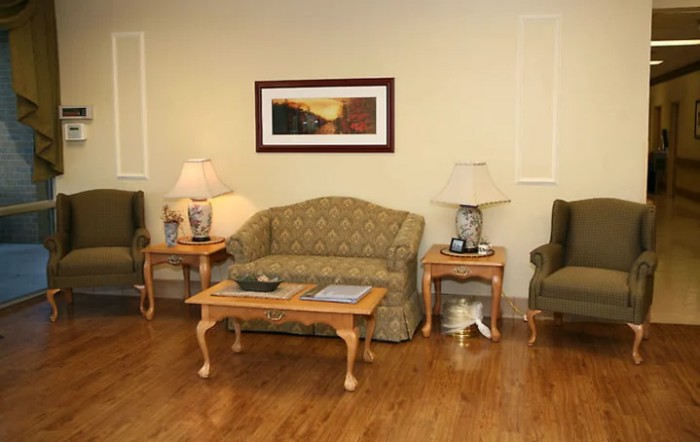
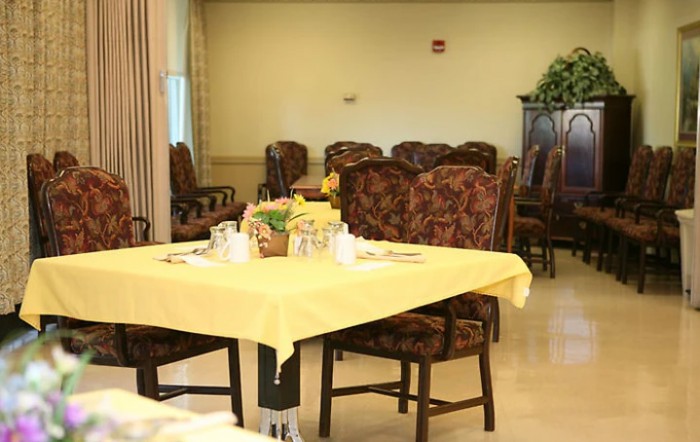
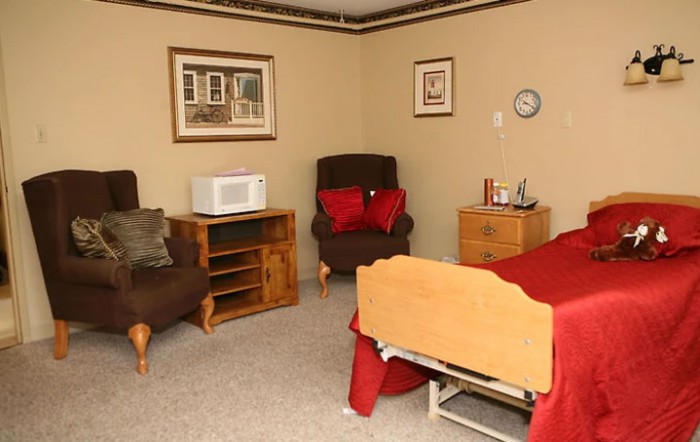
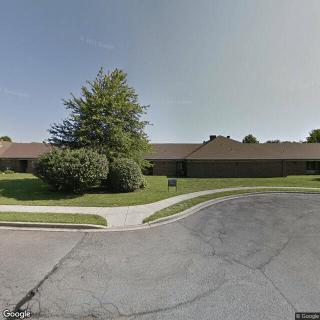
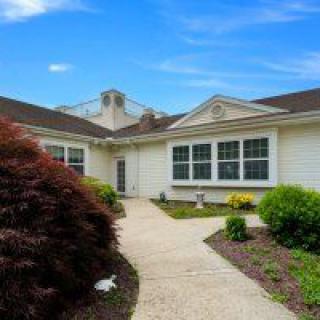
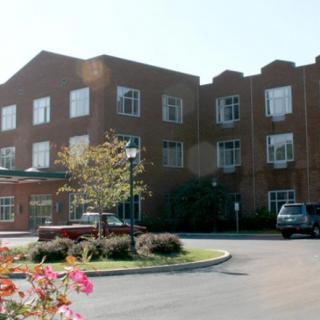
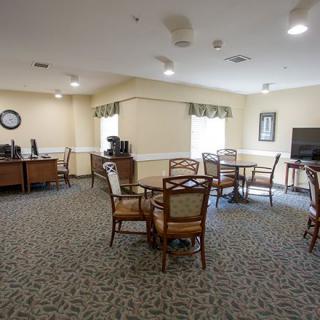
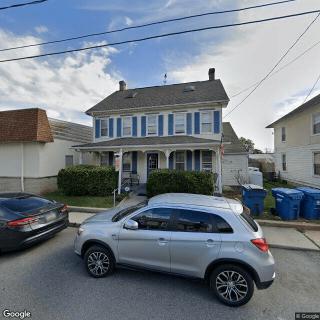
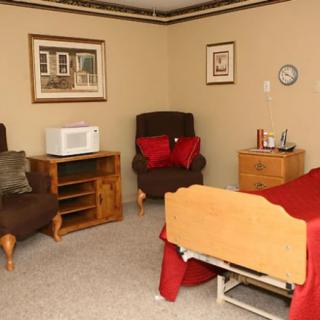
Hagerstown Healthcare Center in Hagerstown, MD

Save

Hagerstown Healthcare Center in Hagerstown, MD

750 Dual Highway, Hagerstown, MD 21740

For more information about senior living options: (844) 490-3973

2.1 from 55 reviews
5 stars
10
4 stars
5
3 stars
0
2 stars
3
1 stars
37

Skilled Nursing Facility

Hagerstown Healthcare Center Costs & Pricing

Hagerstown Healthcare Center offers a range of room options that reflect the quality and services provided to its residents. For a semi-private room, the monthly cost is $4,900, which is notably higher than both the Washington County average of $3,864 and the state average of $3,545. When it comes to private accommodations, Hagerstown's rate stands at $5,900 - again exceeding the county's average of $4,666 and Maryland's overall average of $4,112. These costs indicate that while Hagerstown Healthcare Center may be on the higher end of the pricing spectrum compared to regional and state figures, this premium likely corresponds with enhanced care services and facilities tailored for their residents' needs.

Floor plansHagerstown Healthcare CenterWashington CountyMaryland
Semi-Private$4,900$3,864$3,545
Private$5,900$4,666$4,112

Overall Review of Hagerstown Healthcare Center

Pros

  • pro The nurses, assistants, and other caretakers are described as working very hard to make residents feel loved in Hagerstown.
  • pro The staff shows genuine care for patients, even under stress, and goes out of their way to help those in need.
  • pro The activity director is a nice, caring individual.
  • pro Golden Living Center is described as welcoming, cozy, clean, and like family, with staff who treat loved ones with diligence and respect.
  • pro The PT and OT teams are wonderful, providing quality rehabilitation.
  • pro Several reviewers express fondness for the place, noting that both workers and residents are amazing.

Cons

  • pro The facility is described as dirty and unsanitary, with beds soaked in urine and hallways reeking of rotten food.
  • pro The staff are overworked and unhappy, often failing to answer phones or respond promptly to patients' needs.
  • pro Care is negligent or inconsistent; medications are not administered on time and serious conditions are not addressed promptly.
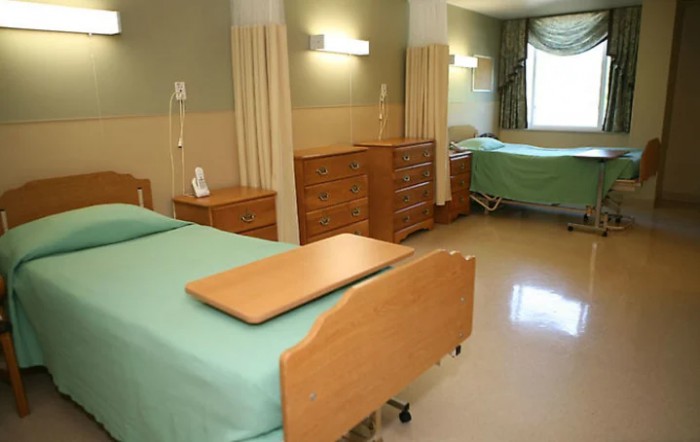
  • pro Patients are left in crowded rooms with little privacy and insufficient assistance with basic hygiene.
  • pro Meals are of poor quality, frequently left out or served repeatedly, with vegetarian options largely nonexistent.
  • pro Communication is poor, with families and patients not kept informed about care plans or changes.
  • pro There are serious safety concerns, including falls and equipment failures, sometimes culminating in injury or death.
  • pro Some staff are described as rude or unprofessional, with reports of neglectful or dismissive behavior toward patients.
  • pro Reviewers suggest the facility should be shut down or reported to the state due to care concerns.

Review

Hagerstown Healthcare Center is a budget-conscious option that is best suited for families who can and will supervise closely, and for residents whose medical needs are not exceptionally complex. It can work as a short-term rehab alternative when other venues are not available, provided there is active family oversight and clear expectations about daily care. The center's appeal rests more on potential affordability and the presence of some caring staff than on a consistently reliable, high-quality experience. It is not a fit for residents who require meticulous medical management, strong cleaning standards, or highly responsive daily assistance.

Pros are real but limited, and they do not fully offset the most serious drawbacks. Several reviewers describe individual aides or therapists who genuinely care, and the physical therapy/occupational therapy teams are repeatedly singled out for compassion and competence. In some cases, hospice and end-of-life care staff earned praise for their kindness and dedication, and a few families appreciated privacy measures during difficult times. These positives show that when the right staff are present and supervision is strong, certain interactions can be meaningful and supportive.

However, the dominant theme through many accounts is a pattern of neglect, inconsistency, and organizational chaos that undermines any potential benefit. Reports of dirty rooms, foul odors, and residents left in their own waste recur throughout the feedback. Chronic understaffing translates into long response times, missed medications, and limited help with basic activities of daily living. Communication is frequently described as fragmented or disrespectful, with families left to chase information rather than receive timely updates. The overall care culture feels fragile, with a sense that protocols and accountability collapse without vigilant oversight.

Safety and quality gaps compound the concerns. Residents sometimes experience falls, equipment issues, and delays in essential care, while families recount battles to obtain timely meals, proper hygiene, and discharge plans. The facility's capacity and crowding contribute to a perception of overwhelmed staff who cannot consistently meet needs. In short, the environment can feel unstable, and the risk-to-benefit balance tilts unfavorably for residents with higher care demands or for families seeking a consistently predictable experience.

For families considering this community, a disciplined due-diligence plan is essential. Request the most recent state inspection results and any corrective action plans, and review the staffing metrics - nurse-to-patient ratios, aides per shift, and turnover rates. Tour the building at different times of day, ask to speak with front-line staff and residents, and specifically inquire about response times for call bells, medication administration, and wound care. Review menus and dining options, confirm how special diets are managed, and assess the process for discharge planning and post-acute transitions. Clarify which services are reliably available in-house vs. outsourced, and insist on a concrete plan for ongoing communication with family members.

In sum, Hagerstown Healthcare Center should be approached with strong expectations for active oversight and rigorous oversight alone. For most families, alternatives with steadier staffing, cleaner environments, and more predictable communication will yield a safer, more dignified experience for a loved one. If choosing this community due to limited local options, prepare to implement a rock-solid oversight plan, insist on clear care goals, and maintain regular, documented check-ins with administrators, therapists, and nursing leadership to safeguard against the patterns that frequently emerge in reviews.

Features

Housing

  • 140 resident community capacity 140 resident community capacity

Types of Care

  • Skilled Nursing Facility Skilled Nursing FacilitySkilled Nursing Facilities are crucial for seniors as they provide round-the-clock medical care, rehabilitation services, and assistance with daily activities. These facilities ensure that seniors receive the specialized care they need to maintain their health and well-being as they age.

Amenities

  • Air-conditioning Air-conditioningAir conditioning is important for seniors as they are more vulnerable to heat-related illnesses and may have underlying health conditions that make it difficult for them to regulate their body temperature. It helps to keep them comfortable, safe, and healthy in hot weather.
  • Beauty salon Beauty salonBeauty salons are important for seniors because they provide a space for them to feel pampered, socialize, and maintain their personal grooming and hygiene. Regular visits to a beauty salon can help boost seniors' self-esteem and overall well-being.
  • Cable or satellite TV Cable or satellite TVCable or satellite TV is important for seniors because it provides entertainment, news, and companionship, helping to combat loneliness and boredom. It also offers a wide range of programming options tailored to different interests and preferences.
  • Computer center Computer centerA computer center is essential for seniors as it provides access to technology, communication tools, and resources that can enhance their daily lives. It allows them to stay connected with loved ones, engage in online activities, and learn new skills, ultimately promoting socialization and mental stimulation.
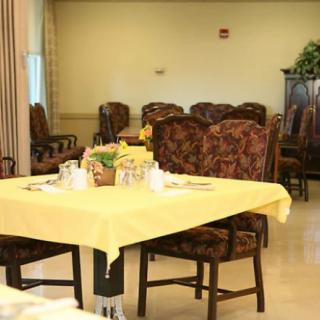
  • Dining room Dining roomDining rooms are important for seniors as they provide a space for socialization, connection, and nutritious meals. They offer opportunities for residents to bond over shared meals, foster a sense of community, and promote healthy eating habits. Dining rooms also ensure that seniors have access to well-balanced meals tailored to their dietary needs and preferences.
  • Fitness room Fitness roomHaving a fitness room in a senior living community is essential for seniors to stay active, maintain their physical health, and improve their overall well-being. Regular exercise can help prevent falls, reduce the risk of chronic diseases, and promote mental sharpness. It also provides social opportunities for residents to connect with others and enjoy a sense of community.
  • Fully furnished Fully furnishedFully furnished senior living communities are important for seniors because they provide convenience, comfort, and a hassle-free moving experience. Seniors can easily settle into their new living space without the stress of having to buy and move furniture. This allows them to focus on enjoying their new home and community.
  • Gaming room Gaming roomGaming rooms are important for seniors as they provide a fun and engaging environment for socializing, cognitive stimulation, and physical activity. Games can improve memory, problem-solving skills, and overall mental well-being while fostering friendships and reducing feelings of isolation.
  • Garden GardenGardens are important for seniors as they provide a peaceful and therapeutic environment for relaxation, physical activity, and socialization. Being in nature has been shown to reduce stress, improve mood, and promote overall well-being. Gardens also offer opportunities for seniors to engage in gardening activities, which can improve mobility, flexibility, and cognitive function. Additionally, gardens create a sense of community and connection with others who share a passion for plants and outdoor spaces.
  • Housekeeping services Housekeeping servicesHousekeeping services are important for seniors because they help maintain a clean and safe living environment, promote independence, and reduce the risk of accidents or illnesses. Additionally, having assistance with household chores can alleviate physical strain and allow seniors to focus on other aspects of their well-being.
  • Kitchenette KitchenetteKitchenettes are important for seniors living in senior living communities because they provide the convenience and independence of being able to prepare simple meals and snacks in the comfort of their own living space. This can help promote a sense of autonomy and well-being for seniors, allowing them to maintain some level of control over their dietary choices and daily routines.
  • Move-in coordination Move-in coordinationMove-in coordination is important for seniors because it helps ease the transition into their new living environment. It ensures that all logistics, such as packing, organizing movers, and setting up utilities are taken care of, allowing seniors to focus on settling in and adjusting to their new home. Having a smooth move-in process can alleviate stress and anxiety, making the transition smoother and more enjoyable for seniors.
  • Outdoor space Outdoor spaceOutdoor spaces are important for seniors as they provide opportunities for physical activity, social interaction, exposure to natural light and fresh air, and a sense of connection to nature. Having access to outdoor spaces can improve overall well-being and quality of life for older adults living in senior communities.
  • Private PrivatePrivacy is important for seniors as it allows them to maintain their independence, dignity, and sense of control over their own lives. It also gives them the space and freedom to relax, reflect, and engage in activities that bring them joy and fulfillment. Creating private spaces within senior living facilities is crucial for promoting overall well-being and quality of life.
  • Private bathrooms Private bathroomsPrivate bathrooms are important for seniors in senior living communities because they provide independence, dignity, and comfort. Having a private bathroom allows seniors to maintain their personal hygiene routines without the need for assistance, promoting a sense of autonomy and privacy. Additionally, private bathrooms help prevent the spread of infections and provide a safe and clean environment for seniors to navigate safely.
  • Restaurant-style dining Restaurant-style diningRestaurant-style dining is important for seniors because it allows them to enjoy delicious, nutritious meals in a social and upscale setting. This enhances their dining experience, promotes healthy eating habits, and fosters socialization with fellow residents, ultimately contributing to their overall well-being and quality of life.
  • Small library Small librarySmall libraries are important for seniors as they provide access to a variety of reading materials, including books, newspapers, and magazines. This can help stimulate their minds, keep them engaged, and provide a sense of community through book clubs and other social activities. Additionally, reading has been shown to improve cognitive function and overall mental well-being in older adults.
  • Telephone TelephoneTelephones are important for seniors as they provide a lifeline for communication with loved ones, emergency services, and healthcare providers. They offer a sense of security and independence, enabling seniors to stay connected and access assistance when needed.
  • Wellness center Wellness centerWellness centers are important for seniors because they offer a variety of programs and services that promote physical, mental, and emotional well-being. These centers provide opportunities for exercise, socialization, education, and relaxation, helping seniors maintain their overall health and quality of life.
  • Wi-Fi/high-speed internet available Wi-Fi/high-speed internet availableWi-Fi/high-speed internet is important for seniors to stay connected with loved ones, access online resources, and participate in virtual activities to combat feelings of loneliness and isolation. It also allows them to easily manage healthcare needs, access entertainment, and engage in lifelong learning opportunities.

Transportation

  • Community operated transportation Community operated transportationCommunity operated transportation is crucial for seniors as it provides them with the means to access essential services, social activities, and medical appointments. It allows seniors to maintain their independence and quality of life by ensuring they can participate in activities outside of their homes. Additionally, community-operated transportation services offer a safe and reliable way for seniors to travel without having to rely on family or friends for assistance.
  • Transportation arrangement Transportation arrangementTransportation arrangements are crucial for seniors as they may face challenges with driving, mobility, or access to public transportation. Having reliable transportation services ensures that seniors can easily attend appointments, social activities, and maintain their independence and quality of life.
  • Transportation arrangement (non-medical) Transportation arrangement (non-medical)Transportation arrangements are essential for seniors as they provide access to essential services, activities, and social interactions outside the home. This service helps maintain independence, mobility, and overall well-being for seniors who may have limited transportation options.
  • Transportation to doctors appointments Transportation to doctors appointmentsTransportation to doctors appointments is crucial for seniors as it ensures they have access to necessary medical care and support, promoting their health and well-being. It allows them to receive timely treatment, monitor existing conditions, and address any new health concerns efficiently. Additionally, transportation services can help seniors maintain their independence and quality of life by enabling them to stay connected with their healthcare providers.

Care Services

  • 12-16 hour nursing 12-16 hour nursing12-16 hour nursing care is crucial for seniors in order to ensure around-the-clock monitoring, timely medication administration, and prompt response to any health concerns or emergencies. This level of care helps to promote the overall well-being and safety of seniors living in senior living communities.
  • 24-hour call system 24-hour call system24-hour call systems are important for seniors because they provide peace of mind and immediate assistance in case of emergencies. This technology ensures that help is always available, promoting safety and security for elderly individuals living alone or in assisted living facilities.
  • 24-hour supervision 24-hour supervision24-hour supervision is important for seniors to ensure their safety, well-being, and access to immediate assistance in case of emergencies or health issues. This constant support provides peace of mind for both seniors and their loved ones, allowing them to age in place with dignity and security.
  • Activities of daily living assistance Activities of daily living assistanceActivities of daily living assistance are important for seniors because they provide essential support with tasks such as eating, bathing, dressing, and mobility. This assistance helps seniors maintain their independence, dignity, and overall quality of life as they age.
  • Assistance with bathing Assistance with bathingAssistance with bathing is crucial for seniors as it helps maintain personal hygiene, prevents infections, and ensures their overall well-being and comfort. It also provides a sense of dignity and independence for seniors who may struggle with this task on their own.
  • Assistance with dressing Assistance with dressingAssistance with dressing is important for seniors because it helps maintain their independence, promotes personal hygiene, prevents accidents and injuries, and improves overall quality of life. This service ensures that seniors can continue to dress comfortably and confidently, despite any physical limitations they may have.
  • Assistance with transfers Assistance with transfersAssistance with transfers is crucial for seniors as it helps prevent falls and injuries, maintains their independence, and ensures they can safely navigate their living environment. It also provides peace of mind for both seniors and their loved ones.
  • Diabetes diet Diabetes dietA diabetes diet is crucial for seniors as it helps manage blood sugar levels, reduce risks of complications, and improve overall health and well-being. By following a balanced and nutritious diet tailored to their specific needs, seniors can better control their diabetes and enhance their quality of life.
  • Meal preparation and service Meal preparation and serviceMeal preparation and service are crucial for seniors as they may have limited mobility or energy to cook nutritious meals. Having access to healthy and convenient food options can ensure they are getting the proper nutrition needed to maintain their overall health and well-being.
  • Medication management Medication managementMedication management is crucial for seniors to ensure they are taking the right medications at the correct dosages and times. This helps prevent adverse drug interactions, reduces the risk of medication errors, and promotes overall health and well-being. Proactive management also allows for adjustments as needed based on changing health conditions or new prescriptions.
  • Mental wellness program Mental wellness programMental wellness programs are essential for seniors as they promote cognitive stimulation, emotional support, and social engagement. These programs help prevent isolation, depression, and cognitive decline, ultimately enhancing the overall quality of life for older adults.
  • Special dietary restrictions Special dietary restrictionsSpecial dietary restrictions are important for seniors because age-related changes in metabolism and health conditions can make it difficult for their bodies to process certain foods. By following a diet tailored to their specific needs, seniors can maintain their overall health and well-being, manage chronic conditions, and reduce the risk of complications such as malnutrition or food interactions with medications.

Dining

  • Diabetes diet Diabetes dietA diabetes diet is crucial for seniors as it helps manage blood sugar levels, reduce risks of complications, and improve overall health and well-being. By following a balanced and nutritious diet tailored to their specific needs, seniors can better control their diabetes and enhance their quality of life.
  • Special dietary restrictions Special dietary restrictionsSpecial dietary restrictions are important for seniors because age-related changes in metabolism and health conditions can make it difficult for their bodies to process certain foods. By following a diet tailored to their specific needs, seniors can maintain their overall health and well-being, manage chronic conditions, and reduce the risk of complications such as malnutrition or food interactions with medications.

Activities

  • Community-sponsored activities Community-sponsored activitiesCommunity-sponsored activities are important for seniors as they provide opportunities for social interaction, mental stimulation, and physical activity. These activities can help improve overall well-being, combat loneliness and isolation, and promote a sense of belonging and purpose among older adults.
  • Concierge services Concierge servicesConcierge services are essential for seniors as they provide assistance with daily tasks and errands, enhance their quality of life by offering convenience and personalized care, and promote a sense of safety and security.
  • Fitness programs Fitness programsFitness programs are crucial for seniors as they help improve strength, flexibility, balance, and overall well-being. Staying active can reduce the risk of chronic diseases, improve mental health, and enhance quality of life in older adults.
  • Planned day trips Planned day tripsPlanned day trips are important for seniors because they offer opportunities for socialization, mental stimulation, and physical activity. They provide a change of scenery and help seniors stay engaged and connected to their community, promoting overall well-being and quality of life.
  • Resident-run activities Resident-run activitiesResident-run activities are important for seniors as they encourage social interaction, creativity, and a sense of autonomy. These activities empower seniors to stay engaged and active in their community while fostering meaningful connections with their peers.
  • Scheduled daily activities Scheduled daily activitiesScheduled daily activities are important for seniors because they provide structure, socialization, mental stimulation, and physical activity. Engaging in regular activities can improve overall well-being and quality of life for seniors living in a community setting.

Description

The Hagerstown Healthcare Center in Hagerstown, MD is a premier assisted living community that offers a range of amenities and care services to enhance the lives of its residents. The center boasts a beauty salon, allowing residents to look and feel their best, and is equipped with cable or satellite TV for entertainment. Community operated transportation is available for convenience, as well as a computer center for staying connected.

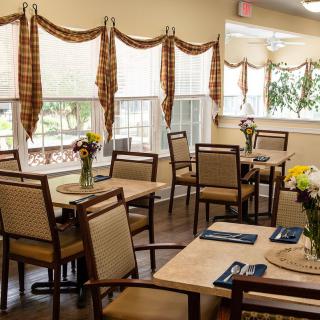
Residents can enjoy delicious meals in the dining room which offers restaurant-style dining. For fitness enthusiasts, there is a fully furnished fitness room where individuals can stay active and healthy. A gaming room provides opportunities for friendly competition, while the garden offers a peaceful outdoor space for relaxation.

Housekeeping services ensure that the living spaces are clean and well-maintained. Each resident has access to private bathrooms and Wi-Fi/high-speed internet for staying connected with loved ones. Move-in coordination is provided to make the transition to the community seamless.

The Hagerstown Healthcare Center also provides various care services to support residents' well-being. With 24-hour call system and supervision, assistance with activities of daily living such as bathing and dressing is readily available when needed. The staff offers medication management and special dietary restrictions, including diabetes diets, are accommodated.

The community promotes mental wellness through its mental wellness program and offers different activities throughout the day to keep residents engaged. Concierge services are available to assist with any additional needs or requests. Planned day trips and resident-run activities provide opportunities for social interaction and exploration.

There are numerous amenities nearby including cafes, parks, pharmacies, physicians' offices, restaurants, places of worship, and hospitals. This ensures that residents have easy access to essential services outside of the assisted living community.

Overall, the Hagerstown Healthcare Center in Hagerstown, MD prioritizes comfort, independence, and overall well-being for its residents through its range of amenities and care services.

Nearby Places of Interest

This part of Hagerstown, Maryland, is a convenient and diverse area with a variety of healthcare options including physicians, hospitals, and pharmacies all within close proximity. There are also plenty of dining options ranging from casual eateries like Stadium Tavern to more upscale establishments such as Schmankerl Stube. For those who enjoy spending time outdoors, there are several parks nearby like Hagerstown Fairgrounds and Woodland Way Park. Additionally, there are places of worship for individuals looking to continue practicing their faith. Overall, this area offers a mix of amenities and services that cater to the needs of seniors looking for a comfortable and accessible living environment.

Physicians

  • Family Healthcare of Hagerstown (0.3 miles)
  • After Hours Pediatrics (0.5 miles)
  • The Children's Doctor (0.5 miles)
  • Plastic Surgery Services (0.5 miles)
  • Cumberland Valley Surgery Center (0.6 miles)
  • Mid-Atlantic Orthopaedic Specialists (0.6 miles)
  • Hagerstown Pediatric (0.6 miles)

Restaurants

  • Stadium Tavern (0.4 miles)
  • Popeyes Louisiana Kitchen (0.8 miles)
  • Pizza Hut (0.9 miles)
  • Schmankerl Stube (0.9 miles)
  • Broad Axe (1 miles)
  • Los Amigos (1.3 miles)
  • Denny's (1.4 miles)

Pharmacies

  • Harold Collier (0.5 miles)
  • Express Pharmacy - Professional Pharmacy Services (0.6 miles)
  • Epic Pharmacies (0.6 miles)
  • Magnolia Square Pharmacy (1.2 miles)
  • Walgreens (1.4 miles)
  • CVS Pharmacy (1.4 miles)
  • Walgreens (1.5 miles)

Hospitals

  • Washington County Hospital (0.6 miles)
  • Davita Hagerstown Dialysis (0.6 miles)
  • Meritus Health (1.4 miles)
  • Western Maryland Hospital Center (2.2 miles)
  • Maryland Department of Health & Mental Hygiene (2.2 miles)
  • Western MD State Hospital (2.2 miles)

Parks

  • Hagerstown Fairgrounds (0.7 miles)
  • Hagerstown City Park (1.4 miles)
  • Woodland Way Park (1.5 miles)
  • Doubs Woods Park (2.1 miles)

Places of Worship

  • Church of Jesus Christ of Latter Day Saints (1.1 miles)

Cafes

  • Rik's Cafe (1.7 miles)
  • Free Range Cafe (2 miles)
  • Starbucks (2.7 miles)
  • Panera Bread (2.8 miles)

Frequently Asked Questions

How much does it cost to live at Hagerstown Healthcare Center in Hagerstown, MD?
Where is Hagerstown Healthcare Center?
What photos are available for Hagerstown Healthcare Center in Hagerstown, Maryland?

Nearby Communities

  • Guardian In Home Services Inc

    Guardian In Home Services Inc

    Hagerstown, MD

    3 from 1 review
    $4,295 to $7,595 / month

    pro Excellent proximity to healthcare, dining, and parks.
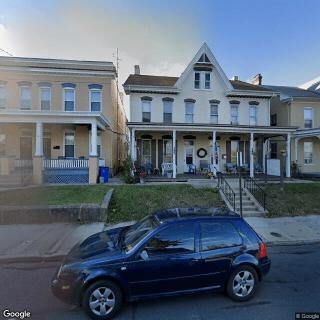
  • C.J.'s Senior Care

    C.J.'s Senior Care

    Hagerstown, MD

    4.2 from 5 reviews
     

    pro Small, home-like board-and-care with comprehensive ADL support and healthcare coordination.

  • C J's Senior Care

    C J's Senior Care

    Hagerstown, MD


    pro Diabetic care and engaging on-site activities

  • Commonwealth Senior Living at Hagerstown

    Commonwealth Senior Living at Hagerstown

    Hagerstown, MD

    4.8 from 49 reviews
    $3,385 to $4,830 / month

    pro Caring, attentive staff; clean, well-maintained facilities; engaging activities and proactive family communication.

  • Seaton Hagerstown

    Seaton Hagerstown

    Hagerstown, MD

    4.2 from 91 reviews
    $3,465 to $4,020 / month

    pro Engaging activities and friendly staff.

  • Julia Manor Nursing And Rehabilitation Center

    Julia Manor Nursing And Rehabilitation Center

    Hagerstown, MD

    4.3 from 32 reviews
     

    pro Friendly staff, good food, and a range of activities.

  • Brookdale Hagerstown

    Brookdale Hagerstown

    Hagerstown, MD

    4.3 from 122 reviews
    $3,430 to $7,170 / month

    pro Friendly staff in a beautiful, clean facility with engaging activities and dining.

  • Charlotte's Home,  Inc II

    Charlotte's Home, Inc II

    Maugansville, MD

    3.9 from 11 reviews
    $3,000 to $3,500 / month

    pro Caring staff in a home-like setting with home-cooked meals.

  • Canterbury Center

    Canterbury Center

    Shepherdstown, WV

    3.8 from 59 reviews
    $5,250 to $5,550 / month

    pro Attractive area with an appointment booking system.

Related Resources

  • how to pay for nursing home care with social securityFinancing Long-Term Nursing Home Care Through Social Security: A Thorough Exploration

    The article explores the complexities of using Social Security to finance long-term nursing home care in the U.S., detailing eligibility requirements and misconceptions, while emphasizing that these benefits often do not cover full costs and highlighting the need for strategic financial planning and professional guidance.

  • pneumonia in elderlyEssential Knowledge on Pneumonia in Older Adults

    Pneumonia significantly affects older adults due to weakened immune systems and atypical symptoms that complicate diagnosis, necessitating early detection and tailored treatment. Risk factors include chronic diseases and cognitive impairments, with preventive measures like vaccinations and healthy lifestyles being crucial for reducing risk.

  • palliative care at homeExploring Palliative Care in the Home: A Comprehensive Overview
    Palliative care enhances the quality of life for seriously ill patients by providing comprehensive support at home through a multidisciplinary team, addressing various needs and prioritizing comfort over curative treatments. While it offers personalized care and involves family in decision-making, challenges like caregiver stress and logistical issues persist, with growing demand prompting advancements in technology and healthcare policies to improve access.