

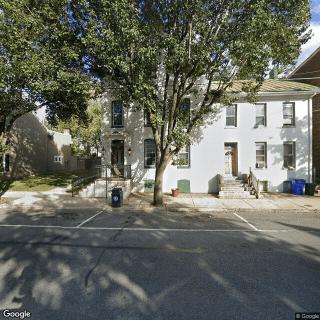
147 King St, Hagerstown, MD 21740
To contact a resident: (301) 791-6186
For more information about senior living options: (866) 208-4318
Overall Review of C J's Senior Care
Pros
 The mother loves it there.
- The staff are caring and wonderful.
- The family feels blessed to have found a caring home for their mom.
- The husband’s grandmother is happy and well taken care of.
- The staff are friendly and helpful.
- The mother-in-law has loved living there for over two years, and the staff love her.
- She has made friends there, and the staff keep families informed during health episodes.
- The resident ladies are sweet and happy and in good spirits when visited.
Cons
 They would not recommend sending their mother there.
- The nurses are disrespectful.
- The meals are terrible and served in small portions, causing starvation.
- There have been many falls resulting in injuries among residents.
- The ride-on escalator to the rooms has maintenance problems.
- Residents sleep on couches in the living room due to these issues.
Review
C J’s Senior Care in Hagerstown is best suited for families seeking a small, homey assisted-living option where caregivers know residents by name and family updates arrive quickly. The community tends to emphasize warmth, accessibility, and social connection, making it a solid fit for elders who thrive on frequent interaction, familiar faces, and a sense of belonging. Residents often appear content, with staff who take time to check in and adapt to changing needs. This setting is ideal for someone who does not require around-the-clock, high-acuity medical oversight but does want reliable supervision, consistent companionship, and a positive daily rhythm.
The strongest positives are the demonstrated care culture and the open line of communication. Multiple families report staff who are consistently caring, patient, and approachable, with caregivers going the extra mile to keep loved ones comfortable. The ability to relay updates promptly during health events stands out, particularly for families who cannot be present full-time. Residents form friendships, engage socially, and seem to enjoy daily life in a supportive, welcoming environment. Those factors create a reassuring atmosphere where relatives feel their loved ones are cherished and protected.
These strengths help offset several tradeoffs, but not without caveats. The evident warmth and the emphasis on family communication reduce the anxiety that accompanies selecting a new living situation and navigating medical events. The social texture, the daily interactions, planned activities, and peer connections, can substantially diminish feelings of isolation and help maintain a sense of purpose for many residents. Still, the favorable day-to-day dynamics must be weighed against more concrete risk signals: the questions raised by a negative review regarding nursing conduct, meal quality, and facility safety.
One review delivers a sobering contrast, alleging disrespectful nursing staff, substandard meals with inadequate portions, and safety and maintenance issues, including a problematic ride-on escalator and residents sleeping on couches due to maintenance problems. While this account is not echoed uniformly across all feedback, it signals legitimate red flags that deserve careful investigation. The discrepancy between the glowing testimonials and that single, severe critique suggests that experiences may vary by shift, unit, or individual staff member, underscoring the importance of direct observation and due diligence before committing.
Families who prioritize clinical rigor, nutrition, and robust safety infrastructure should consider alternatives. Look for communities with higher nurse staffing ratios, clear protocols for feeding and nutrition, and continuous maintenance and safety checks that prevent hazards. During tours, observe nurse–resident interactions across shifts, request current menu plans and dining observations, and inspect common areas, halls, and mobility equipment for safety. Verify that medications are managed with adequate RN oversight and that fall-prevention measures are consistently implemented. If any red flags persist after a thorough visit and review of records, it is prudent to broaden the search to other options with a stronger emphasis on clinical stability and environmental safety.
In the end, C J’s Senior Care offers a compelling blend of warmth, community, and family-centered communication that works well for many families. The core advantage lies in staff devotion and the noticeable happiness of residents, which translates into real peace of mind for relatives. Yet the existence of at least one severe negative report about nursing conduct, meals, and safety cannot be ignored. The responsible choice hinges on conducting rigorous due diligence: schedule extended visits, talk with leadership about care planning and dining standards, review recent safety audits and inspection notes, and assess whether the daily reality aligns with the family’s expectations for both compassion and clinical reliability. If those elements align, CJ’s stands as a strong, practical option; if they do not, exploring alternatives is a prudent, proactive step.
 Assisted Living
 Activities on-site
 Devotional services off-site
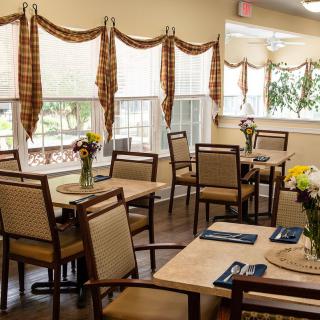
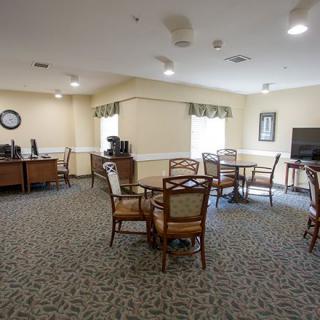
 Indoor common areas
 Ambulatory care
 Diabetic care
 Meals provided




 Social Security Benefits and Assisted Living: Navigating Options Across the U.S.
 An Extensive Exploration of the VA Aid and Attendance Benefit
 Senior Transition Services: Understanding Their Role, Cost, and Importance