
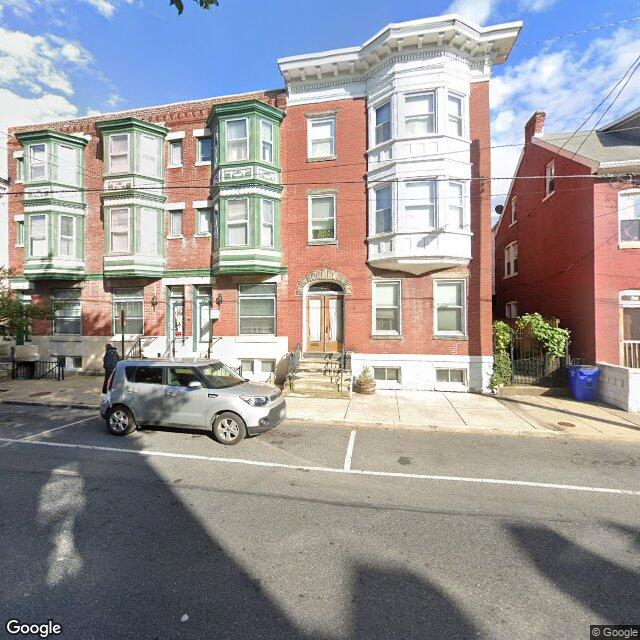
268 South Potomac Street, Hagerstown, MD 21740
For more information about senior living options: (866) 208-4318
Overall Review of Holly Place
Pros
 It is a nice place for the elderly to live, with staff who care for the residents.
- The staff are loving, caring professionals who make the home what it is.
- The rooms can be personalized to suit the clients.
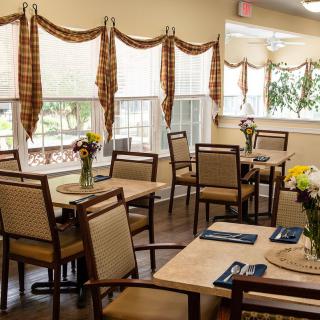
- The food is homemade and smells delicious.
- It feels more like a home than an institution.
- There is lots of love being expressed there.
- It is known as a great senior citizen home where residents are well cared for.
Cons
 The reviewer claims the place has nothing for residents: no food or games, and they sit around doing nothing all day.
- They say living there is not a proper way to live for anybody.
- They say they would leave the place after visiting.
- They accuse the facility of taking donations from their church and accepting any donations.
Review
Holly Place in Hagerstown, MD is best suited for seniors who prize a true home-like setting above all else and rely on caregivers who invest personally in daily life. This community shows up for residents with warmth, individualized attention, and a kitchen-driven sense of comfort, rooms can be personalized, and meals carry a homemade, nourishing aroma. Families that value flexible visiting, opportunities to bring in treats, and an environment where staff are genuinely engaged will find alignment here. It is less about who can fill a calendar with activities and more about creating a living space where residents feel known and cared for.
Those who may want alternatives are individuals who want robust, structured programming and a busy social calendar. The strongest negative note points to a perceived lack of food variety and daily activities, suggesting a risk that some residents could feel idle if the day isn’t thoughtfully planned. Prospective residents with high needs for stimulation, frequent outings, or a formal, hospital-like routine may be better served elsewhere. Additionally, governance concerns surfaced in at least one report regarding donations, which could unsettle families prioritizing transparent operations. A resident with more complex medical requirements might also explore options with clearer on-site clinical support.
On balance, the strongest positives, the homey atmosphere, staff described as loving, and the ability to personalize spaces, meaningfully offset the potential drawbacks. A home environment reduces impersonality, supports dignity, and fosters genuine relationships, which many seniors rate as the most important quality-of-life factor. The homemade meals and the sense that visitors are welcome add practical daily value, delivering social comfort that can compensate for fewer formal activities. The main risk remains potential boredom or meals that miss expectations; when staff are proactive and residents contribute in small, meaningful ways, the positives tend to prevail.
Guest access and family involvement appear to be embraced, with reports of a welcoming atmosphere and staff who encourage participation. The culture of care and the emphasis on personalized rooms contribute to a sense of continuity for residents who resist institutional rigidity. These factors translate into a strong sense of security and belonging, especially for seniors who prize familiar routines and a gentle pace. Yet, a tour should assess whether the daily program aligns with individual expectations, since the absence of a bustling schedule can leave some residents feeling under-stimulated.
From a practical standpoint, approach site visits with a clear checklist: observe meal times and the kitchen workflow, ask how activities are planned and who leads them, and note whether residents have opportunities to contribute to simple events. Engage with current residents about daily satisfaction, and inquire about dietary accommodations, medical oversight, and emergency procedures. Verify what donation policies actually entail and who governs them. Consider the location’s convenience for family involvement and access to care facilities. The core takeaway is clear: this is a warm, caregiver-forward setting where the human touch matters most. It serves well families seeking a home environment, personalized spaces, and homemade meals, with attentive, welcoming staff, yet those needing a highly structured activity calendar or intensive clinical oversight should compare several options before deciding.
 15 resident community capacity
 Assisted Living
 Board and Care Home
 Activities on-site
 Cable or satellite TV
 Devotional services off-site
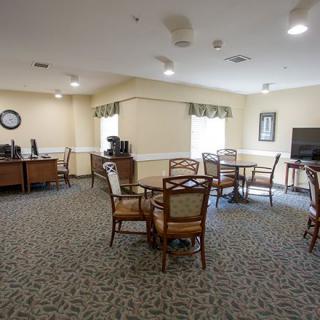
 Dining room
 Fully furnished
 Garden
 Housekeeping services
 Indoor common areas
 Move-in coordination
 Outdoor space
 Telephone
 Wi-Fi/high-speed internet available
 24-hour supervision
 Ambulatory care
 Assistance with bathing
 Assistance with dressing
 Assistance with transfers
 Diabetes diet
 Diabetic care
 Meal preparation and service
 Medication management
 Special dietary restrictions
 Transportation arrangement (medical)
 Transportation to doctors appointments





 Comprehensive Insights into Activities of Daily Living (ADLs) and Their Assessment
 Medicare Coverage for Assisted Living: An In-Depth Exploration
 Choosing the Right Senior Care: A Detailed Exploration of Assisted Living and Nursing Homes