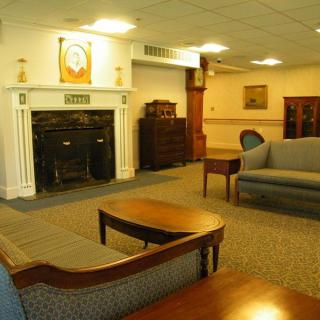
Maria Health Care Center

6401 North Charles Street, Baltimore, MD 21212

For more information about senior living options: (844) 490-3973

2.8 from 6 reviews
5 stars
2
4 stars
1
3 stars
0
2 stars
0
1 stars
3

Skilled Nursing Facility

What level of care are you interested in?

Assisted Living

Memory Care

Independent Living

Skilled Nursing Facility

Continuing Care Retirement Community (CCRC)CCRC

Other


Request a tour at Maria Health Care Center

    Overall Review of Maria Health Care Center

    Pros

    • pro They like it for all the usual reasons: food, portions, price, and service.
    • pro They enjoy shopping in the old country store type gift shop.
    • pro The restrooms are clean.
    • pro They are in love with this health care center.

    Cons

    • pro The sisters are very disrespectful and very nasty to their caregivers.
    • pro They are never happy with the care provided.
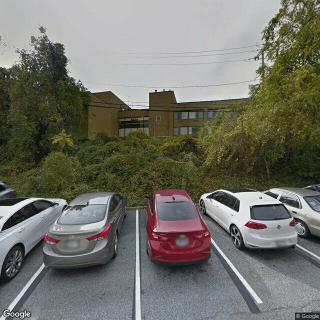
    • pro Leadership allegedly knew about a suspicious man pulling up in the parking lot for over two years and did not report him.
    • pro It was very unsafe to work there.
    • pro The operation is described as deceptive.

    Review

    The review paints a striking two-sided picture of the health care center. On the one hand, there is a strong sense of warmth and comfort: a place that resonates with familiar, homey appeal. The reviewer says they appreciate the same features that many visitors look for in a welcoming environment - good food, satisfying portion sizes, reasonable prices, and attentive service. They also enjoy browsing the old country store?type gift shop that accompanies the facility, suggesting a charming, in-house shopping experience that adds to the overall pleasant atmosphere. Clean restrooms are noted as an additional plus, reinforcing the feeling of a well-kept, comfortable space. Taken together, these positives contribute to a sense of being "in love with this health care center," underscoring an accessible, hospitable feel that seems to be genuinely appreciated.

    Yet, amid the praise, a substantial and troubling set of criticisms emerges. The reviewer shifts focus to interpersonal dynamics within the facility, specifically describing the sisters as very disrespectful and nasty toward the caregivers. They claim the staff is never satisfied with the care provided, which stands in stark contrast to the affection expressed for other aspects of the center. The reviewer emphasizes that this disrespect is surprising given the sisters' religious background and the education and leadership they are purported to have, including the director of nursing and other higher-ups. This tension suggests a culture within the facility where treatment of front-line caregivers is not aligned with the expectations one might reasonably hold for a religiously affiliated or well-educated leadership team.

    A separate, grave concern centers on safety and oversight. The reviewer asserts that there was knowledge among staff - up to leadership levels - that a "strange man" was pulling up in the parking lot. They describe a situation where staff members caught buses or joined their own cars, and only then learned about the man from colleagues and, in fact, witnessed his presence themselves. The claim goes further to say that police had to be called after these observations. Alarmingly, the reviewer contends that this situation persisted for over two years without staff reporting it, a detail that raises questions about reporting practices, risk perception, and the effectiveness of security measures at the facility.

    The emotional impact of these experiences is clear. The reviewer describes the environment as unsafe to work in and labeled the overall culture as deceptive. The strong language signals a deep sense of mistrust and concern about how safety issues are handled, as well as how staff are treated on a day-to-day basis. This combination of perceived mistreatment by specific groups within the staff and perceived gaps in safety oversight paints a picture of a facility that, while offering tangible comforts and conveniences to residents and visitors, also harbors serious internal frictions that could affect both employee well-being and resident safety.

    In sum, the narrative intertwines a warm, welcoming outer experience with a troubling inner reality. The facility appears to excel in amenities, service delivery, cleanliness, and in-house shopping, delivering comfort and convenience that can be deeply satisfying to guests and patients. At the same time, the reviewer raises hard-edged critiques about respect and treatment among staff, coupled with alarming claims about safety and security lapses. The juxtaposition of these elements creates a complex portrait of a place that may feel inviting on the surface but invites scrutiny beneath, particularly for potential employees and for families evaluating both daily care quality and the integrity of safety and reporting practices.

    The closing fragment, "Vice v," hints at an unfinished thought or a continued comparison that remains unresolved in the account. It serves as a somber reminder that the reviewer's experience includes unresolved tensions and questions about how the center balances its welcoming amenities with the more troubling internal dynamics. For anyone considering this facility, the account suggests weighing the pleasant, homey aspects - the food, shop, affordability, and cleanliness - against the concerns about staff respect, leadership, and safety oversight. Gathering additional perspectives and verifying safety protocols and staff culture would be prudent steps to take alongside a firsthand visit.

    Features

    Housing

    • 32 resident community capacity 32 resident community capacity

    Types of Care

    • Skilled Nursing Facility Skilled Nursing FacilitySkilled Nursing Facilities are crucial for seniors as they provide round-the-clock medical care, rehabilitation services, and assistance with daily activities. These facilities ensure that seniors receive the specialized care they need to maintain their health and well-being as they age.

    Amenities

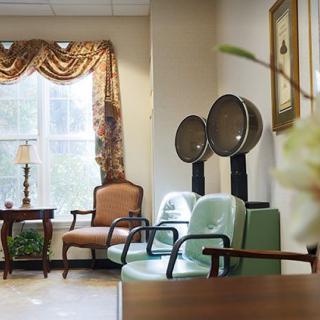
    • Beauty salon Beauty salonBeauty salons are important for seniors because they provide a space for them to feel pampered, socialize, and maintain their personal grooming and hygiene. Regular visits to a beauty salon can help boost seniors' self-esteem and overall well-being.
    • Cable or satellite TV Cable or satellite TVCable or satellite TV is important for seniors because it provides entertainment, news, and companionship, helping to combat loneliness and boredom. It also offers a wide range of programming options tailored to different interests and preferences.
    • Dining room Dining roomDining rooms are important for seniors as they provide a space for socialization, connection, and nutritious meals. They offer opportunities for residents to bond over shared meals, foster a sense of community, and promote healthy eating habits. Dining rooms also ensure that seniors have access to well-balanced meals tailored to their dietary needs and preferences.
    • Fully furnished Fully furnishedFully furnished senior living communities are important for seniors because they provide convenience, comfort, and a hassle-free moving experience. Seniors can easily settle into their new living space without the stress of having to buy and move furniture. This allows them to focus on enjoying their new home and community.
    • Garden GardenGardens are important for seniors as they provide a peaceful and therapeutic environment for relaxation, physical activity, and socialization. Being in nature has been shown to reduce stress, improve mood, and promote overall well-being. Gardens also offer opportunities for seniors to engage in gardening activities, which can improve mobility, flexibility, and cognitive function. Additionally, gardens create a sense of community and connection with others who share a passion for plants and outdoor spaces.
    • Housekeeping services Housekeeping servicesHousekeeping services are important for seniors because they help maintain a clean and safe living environment, promote independence, and reduce the risk of accidents or illnesses. Additionally, having assistance with household chores can alleviate physical strain and allow seniors to focus on other aspects of their well-being.
    • Kitchenette KitchenetteKitchenettes are important for seniors living in senior living communities because they provide the convenience and independence of being able to prepare simple meals and snacks in the comfort of their own living space. This can help promote a sense of autonomy and well-being for seniors, allowing them to maintain some level of control over their dietary choices and daily routines.
    • Move-in coordination Move-in coordinationMove-in coordination is important for seniors because it helps ease the transition into their new living environment. It ensures that all logistics, such as packing, organizing movers, and setting up utilities are taken care of, allowing seniors to focus on settling in and adjusting to their new home. Having a smooth move-in process can alleviate stress and anxiety, making the transition smoother and more enjoyable for seniors.
    • Outdoor space Outdoor spaceOutdoor spaces are important for seniors as they provide opportunities for physical activity, social interaction, exposure to natural light and fresh air, and a sense of connection to nature. Having access to outdoor spaces can improve overall well-being and quality of life for older adults living in senior communities.
    • Restaurant-style dining Restaurant-style diningRestaurant-style dining is important for seniors because it allows them to enjoy delicious, nutritious meals in a social and upscale setting. This enhances their dining experience, promotes healthy eating habits, and fosters socialization with fellow residents, ultimately contributing to their overall well-being and quality of life.
    • Small library Small librarySmall libraries are important for seniors as they provide access to a variety of reading materials, including books, newspapers, and magazines. This can help stimulate their minds, keep them engaged, and provide a sense of community through book clubs and other social activities. Additionally, reading has been shown to improve cognitive function and overall mental well-being in older adults.
    • Telephone TelephoneTelephones are important for seniors as they provide a lifeline for communication with loved ones, emergency services, and healthcare providers. They offer a sense of security and independence, enabling seniors to stay connected and access assistance when needed.
    • Wi-Fi/high-speed internet available Wi-Fi/high-speed internet availableWi-Fi/high-speed internet is important for seniors to stay connected with loved ones, access online resources, and participate in virtual activities to combat feelings of loneliness and isolation. It also allows them to easily manage healthcare needs, access entertainment, and engage in lifelong learning opportunities.

    Transportation

    • Baltimore-Washington International (15 miles away) Baltimore-Washington International (15 miles away)

    Care Services

    • 24-hour call system 24-hour call system24-hour call systems are important for seniors because they provide peace of mind and immediate assistance in case of emergencies. This technology ensures that help is always available, promoting safety and security for elderly individuals living alone or in assisted living facilities.
    • 24-hour supervision 24-hour supervision24-hour supervision is important for seniors to ensure their safety, well-being, and access to immediate assistance in case of emergencies or health issues. This constant support provides peace of mind for both seniors and their loved ones, allowing them to age in place with dignity and security.
    • Activities of daily living assistance Activities of daily living assistanceActivities of daily living assistance are important for seniors because they provide essential support with tasks such as eating, bathing, dressing, and mobility. This assistance helps seniors maintain their independence, dignity, and overall quality of life as they age.
    • Assistance with bathing Assistance with bathingAssistance with bathing is crucial for seniors as it helps maintain personal hygiene, prevents infections, and ensures their overall well-being and comfort. It also provides a sense of dignity and independence for seniors who may struggle with this task on their own.
    • Assistance with dressing Assistance with dressingAssistance with dressing is important for seniors because it helps maintain their independence, promotes personal hygiene, prevents accidents and injuries, and improves overall quality of life. This service ensures that seniors can continue to dress comfortably and confidently, despite any physical limitations they may have.
    • Assistance with transfers Assistance with transfersAssistance with transfers is crucial for seniors as it helps prevent falls and injuries, maintains their independence, and ensures they can safely navigate their living environment. It also provides peace of mind for both seniors and their loved ones.
    • Diabetes diet Diabetes dietA diabetes diet is crucial for seniors as it helps manage blood sugar levels, reduce risks of complications, and improve overall health and well-being. By following a balanced and nutritious diet tailored to their specific needs, seniors can better control their diabetes and enhance their quality of life.
    • Meal preparation and service Meal preparation and serviceMeal preparation and service are crucial for seniors as they may have limited mobility or energy to cook nutritious meals. Having access to healthy and convenient food options can ensure they are getting the proper nutrition needed to maintain their overall health and well-being.
    • Medication management Medication managementMedication management is crucial for seniors to ensure they are taking the right medications at the correct dosages and times. This helps prevent adverse drug interactions, reduces the risk of medication errors, and promotes overall health and well-being. Proactive management also allows for adjustments as needed based on changing health conditions or new prescriptions.
    • Mental wellness program Mental wellness programMental wellness programs are essential for seniors as they promote cognitive stimulation, emotional support, and social engagement. These programs help prevent isolation, depression, and cognitive decline, ultimately enhancing the overall quality of life for older adults.
    • Special dietary restrictions Special dietary restrictionsSpecial dietary restrictions are important for seniors because age-related changes in metabolism and health conditions can make it difficult for their bodies to process certain foods. By following a diet tailored to their specific needs, seniors can maintain their overall health and well-being, manage chronic conditions, and reduce the risk of complications such as malnutrition or food interactions with medications.

    Dining

    • Diabetes diet Diabetes dietA diabetes diet is crucial for seniors as it helps manage blood sugar levels, reduce risks of complications, and improve overall health and well-being. By following a balanced and nutritious diet tailored to their specific needs, seniors can better control their diabetes and enhance their quality of life.
    • Special dietary restrictions Special dietary restrictionsSpecial dietary restrictions are important for seniors because age-related changes in metabolism and health conditions can make it difficult for their bodies to process certain foods. By following a diet tailored to their specific needs, seniors can maintain their overall health and well-being, manage chronic conditions, and reduce the risk of complications such as malnutrition or food interactions with medications.

    Activities

    • Community-sponsored activities Community-sponsored activitiesCommunity-sponsored activities are important for seniors as they provide opportunities for social interaction, mental stimulation, and physical activity. These activities can help improve overall well-being, combat loneliness and isolation, and promote a sense of belonging and purpose among older adults.
    • Resident-run activities Resident-run activitiesResident-run activities are important for seniors as they encourage social interaction, creativity, and a sense of autonomy. These activities empower seniors to stay engaged and active in their community while fostering meaningful connections with their peers.
    • Scheduled daily activities Scheduled daily activitiesScheduled daily activities are important for seniors because they provide structure, socialization, mental stimulation, and physical activity. Engaging in regular activities can improve overall well-being and quality of life for seniors living in a community setting.

    Description

    The Maria Health Care Center in Baltimore, MD is a fully furnished assisted living community that offers a range of amenities and care services to ensure the comfort and well-being of its residents. The center features cable or satellite TV in every room, as well as Wi-Fi/high-speed internet access for entertainment and communication purposes.

    Residents can enjoy meals in the dining room with restaurant-style dining options and special dietary restrictions can be accommodated. Additionally, there is a small library for residents to relax and engage in reading.

    The care services provided at Maria Health Care Center include 24-hour supervision and assistance with activities of daily living such as bathing, dressing, and transfers. The staff also assists with medication management and follows diabetes diets for those who require it. A mental wellness program is available to support the emotional well-being of residents.

    Outside, the center offers a garden and outdoor space where residents can enjoy fresh air and take walks. Housekeeping services are provided to maintain a clean environment for all residents.

    For convenience, move-in coordination is offered to assist new residents with their transition into the community. In terms of nearby amenities, there are cafes, parks, pharmacies, physicians' offices, restaurants, places of worship, theaters, hospitals, and transportation options all within close proximity to the center.

    Overall, Maria Health Care Center provides a comfortable living environment with various amenities and care services designed to promote the overall well-being of its residents while being conveniently located near essential facilities.

    Nearby Places of Interest

    This part of Baltimore, Maryland offers a diverse range of amenities and services that cater to seniors looking for a comfortable and convenient living experience. With multiple places of worship nearby, such as Brown Memorial Woodbrook Presbyterian Church and Church of the Immaculate Conception, residents have easy access to spiritual support and community engagement. The proximity to hospitals like GBMC and Sheppard Pratt Health System ensures quick access to medical care. Additionally, there are various restaurants, cafes, pharmacies, and parks in the vicinity, offering ample opportunities for recreation and relaxation. The neighborhood also provides easy transportation options with the Lutherville Light Rail Station and Penn Station nearby, making it convenient for seniors to explore the surrounding areas or visit loved ones.

    Places of Worship

    • Brown Memorial Woodbrook Presbyterian Church (0.3 miles)
    • Church of the Immaculate Conception (1.7 miles)
    • Church of the Nativity (3.4 miles)
    • St Demetrios Greek Ort (5.9 miles)

    Hospitals

    • GBMC (0.5 miles)
    • Sheppard Pratt Health System (0.6 miles)
    • MedStar Good Samaritan Hospital (2.7 miles)
    • Sinai Hospital Of Baltimore (2.9 miles)
    • Johns Hopkins Medicine at Green Spring Station (3.5 miles)
    • Lifebridge Health Campus Service (3.5 miles)
    • MedStar Union Memorial Hospital (3.8 miles)

    Restaurants

    • Subway (0.5 miles)
    • Pepe's (1.5 miles)
    • Zen West Roadside Cantina (1.6 miles)
    • THB - Towson (1.7 miles)
    • Mt. Washington Tavern (1.8 miles)
    • McDonald's (2 miles)
    • The Cheesecake Factory (2 miles)

    Physicians

    • Greater Baltimore Medical Center (0.5 miles)
    • O'Dea Building- St Josephs Hospital (0.8 miles)
    • Dr Richard A. Adler, Belcara Health Ophthalmology (1.6 miles)
    • Clinical Associates (2 miles)
    • Advanced Allergy & Asthma Center (2.4 miles)
    • Pediatric Partners (2.7 miles)
    • Scottish Rite Speech & Language Center (3.4 miles)

    Parks

    • Rodgers Forge Tot Lot (0.6 miles)
    • Lake Roland (1.5 miles)
    • Meadowood Regional Park (3.3 miles)
    • Cromwell Valley Park (4.2 miles)

    Pharmacies

    • Rite Aid (1.2 miles)
    • Walgreens (1.2 miles)
    • Walgreens (2 miles)
    • CVS Pharmacy (2.1 miles)
    • CVS Pharmacy (2.3 miles)
    • Walgreens (2.6 miles)
    • CVS Pharmacy (2.7 miles)

    Cafes

    • Starbucks (1.6 miles)
    • Miss Shirley's Cafe, Roland Park (2.7 miles)
    • Panera Bread (4.1 miles)
    • Dooby's (5.9 miles)
    • Ceremony Coffee Roasters (6.1 miles)

    Theaters

    • Cinemark Towson And Xd (1.8 miles)

    Transportation

    • Lutherville Light Rail Station (3.1 miles)
    • Penn Station (5.3 miles)

    Frequently Asked Questions

    Where is Maria Health Care Center?

    Nearby Communities

    Related Resources

    • what is home health careHome Health Care Demystified: A Comprehensive Guide for Families and Caregivers
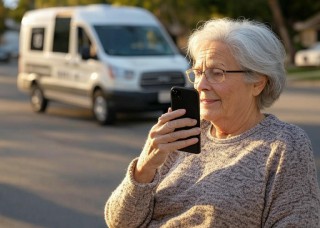
      Home health care offers a range of clinical services provided in a patient's home, including nursing and therapy, tailored to individual needs, particularly for aging seniors with chronic conditions. This approach enhances patient independence, promotes better disease management, and utilizes technology for real-time monitoring while fostering collaboration among healthcare providers and family members.

    • uber for seniorsSeniors and Modern Transportation: Exploring Uber, Lyft, and Other Ride-Hailing Options
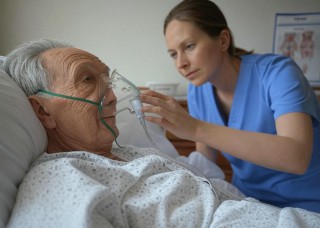
      Seniors benefit from ride-hailing services like Uber and Lyft, which provide convenient and accessible transportation options that promote independence and social engagement, while addressing mobility challenges. These platforms have adapted to meet senior needs with user-friendly features and safety measures, although costs can be a concern; community programs may help subsidize rides for older adults.

    • who qualifies for home health care servicesComprehensive Guide to Qualifying for Home Health Care Services

      The guide outlines the eligibility criteria for home health care services, emphasizing clinical requirements, insurance options, and application processes. It distinguishes between Medicare's strict and Medicaid's flexible qualifications while addressing challenges families may face in securing necessary care at home.


    Get Pricing Ask A Question Schedule A Tour Contact Senior Advisor