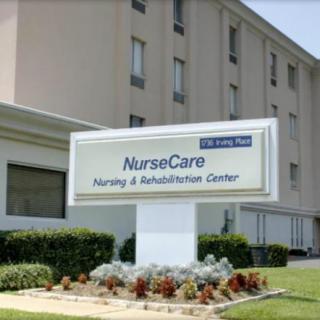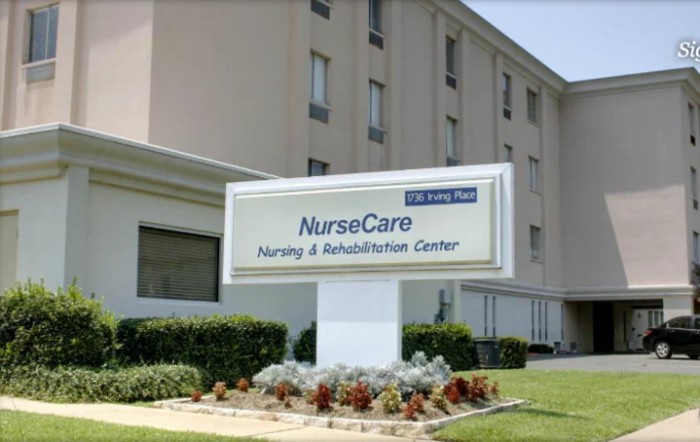
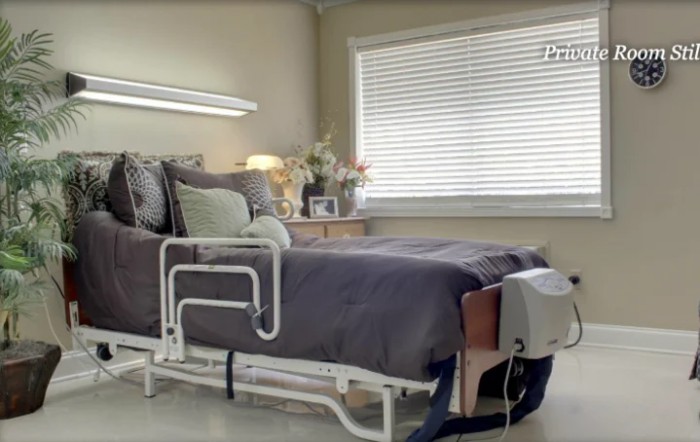
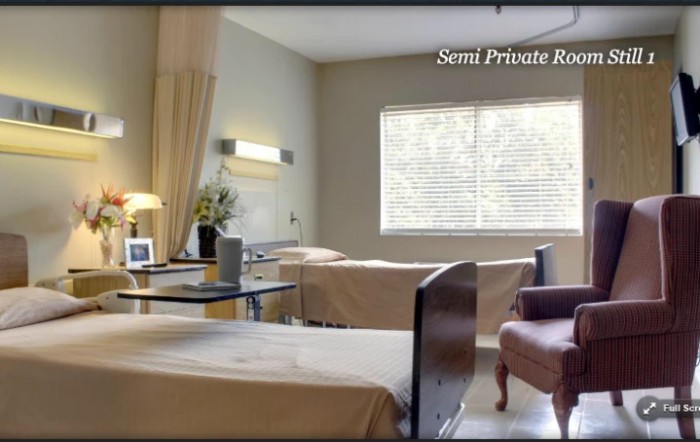
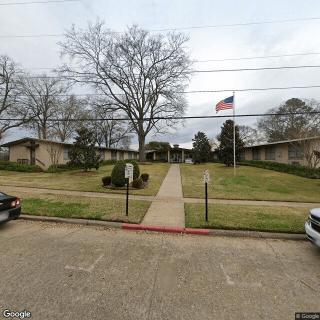
1736 Irving Place, Shreveport, LA 71101
For more information about senior living options: (866) 208-4318
Overall Review of Highland Place Rehab And Nursing Center
Pros
 The administration is described as caring and attentive.
- The facility has loving and caring staff and a warm, Christian atmosphere.
- The therapy staff is very responsive to residents’ needs.
- The staff are top-notch and dedicated.
- The staff are wonderful and caring, even when overworked, and they strive to resolve issues.
Cons
 The call lights were ignored for hours, leaving residents in pain and needing assistance.
- Some CNAs treated patients roughly and lacked basic care and responsiveness.
- The facility was disorganized and failed to meet residents’ needs; rooms were not cleaned properly.
- A nurse was rude and unprofessional when asked for help.
- The place was dirty, with dried food in rooms, trash overflowing, and call lights left on while staff sat at the nursing station on phones.
- There was a pervasive urine smell on the third floor, indicating poor cleanliness.
- A resident died of malnutrition, and the social workers were described as the worst.
- Family members were not informed promptly about hospitalizations or medical events.
- The overall operation was deemed horrible and not safe, with some staff not caring and the institution sometimes accused of being shut down-worthy.
Review
Highland Place Rehab And Nursing Center in Shreveport is best suited for budget-conscious families that are willing to tolerate uneven care in a faith-oriented, home-like atmosphere and can supervise their loved one closely. The facility may work for short-term rehab when the family can stay engaged, press for timely responses, and monitor daily routines, but it is not a hands-off option. In practice, the few positives from a caring few on staff and the sense of a community need to be weighed against a pattern of inconsistent responsiveness and variable quality of care.
Those who demand consistently reliable call-light response, pristine cleanliness, and steady clinical oversight should consider alternatives. The reviews repeatedly flag hours-long delays to assistance, with loved ones waiting for help during restlessness, pain, or nausea. Reports of rough handling during transfers, unaddressed needs, and odors on several floors reinforce a clear warning: safety and basic comfort cannot be assumed here. For families relying on predictable medication management, timely nurse attention, and frequent family updates, the gaps are simply too large to overlook.
The facility is not without redeeming traits. A minority of staff members, some CNAs and therapists, are praised for genuine care and responsiveness in certain shifts, and a few families note that therapy teams can be responsive and helpful when engaged. The administrator is occasionally described as accessible and sincerely trying to address complaints, which signals that the operation has elements of a workable program. In environments where oversight from families or advocates is constant, these glimmers can become leverage points for modest improvement.
Yet the main drawbacks overwhelmingly overshadow these strengths. The most troubling themes include repeated call-light neglect, delayed or absent assistance, and failure to follow through on basic care tasks. Reports include incidents of discomfort and neglect in routine activities, serious concerns about medical handling, unattended changes in patient condition, and even communication lapses that leave families guessing about their loved one’s status. Cleanliness issues, odors, overflowing hallways, and crowded rooms further undermine trust in day-to-day operations. When the overall atmosphere feels disorganized and staff demonstrate inconsistent demeanor, the risk of adverse outcomes rises.
These pros offset the cons only to a limited degree. If a resident can tolerate a chaotic environment with strong family involvement and a focused rehabilitation plan that is actively coordinated by a determined therapy team, some positive experiences may emerge. However, the scale and frequency of the negative experiences, especially regarding safety, responsiveness, and cleanliness, make it unlikely that Highland Place will meet the needs of most long-term residents or families seeking reliable, high-quality care without external vigilance. Reality check: outcomes are highly contingent on day-to-day staff mix, shifts, and the ability of families to stay deeply involved.
For families weighing the next steps, a practical course is essential. Schedule comprehensive tours with managers and floor leaders, and request to review recent incident logs and state inspection notes. Ask about current staffing levels, CNA retention, and whether a resident’s plan of care is actively monitored by a supervising nurse and a therapy lead. Seek candid feedback from current residents and families about call-light response times and housekeeping routines. Compare with other SNFs in Shreveport with higher ratings and more consistent reputations, or consider alternatives such as home health rehabilitation for shorter or more controlled recovery goals. In the end, choosing Highland Place hinges on accepting the trade-off: a limited opportunity for rehab and a community warmth in exchange for variable care quality and uncertain day-to-day reliability.
 227 resident community capacity
 Skilled Nursing Facility
 Air-conditioning
 Beauty salon
 Cable or satellite TV
 Computer center
 Dining room
 Fitness room
 Fully furnished
 Gaming room
 Garden
 Housekeeping services
 Kitchenette
 Move-in coordination
 Outdoor space
 Private bathrooms
 Restaurant-style dining
 Small library
 Telephone
 Wellness center
 Wi-Fi/high-speed internet available
 Shreveport Regional (6 miles away)
 Community operated transportation
 12-16 hour nursing
 24-hour call system
 Activities of daily living assistance
 Assistance with bathing
 Assistance with dressing
 Assistance with transfers
 Diabetes diet
 Medication management
 Mental wellness program
 Special dietary restrictions
 Concierge services
 Planned day trips
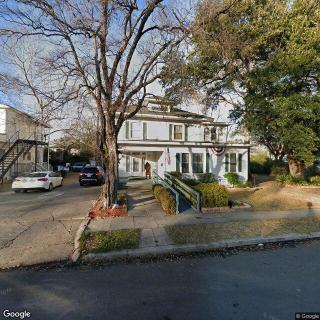


 Urinary Tract Infections in Older Adults: Comprehensive Insights on Symptoms, Treatment, and Prevention
 California's Form 602A: An In-Depth Examination of Senior Care Assessment
 Comprehensive Look at Senior Blood Pressure Charts: Normal and Elevated Levels by Age