

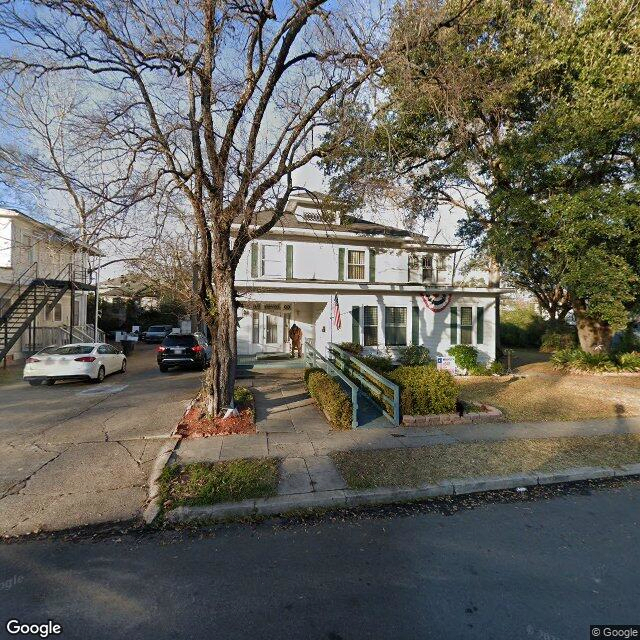
442 Jordan Street, Shreveport, LA 71101
For more information about senior living options: (866) 208-4318
Overall Review of Woody's Home for Veterans I
Pros
 The place is a great, caring place for veterans.
- The staff are very good with the veterans and provide many activities for them.
- Woodys provides shelter and support for veterans.
- It is a home for veterans and accepts donations.
- The place provides an essential service for veterans.
- The message expresses gratitude for veterans' service in the United States.
Review
Woody’s Home for Veterans I in Shreveport, Louisiana is best suited for U.S. veterans who want a close-knit, purpose-driven living environment where staff treat residents with genuine care and a shared sense of service. The community feels like a home first, not a clinical setting, emphasizing personal connection, predictable routines, and activities that honor a lifetime of service. Veterans who value camaraderie, approachable staff, and a culture of respect will find daily life here meets practical needs while delivering meaningful emotional comfort. It is particularly appealing to those who prefer a smaller, neighborly atmosphere in which staff know residents well and family involvement feels natural.
Individuals who may want alternatives include those who require higher levels of medical oversight, specialized dementia or memory-care programming, or a broader mix of residents beyond the veteran identity. If 24/7 clinical support, hospital-grade equipment, or non-veteran social opportunities are priorities, a larger, more medically oriented community may be worth a look. The fit here relies on a balance between companionship and support, not on high-acuity medical amenities, so families must align expectations with the facility’s veteran-centered model.
Three consistently cited strengths stand out: the quality of care from staff, the veteran-centered ethos, and a robust calendar of activities. The workers are described as genuinely caring with the vets, building trust and daily comfort through attentive, respectful interaction. The veteran focus translates into programming that honors service, nurtures purpose, and reduces isolation, while the active slate of events keeps residents engaged and mentally and socially connected. The main trade-off is not spelled out in reviews, but the likely gap involves higher medical intensity or memory-care specialization. In this setting, these strengths effectively offset potential limitations by delivering dependable companionship, responsive support, and a home-like rhythm that sustains dignity.
Donations and community involvement are more than footnotes; they help shape the daily life and sense of belonging. The facility presents itself as shelter and support for veterans, with external support from donors and volunteers reinforcing a continuing sense of purpose and community. That social fabric enhances quality of life by creating ongoing opportunities for engagement, visits, and intergenerational exchange, which in turn reinforces emotional well-being and reduces isolation. Even in the absence of expansive clinical services, the culture of giving back and mutual support provides a meaningful context for residents to thrive.
Families evaluating Woody’s should ask upfront what is included in the cost, how the staff-to-resident ratio looks on typical days, how medical needs are managed on-site, and what transportation options exist for appointments and activities. While reviews highlight a caring staff and rich activity program, it is prudent to verify the scope of medical oversight and whether memory-care services exist on-site or through partnerships. Speaking with current residents and their families during a visit will reveal how consistent the daily experience is and whether the level of personal attention matches expectations.
Bottom line: Woody’s Home for Veterans I stands out for veterans who crave a respectful, engaging, and community-driven living arrangement. Its strongest assets, compassionate staff, a veteran-centric culture, and a full slate of meaningful activities, tend to offset the absence of highly medicalized services for residents who are otherwise independent or have manageable needs. It represents a compelling choice for those seeking companionship, dignity, and a sense of purpose rooted in service. For residents with significant medical or memory-care requirements, exploring facilities with deeper clinical depth is prudent, but for many veterans and their families, Woody’s offers a uniquely supportive home that honors service and everyday living.
 8 resident community capacity
 Assisted Living
 Board and Care Home
 Cable or satellite TV
 Dining room
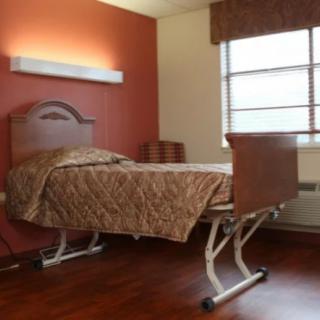
 Fully furnished
 Garden
 Housekeeping services
 Move-in coordination
 Outdoor space
 Telephone
 Wi-Fi/high-speed internet available
 Shreveport Regional (6 miles away)
 24-hour supervision
 Activities of daily living assistance
 Assistance with bathing
 Assistance with dressing
 Assistance with transfers
 Diabetes diet
 Meal preparation and service
 Medication management
 Special dietary restrictions
 Transportation arrangement (medical)
 Transportation to doctors appointments

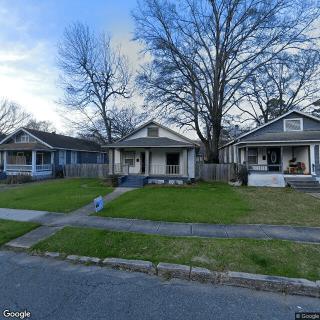


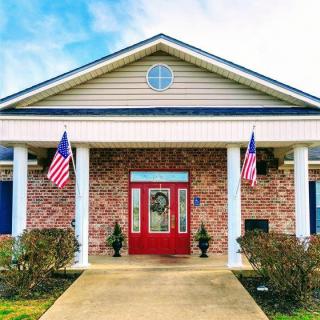
 Vibrant Senior Living: A Comprehensive Guide for Active Older Adults
 When to Transition from Assisted Living to Memory Care: Key Indicators, Steps, and Finding the Right Community
 Assisted Living and Memory Care: Understanding Their Core Differences