
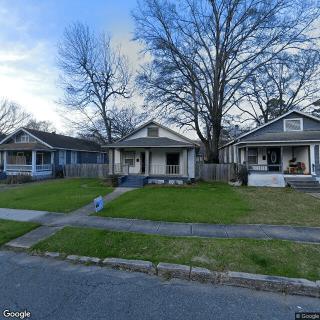
448 Jordon Street, Shreveport, LA 71101
For more information about senior living options: (866) 208-4318
Overall Review of Woody's Home for Veterans II
Pros
 The facility is a great, caring place.
- The staff are very good with the veterans and offer a wide range of activities.
- Woodys provides shelter and support for veterans.
- The organization is a home for veterans and accepts donations.
- This place provides an essential service for veterans.
- The message expresses heartfelt gratitude for veterans' service.
Review
Woody's Home for Veterans II in Shreveport is best suited for veterans who want a warm, mission-driven living environment where care feels personal and community is the centerpiece. This community shines for seniors who prioritize daily connection, purposeful activity, and a sense of belonging over glossy amenities or hospital-style medical oversight. Families seeking a place with a clearly veteran-focused culture, where staff are described as genuinely caring and skilled with their residents, will find the match they need. It is especially appealing for those who view philanthropy and communal support as part of everyday life, since donations and donor involvement are part of the operating spirit. For veterans who want a home that emphasizes service, camaraderie, and social engagement, this is a compelling option.
The strongest, commonplace strengths lie in the human side of care. Reviews consistently highlight the staff’s warmth and the way they interact with residents, suggesting a low-tension, nurturing atmosphere that promotes safety and trust. Activity programming appears robust, with a variety of engagements designed to keep residents socially connected and mentally engaged. The sense that Woody’s provides shelter with real support, not merely a place to reside, resonates throughout the comments. Donor involvement and a community-first approach also come through, signaling stability and mission alignment that can translate into sustained programming and community resources. In practical terms, these elements translate to more meaningful days, fewer voluntary isolation moments, and a culture where residents feel seen and valued.
On the other hand, any decision needs to acknowledge what isn’t spelled out in the feedback. There is limited detail about medical oversight, care intensity, or the exact mix of services available on-site. Prospective families cannot glean from the comments how nursing coverage, medication administration, or memory-care options are structured, nor can they assess staff-to-resident ratios or emergency protocols. The same absence of concrete pricing or funding pathways means families must actively investigate costs, eligibility for VA benefits, and potential financial assistance. In short, while the heart of Woody’s is clearly strong, the explicit medical and financial specifications a family might want for high-need residents remain underrepresented in the public signals.
That tension between warmth and operational clarity is where the pros either offset or fall short, depending on the family’s priorities. For veterans who are relatively independent but crave companionship and purposeful daily life, the proven strengths, caring staff, engaging activities, and a mission-driven campus, are likely to outweigh ambiguities about medical services. The home-like environment and community orientation can compensate for any absence of upscale amenities or formal care tiers, delivering tangible daily quality of life. The donor-supported model also matters here: it signals ongoing capacity to maintain programming and community ties, which often translates to longer-term stability and fewer disruptions for residents.
For families evaluating next steps, concrete, practical inquiry should guide the process. Schedule a visit and probe the daily routine: what activities are offered, how residents participate, and who leads them. Request specifics on onsite medical capabilities, such as nursing presence, medication management, and access to clinicians for routine or crisis care. Ask about eligibility, costs, and what funding supports are available, including any VA benefits and what portion might be resident-funded. Inquire about family involvement, visitation policies, communication cadence, and opportunities to contribute to the community through volunteer or donation channels. These questions reveal how Woody’s operates beyond the warmth described in reviews and help ensure alignment with long-term care needs.
Ultimately, Woody's Home for Veterans II stands out as a top option for veterans desiring a compassionate, activity-rich, community-centered setting. It delivers a sense of purpose and belonging that many seniors crave, anchored by staff who are praised for their care and relationship-building. The main caveat is the lack of explicit detail around medical services and cost structures; awareness of these gaps is essential when care needs may escalate. For families prioritizing a veteran-focused culture, meaningful daily engagement, and a stable, donor-supported community, Woody’s offers a compelling, practically strong choice. If medical complexity or a formal continuum of care with clearly defined clinical oversight is the priority, alternative communities with visible medical capacities should be explored in parallel.
 8 resident community capacity
 Assisted Living
 Cable or satellite TV
 Dining room
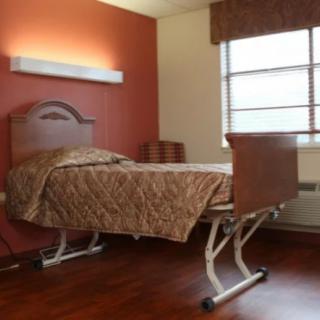
 Fully furnished
 Garden
 Housekeeping services
 Move-in coordination
 Outdoor space
 Telephone
 Wi-Fi/high-speed internet available
 Shreveport Regional (6 miles away)
 24-hour supervision
 Activities of daily living assistance
 Assistance with bathing
 Assistance with dressing
 Assistance with transfers
 Diabetes diet
 Meal preparation and service
 Medication management
 Special dietary restrictions
 Transportation arrangement (medical)
 Transportation to doctors appointments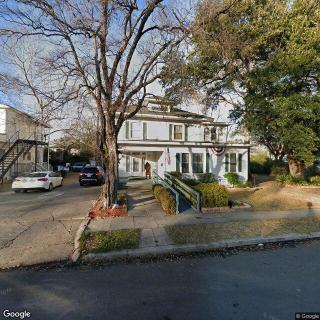




 Assisted Living Support for Veterans: A Complete and Detailed Overview
 Exploring the Contrasts Between Assisted Living and Skilled Nursing
 8 Key Indicators That Suggest It May Be Time to Transition from Assisted Living to Skilled Nursing Care