
2614 Jefferson Highway, 3Rd Floor, Jefferson, LA 70121
For more information about senior living options: (866) 208-4318
Overall Review of Ochsner Medical Center Skilled Nursing Facility
Pros
 The patient received terrific medical care and is grateful to everyone who helped in the healing journey.
- The staff were very nice, and housekeeping was very nice.
- The care she received contributed to her recovery.
- The team showed professionalism, kindness, compassion, and dedication.
- Each staff member played a crucial role in making her stay top-notch.
- The cleanliness, safety measures, and overall organization were commendable.
- The food was always fresh and delicious.
- Nurse Reneis and Dr. Lisa provided top-notch care and attentiveness, with the rest of the staff making the patient feel safe, pain-free, and comfortable.
- The staff were knowledgeable and caring, and the patient made true friends along the way.
Cons
 Most of the staff suck and provide the worst care.
- The staff were neglectful and even abusive toward a family member.
- The night shift was lazy and did not respond to patients, leaving lights off and never returning until morning.
- The front desk service was the worst—no help and very rude.
- A patient was not given intravenous antibiotics for three days.
- Staff did not check on patients regularly, forcing them to look for help down the hall.
- Discriminatory and racist behavior was reported among staff.
- The case manager was unhelpful and not competent at her job.
Review
This community is best suited for families seeking robust skilled nursing care with a clear emphasis on medical treatment, rehabilitation progress, and discharge planning. The strongest and most consistent praise centers on competent clinicians, attentive nurses and aides, and a team that creates a sense of safety during recovery. Residents who require careful monitoring, wound care, therapy services, and coordinated care transitions tend to leave with tangible gains and a clearer path home. Cleanliness, organized routines, and responsive dietary accommodations also appear as reliable positives. For families prioritizing medical outcomes and a structured plan for return to independence, this facility often delivers when expectations align with daytime care dynamics and clear communication about progress.
However, explicit caution is warranted for families that depend on uninterrupted, 24/7 responsiveness and a uniformly positive bedside experience. Several reviews flag inconsistent nighttime coverage, with reports of delays in turning or checking on residents and a perception of staff disengagement after hours. Front-desk interactions and some night-shift experiences are described as less professional or empathetic, and a number of accounts allege neglect or disrespect, including claims of discrimination. For someone whose loved one requires constant advocacy, rapid response to alarms, or a consistently soothing environment at all hours, these gaps can be meaningful and not easily offset by daytime strengths.
The most compelling pros, strong medical care, high levels of kindness and dedication from many caregivers, and evidence of meaningful recovery, often offset many concerns for residents who can rely on the day shift and on proactive case management. When nurses, wound care specialists, and dietary staff are cited by name for going above and beyond, the impact is substantial: better communication, tailored care, and a sense of being well cared for during the critical phases of healing. Clean facilities and a food program described as fresh and thoughtfully prepared reinforce confidence that a stay here can support both physical recovery and overall well-being. In settings where the care team demonstrates reliability, these advantages can compound into durable improvements.
Yet the negative experiences cannot be dismissed. Recurring themes point to variable staff temperament and responsiveness, with some families feeling their loved ones were left without timely attention or basic courtesy. Allegations range from routine neglect to more troubling complaints about discriminatory treatment and malpractice perceptions. These assessments, though not universal, create a real sense of risk for families whose expectations hinge on consistent, respectful, and comprehensive care around the clock. The contrast between the highly praised daytime interactions and the more challenging overnight reports suggests a facility that works well for some residents but may fall short for others who cannot tolerate intermittent gaps in care.
For families evaluating this option, practical steps can help determine fit and mitigate risk. During visits, observe both daytime and evening staff interactions, ask to meet the night shift supervisor, and request a transparent explanation of how staffing is allocated after hours. Review the care-planning process: how often the plan is updated, how concerns are escalated, and what metrics gauge recovery progress. Inquire about medication management, response times to alarms, and the process for addressing complaints or incidents. Checking state inspection reports, asking for current staff-to-resident ratios, and speaking with multiple families about their experiences can illuminate whether the positives outweigh the risks for a particular loved one’s needs.
In sum, Ochsner Medical Center Skilled Nursing Facility offers solid clinical care, compassionate daytime staff, and a track record of recovery when operations run smoothly. It is a compelling choice for those who value medical competence, clear discharge planning, and a positive daily routine, and who can accept potential variability after hours. For anyone whose priority is unwavering nighttime attentiveness, consistently respectful treatment at all times, or a baseline of safety without gaps, alternatives should be seriously considered. The facility remains a strong option for many, but careful vetting and a plan for near-constant oversight are essential to ensure alignment with a loved one’s specific care goals.
 30 resident community capacity
 Skilled Nursing Facility
 Beauty salon
 Cable or satellite TV
 Dining room
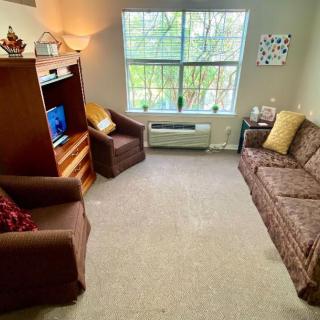
 Fully furnished
 Garden
 Housekeeping services
 Kitchenette
 Move-in coordination
 Outdoor space
 Restaurant-style dining
 Small library
 Telephone
 Wi-Fi/high-speed internet available
 New Orleans International (7 miles away)
 24-hour call system
 Activities of daily living assistance
 Assistance with bathing
 Assistance with dressing
 Assistance with transfers
 Diabetes diet
 Medication management
 Mental wellness program
 Special dietary restrictions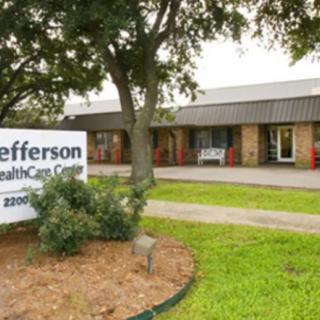







 Comprehensive Guide to Medicare Coverage for Hospice Care
 Caring for Those Who Care: Recognizing, Understanding, and Overcoming Caregiver Burnout
 Caregiver Exhaustion: Recognizing the Signs and Restoring Your Well-Being