Jefferson Healthcare Center

Save

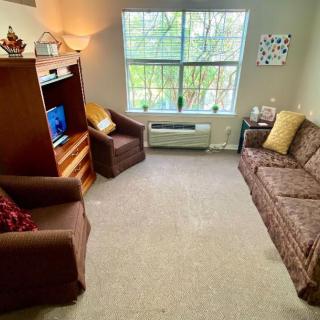
  • Interior

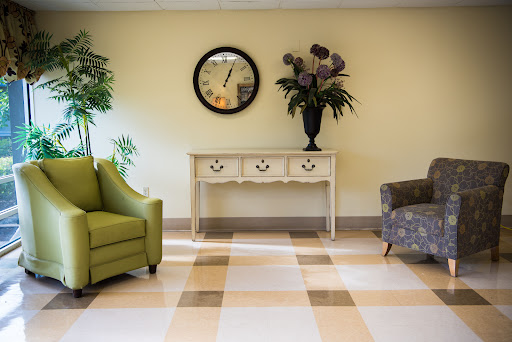
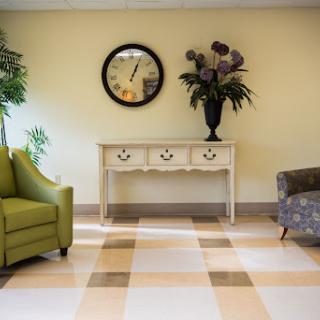
    A cozy living room setup featuring a green armchair, a patterned sofa, a decorative table with flowers, and a wall clock.
  • Decor

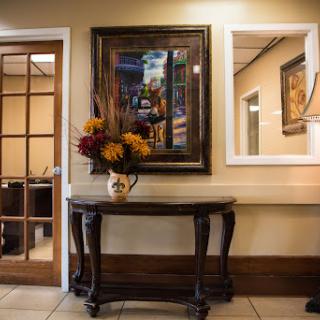
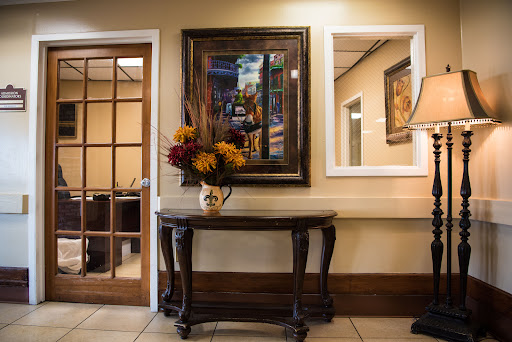
    A beautifully decorated entryway featuring a dark wooden table, a floral arrangement, and artwork on the wall.
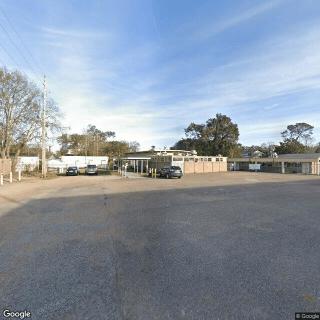
  • Building

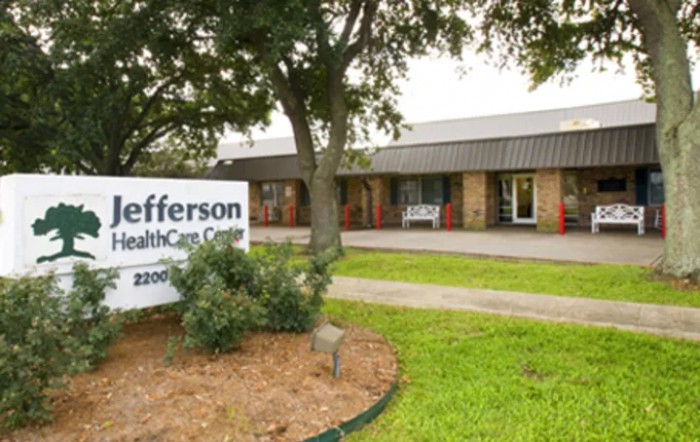
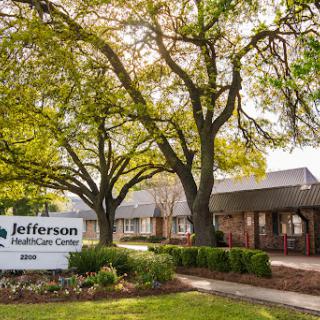
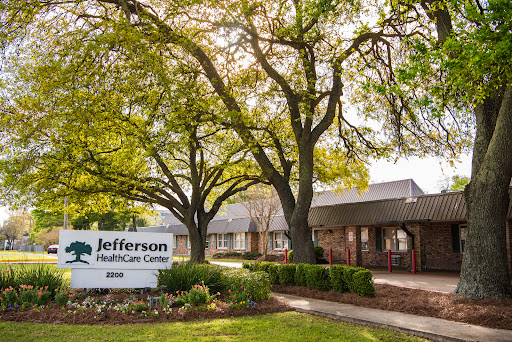
    A healthcare center building with a sign and surrounding greenery.
  • Bedroom

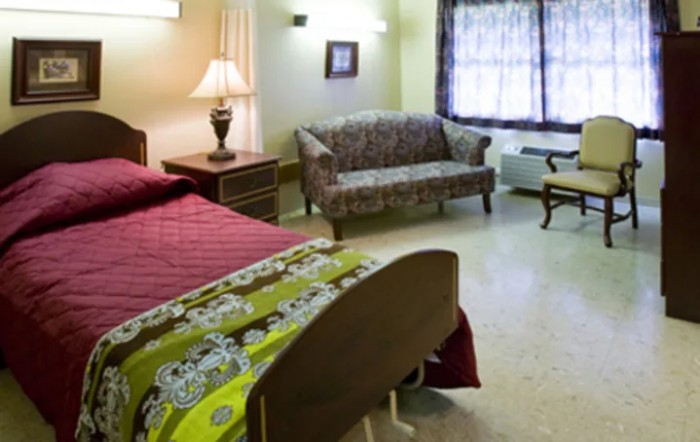
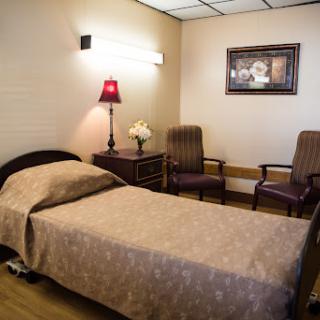
    A cozy bedroom with a bed, sofa, and a table lamp by the window.
  • Trees

    Jefferson Healthcare Center, surrounded by lush greenery.
  • Dining

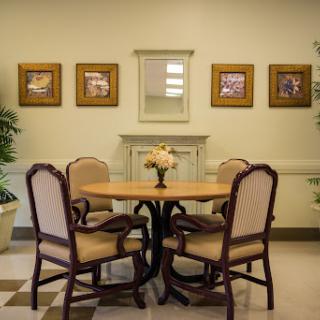
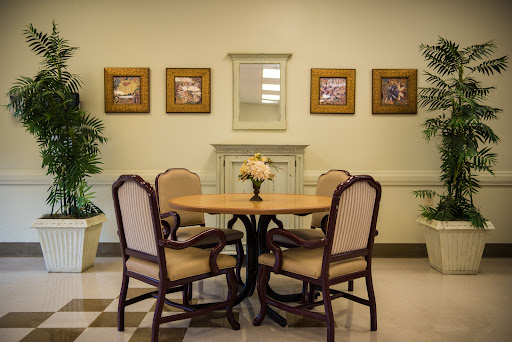
    A cozy dining area with a round table and four chairs, adorned with decorative artwork on the walls.
  • Landscaping

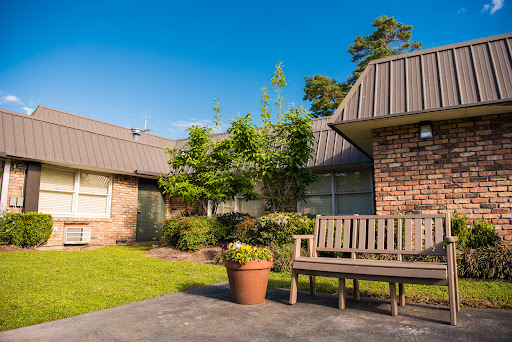
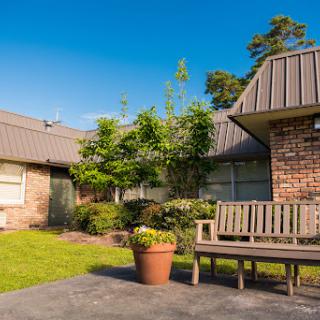
    A serene outdoor space featuring a wooden bench, lush greenery, and a potted plant under a clear blue sky.
  • Artwork

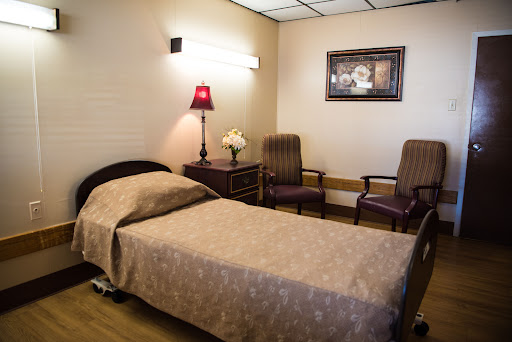
    A cozy hospital room featuring a bed, chairs, and decorative elements.
  • Seating Area

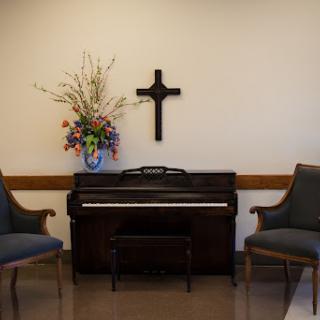
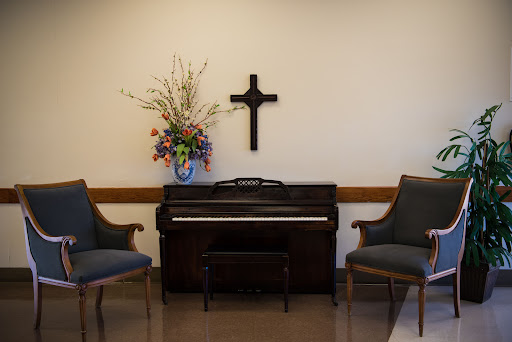
    A serene corner with a piano, floral arrangement, and a cross for reflection.
  • Lobby

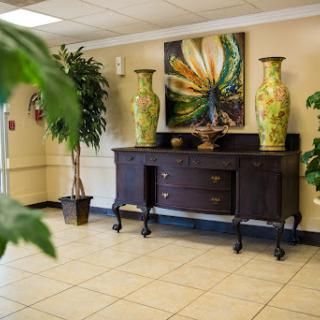
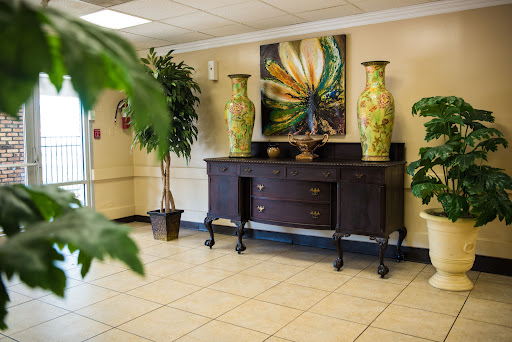
    A stylish lobby featuring a wooden console table, decorative vases, and vibrant artwork.
  • Wall Art

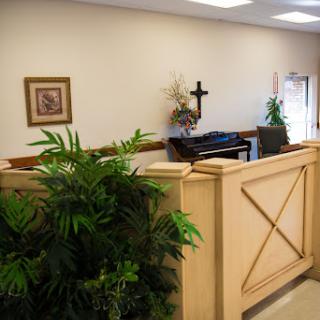
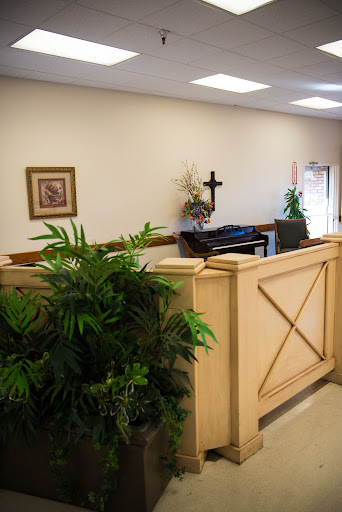
    A serene interior space featuring decorative plants, artwork, and a piano.
  • Painting

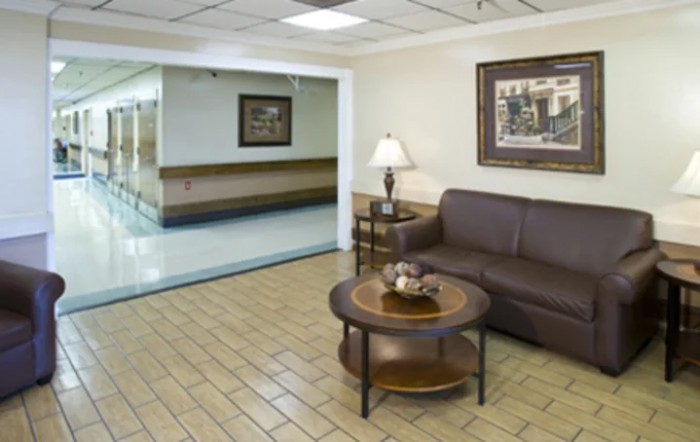
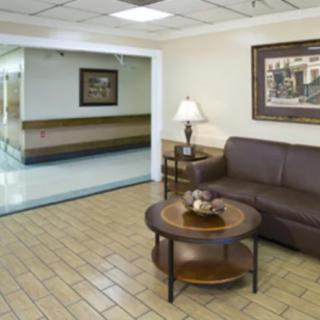
    A quiet waiting area with a brown sofa, coffee table, and decorative items.
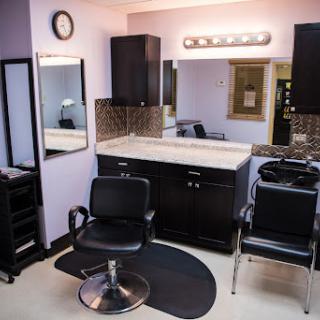
  • Salon

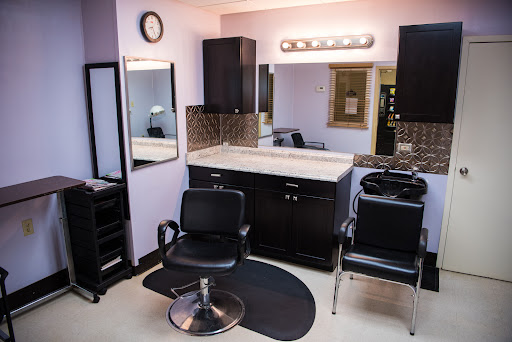
    A well-equipped hair salon featuring a stylish setup for haircuts and styling.

Jefferson Healthcare Center

2200 Jefferson Highway, Jefferson, LA 70121

For more information about senior living options: (844) 490-3973

1.8 from 32 reviews
5 stars
6
4 stars
0
3 stars
0
2 stars
3
1 stars
23

Skilled Nursing Facility

Overall Review of Jefferson Healthcare Center

Pros

  • pro Mindi the physical therapist is very friendly and caring with patients.
  • pro Mindi cares enough to know her patients by their names and to make them feel like someone really cares about them.
  • pro The care provided to the reviewer's father during his physical therapy treatment was exceptional.
  • pro The reviewer's father looks forward to treatment and is making great effort to recover from his stroke.

Cons

  • pro The facility is described as unsanitary and dirty, with roaches and urine on the floors.
  • pro The staff are portrayed as incompetent, uncaring, rude, and chronically unresponsive.
  • pro Patients' belongings are reported as stolen or lost.
  • pro Vital signs and basic care are allegedly neglected, leading to hospitalizations.
  • pro Patients are left in dirty diapers or unclean conditions for extended periods.
  • pro Communication is poor; family members are not informed about transfers or hospitalizations.
  • pro The administration is viewed as unprofessional and more interested in money than patient care; the facility should be shut down.
  • pro Reviewers warn others not to send loved ones; the facility is a danger to vulnerable elderly residents.
  • pro There are allegations of abuse, yelling, and demeaning treatment by staff.
  • pro The facility is accused of covering up problems and misrepresenting conditions online.

Review

A steady drumbeat of reviews paints a grim picture of the facility, with families and former patients sharing experiences that range from frustrating and unresponsive to outright alarming. The common thread is a perception that care is inconsistent at best and dangerously neglectful at worst. Several reviewers describe withdrawing their applications or choosing not to place loved ones there after repeatedly encountering unprofessional behavior, including rude receptionists, long hold times, and a sense that staff are more focused on appearances or paperwork than on real patient needs. One person even notes that they were kept on hold for almost twenty minutes during a call about their application, while others say the front desk staff laughed or failed to take concerns seriously. The overarching takeaway among these accounts is a warning that communication with the facility is unreliable and there is little accountability when patients or families raise concerns.

Beyond the communication issues, the care itself is called into question in numerous ways. Reviewers recount moments when patients waited extended periods for attention or assistance, and when staff could not locate residents or failed to respond promptly to basic needs. There are accounts of patients in wheelchairs waiting for a caregiver to return, of vitals not being reported despite repeated inquiries, and of rehab or routine care being delayed or deemed not part of someone's job. In one particularly alarming narrative, a family member alleges that their loved one's condition deteriorated because vitals were never provided, glucose spiked to dangerous levels, and a hospital visit was not communicated in a timely manner. Several commenters describe a pattern of overbooked or understaffed shifts, with staff unable to deliver timely help for meals, baths, or activities intended to support recovery and daily living.

Sanitation and basic respect for patients emerge as another major point of contention. Reviewers describe dirty conditions, missing personal belongings, and even explicit images of neglect. Specific allegations include staying in soiled diapers, being left in urine for long periods, and lack of proper grooming or hygiene. Some reviewers contend that the environment is not only dirty but also hostile, with staff allegedly yelling and demoralizing residents. There are also serious claims about theft of patient belongings and a sense that the facility is not sufficiently safeguarded against such losses. A few reviewers insist that what they saw or suspect happened behind closed doors reflects a broader culture of care that is anything but compassionate.

Rhetorically, a number of posts urge decisive action. Several reviewers accuse the facility of prioritizing revenue over patient welfare, calling for inspections, investigations, or even shutdowns. They reference state oversight bodies and health authorities by name, suggesting they have contacted or intend to contact agencies such as the health department, CMS, and other watchdogs to stop what they describe as ongoing abuse and neglect. The sentiment is that until meaningful accountability is introduced, families will be wary about placing anyone they love in the facility, and that the public deserves to know about the risks.

Among the complaints there are also personal tributes to a few bright spots in the workforce. One patient's family singles out a physical therapist, Mindi, who they say provided exceptional care and genuinely connected with her father. They describe him looking forward to therapy sessions, with Mindi remembering names and demonstrating warmth and professionalism that stood in sharp contrast to the negative experiences reported elsewhere. This small note of praise offers a reminder that not all staff are seen as indifferent, and that compassion can exist even within a facility scarred by broader concerns.

A recurring theme across these accounts is distrust of leadership and the safety net around patient care. Reviewers repeatedly point to overbooked schedules, understaffing, and a perception that administrative staff are more concerned with appearances or with maintaining a polished image than with addressing real patient needs on the floor. They note a divide between what is described in marketing or official communications and what is experienced in day-to-day care. Several comments imply that some positive reviews may come from staff or supporters attempting to bolster the facility's reputation, while the overwhelming majority of experiences described are negative and emotionally charged.

Finally, the stories are deeply personal, with several reviewers mentioning severe consequences for loved ones. One recounting notes that a family member died after what they describe as extended neglect, poor communication, and a lack of timely care. Others describe how trust was eroded to the point of costing families sleep, clarity, and peace of mind, making it hard to consider the facility acceptable for anyone they care about. Taken together, these accounts present a candid, unflinching portrait of a place that many in the community feel does not consistently provide the level of care, dignity, and safety that patients deserve.

Features

Housing

  • 222 resident community capacity 222 resident community capacity

Types of Care

  • Skilled Nursing Facility Skilled Nursing FacilitySkilled Nursing Facilities are crucial for seniors as they provide round-the-clock medical care, rehabilitation services, and assistance with daily activities. These facilities ensure that seniors receive the specialized care they need to maintain their health and well-being as they age.

Amenities

  • Air-conditioning Air-conditioningAir conditioning is important for seniors as they are more vulnerable to heat-related illnesses and may have underlying health conditions that make it difficult for them to regulate their body temperature. It helps to keep them comfortable, safe, and healthy in hot weather.
  • Beauty salon Beauty salonBeauty salons are important for seniors because they provide a space for them to feel pampered, socialize, and maintain their personal grooming and hygiene. Regular visits to a beauty salon can help boost seniors' self-esteem and overall well-being.
  • Cable or satellite TV Cable or satellite TVCable or satellite TV is important for seniors because it provides entertainment, news, and companionship, helping to combat loneliness and boredom. It also offers a wide range of programming options tailored to different interests and preferences.
  • Computer center Computer centerA computer center is essential for seniors as it provides access to technology, communication tools, and resources that can enhance their daily lives. It allows them to stay connected with loved ones, engage in online activities, and learn new skills, ultimately promoting socialization and mental stimulation.
  • Dining room Dining roomDining rooms are important for seniors as they provide a space for socialization, connection, and nutritious meals. They offer opportunities for residents to bond over shared meals, foster a sense of community, and promote healthy eating habits. Dining rooms also ensure that seniors have access to well-balanced meals tailored to their dietary needs and preferences.
  • Fitness room Fitness roomHaving a fitness room in a senior living community is essential for seniors to stay active, maintain their physical health, and improve their overall well-being. Regular exercise can help prevent falls, reduce the risk of chronic diseases, and promote mental sharpness. It also provides social opportunities for residents to connect with others and enjoy a sense of community.
  • Fully furnished Fully furnishedFully furnished senior living communities are important for seniors because they provide convenience, comfort, and a hassle-free moving experience. Seniors can easily settle into their new living space without the stress of having to buy and move furniture. This allows them to focus on enjoying their new home and community.
  • Gaming room Gaming roomGaming rooms are important for seniors as they provide a fun and engaging environment for socializing, cognitive stimulation, and physical activity. Games can improve memory, problem-solving skills, and overall mental well-being while fostering friendships and reducing feelings of isolation.
  • Garden GardenGardens are important for seniors as they provide a peaceful and therapeutic environment for relaxation, physical activity, and socialization. Being in nature has been shown to reduce stress, improve mood, and promote overall well-being. Gardens also offer opportunities for seniors to engage in gardening activities, which can improve mobility, flexibility, and cognitive function. Additionally, gardens create a sense of community and connection with others who share a passion for plants and outdoor spaces.
  • Housekeeping services Housekeeping servicesHousekeeping services are important for seniors because they help maintain a clean and safe living environment, promote independence, and reduce the risk of accidents or illnesses. Additionally, having assistance with household chores can alleviate physical strain and allow seniors to focus on other aspects of their well-being.
  • Kitchenette KitchenetteKitchenettes are important for seniors living in senior living communities because they provide the convenience and independence of being able to prepare simple meals and snacks in the comfort of their own living space. This can help promote a sense of autonomy and well-being for seniors, allowing them to maintain some level of control over their dietary choices and daily routines.
  • Move-in coordination Move-in coordinationMove-in coordination is important for seniors because it helps ease the transition into their new living environment. It ensures that all logistics, such as packing, organizing movers, and setting up utilities are taken care of, allowing seniors to focus on settling in and adjusting to their new home. Having a smooth move-in process can alleviate stress and anxiety, making the transition smoother and more enjoyable for seniors.
  • Outdoor space Outdoor spaceOutdoor spaces are important for seniors as they provide opportunities for physical activity, social interaction, exposure to natural light and fresh air, and a sense of connection to nature. Having access to outdoor spaces can improve overall well-being and quality of life for older adults living in senior communities.
  • Private bathrooms Private bathroomsPrivate bathrooms are important for seniors in senior living communities because they provide independence, dignity, and comfort. Having a private bathroom allows seniors to maintain their personal hygiene routines without the need for assistance, promoting a sense of autonomy and privacy. Additionally, private bathrooms help prevent the spread of infections and provide a safe and clean environment for seniors to navigate safely.
  • Restaurant-style dining Restaurant-style diningRestaurant-style dining is important for seniors because it allows them to enjoy delicious, nutritious meals in a social and upscale setting. This enhances their dining experience, promotes healthy eating habits, and fosters socialization with fellow residents, ultimately contributing to their overall well-being and quality of life.
  • Small library Small librarySmall libraries are important for seniors as they provide access to a variety of reading materials, including books, newspapers, and magazines. This can help stimulate their minds, keep them engaged, and provide a sense of community through book clubs and other social activities. Additionally, reading has been shown to improve cognitive function and overall mental well-being in older adults.
  • Telephone TelephoneTelephones are important for seniors as they provide a lifeline for communication with loved ones, emergency services, and healthcare providers. They offer a sense of security and independence, enabling seniors to stay connected and access assistance when needed.
  • Wellness center Wellness centerWellness centers are important for seniors because they offer a variety of programs and services that promote physical, mental, and emotional well-being. These centers provide opportunities for exercise, socialization, education, and relaxation, helping seniors maintain their overall health and quality of life.
  • Wi-Fi/high-speed internet available Wi-Fi/high-speed internet availableWi-Fi/high-speed internet is important for seniors to stay connected with loved ones, access online resources, and participate in virtual activities to combat feelings of loneliness and isolation. It also allows them to easily manage healthcare needs, access entertainment, and engage in lifelong learning opportunities.

Transportation

  • New Orleans International (7 miles away) New Orleans International (7 miles away)
  • Community operated transportation Community operated transportationCommunity operated transportation is crucial for seniors as it provides them with the means to access essential services, social activities, and medical appointments. It allows seniors to maintain their independence and quality of life by ensuring they can participate in activities outside of their homes. Additionally, community-operated transportation services offer a safe and reliable way for seniors to travel without having to rely on family or friends for assistance.
  • Transportation arrangement Transportation arrangementTransportation arrangements are crucial for seniors as they may face challenges with driving, mobility, or access to public transportation. Having reliable transportation services ensures that seniors can easily attend appointments, social activities, and maintain their independence and quality of life.
  • Transportation arrangement (non-medical) Transportation arrangement (non-medical)Transportation arrangements are essential for seniors as they provide access to essential services, activities, and social interactions outside the home. This service helps maintain independence, mobility, and overall well-being for seniors who may have limited transportation options.
  • Transportation to doctors appointments Transportation to doctors appointmentsTransportation to doctors appointments is crucial for seniors as it ensures they have access to necessary medical care and support, promoting their health and well-being. It allows them to receive timely treatment, monitor existing conditions, and address any new health concerns efficiently. Additionally, transportation services can help seniors maintain their independence and quality of life by enabling them to stay connected with their healthcare providers.

Care Services

  • 12-16 hour nursing 12-16 hour nursing12-16 hour nursing care is crucial for seniors in order to ensure around-the-clock monitoring, timely medication administration, and prompt response to any health concerns or emergencies. This level of care helps to promote the overall well-being and safety of seniors living in senior living communities.
  • 24-hour call system 24-hour call system24-hour call systems are important for seniors because they provide peace of mind and immediate assistance in case of emergencies. This technology ensures that help is always available, promoting safety and security for elderly individuals living alone or in assisted living facilities.
  • 24-hour supervision 24-hour supervision24-hour supervision is important for seniors to ensure their safety, well-being, and access to immediate assistance in case of emergencies or health issues. This constant support provides peace of mind for both seniors and their loved ones, allowing them to age in place with dignity and security.
  • Activities of daily living assistance Activities of daily living assistanceActivities of daily living assistance are important for seniors because they provide essential support with tasks such as eating, bathing, dressing, and mobility. This assistance helps seniors maintain their independence, dignity, and overall quality of life as they age.
  • Assistance with bathing Assistance with bathingAssistance with bathing is crucial for seniors as it helps maintain personal hygiene, prevents infections, and ensures their overall well-being and comfort. It also provides a sense of dignity and independence for seniors who may struggle with this task on their own.
  • Assistance with dressing Assistance with dressingAssistance with dressing is important for seniors because it helps maintain their independence, promotes personal hygiene, prevents accidents and injuries, and improves overall quality of life. This service ensures that seniors can continue to dress comfortably and confidently, despite any physical limitations they may have.
  • Assistance with transfers Assistance with transfersAssistance with transfers is crucial for seniors as it helps prevent falls and injuries, maintains their independence, and ensures they can safely navigate their living environment. It also provides peace of mind for both seniors and their loved ones.
  • Diabetes diet Diabetes dietA diabetes diet is crucial for seniors as it helps manage blood sugar levels, reduce risks of complications, and improve overall health and well-being. By following a balanced and nutritious diet tailored to their specific needs, seniors can better control their diabetes and enhance their quality of life.
  • Meal preparation and service Meal preparation and serviceMeal preparation and service are crucial for seniors as they may have limited mobility or energy to cook nutritious meals. Having access to healthy and convenient food options can ensure they are getting the proper nutrition needed to maintain their overall health and well-being.
  • Medication management Medication managementMedication management is crucial for seniors to ensure they are taking the right medications at the correct dosages and times. This helps prevent adverse drug interactions, reduces the risk of medication errors, and promotes overall health and well-being. Proactive management also allows for adjustments as needed based on changing health conditions or new prescriptions.
  • Mental wellness program Mental wellness programMental wellness programs are essential for seniors as they promote cognitive stimulation, emotional support, and social engagement. These programs help prevent isolation, depression, and cognitive decline, ultimately enhancing the overall quality of life for older adults.
  • Special dietary restrictions Special dietary restrictionsSpecial dietary restrictions are important for seniors because age-related changes in metabolism and health conditions can make it difficult for their bodies to process certain foods. By following a diet tailored to their specific needs, seniors can maintain their overall health and well-being, manage chronic conditions, and reduce the risk of complications such as malnutrition or food interactions with medications.

Dining

  • Diabetes diet Diabetes dietA diabetes diet is crucial for seniors as it helps manage blood sugar levels, reduce risks of complications, and improve overall health and well-being. By following a balanced and nutritious diet tailored to their specific needs, seniors can better control their diabetes and enhance their quality of life.
  • Special dietary restrictions Special dietary restrictionsSpecial dietary restrictions are important for seniors because age-related changes in metabolism and health conditions can make it difficult for their bodies to process certain foods. By following a diet tailored to their specific needs, seniors can maintain their overall health and well-being, manage chronic conditions, and reduce the risk of complications such as malnutrition or food interactions with medications.

Activities

  • Community-sponsored activities Community-sponsored activitiesCommunity-sponsored activities are important for seniors as they provide opportunities for social interaction, mental stimulation, and physical activity. These activities can help improve overall well-being, combat loneliness and isolation, and promote a sense of belonging and purpose among older adults.
  • Concierge services Concierge servicesConcierge services are essential for seniors as they provide assistance with daily tasks and errands, enhance their quality of life by offering convenience and personalized care, and promote a sense of safety and security.
  • Fitness programs Fitness programsFitness programs are crucial for seniors as they help improve strength, flexibility, balance, and overall well-being. Staying active can reduce the risk of chronic diseases, improve mental health, and enhance quality of life in older adults.
  • Planned day trips Planned day tripsPlanned day trips are important for seniors because they offer opportunities for socialization, mental stimulation, and physical activity. They provide a change of scenery and help seniors stay engaged and connected to their community, promoting overall well-being and quality of life.
  • Resident-run activities Resident-run activitiesResident-run activities are important for seniors as they encourage social interaction, creativity, and a sense of autonomy. These activities empower seniors to stay engaged and active in their community while fostering meaningful connections with their peers.
  • Scheduled daily activities Scheduled daily activitiesScheduled daily activities are important for seniors because they provide structure, socialization, mental stimulation, and physical activity. Engaging in regular activities can improve overall well-being and quality of life for seniors living in a community setting.

Description

The Jefferson Healthcare Center in Jefferson, LA is an assisted living community that offers a variety of amenities and care services to meet the needs of its residents. The center provides a comfortable and home-like environment with fully furnished accommodations and private bathrooms. Residents can enjoy the convenience of having a beauty salon on-site, as well as access to cable or satellite TV and Wi-Fi/high-speed internet.

Transportation is made easy with community operated transportation available for non-medical needs, as well as transportation arrangements for doctor’s appointments. The center also offers move-in coordination services to assist new residents with a smooth transition.

For dining, residents can enjoy restaurant-style meals in the center's dining room, complete with special dietary restrictions accommodated. The kitchenette in each accommodation allows for independent meal preparation if desired.

A range of activities and wellness programs are offered to keep residents engaged and active. Fitness programs are available in the fitness room, and scheduled daily activities provide opportunities for socialization and recreation. Resident-run activities allow individuals to have a say in planning events, while planned day trips offer new experiences outside of the community. Concierge services are also provided to assist residents with any additional needs or requests.

In terms of care services, the Jefferson Healthcare Center ensures 24-hour supervision and has a 24-hour call system in place for emergencies. Assistance with activities of daily living such as bathing, dressing, and transfers is provided by trained staff members. Medication management is also available to ensure that residents take their prescribed medications correctly. Additionally, a mental wellness program is offered to support emotional well-being.

The surrounding area offers numerous amenities within close proximity to the center. Cafes, parks, pharmacies, restaurants, theaters, and hospitals are all easily accessible for residents who may want to explore their surroundings or need additional services.

Overall, the Jefferson Healthcare Center provides an inclusive assisted living community where residents receive personalized care in a comfortable environment while enjoying various amenities and activities.

Nearby Places of Interest

Pharmacies

  • Ochsner Investigational Pharmacy (0.3 miles)
  • Walgreens (1.3 miles)
  • Castellon Pharmacy (1.5 miles)
  • Walgreens (1.6 miles)
  • CVS Pharmacy (1.8 miles)
  • Walgreens (1.8 miles)
  • Walgreens (2 miles)

Hospitals

  • The Gayle and Tom Benson Cancer Center (0.4 miles)
  • Ochsner Medical Center, International Department, Magnetic Resonance Imaging (0.7 miles)
  • Tulane - Lakeside Hospital (3.2 miles)
  • Children's Hospital (3.4 miles)
  • SE Louisiana Veterans Hospital (3.8 miles)
  • Touro Infirmary (4.3 miles)

Cafes

  • Grounded Coffee Cafe (0.5 miles)
  • Starbucks (3.6 miles)
  • Cafe Du Monde City Park (3.7 miles)
  • Cafe Du Monde (3.7 miles)
  • Starbucks (4.2 miles)
  • Corner Cafe (4.3 miles)

Restaurants

  • Bakers Dozen Cafe (0.5 miles)
  • Rivershack Tavern (0.7 miles)
  • Waffle House (1.1 miles)
  • Uptown Grill (1.6 miles)
  • Cooter Brown's Tavern & Oyster Bar (1.7 miles)
  • Taco Bell (2 miles)
  • Chick-Fil-A (2 miles)

Physicians

  • The Face & Body Clinic (1.1 miles)
  • Southern Orthopaedic Specialists (1.8 miles)
  • Napoleon Pediatrics (2.3 miles)
  • Bayou Ophthalmic Instruments (2.5 miles)
  • Lakeside Children's Clinic (3 miles)
  • East Jefferson Family Practice (3.1 miles)
  • Advanced Plastic Surgery (3.3 miles)

Theaters

  • AMC Elmwood Palace 2 (2.5 miles)
  • AMC Clearview Palace 12 (3.4 miles)

Parks

  • Pig Newton Park (2.7 miles)
  • The Fly (3 miles)
  • New Orleans City Park (3.7 miles)

Frequently Asked Questions

Where is Jefferson Healthcare Center?
What photos are available for Jefferson Healthcare Center in Jefferson, Louisiana?

Nearby Communities

Skilled Nursing Facility in Nearby Cities

Related Resources

  • private pay home careA Closer Look at Private Pay Home Care

    Private pay home care offers a flexible caregiving option for older adults and families who don't qualify for government programs, allowing them to directly fund in-home care services that range from daily assistance to specialized support. This model's customization potential enables aging in place while addressing financial considerations through strategic planning options, though clients must navigate marketplace challenges and ensure quality compliance.

  • what to do for arthritisComprehensive Approaches for Arthritis: A Detailed Guide to Symptoms, Causes, and Care

    Arthritis encompasses over 100 joint disorders affecting people of all ages, leading to symptoms like pain and stiffness that impair mobility and quality of life. Effective management involves early diagnosis, lifestyle changes, medical treatments, emotional support, and ongoing monitoring with healthcare professionals.

  • elderly fall preventionComprehensive Insights and Practical Strategies to Help Older Adults Avoid Falls
    The article highlights the high risk of falls among older adults due to factors like muscle weakness, vision issues, and environmental hazards, with one in four experiencing a fall annually. It advocates for a comprehensive prevention approach that includes exercise, home safety modifications, medication management, social support, and caregiver involvement.