For more information about senior living options: (866) 208-4318
4 from 100 reviews
5 stars
68
4 stars
6
3 stars
3
2 stars
6
1 stars
17
Overall Review of Cedar Ridge Health & Rehab Ctr
common28 reviews mention this
Staff friendliness and responsiveness
Residents and visitors consistently describe staff as friendly, attentive, and helpful.
A large share of reviews praise the day-to-day people at Cedar Ridge, describing employees who are professional, kind, and quick to assist. Several reviewers specifically mention call-light response and staff helping residents get repositioned, cleaned up, or supported in daily routines. Families also describe feeling reassured about their loved one’s care, including examples of gentle interactions and supportive help during difficult transitions. A few reviews also note communication gaps or delays, but overall the staffing experience is a clear recurring theme.
common4 reviews mention this
Therapy is a bright spot
Physical and occupational therapy is mentioned as the strongest part of rehab here.
Multiple reviews point to rehab therapy as an area that helped residents make progress or receive better clinical attention than they expected. One reviewer calls out Cedar Ridge as the place to go for therapy, and others describe therapy helping with goals like returning home. A couple of accounts also frame therapy as a saving grace even when other aspects of the stay were frustrating. This makes therapy the most consistently singled-out positive within the care experience.
caveat6 reviews mention this
Food and dining quality varies
Dining reviews are mixed, ranging from holiday-style efforts to reports of cold or limited choices.
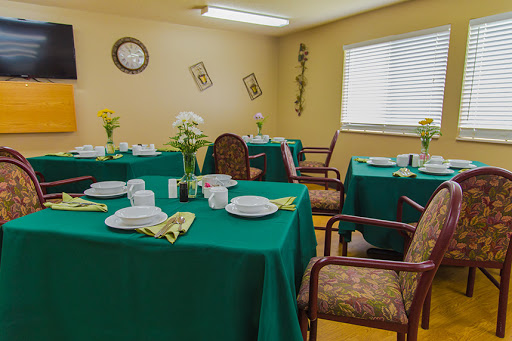
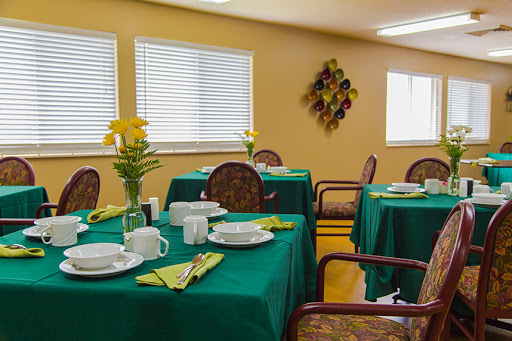
Some residents and families describe good dining moments, including special-event experiences like Thanksgiving and appreciation for how food is handled. At the same time, other reviews report problems such as food arriving cold, flies around food, and limited or inconsistent meal options. There are also comments about dining-room use and whether residents have choices, which suggests the experience may depend on the situation. The community does offer restaurant-style dining and supports special dietary restrictions, but reviews still reflect mixed satisfaction.
caveat8 reviews mention this
Care-call delays and short staffing
Some reviews describe slow help when residents need assistance.
A recurring negative point is delayed response—especially with call bells or getting help for basic needs. Several reviewers describe waiting for attention to get cleaned up, repositioned, or transferred, and one account mentions frequent lateness for transport-related appointments. Reviews also include broader complaints about short staffing and under-resourcing, with some families saying they felt their loved one was not being attended to promptly. Even with positive accounts of caring staff, these response-time concerns show up often enough to stand out.
caveat7 reviews mention this
Room comfort and privacy concerns
Several reviewers raise concerns about room layout, comfort, and privacy.
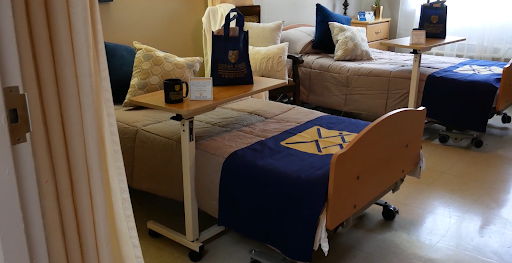
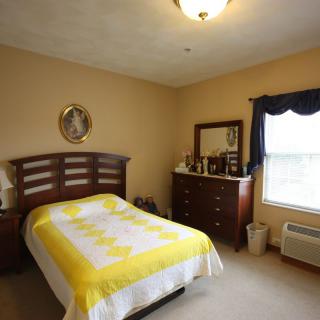
Some reviews criticize the physical setup of rooms, including reports of tiny spaces that do not work well with wheelchairs and lack of accessible room flow. There are also complaints about limited privacy, with one reviewer mentioning no private rooms and shared bathrooms. Climate and hygiene issues come up too, including a report of no AC in rooms and concerns about showers and cleanliness timing. These comfort and facility-condition themes are a prominent part of the negative feedback.
How we summarize
Counts show how many written reviews mention each theme; a review can touch several themes, and only frequently mentioned themes are displayed.
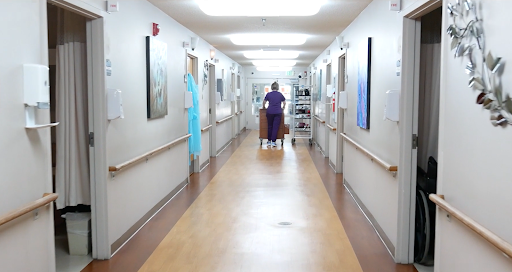
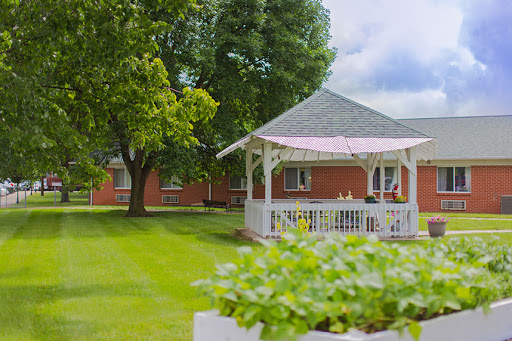
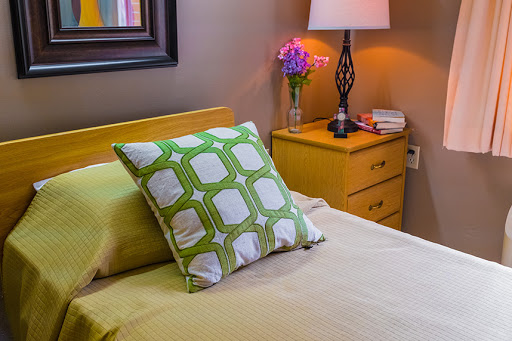
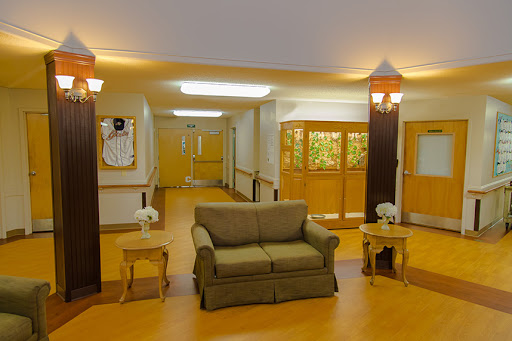
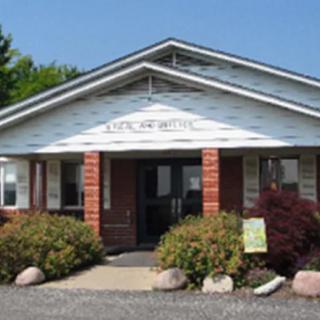
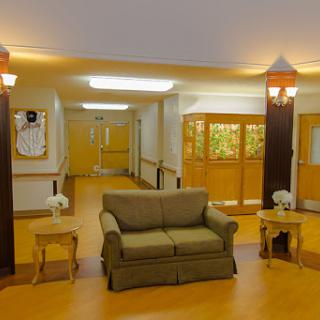
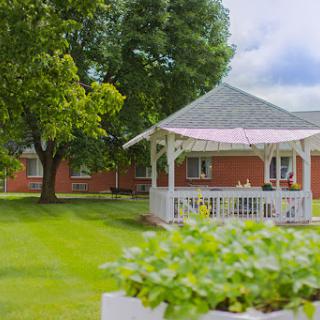
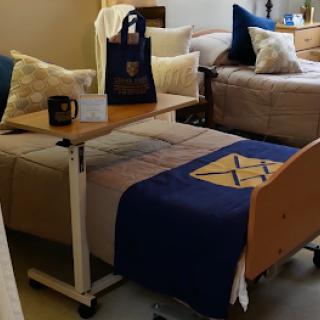
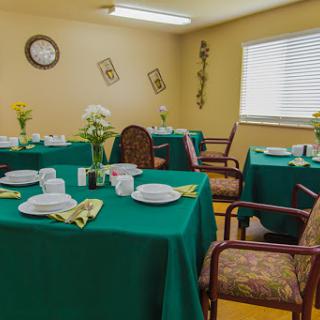
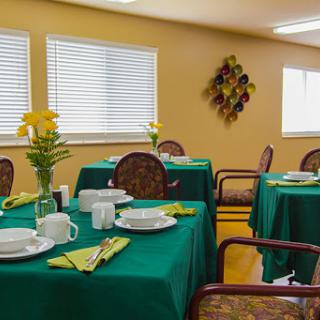
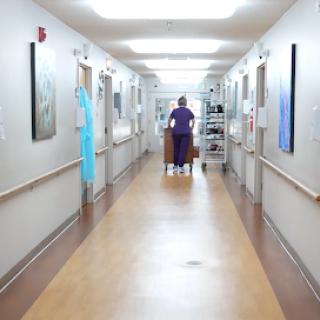
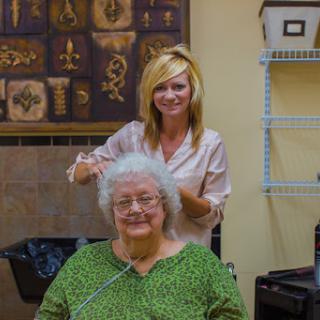
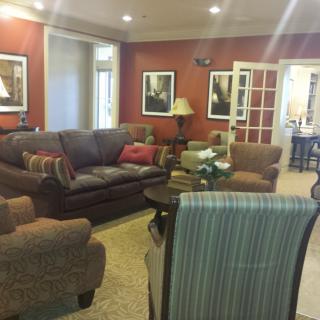
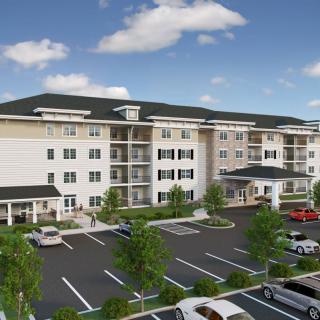
Cedar Ridge Health & Rehab Ctr on seniors.fyi includes 11 photos including images showing landscaping, interior, decor, dining, hallway, healthcare, building, nurse, and more.
Nearby Communities
Cedar Ridge Healthcare Center
Lebanon, IL
4 from 143 reviews
Caring, compassionate staff in a clean, engaging environment.
Cedars of Lebanon
Lebanon, IL
3.3 from 23 reviews
Ongoing maintenance progress (repainting and new cabinets) and pest control efforts.
Lebanon Terrace
Lebanon, IL
3.3 from 7 reviews
Convenient access to parks, pharmacies, doctors, dining, transportation, and places of worship in a peaceful setting.
Palliative care enhances the quality of life for seriously ill patients by providing comprehensive support at home through a multidisciplinary team, addressing various needs and prioritizing comfort over curative treatments. While it offers personalized care and involves family in decision-making, challenges like caregiver stress and logistical issues persist, with growing demand prompting advancements in technology and healthcare policies to improve access.
Palliative home care focuses on improving the quality of life for individuals with serious illnesses by providing comfort, symptom management, and emotional support in their own homes. This approach includes personalized care plans, regular assessments, and resources for family caregivers, all while prioritizing person-centered treatment that aligns with patients' goals.
Skilled nursing facilities (SNFs) provide high-level medical care and rehabilitation for short-term recovery, typically covered by Medicare after hospitalization, while nursing homes focus on ongoing custodial care for chronic conditions, mainly funded by Medicaid or private payments. The staffing and regulatory structures differ significantly between the two, necessitating clarity for families in choosing appropriate long-term care options.
Architecture, Trees, Garden, Outdoor, Grass, and Gazebo
Lighting and Lobby
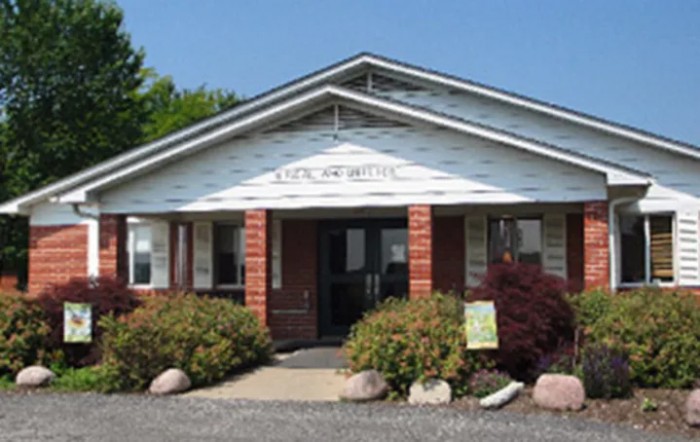
Entrance and Outdoors
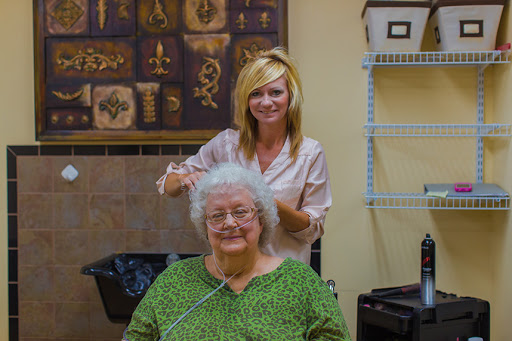
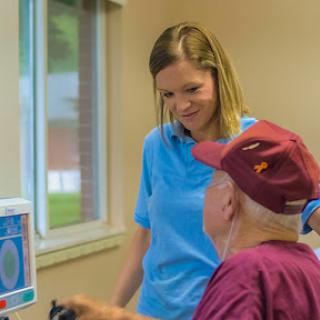
Salon and Caregiver
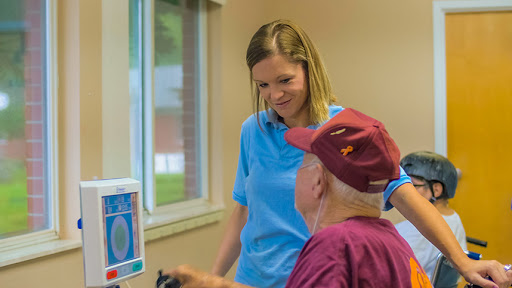
Healthcare and Nurse
Hallway
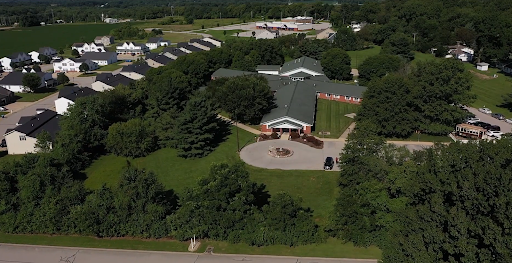
Aerial View, Park, and Outdoor Space
Interior Decor
Assistance
Get PricingAsk A QuestionSchedule A TourContact Senior Advisor
By clicking submit, you agree to our Partner's Terms of Use. You
also consent to receive calls and texts, which may be autodialed, from our Partner. Your consent is not a condition to
using our Partner's service. Please visit our Partner's Privacy Policy for information about their privacy practices.


 116 resident community capacity
 Skilled Nursing Facility
 Air-conditioning
 Beauty salon
 Cable or satellite TV
 Computer center
 Dining room
 Fitness room
 Fully furnished
 Gaming room
 Garden
 Housekeeping services
 Kitchenette
 Move-in coordination
 Outdoor space
 Private bathrooms
 Restaurant-style dining
 Small library
 Telephone
 Wellness center
 Wi-Fi/high-speed internet available
 Community operated transportation
 12-16 hour nursing
 24-hour call system
 Activities of daily living assistance
 Assistance with bathing
 Assistance with dressing
 Assistance with transfers
 Diabetes diet
 Medication management
 Mental wellness program
 Special dietary restrictions
 Concierge services
 Planned day trips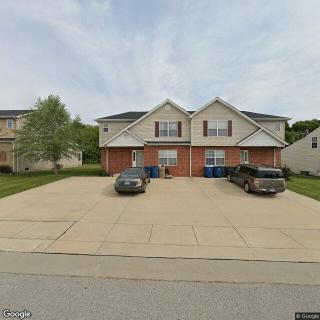
 Caring, compassionate staff in a clean, engaging environment.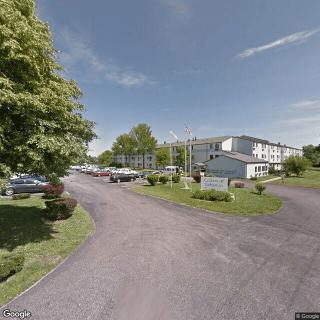



 Exploring Palliative Care in the Home: A Comprehensive Overview
 Comprehensive Insights into Palliative Home Care: What It Is and What to Expect
 Skilled Nursing Facilities vs. Nursing Homes: Making Sense of the Differences