
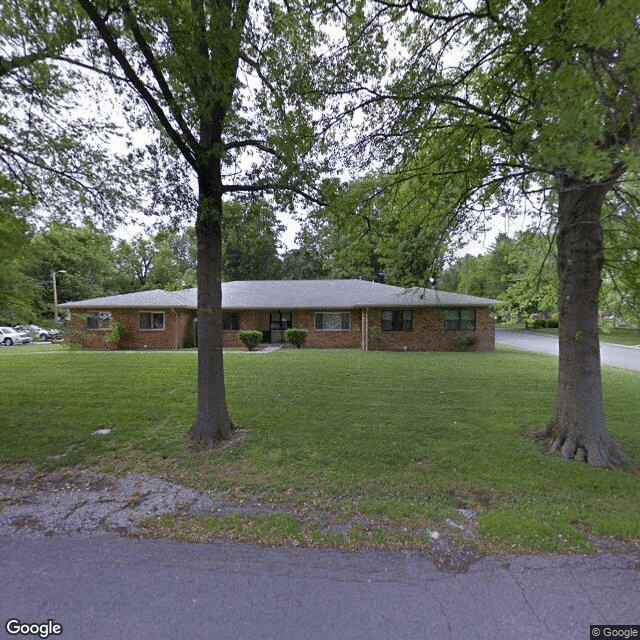
221 E 3rd St, Lebanon, IL 62254
To contact a resident: (618) 537-4133
For more information about senior living options: (866) 208-4318
Overall Review of Lebanon Terrace
Pros
 The reviewer loves it and finds it really amazing.
Cons
 The facility neglected and abused the reviewer’s brother.
- The reviewer states the facility does not deserve to operate and does not care for the mentally disabled.
- The entire place should be shut down.
- It is described as the worst place ever.
- The reviewer’s son with severe autism and mental retardation was neglected and psychologically abused.
- The son suffered a lot of trauma because of the facility.
- IDPH cited the facility for psychological abuse, noncompliance with medications, and having no nurse on staff.
- The facility had over 40 elopements in a month with no safety plan beyond calling the police.
- The reviewer warns others not to send their loved ones there, claiming they won’t be cared for.
Review
Lebanon Terrace is best suited for families seeking an affordable, straightforward assisted-living option for adults who do not require intensive medical oversight and can function with only a modest level of supervision. The community may appeal to residents who prefer a quieter, low-stress setting and can tolerate variability in staffing. Those with relatively minor medical or behavioral needs and a readiness to monitor care closely may find it workable. However, families should explicitly consider alternatives if a loved one has significant developmental disabilities, a high elopement risk, or requires consistent nurse-led medication management.
Feedback across seven reviews is decisively mixed and leans negative. One terse positive comment contrasts with multiple allegations of neglect and harm. Several reviewers describe psychological abuse or neglect of residents with developmental challenges, plus non-administration of prescribed meds and the absence of a nurse on site. An IDPH survey is cited that reportedly found psychological abuse and safety gaps, including frequent elopement attempts with insufficient protective planning. Taken together, these claims create a pattern of risk that cannot be dismissed and should alarm families evaluating this community.
Given that baseline, the potential advantages, if any, are overshadowed by safety concerns. The absence of on-site nursing, concerns about medication management, and limited behavioral support for residents with autism or cognitive impairment undermine daily stability and long-term wellbeing. Even the most favorable anecdotes fail to mitigate the fact that a resident’s safety could hinge on inconsistent staff availability or delayed responses. In short, the strong negatives undermine trust and call into question Lebanon Terrace’s suitability for anyone needing reliable, proactive care.
Families weighing options should demand concrete, verifiable care standards before choosing. Look for 24/7 licensed nursing coverage; formal, documented medication administration protocols; individualized care plans especially for developmental or cognitive conditions; robust safety measures to prevent elopement; evidence of annual state inspections and timely corrective actions; stable, trained staff with low turnover; and transparent communication pathways with families. If these elements are missing or unclear, alternatives with demonstrably stronger safeguards deserve priority, even if they come at a higher price.
When evaluating Lebanon Terrace in practice, a disciplined due-diligence approach is essential. Schedule multiple visits at different times, request meetings with the administrator and director of nursing, and obtain recent inspection reports and any corrective action plans. Probe how medications are managed and who administers them, and ask for examples of how elopement risks or behavioral incidents are handled. Talk with current residents or families about responsiveness and day-to-day interactions. Compare findings against nearby facilities that publish staffing data and have credible success with residents who require behavioral or medical support.
Ultimately, Lebanon Terrace should be considered only for a low-risk, low-medication-needs profile when other options with stronger safety and nursing oversight are unavailable. If any doubt remains about staff accountability, medical supervision, or safety planning, especially for residents with autism or developmental challenges, families should pursue alternatives with proven, inspectable quality indicators. A practical, experienced lens makes clear that safety and reliability must drive the choice, even when cost or location makes Lebanon Terrace tempting.




 6 Crucial Ways an Elder Law Attorney Assists Families
 Navigating the Tax Landscape of Caregiving: Credits, Deductions, and Beyond
 Highly Beneficial Low-Impact Exercises for Senior Living Residents