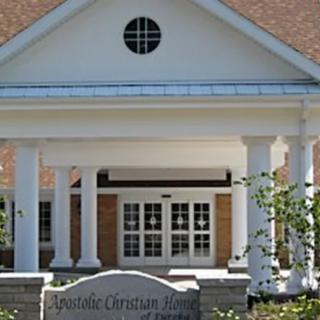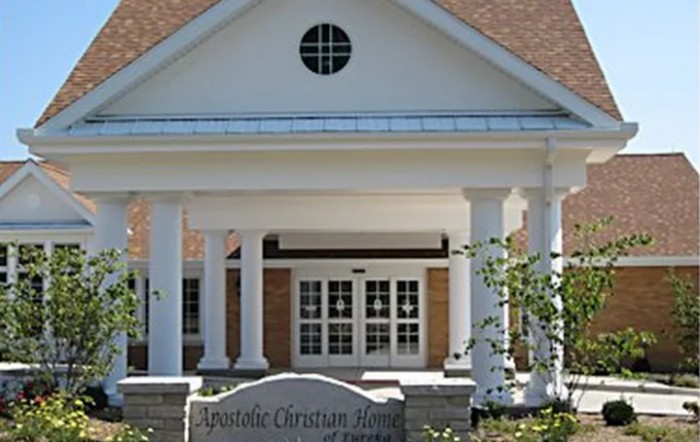
610 Cruger, Eureka, IL 61530
For more information about senior living options: (866) 208-4318

Overall Review of Apostolic Christian Home Of Eureka
Pros
 The facility is excellent.
- The care given to residents is very good.
- The staff are kind and friendly.
- The facility is very clean.
- The food is great, and there are many activities for residents.
- The facility provides a kind, caring, Christian environment for residents needing extra care.
- The staff are amazing, and their love for residents shows through their care.
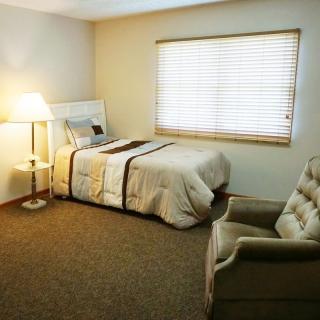
- The facility is kept clean and spacious, with well-equipped living areas.
- The staff are attentive to residents' needs, personal in interaction, and professional in communication.
- The facility offers many activities, including outdoor events, gardening, wheelchair fishing, volunteer work, and animal therapy.
- The chapel encourages church, and there are always helping hands willing to care for residents.
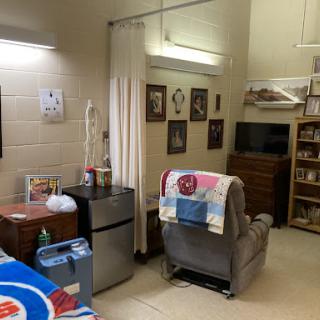
- It feels like residents have their own apartment with staff readily available.
Cons
 The great grandmother was clearly neglected and did not receive regular cleaning or bathing.
- The reviewer would not recommend this facility to anyone.
Review
Apostolic Christian Home Of Eureka is best suited for families seeking a warm, faith-centered environment where seniors experience genuine, ongoing care that feels like a compassionate extension of home. The community consistently earns praise for attentive staff, a clean and comfortable living space, and a rhythm of daily life that includes regular meals, social activities, and spiritual nourishment. For residents who value a strong sense of community, accessible outdoor spaces, and opportunities to engage in meaningful activities, from garden work to animal-assisted therapy and volunteer opportunities, this facility delivers with notable consistency. It reads as a true second home for many residents, where care is linked to personal connections and a recognizable, reassuring routine.
Those who should consider alternatives are families pursuing secular surroundings, ultra-modern amenities, or strictly clinical care with highly specialized medical oversight that goes beyond what a faith-based, mid-sized home can routinely provide. If a resident’s needs demand intensive, around-the-clock medical management, highly specialized memory-care protocols, or a setting without a religious framework, broader options may be warranted. Families prioritizing a highly contemporary facility design or a different cultural environment may also find other communities more aligned with their preferences. In short, the Apostolic Christian Home excels as a nurturing, community-first choice, while the alternatives are worth exploring when medical intensity or non-religious programming dominate the decision criteria.
The strongest strengths lie in the human side of care, the staff’s kindness, the way care feels personal, and the sense that residents are treated with warmth and respect. Multiple generations of families attest to long-standing, hands-on attention, paired with consistently clean facilities and well-prepared meals. The environment is not clinical in tone; it’s homey, with communal spaces that invite interaction and casual visits. The presence of a chapel, regular activities, and family-friendly touches, like welcoming dining areas and accessible outdoor spaces, bolster the perception that residents are seen as people first, not just patients. This combination often translates into better mood, engagement, and a smoother care experience for residents who want to remain socially connected.
Those advantages, however, do hinge on a steady, well-supported operation. One older, isolated negative account of neglect cannot be ignored, and it serves as a critical reminder to prospective families: verify staffing levels, quality assurance practices, and consistent care routines during a tour and ongoing visits. Yet the prevailing thread in the reviewed experiences is one of consistent attentiveness, minimal “nursing home” odor, and a genuine culture of care that is difficult to replicate in larger, more impersonal settings. The facility’s multi-room layout, distinct levels of care, and the ability to relocate residents within the campus if needs change are meaningful buffers that help offset concerns by preserving continuity of care and familiar routines. In practice, this means the pros, personal attention, clean surroundings, engaged activities, and spiritual support, tend to outweigh the cons when families conduct thoughtful due diligence.
Practical decision-making steps emerge clearly from the lived experiences. Schedule a thorough together-with-resident tour to observe how staff interact, ask to see a sample meal service, and request a firsthand look at the activity calendar and chapel programming. Inquire about staffing ratios on different shifts, how care plans are created and updated, and how the facility handles transitions between levels of care. Explore the resident apartments or living spaces to assess privacy, kitchenette or dining options, and ease of movement, elements that matter for independence within a care setting. Finally, talk to several families about their long-term satisfaction and the process for transitioning a resident back to more independent living if possible; these conversations will reveal how well the community can sustain a “home” feel across evolving needs.
Overall, Apostolic Christian Home Of Eureka stands out as a practical, compassionate choice for families prioritizing a nurturing, Christian-laced living environment with solid staffing, robust programming, and evidence of longevity in care. It is especially compelling for seniors who want a steady routine, meaningful engagement, and a sense of belonging in a community that treats care as a calling, not just a job. While it may not be the fit for every situation, particularly those requiring secular, ultra-clinical, or highly specialized medical care, the combination of care quality, atmosphere, and continuity makes it a strong contender for the target population: older adults who value dignity, community, and a second home where faith and family feel woven into everyday life.
 100 resident community capacity
 Skilled Nursing Facility
 Air-conditioning
 Beauty salon
 Cable or satellite TV
 Computer center
 Dining room
 Fitness room
 Fully furnished
 Gaming room
 Garden
 Housekeeping services
 Kitchenette
 Move-in coordination
 Outdoor space
 Private bathrooms
 Restaurant-style dining
 Small library
 Telephone
 Wellness center
 Wi-Fi/high-speed internet available
 Greater Peoria Regional (22 miles away)
 Community operated transportation
 12-16 hour nursing
 24-hour call system
 Activities of daily living assistance
 Assistance with bathing
 Assistance with dressing
 Assistance with transfers
 Diabetes diet
 Medication management
 Mental wellness program
 Special dietary restrictions
 Concierge services
 Planned day trips


 Top Canine Companions for Older Adults
 Comprehensive Guide to Blood Pressure Charts for Older Adults: Understanding Normal and High Readings by Age
 Financing Long-Term Nursing Home Care Through Social Security: A Thorough Exploration