At Snyder Village, a Continuing Care Retirement Community (CCRC), the monthly costs for housing reflect a competitive value when compared to both Woodford County and the broader state of Illinois. For instance, residents can enjoy the comfort of a one-bedroom unit at just $549 per month, significantly lower than the county's average of $3,087 and the state's average of $3,527. In contrast, those opting for a studio will find their monthly rate set at $3,275, which remains favorable compared to Woodford County's average of $3,671 and Illinois's average of $4,028. These pricing structures not only highlight Snyder Village as an economically attractive option but also underscore its commitment to providing quality care and services in a welcoming environment.
Floor plans
Snyder Village a CCRC
Woodford County
Illinois
1 Bedroom
$549
$3,087
$3,527
Studio
$3,275
$3,671
$4,028
Overall Review of Snyder Village a CCRC
caveat2 reviews mention this
Memory care support feels limited
Residents describe dementia support that may not match their needs.
A reviewer who was looking for short-term rehab after a fall and hip surgery says the facility denied care after learning about dementia, without a personal evaluation. Another reviewer mentions a locked memory care unit but says programming and care planning were not equipped for the range of dementia-related challenges they expected, and they felt behavioral management and coordination with medical providers were lacking.
caveat3 reviews mention this
Care and staffing can be inconsistent
Some residents describe delays and coverage gaps in day-to-day support.
While many reviews praise caregiving, a few describe problems with everyday execution of care. One family member reports call buttons not being answered, a fall after attempting to get to the bathroom alone, and delayed follow-through after complications. Another review says there were too few CNAs and that departures left patients impacted, and a separate review characterizes the facility as understaffed, limiting optimal care.
common4 reviews mention this
Dining at the Bistro earns praise
Dining quality is a frequent bright spot in reviews.
Several residents and families speak positively about meals and the Bistro experience. One reviewer says they had lunch there and describes the food as wonderful, while another notes home-cooked style meals with options to eat at the Bistro or have meals delivered. A review that rated meals as a lower priority still points to eating at the Bistro and wanting to try more before deciding, and another reviewer states that their mom’s food is excellent.
common4 reviews mention this
Cleanliness and upgrades stand out
Reviews repeatedly mention a clean facility and welcoming condition.
Multiple reviewers comment on cleanliness and an overall well-kept look. One person rated their unit as ready to move in and highlights fresh painting, and another calls the facility very clean and professional. Others describe a beautiful place with cleanliness and new upgrades, including a note that it feels comfortable and cared for.
common8 reviews mention this
Staff care and responsiveness is praised
Many reviewers describe staff as kind, helpful, and attentive.
Across reviews, families and residents credit staff members for making transitions easier and providing supportive, resident-focused care. Several mention friendliness and helpfulness during moves, everyday needs, or difficult life changes, and others describe staff taking time, working with families, and ensuring safety. There are also acknowledgments of staff going beyond routines—such as helping someone stay connected during an emergency and creating daily engagement for residents.
How we summarize
Counts show how many written reviews mention each theme; a review can touch several themes, and only frequently mentioned themes are displayed.
Features
Housing
65 resident community capacity
Types of Care
Assisted Living
Continuing Care Retirement Community (CCRC)
Independent Living
Memory Care
Skilled Nursing Facility
Pets
Cats allowed
Dogs allowed
Amenities
Activities off-site
Activities on-site
Air-conditioning
Bath tubs
Beautician on-site
Beauty salon
Cable or satellite TV
Computer center
Devotional services off-site
Devotional services on-site
Fitness room
Full kitchen
Fully furnished
Gaming room
Garden
Ground floor units
Handicap accessible
Housekeeping services
Indoor common areas
Kitchenette
Move-in coordination
Outdoor common areas
Outdoor space
Private bathrooms
Respite or short term stays offered
Restaurant-style dining
Small library
Telephone
Wellness center
Wheelchair accessible showers
Wi-Fi/high-speed internet available
Transportation
Greater Peoria Regional (20 miles away)
Community operated transportation
Transportation arrangement
Transportation arrangement (non-medical)
Care Services
24-hour call system
24-hour supervision
Activities of daily living assistance
Ambulatory care
Assistance with bathing
Assistance with dressing
Assistance with transfers
Diabetes diet
Incontinence care
Meal preparation and service
Medication management
Special dietary restrictions
Dining
Anytime dining
Diabetes diet
Guest meals
Meals provided
Special dietary restrictions
Activities
Art classes
Bible study group
Catholic services
Community-sponsored activities
Concierge services
Cooking classes
Day trips and outings
Devotional activities offsite
Devotional activities on-site
Educational speakers / life long learning
Fitness programs
Live musical performances
Live well programs
Planned day trips
Protestant services
Resident-run activities
Scheduled daily activities
Nearby Places of Interest
This area of Metamora, Illinois offers convenient access to essential services such as pharmacies, physicians, and hospitals within a short driving distance. There are multiple dining options available ranging from fast food chains to local eateries. Places of worship are also nearby for spiritual fulfillment. The presence of parks provides opportunities for outdoor recreation and relaxation. Overall, this part of Metamora provides a well-rounded environment with necessary amenities and services that would be beneficial for seniors looking for a comfortable and convenient living arrangement.
Pharmacies
Metamora Pharmacy (0.7 miles)
CVS Pharmacy (0.7 miles)
CVS Pharmacy (6.2 miles)
Metamora Pharmacy (6.8 miles)
Walgreens (7.2 miles)
CVS Pharmacy (7.2 miles)
CVS Pharmacy (10.8 miles)
Physicians
IPMR Institute of Physical Medicine and Rehabilitation (1.1 miles)
Metamora Methodist Medical Group (1.3 miles)
Dr Lindstrom (1.3 miles)
Joel Nilles MD - Advocate Medical Group (6.4 miles)
At Snyder Village, a Continuing Care Retirement Community (CCRC), the monthly costs for housing reflect a competitive value when compared to both Woodford County and the broader state of Illinois. For instance, residents can enjoy the comfort of a one-bedroom unit at just $549 per month, significantly lower than the county's average of $3,087 and the state's average of $3,527. In contrast, those opting for a studio will find their monthly rate set at $3,275, which remains favorable compared to Woodford County's average of $3,671 and Illinois's average of $4,028. These pricing structures not only highlight Snyder Village as an economically attractive option but also underscore its commitment to providing quality care and services in a welcoming environment.
The 24-hour supervision at Snyder Village ensures that residents receive constant monitoring and immediate assistance, creating a safe environment where individuals with dementia or Alzheimer's can thrive. Activities of daily living assistance, including bathing, dressing, and transfers, are tailored to meet each resident's needs, promoting dignity and independence while alleviating the anxiety often associated with these tasks. Incontinence care is handled with compassion and respect, allowing residents to maintain their comfort and self-esteem. Meal preparation and service cater to nutritional needs while fostering social interaction during mealtimes, an essential aspect of cognitive care. Additionally, medication management provides peace of mind by ensuring that residents receive their medications at the right times without confusion, further supporting their overall health and well-being. Together, these features create a nurturing environment that enhances the quality of life for those experiencing memory challenges.
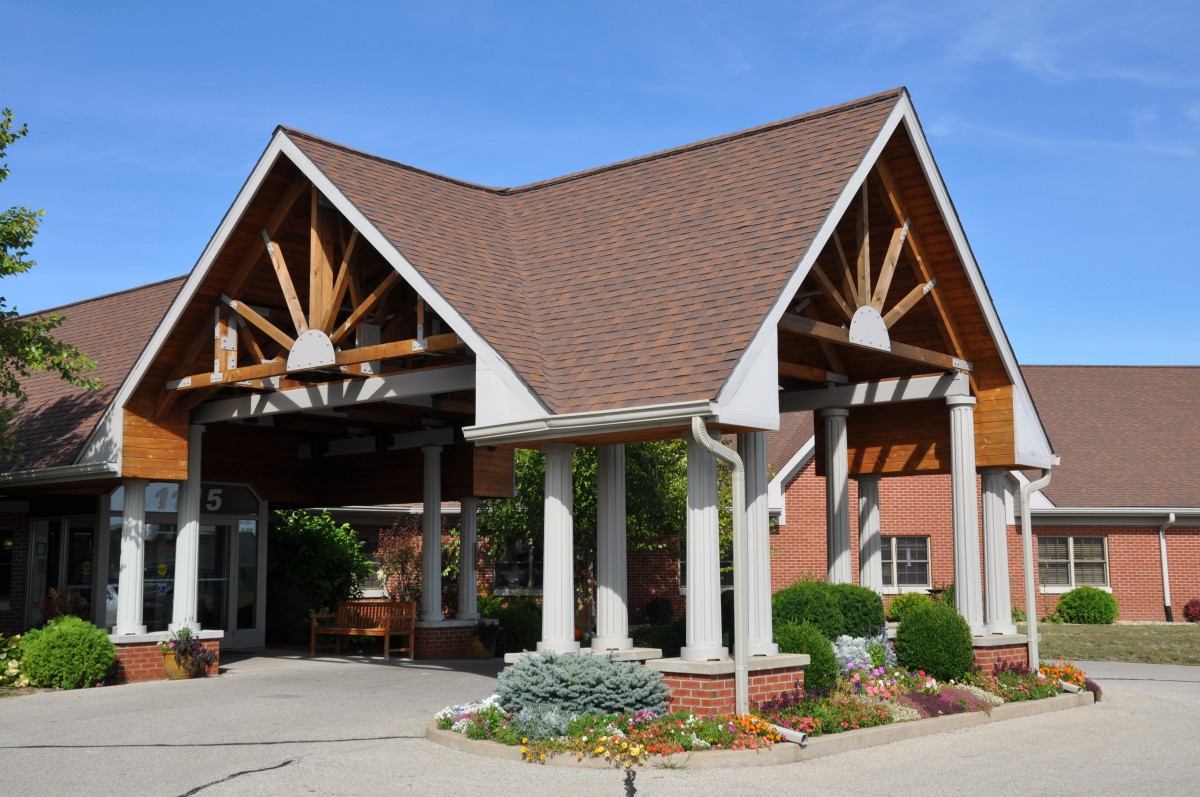
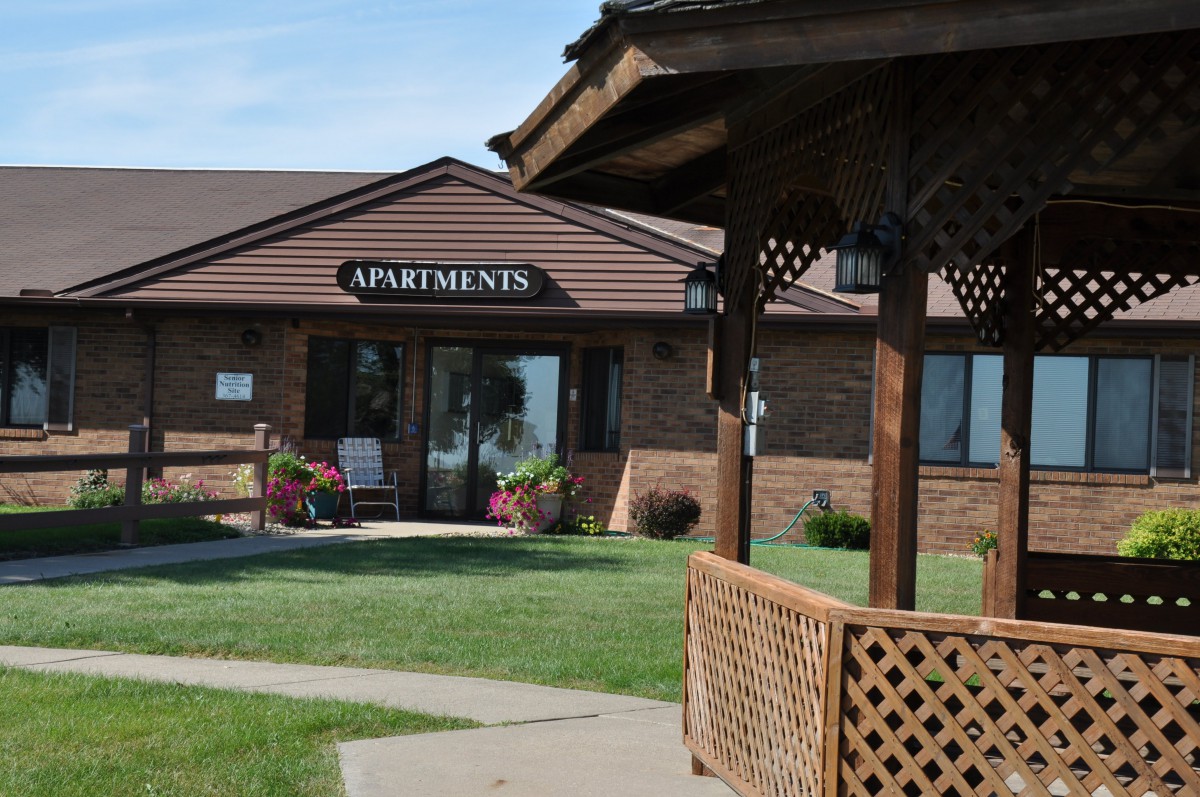
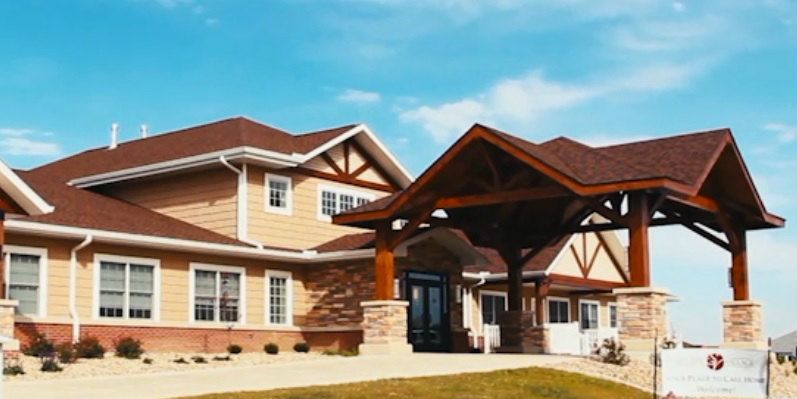
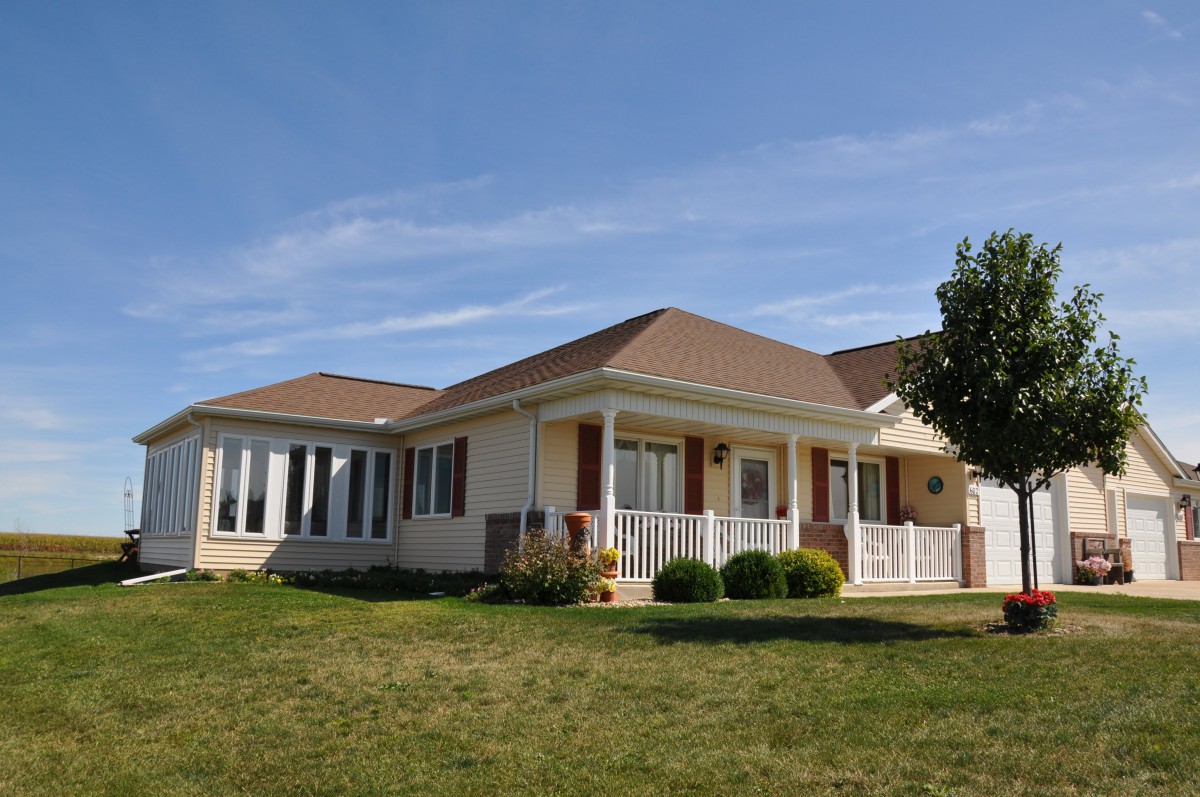
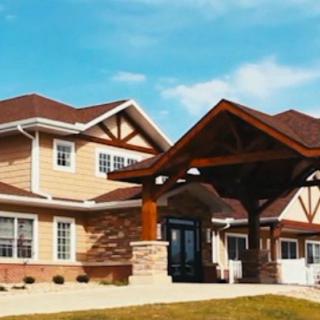
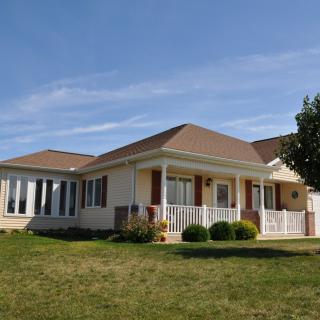
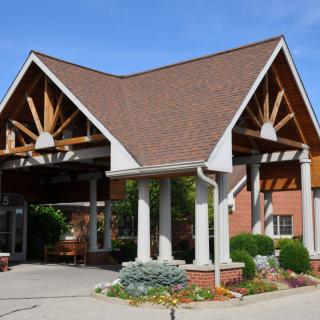
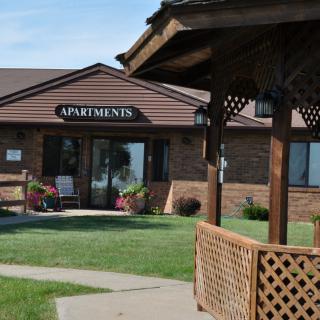
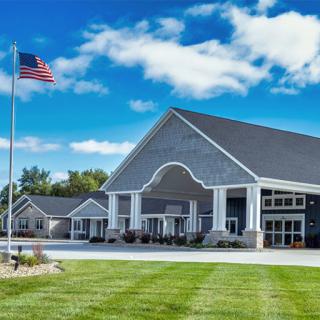
Snyder Village a CCRC on seniors.fyi includes 10 photos including images showing landscaping, architecture, building, nature, entrance, fountain, water, pond, and more.
Nearby Communities
Snyder Village Assisted Living
Metamora, IL
3.9 from 18 reviews
Caring, compassionate staff and a clean, homey environment with good dining and amenities.
Loft Rehabilitation & Nursing
Eureka, IL
3.9 from 39 reviews
Clean, well-maintained cottages with private garages and regular staff rounds.
Select Post Acute Care
Eureka, IL
1 from 2 reviews
Nursing staff show strong potential for excellent resident care when supported and empowered.
Apostolic Christian Home Of Eureka
Eureka, IL
4.8 from 23 reviews
Warm, home-like setting with attentive staff and engaging activities.
Apostolic Christian Home
Eureka, IL
4.7 from 19 reviews
Offers both independent living and skilled nursing with diabetic care.
Washington Christian Village
Washington, IL
Extensive on-site amenities and activities (dining, salon, fitness, library, transportation).
Villas of Holly Brook East Peoria
East Peoria, IL
4.3 from 6 reviews
Specialized memory-care programming with 24/7 staff support.
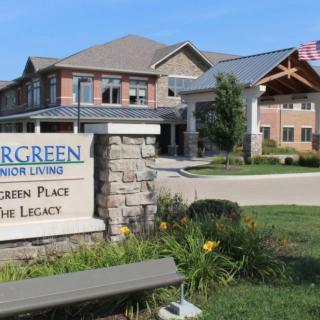
Evergreen Place and The Legacy Memory Care
Chillicothe, IL
4.6 from 29 reviews
$3,850 to $5,610 / month
Compassionate staff with good family communication and engaging activities.
Lutheran Hillside Village
Peoria, IL
4.4 from 104 reviews
Caring staff; clean, spacious facility with engaging activities and dining.
Dementia, influenced by aging and certain medications, may be exacerbated by drug classes such as anticholinergics, benzodiazepines, and antipsychotics, which are associated with cognitive impairment. Regular medication reviews by healthcare professionals are crucial for older adults to manage risks and optimize cognitive health.
Dementia often results in disrupted sleep patterns, leading to excessive daytime sleeping due to factors like brain damage affecting circadian rhythms, medication side effects, and lack of structure in daily activities. Caregivers must monitor these changes closely, as oversleeping can increase risks such as malnutrition or dehydration, and provide necessary support and routines to enhance patient engagement and well-being.
The transition from assisted living to skilled nursing care is often prompted by complex medical needs that assisted living cannot meet, with key indicators including frequent health declines, increased falls, severe memory issues, and caregiver burnout. Families should recognize these signs early to discuss options with healthcare providers and prepare for the emotional and logistical aspects of moving to a facility that offers comprehensive medical support.
Get PricingAsk A QuestionSchedule A TourContact Senior Advisor
By clicking submit, you agree to our Partner's Terms of Use. You
also consent to receive calls and texts, which may be autodialed, from our Partner. Your consent is not a condition to
using our Partner's service. Please visit our Partner's Privacy Policy for information about their privacy practices.










 65 resident community capacity
 Assisted Living
 Continuing Care Retirement Community (CCRC)
 Independent Living
 Memory Care
 Skilled Nursing Facility
 Cats allowed
 Dogs allowed
 Activities off-site
 Air-conditioning
 Bath tubs
 Beautician on-site
 Cable or satellite TV
 Computer center
 Devotional services off-site
 Fitness room
 Full kitchen
 Fully furnished
 Gaming room
 Garden
 Ground floor units
 Handicap accessible
 Housekeeping services
 Indoor common areas
 Move-in coordination
 Outdoor common areas
 Private bathrooms
 Respite or short term stays offered
 Restaurant-style dining
 Small library
 Telephone
 Wellness center
 Wheelchair accessible showers
 Wi-Fi/high-speed internet available
 Greater Peoria Regional (20 miles away)
 Community operated transportation
 24-hour call system
 Ambulatory care
 Assistance with bathing
 Assistance with dressing
 Assistance with transfers
 Diabetes diet
 Incontinence care
 Medication management
 Special dietary restrictions
 Art classes
 Bible study group
 Concierge services
 Cooking classes
 Day trips and outings
 Educational speakers / life long learning
 Live musical performances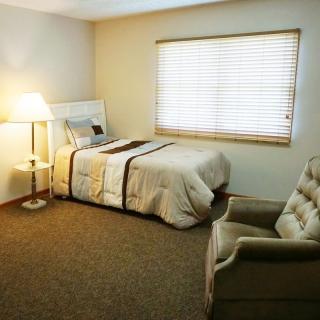
 Caring, compassionate staff and a clean, homey environment with good dining and amenities.




 A Thorough Discussion of Medications Potentially Linked to Dementia Risk
 Why Do Dementia Patients Sleep So Much? Understanding Oversleeping, Stages, and Care Approaches
 8 Key Indicators That Suggest It May Be Time to Transition from Assisted Living to Skilled Nursing Care