Lutheran Hillside Village offers competitive pricing for various living arrangements compared to the broader market in Peoria County and the state of Illinois. For instance, a one-bedroom unit at Lutheran Hillside Village is priced at $1,917 per month, significantly lower than the county and state averages of $3,055 and $3,527, respectively. Similarly, their two-bedroom apartments are available for $2,290, which is notably more affordable than both Peoria County's average of $4,115 and Illinois's overall average of $4,208. While studio apartments at Lutheran Hillside Village are priced slightly above the county average at $2,773 compared to $3,057 but remain more attractive compared to the state figure of $4,028. However, pricing trends shift when examining semi-private and private rooms; here, Lutheran Hillside Village's costs - $6,600 for semi-private and $9,570 for private accommodations - exceed those in Peoria County and even state averages. Overall, these figures reflect a nuanced pricing strategy that positions Lutheran Hillside Village as an appealing option for certain living arrangements while also acknowledging higher costs for more exclusive choices.
Floor plans
Lutheran Hillside Village
Peoria County
Illinois
1 Bedroom
$1,917
$3,055
$3,527
2 Bedrooms
$2,290
$4,115
$4,208
Studio
$2,773
$3,057
$4,028
Semi-Private
$6,600
$4,820
$5,146
Private
$9,570
$5,785
$5,049
Overall Review of Lutheran Hillside Village
differentiator9 reviews mention this
Continuum of care on one campus
Residents and families highlight a continuum of care from independent living through nursing and memory care.
Many reviewers describe choosing Lutheran Hillside Village because they can move between care levels without switching communities as needs change. Several mention the path from independent living to assisted living and then to memory care and skilled nursing. A few also connect this on-site progression to peace of mind for families managing future care decisions. There are also comments that specific transitions can be difficult once higher levels of care are needed, including the experience in the care center for one resident.
common8 reviews mention this
Dining gets frequent praise
Dining stands out in reviews, with many describing meals as good or exceptional.
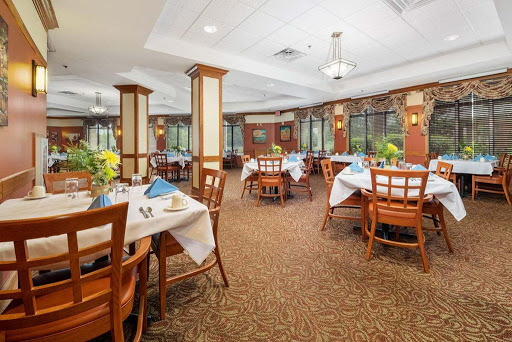
Dining is repeatedly mentioned in positive terms, including praise for food quality and a dining experience that feels like more than cafeteria-style meals. Some reviewers call out variety and menu impressions from tours or on-site dining. A few residents also mention being well-fed as part of everyday life, including meals they enjoy and can depend on. There are occasional critical dining comments tied to broader quality concerns rather than the food alone.
common8 reviews mention this
Activities and wellness keep busy days
Reviewers frequently mention on-site activities and wellness options.
A common theme is how full the calendar feels, with reviewers describing scheduled daily activities and community-sponsored events. Several point to staying active through classes, trips, and exercise-related amenities like a gym and walking spaces. For residents who want faith-based programming, multiple reviews mention devotional services or religious activities as part of the routine. Even when reviews focus on different care needs, people often still reference how there are things to do on campus.
caveat3 reviews mention this
Care experiences vary at higher levels
Some residents and families report troubling care issues when needs increased.
While many reviews describe caring staff and good support, a smaller set report serious problems after a resident’s needs escalated to higher care. In those accounts, families describe breakdowns in communication, medication mix-ups, and missed coordination around appointments or schedules. One reviewer specifically contrasts an earlier assisted living experience with a much worse experience after moving to the care center. Another reviewer describes a lack of follow-through and staffing needs in the short-stay/rehab setting.
caveat4 reviews mention this
Cost comes up as a drawback
Several reviews call out that the community is expensive.
A recurring downside is price, with multiple reviewers explicitly describing it as expensive or high relative to the services received. Some mention the cost as part of their decision-making even when they were otherwise positive about care or the facility. One review also frames value as questionable after care needs increased. Another reviewer notes that rates changed over time, adding to the concern about ongoing affordability.
caveat4 reviews mention this
Cleanliness and condition split reviews
Cleanliness is praised by many, but a few reviews describe strong negative sensory issues.
Several reviewers say the building, rooms, and common areas are very clean and well maintained. Some also mention bright, home-like interiors and an overall cared-for campus. However, there are a few negative reviews that describe odors and an unpleasant environment, alongside complaints about how residents were handled during meals. Taken together, reviews suggest a generally positive cleanliness reputation with notable exceptions.
How we summarize
Counts show how many written reviews mention each theme; a review can touch several themes, and only frequently mentioned themes are displayed.
Features
Housing
63 resident community capacity
1-bedroom apartments
2-bedroom apartments
Studio apartments
Types of Care
Assisted Living
Independent Living
Memory Care
Respite Care
Skilled Nursing Facility
Amenities
Activities on-site
Air-conditioning
Beautician on-site
Beauty salon
Cable or satellite TV
Computer center
Devotional services off-site
Dining room
Fitness room
Full kitchen
Fully furnished
Gaming room
Garden
Housekeeping services
Indoor common areas
Kitchenette
Laundry
Move-in coordination
Outdoor space
Party space
Private
Private bathrooms
Resident parking
Respite or short term stays offered
Restaurant-style dining
Small library
Telephone
Wellness center
Wi-Fi/high-speed internet available
Transportation
Greater Peoria Regional (10 miles away)
Community operated transportation
Transportation & parking
Transportation arrangement
Transportation arrangement (non-medical)
Transportation to doctors appointments
Care Services
12-16 hour nursing
24-hour call system
24-hour supervision
Activities of daily living assistance
Ambulatory care
Assistance with bathing
Assistance with dressing
Assistance with transfers
Diabetes diet
Diabetic care
Meal preparation and service
Medication management
Mental wellness program
Mild cognitive impairment
Physical therapy
Special dietary restrictions
Specialized memory care programming
Dining
Diabetes diet
Meals provided
Special dietary restrictions
Activities
Activities off-site
Activities on-site
Community-sponsored activities
Concierge services
Devotional activities offsite
Fitness programs
Planned day trips
Religious services
Resident-run activities
Scheduled daily activities
Languages Spoken
English
Nearby Places of Interest
This part of Peoria, Illinois offers a variety of healthcare options, including imaging centers, plastic surgery facilities, women's health clinics, and infusion centers, all within a short distance. There are also several reputable hospitals nearby for any medical emergencies. In terms of dining options, there are a number of restaurants featuring different cuisines to suit various tastes. Pharmacies are conveniently located for medication needs. Additionally, there are places of worship for spiritual fulfillment and cafes for socializing and enjoying a cup of coffee. The area also has a movie theater for entertainment purposes. Overall, this neighborhood provides easy access to essential services and amenities that may be important for senior living.
Physicians
Peoria Imaging (1.4 miles)
Facial Plastic and Laser Surgery Center (1.5 miles)
Affinity Women's Health Care (1.5 miles)
Osf Infusion Center (1.5 miles)
Bochantin Ob Gyn Services (1.5 miles)
Midwest Family Medical (1.5 miles)
Mommy Vision (1.5 miles)
Hospitals
UnityPoint Health - Proctor (1.5 miles)
Proctor Hospital (1.7 miles)
Orland Park Dental Program (2.1 miles)
Restaurants
Industry Brewing (2 miles)
Fox Pub and Cafe (2.2 miles)
Jimmy John's (2.2 miles)
Avanti's Italian Restaurant - North Peoria (2.2 miles)
Lutheran Hillside Village offers competitive pricing for various living arrangements compared to the broader market in Peoria County and the state of Illinois. For instance, a one-bedroom unit at Lutheran Hillside Village is priced at $1,917 per month, significantly lower than the county and state averages of $3,055 and $3,527, respectively. Similarly, their two-bedroom apartments are available for $2,290, which is notably more affordable than both Peoria County's average of $4,115 and Illinois's overall average of $4,208. While studio apartments at Lutheran Hillside Village are priced slightly above the county average at $2,773 compared to $3,057 but remain more attractive compared to the state figure of $4,028. However, pricing trends shift when examining semi-private and private rooms; here, Lutheran Hillside Village's costs - $6,600 for semi-private and $9,570 for private accommodations - exceed those in Peoria County and even state averages. Overall, these figures reflect a nuanced pricing strategy that positions Lutheran Hillside Village as an appealing option for certain living arrangements while also acknowledging higher costs for more exclusive choices.
The comprehensive features of Lutheran Hillside Village are designed to create a supportive environment tailored for residents experiencing dementia or Alzheimer's disease. Continuous 24-hour supervision ensures that individuals receive immediate assistance and safety, which is crucial for those with cognitive impairments. By offering help with activities of daily living--such as bathing, dressing, and transfers--the facility promotes dignity while addressing the unique challenges posed by memory loss. Meal preparation and service take into account dietary needs and preferences, ensuring proper nutrition that supports overall health. Medication management helps maintain adherence to prescribed regimens, reducing the risk of confusion or missed doses. The mental wellness program fosters cognitive engagement through stimulating activities, while physical therapy aids in mobility and physical health. Specialized memory care programming further enriches residents' experiences by providing tailored activities that align with their current cognitive abilities, ultimately promoting a sense of stability and well-being amidst the challenges they face.
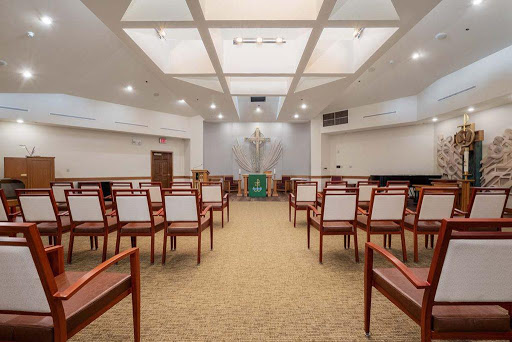
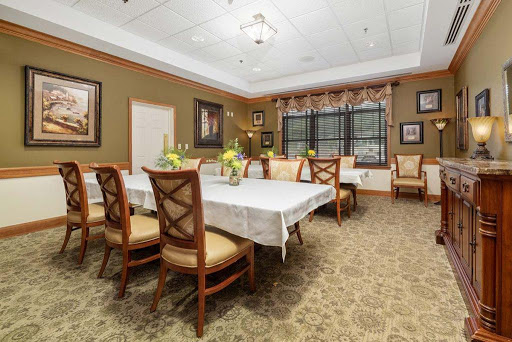
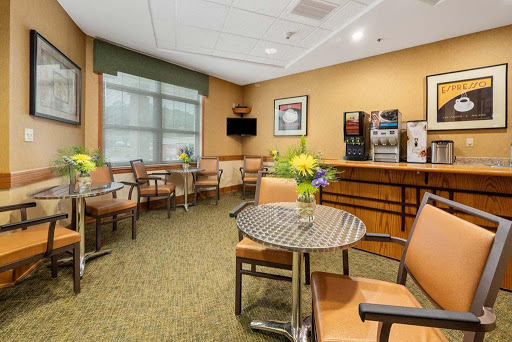
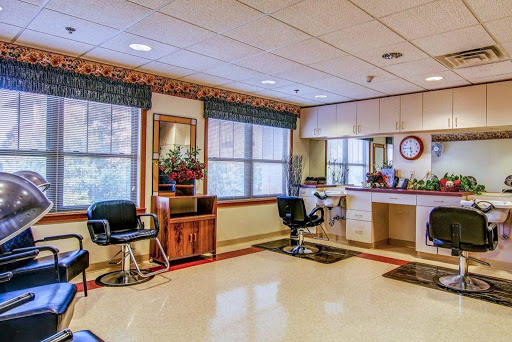
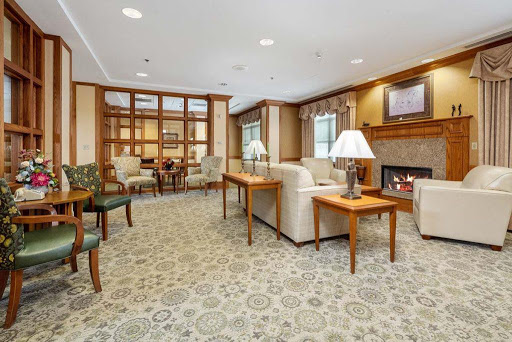
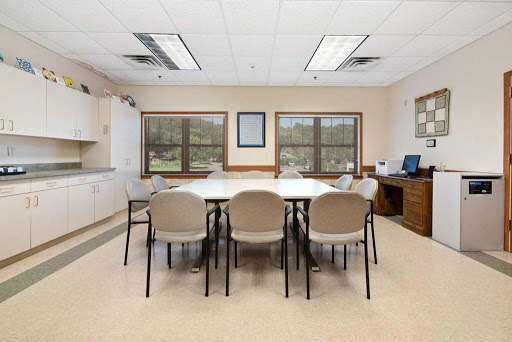
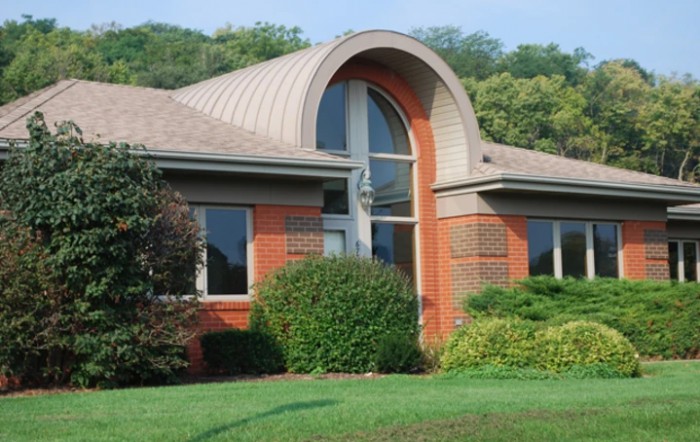
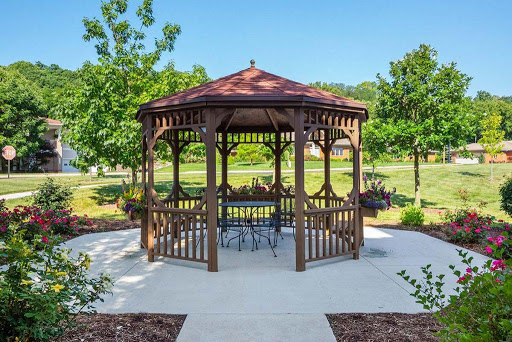
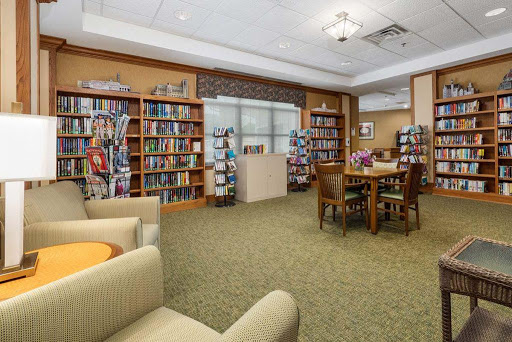
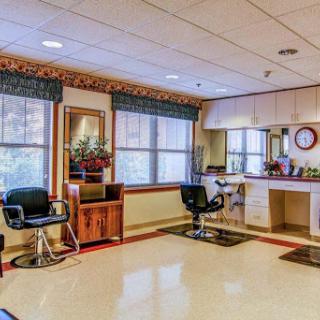
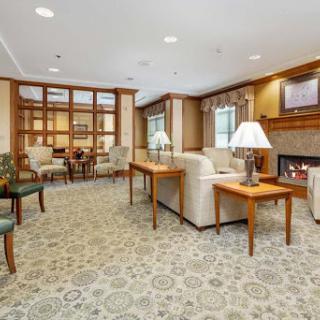
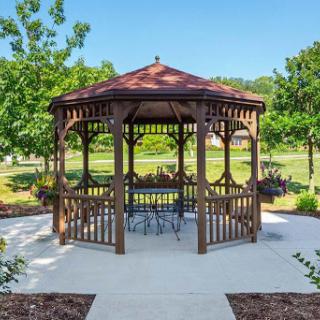
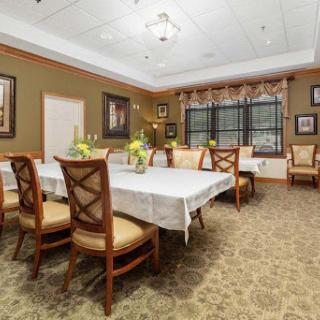
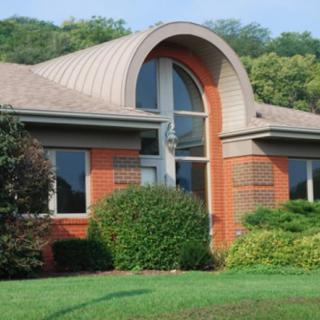
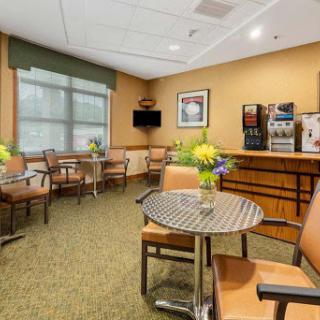
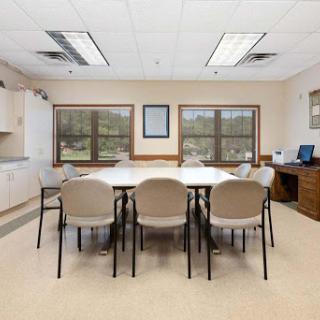
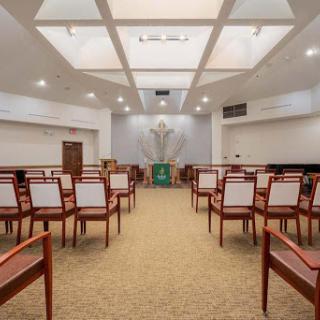
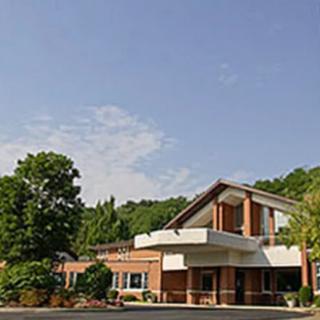
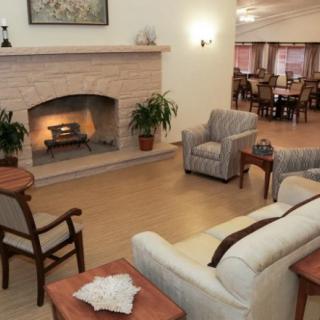
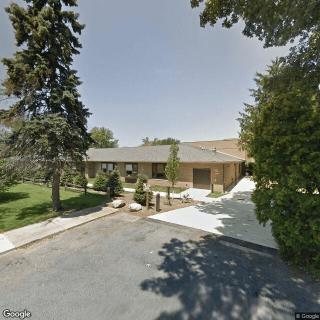
Lutheran Hillside Village on seniors.fyi includes 12 photos including images showing interior, landscaping, dining, lighting, windows, architecture, salon, cozy atmosphere, and more.
Nearby Communities
Bethel Place Az Establishment
Peoria, IL
4.5 from 65 reviews
24/7 supervision with memory care and transportation to medical appointments.
Lutheran Home
Peoria, IL
4.5 from 62 reviews
24/7 supervision with comprehensive care (ADL assistance, medication management), diabetes-friendly dining and broad on-site amenities plus transportation services.
Apostolic Christian Skylines
Peoria, IL
4.9 from 11 reviews
Beautiful setting with friendly, communicative staff.
Rose Garden Care Ctr
Peoria Heights, IL
Excellent access to nearby amenities and healthcare (pharmacies, physicians, hospitals, dining, worship).
Aperion Care Peoria Heights
Peoria Heights, IL
2.8 from 9 reviews
Strong on-site amenities and transportation.
Galena Park Terrace Apartments
Peoria Heights, IL
4 from 22 reviews
$561 to $781 / month
Friendly staff, responsive management, and enjoyable community activities.
Independence Village of Peoria
Peoria, IL
4.7 from 154 reviews
$1,825 to $3,225 / month
Friendly staff, engaging activities, and a clean, well-maintained environment.
Buehler Home
Peoria, IL
4.7 from 13 reviews
Nice amenities and responsive staff with flexible care options.
The article examines the link between certain medications and increased dementia risk, particularly in older adults, emphasizing that long-term or high-dose use of anticholinergics, benzodiazepines, and other drug classes can exacerbate cognitive impairment. It calls for careful medication evaluation and shared decision-making to mitigate these risks while managing treatment efficacy.
The article emphasizes the significance of establishing a power of attorney for elderly parents to enable an agent to make decisions on their behalf regarding health and finances, especially during cognitive or physical decline. It outlines various types of power of attorney, the importance of consulting legal professionals, and the responsibilities and challenges faced by agents, while also discussing alternatives and common misconceptions.
Caregiver support groups are crucial for providing emotional and practical assistance to those caring for loved ones, offering resources, coping strategies, and a sense of community through various organizations and platforms. These groups help alleviate isolation and burnout while addressing the unique challenges faced by caregivers of individuals with specific conditions.
Get PricingAsk A QuestionSchedule A TourContact Senior Advisor
By clicking submit, you agree to our Partner's Terms of Use. You
also consent to receive calls and texts, which may be autodialed, from our Partner. Your consent is not a condition to
using our Partner's service. Please visit our Partner's Privacy Policy for information about their privacy practices.





 63 resident community capacity
 1-bedroom apartments
 Assisted Living
 Independent Living
 Memory Care
 Respite Care
 Skilled Nursing Facility
 Activities on-site
 Air-conditioning
 Beautician on-site
 Cable or satellite TV
 Computer center
 Devotional services off-site
 Dining room
 Fitness room
 Full kitchen
 Fully furnished
 Gaming room
 Garden
 Housekeeping services
 Indoor common areas
 Laundry
 Move-in coordination
 Outdoor space
 Party space
 Private
 Private bathrooms
 Resident parking
 Restaurant-style dining
 Small library
 Telephone
 Wellness center
 Wi-Fi/high-speed internet available
 Greater Peoria Regional (10 miles away)
 Community operated transportation
 12-16 hour nursing
 24-hour call system
 Ambulatory care
 Assistance with bathing
 Assistance with dressing
 Assistance with transfers
 Diabetes diet
 Diabetic care
 Medication management
 Mental wellness program
 Physical therapy
 Special dietary restrictions
 Concierge services
 Planned day trips
 English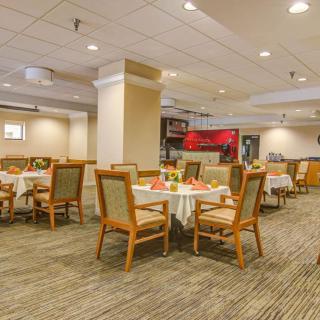
 24/7 supervision with memory care and transportation to medical appointments.

 Medications Associated with Dementia Risk: A Comprehensive Overview
 Guiding Your Journey: Understanding Power of Attorney for Elderly Parents
 22 Remarkable Caregiver Support Groups Available Online and In-Person