Snyder Village Assisted Living in Metamora, IL

Save

  • Interior

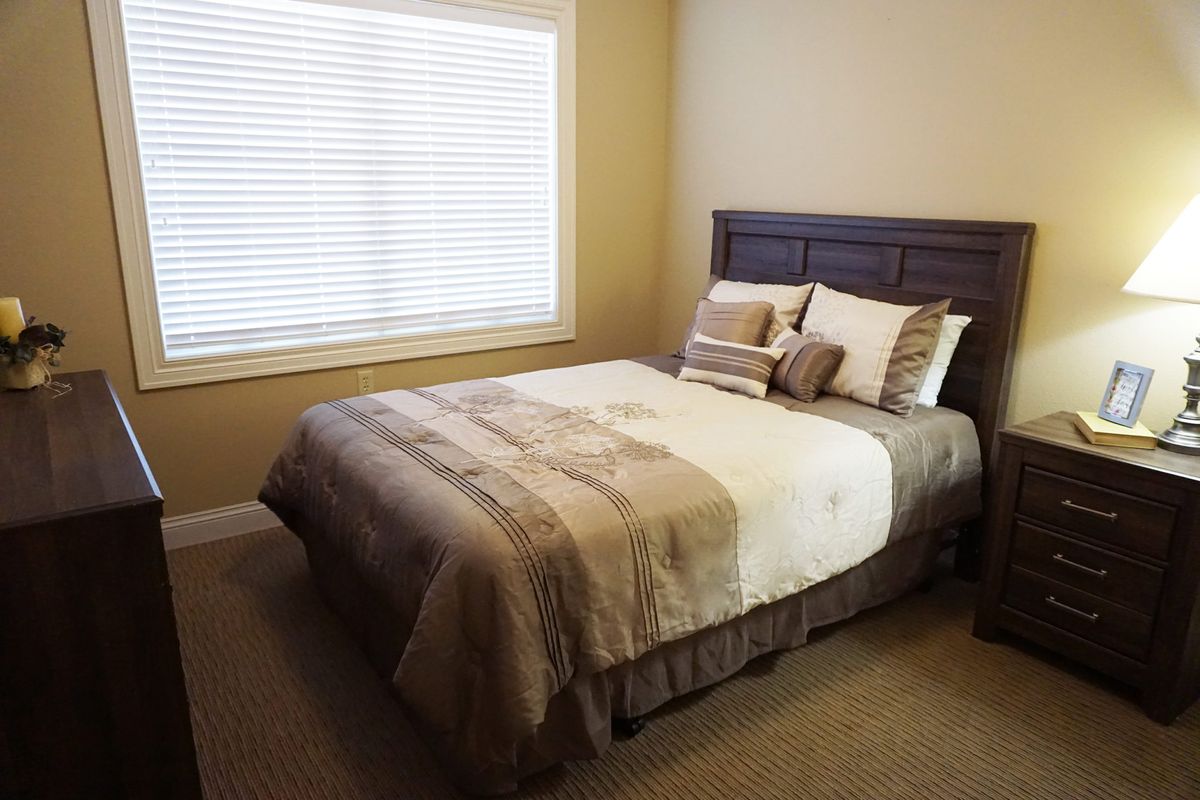
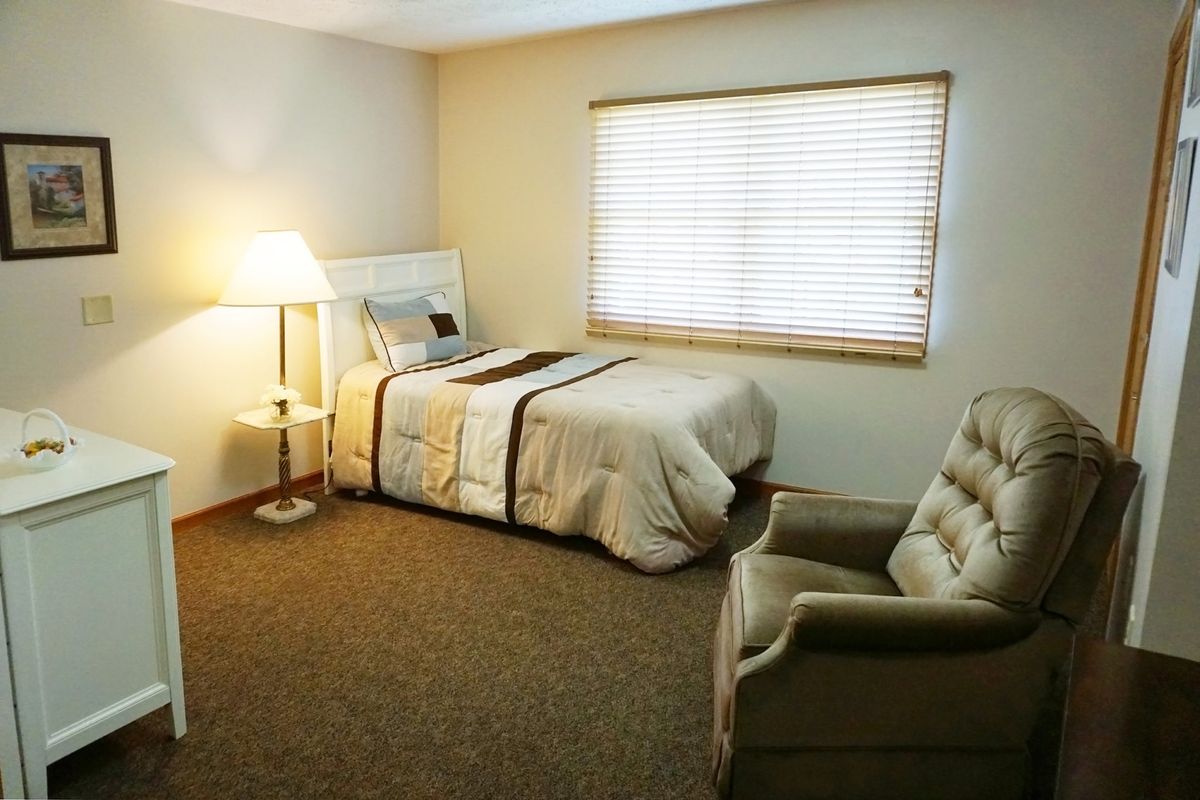
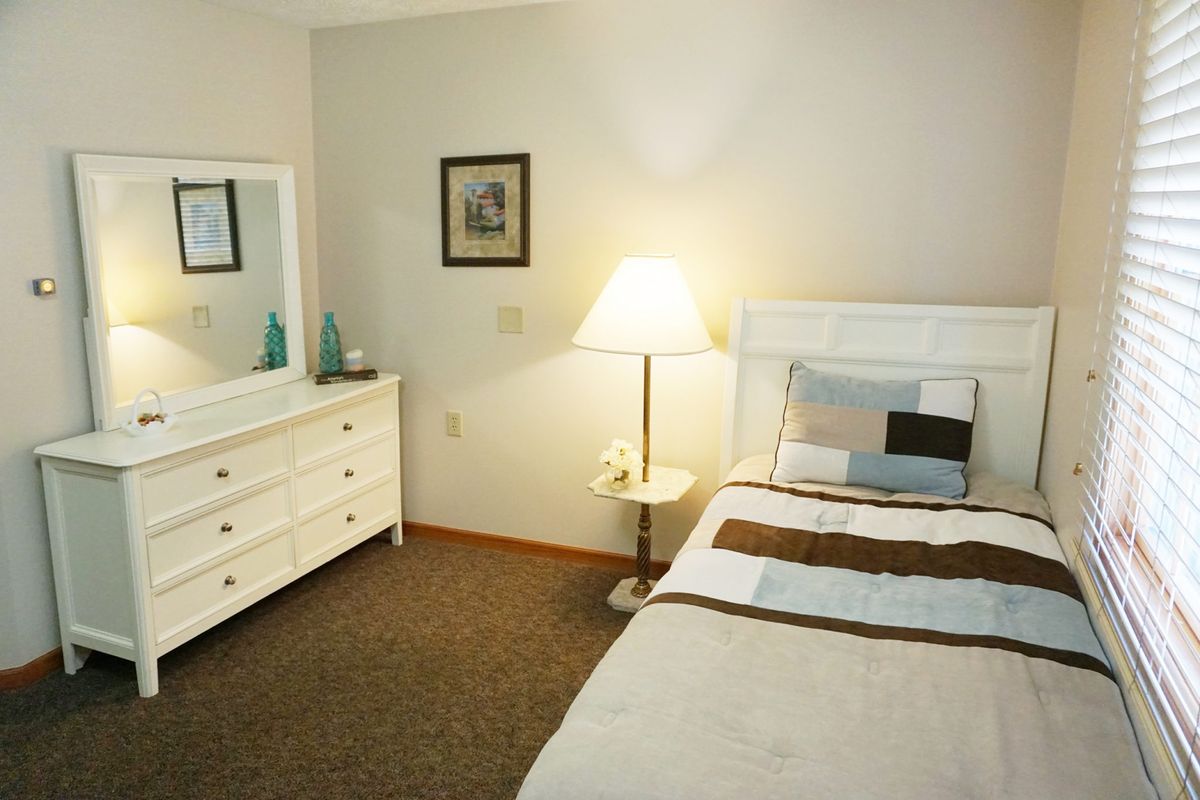
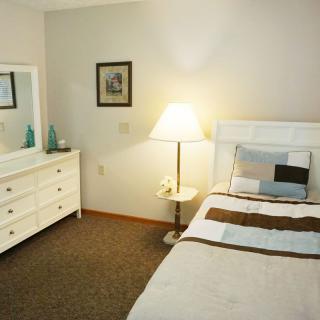
    A cozy bedroom with a single bed, dresser, and floor lamp.
  • Outdoors

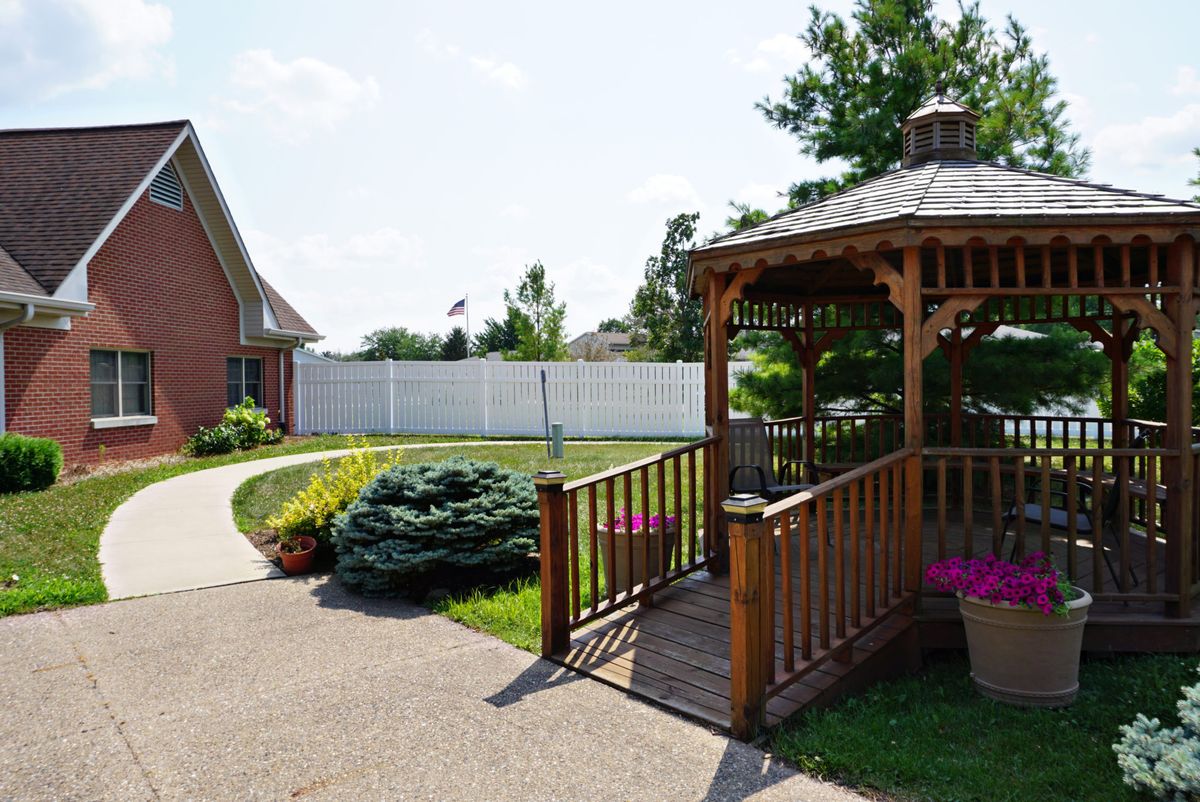
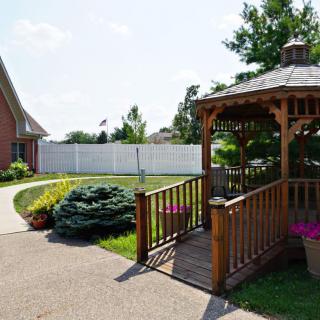
    A well-maintained backyard featuring a wooden gazebo with surrounding landscaping.
  • Decor

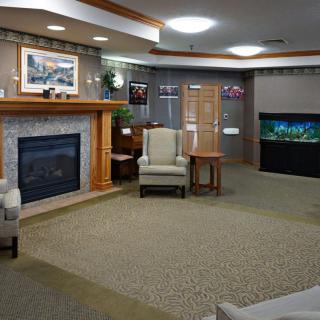
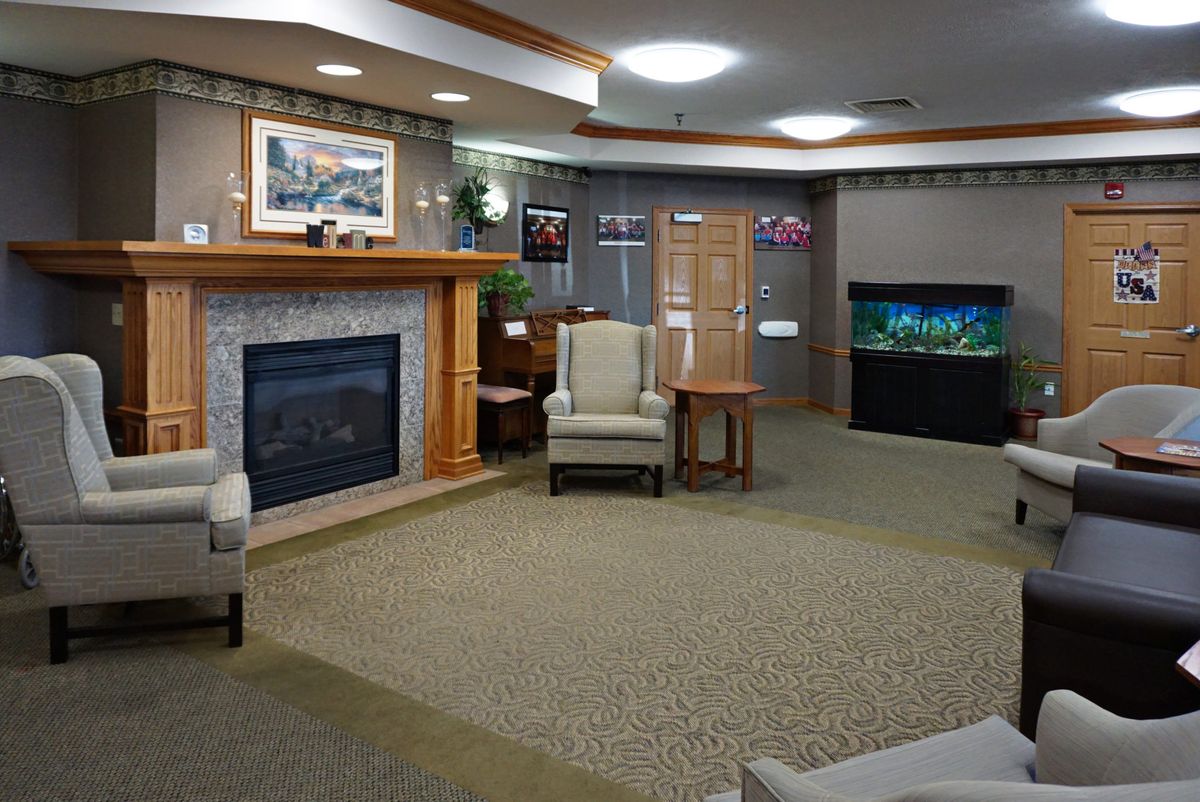
    A cozy living room featuring a fireplace, an armchair, and an aquarium.
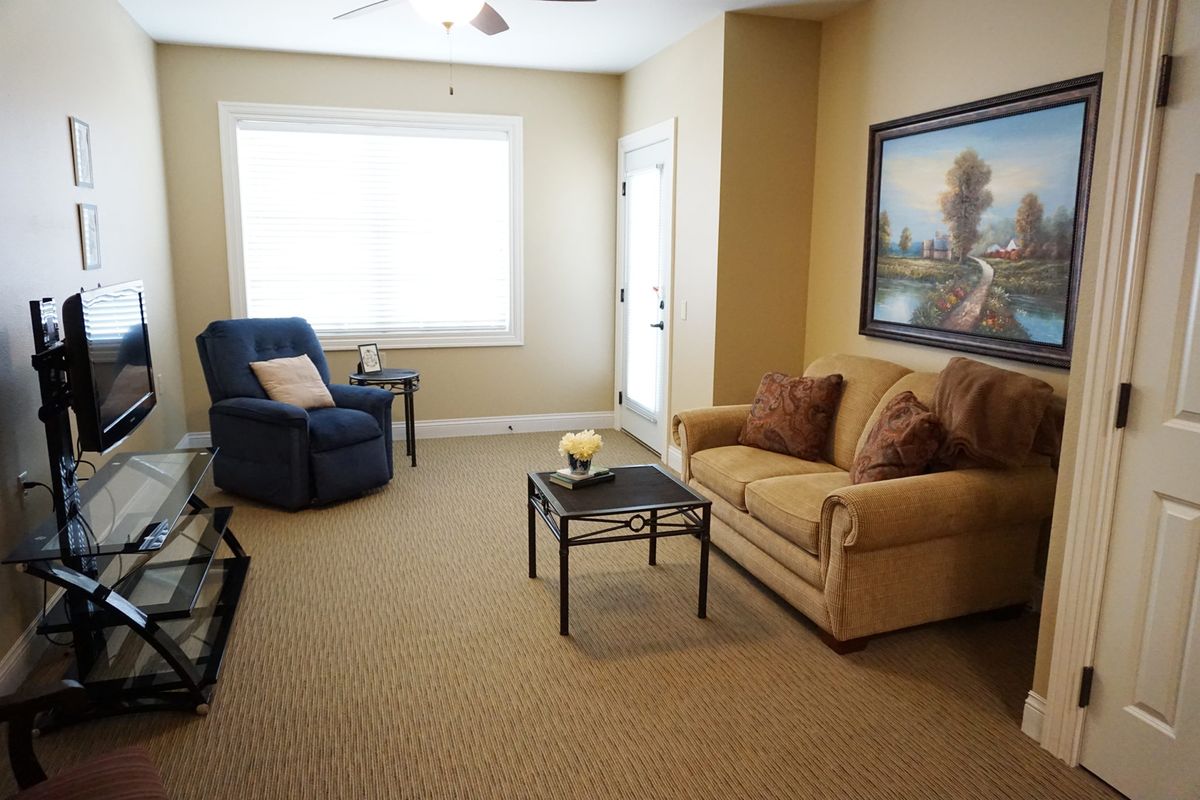
  • Living Room

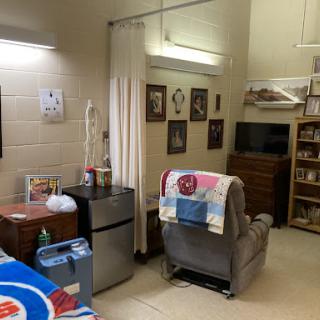
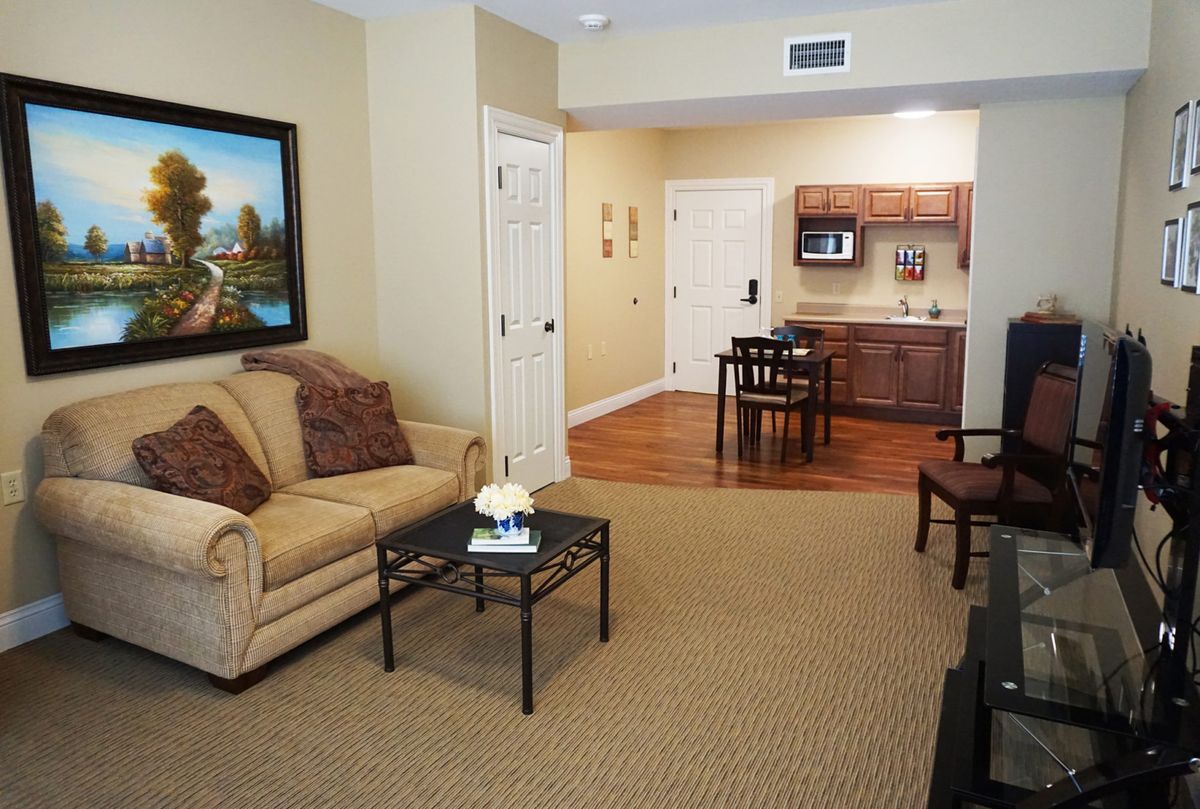
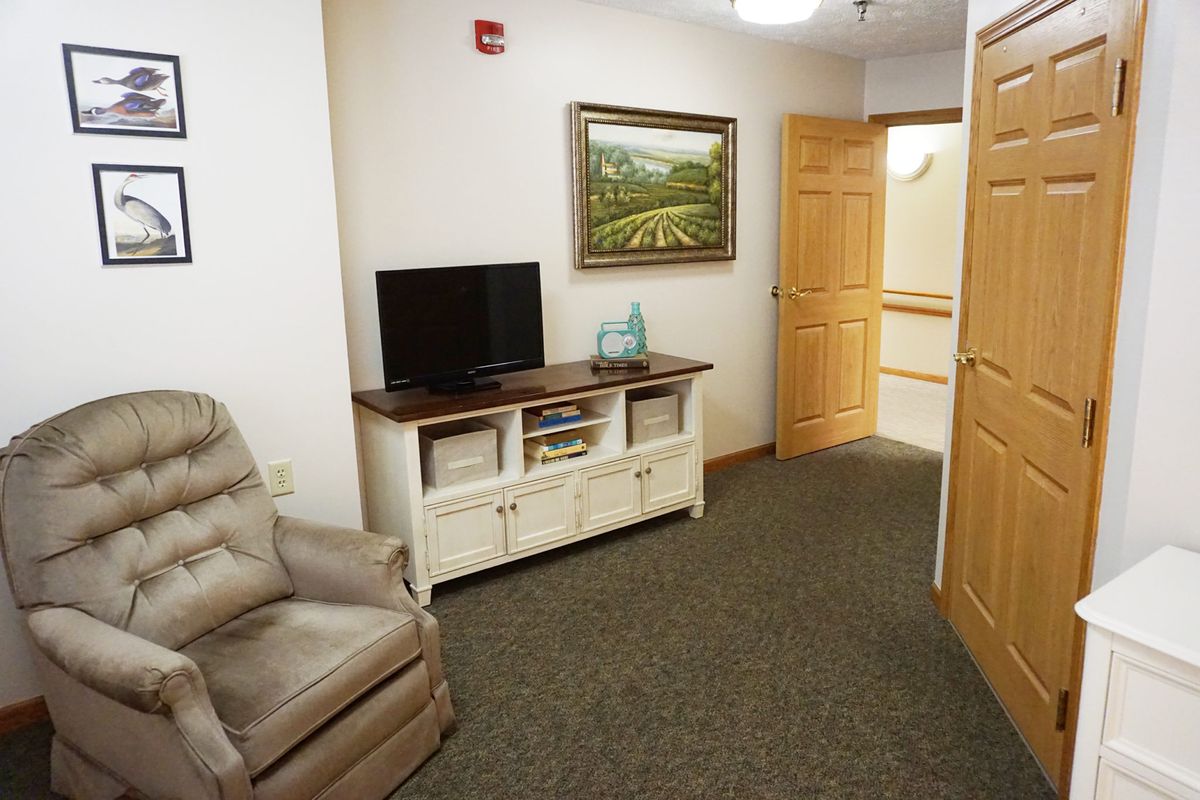
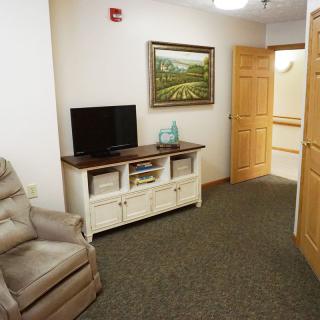
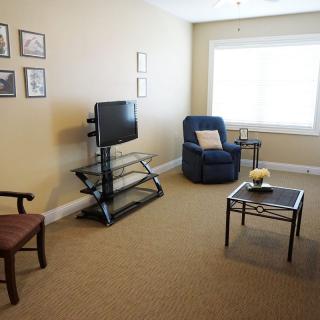
    A cozy living room featuring a recliner, television, and framed artwork.
  • Building

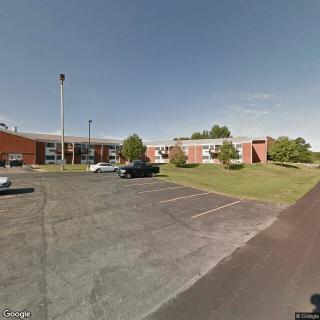
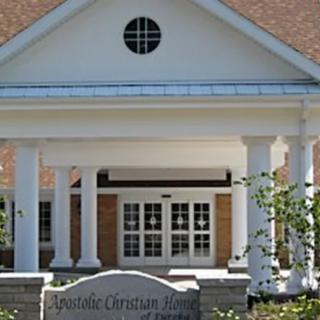
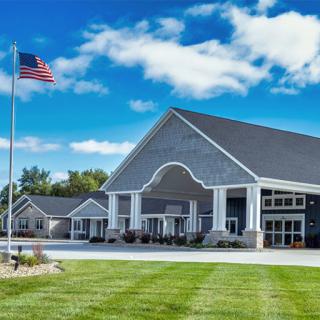
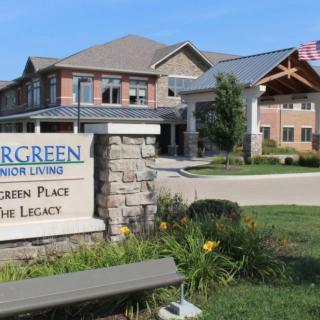
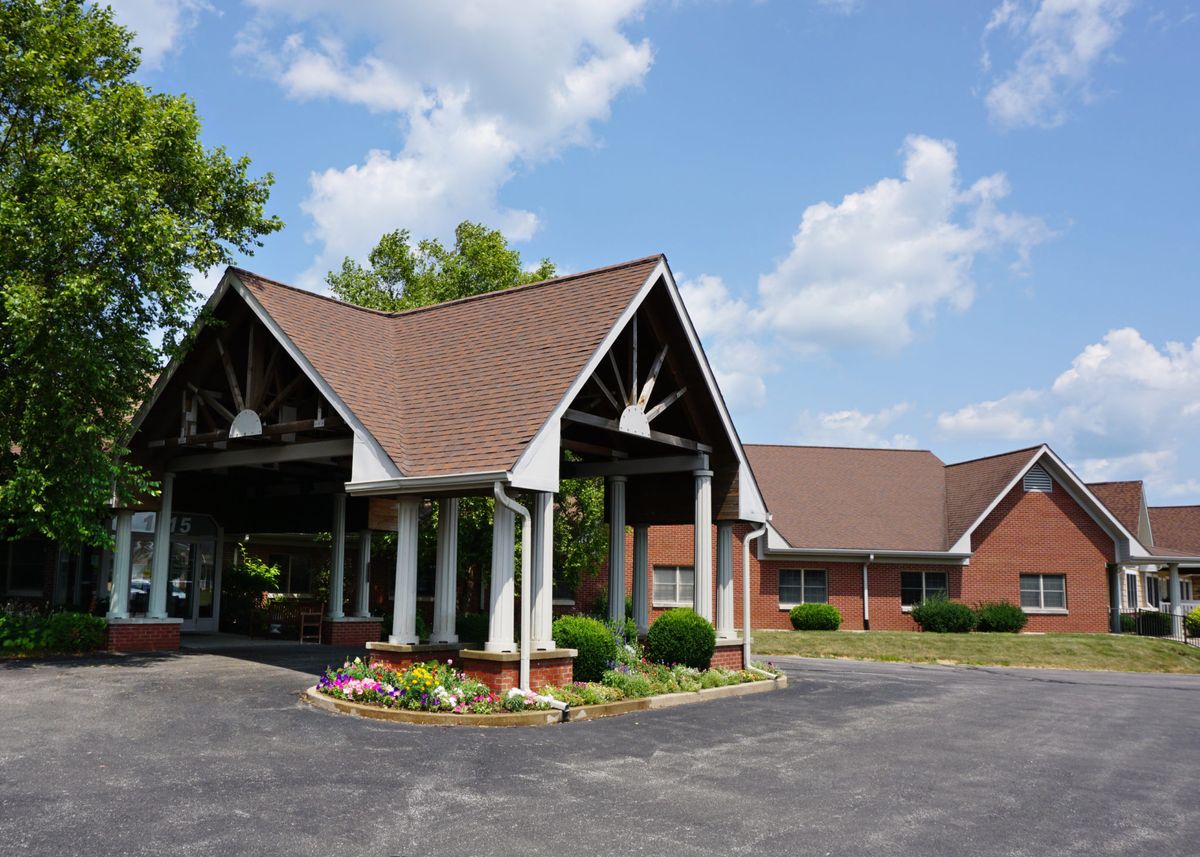
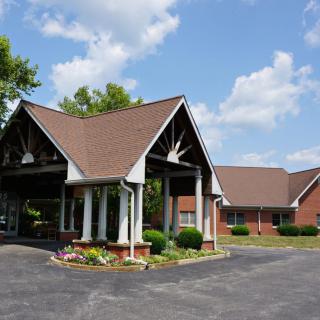
    An entrance to a building with landscaped surroundings under a partly cloudy sky.
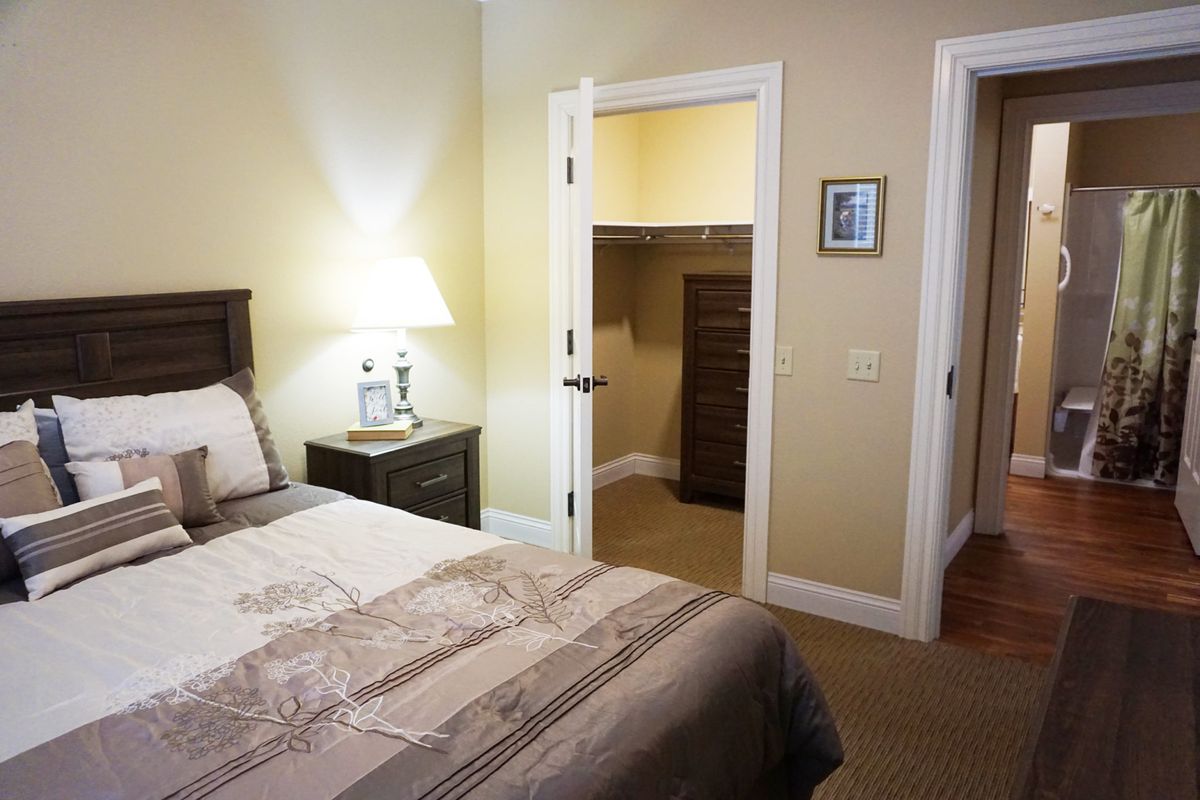
  • Bedroom

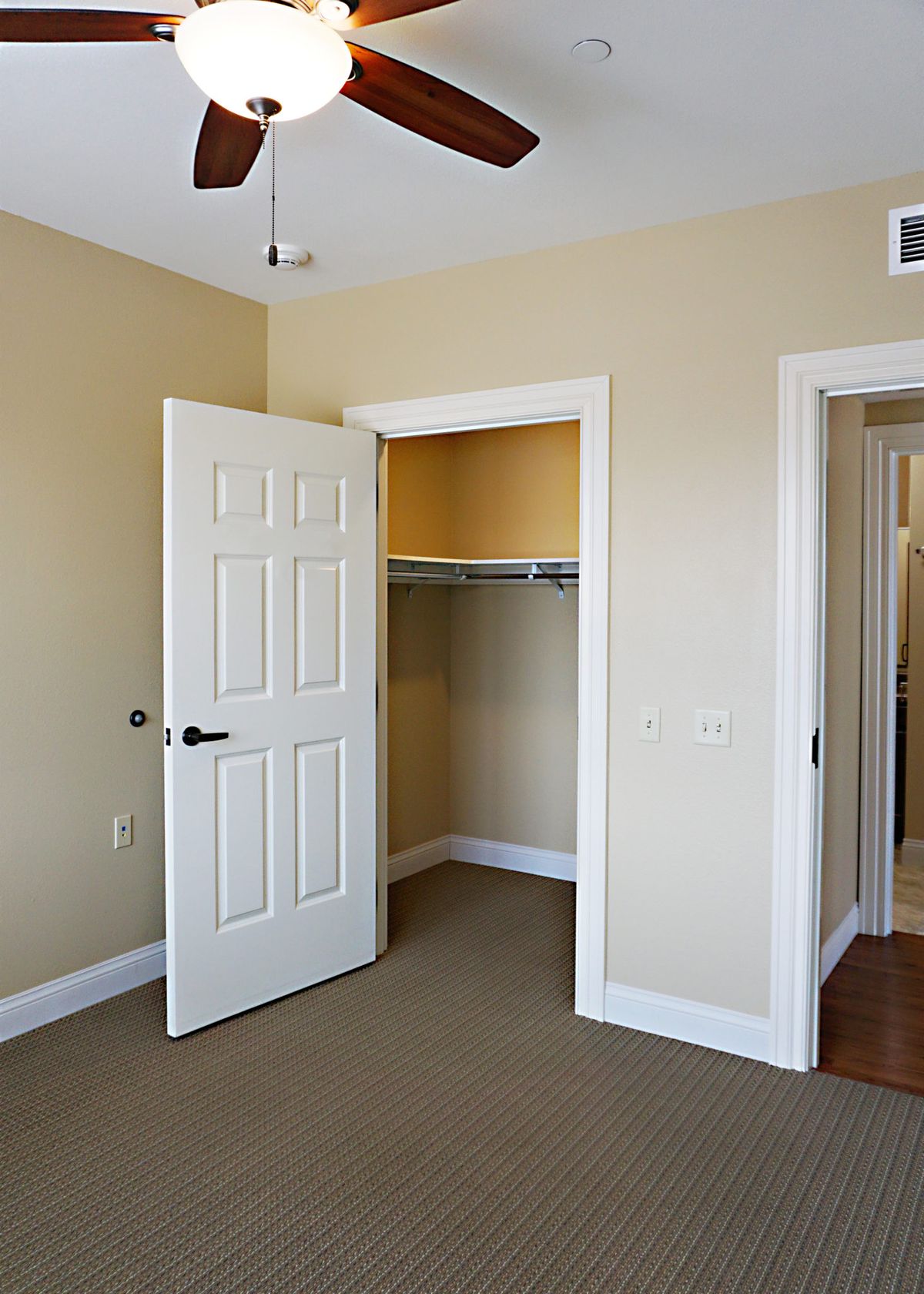
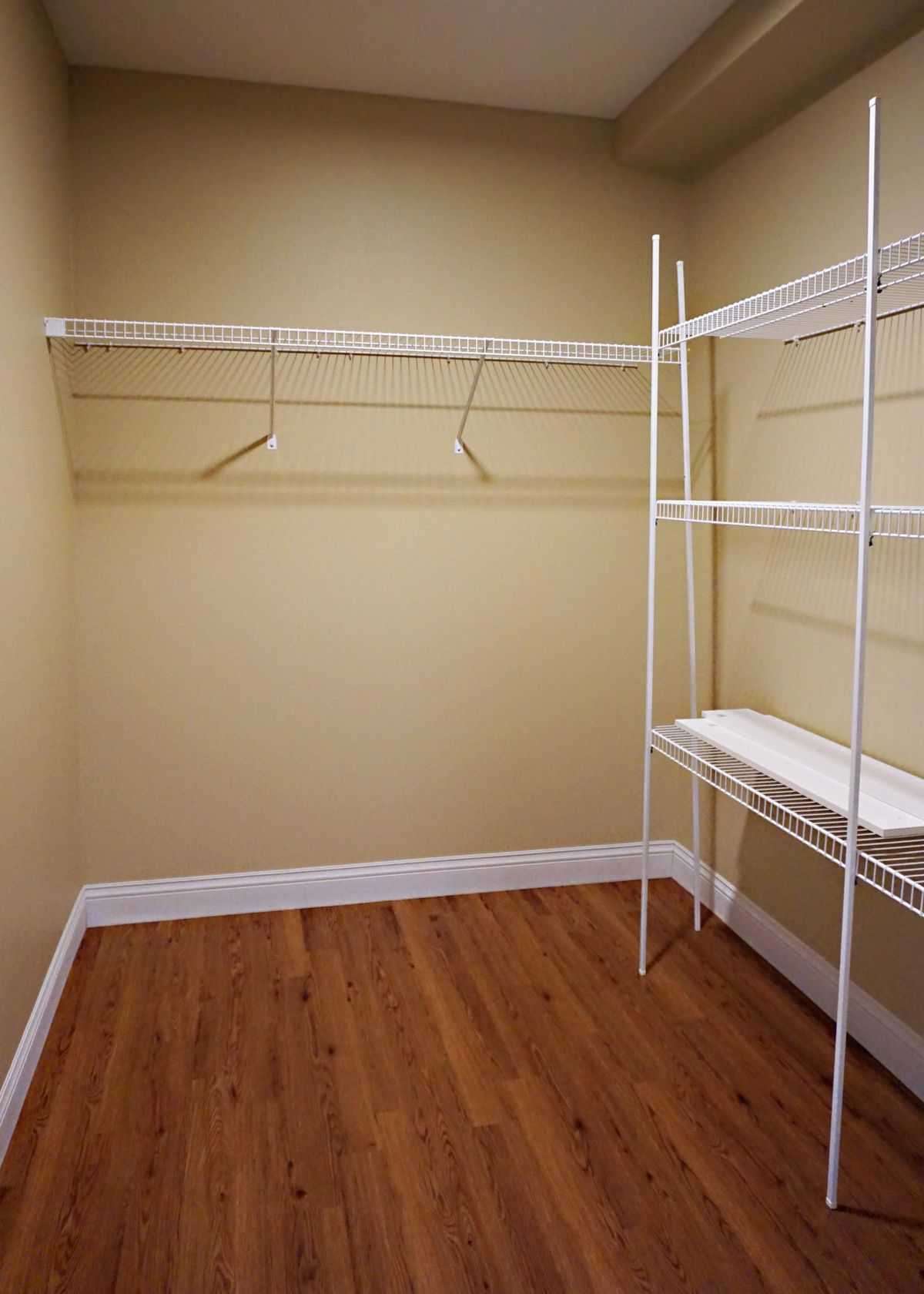
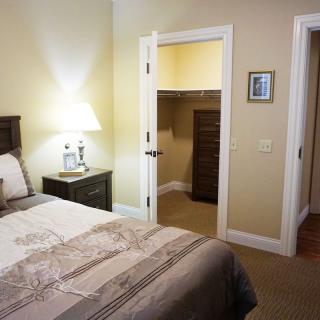
    A cozy bedroom with a neatly made bed, bedside lamp, and an open closet door.
  • Trees

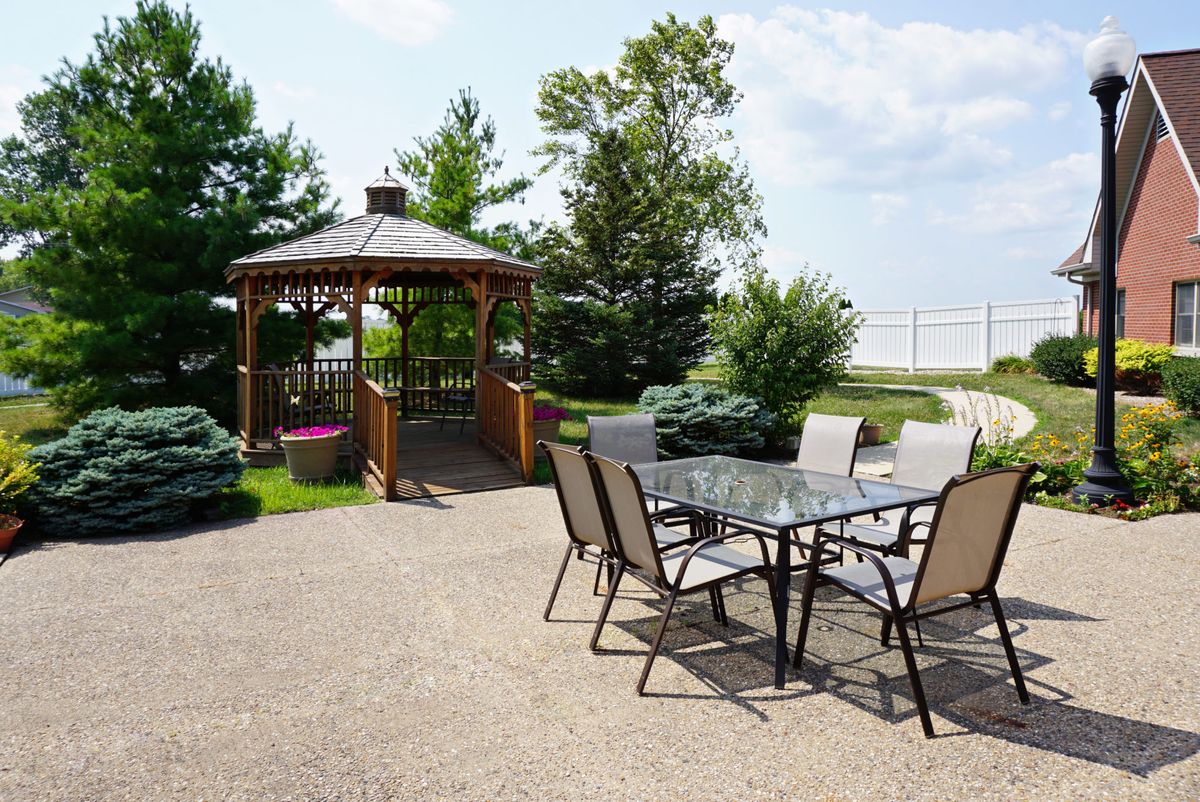
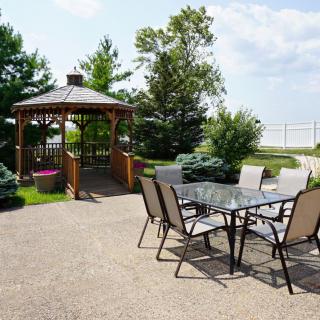
    A serene outdoor patio area with a glass table and chairs, adjacent to a charming gazebo surrounded by greenery.
  • Windows

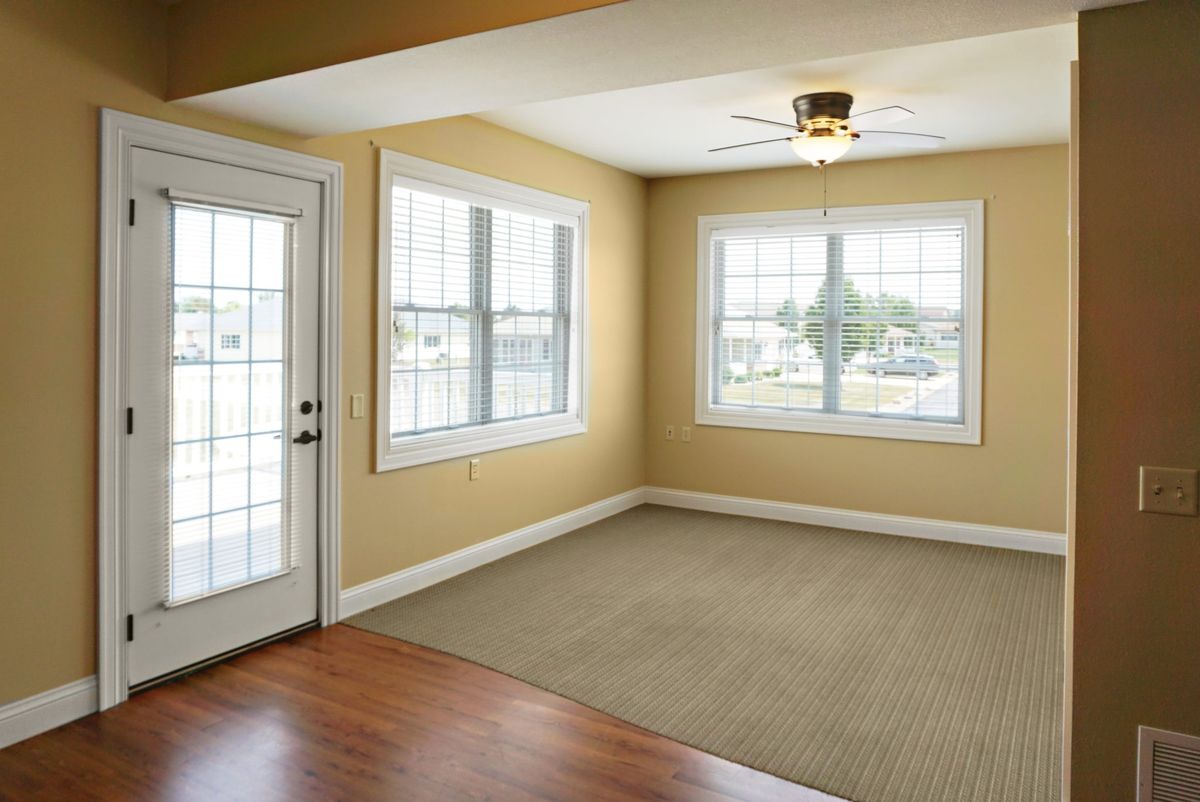
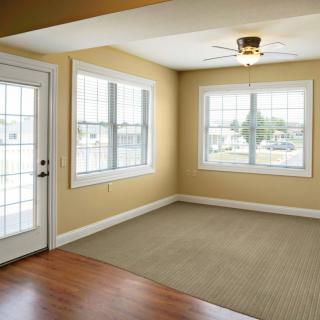
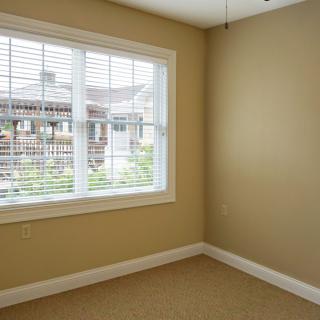
    A bright empty room with a ceiling fan, large windows, and a mix of carpet and wood flooring.
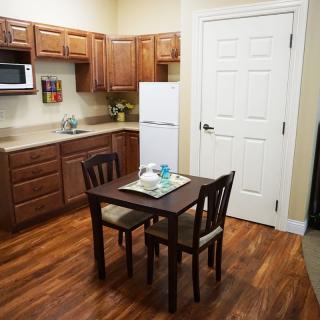
  • Dining

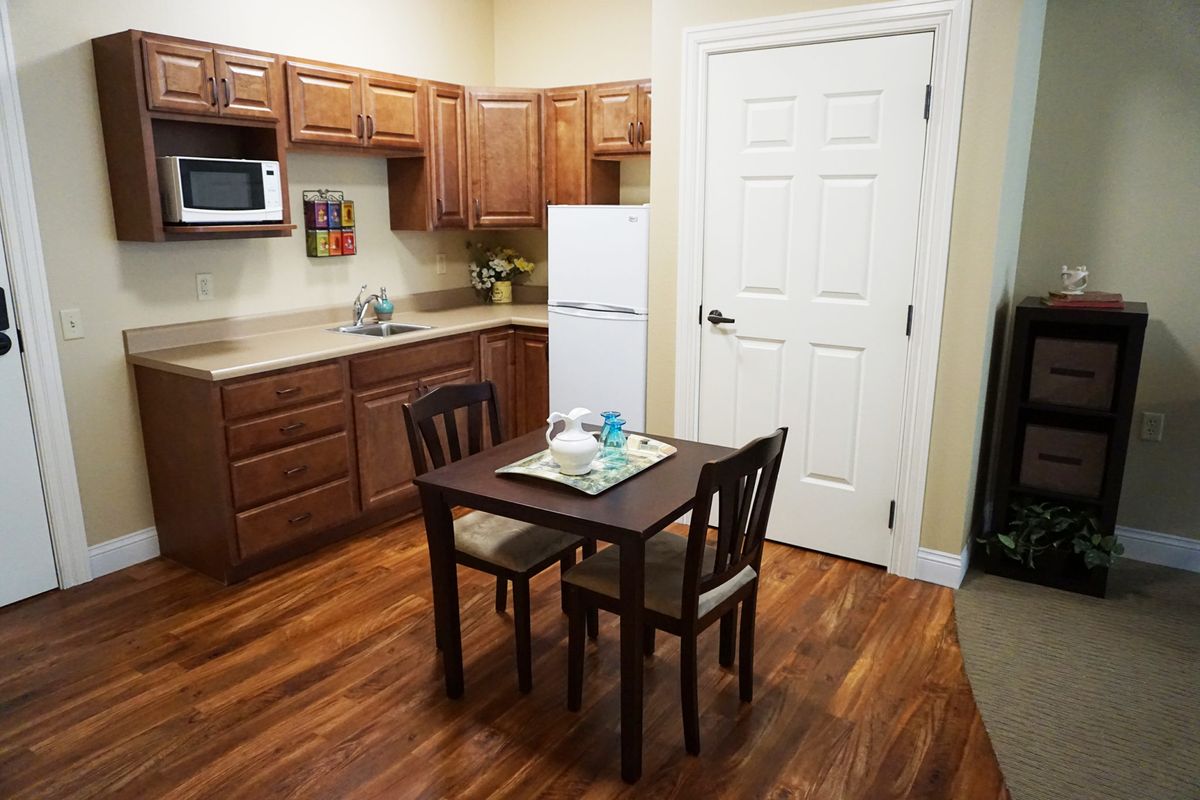
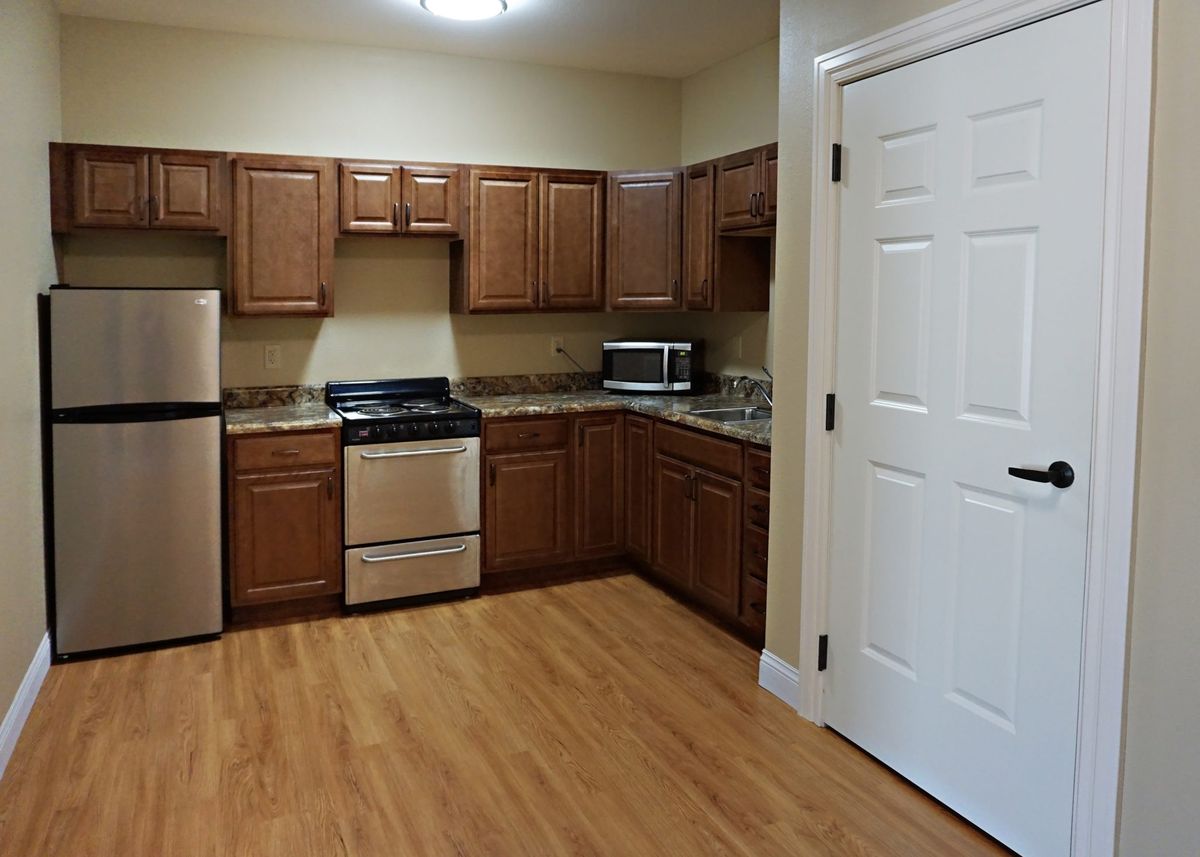
    A cozy kitchen with wooden cabinets, a small dining table with two chairs, and modern appliances.
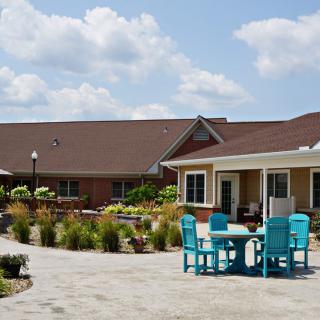
  • Landscaping

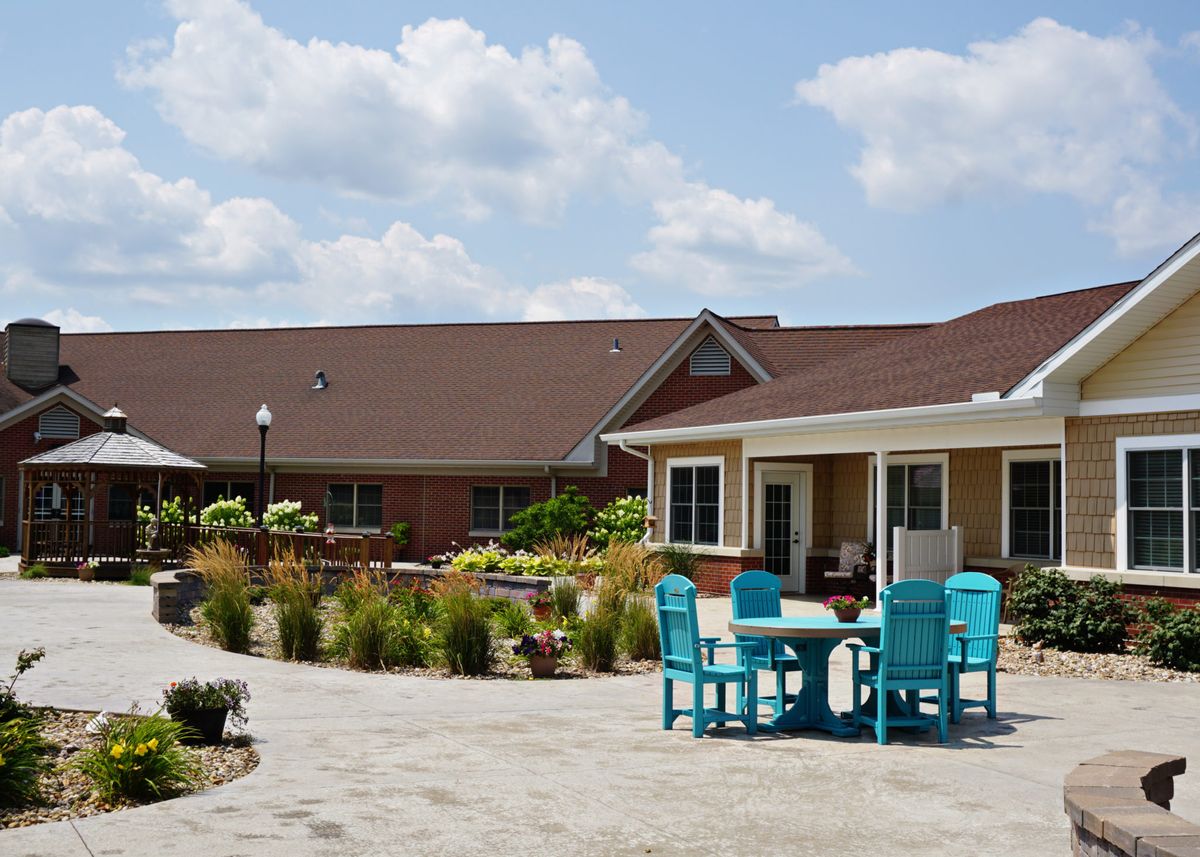
    A charming house with a garden patio featuring outdoor seating under a blue sky with clouds.
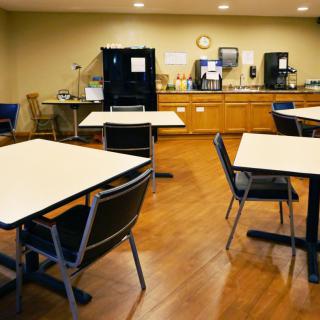
  • Kitchen

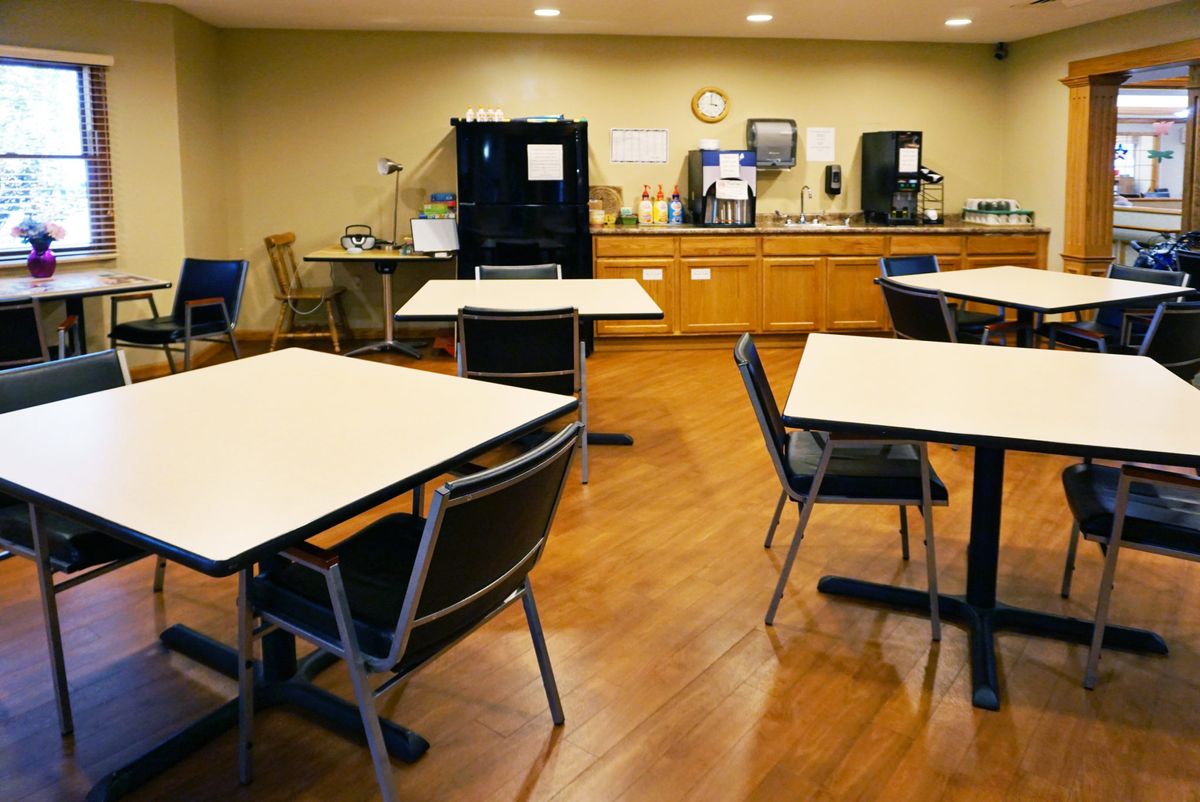
    An empty cafeteria with tables and chairs, featuring a small kitchen area in the background.
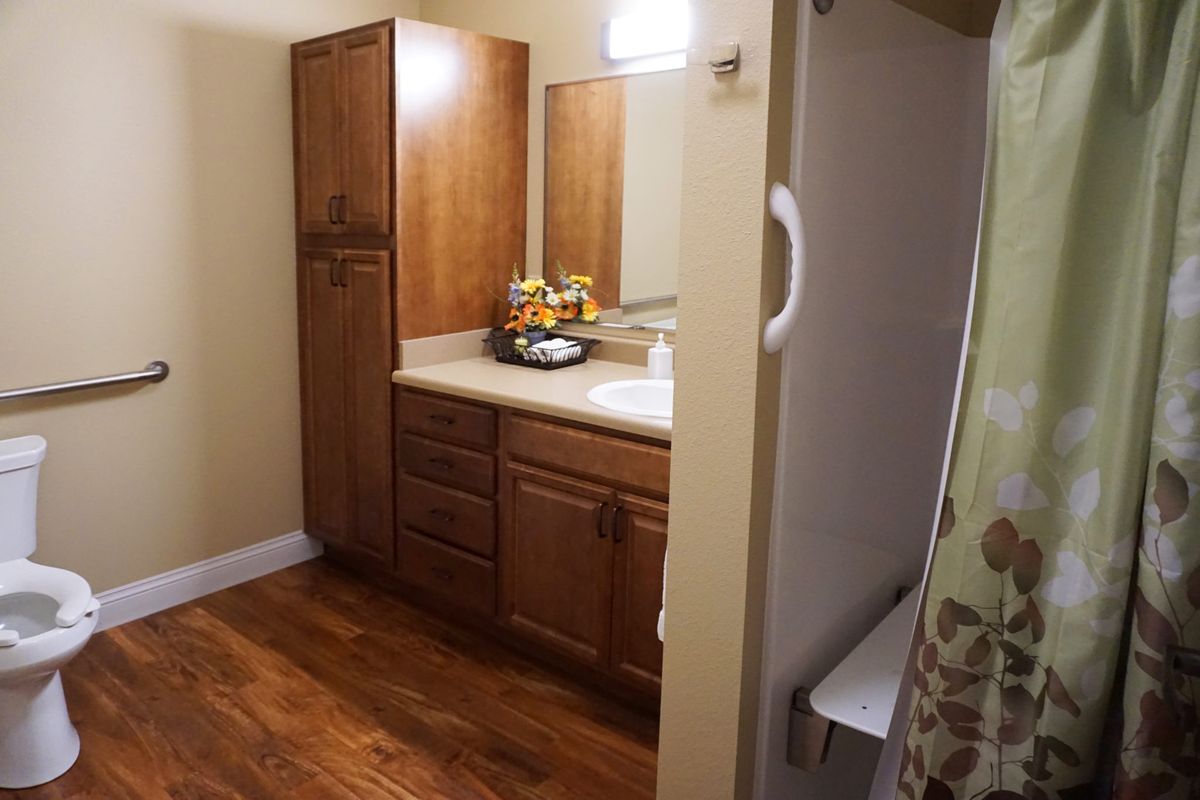
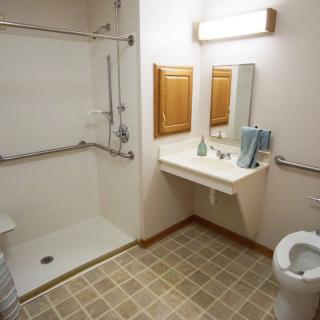
  • Bathroom

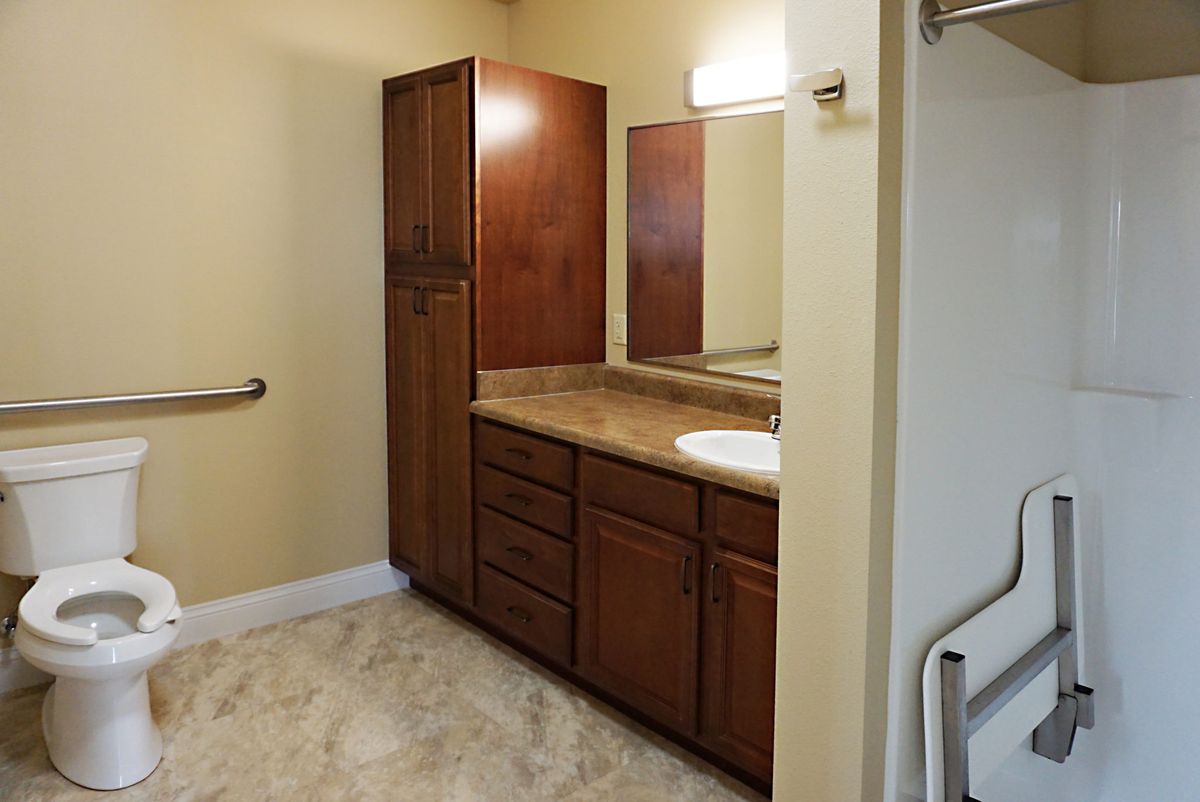
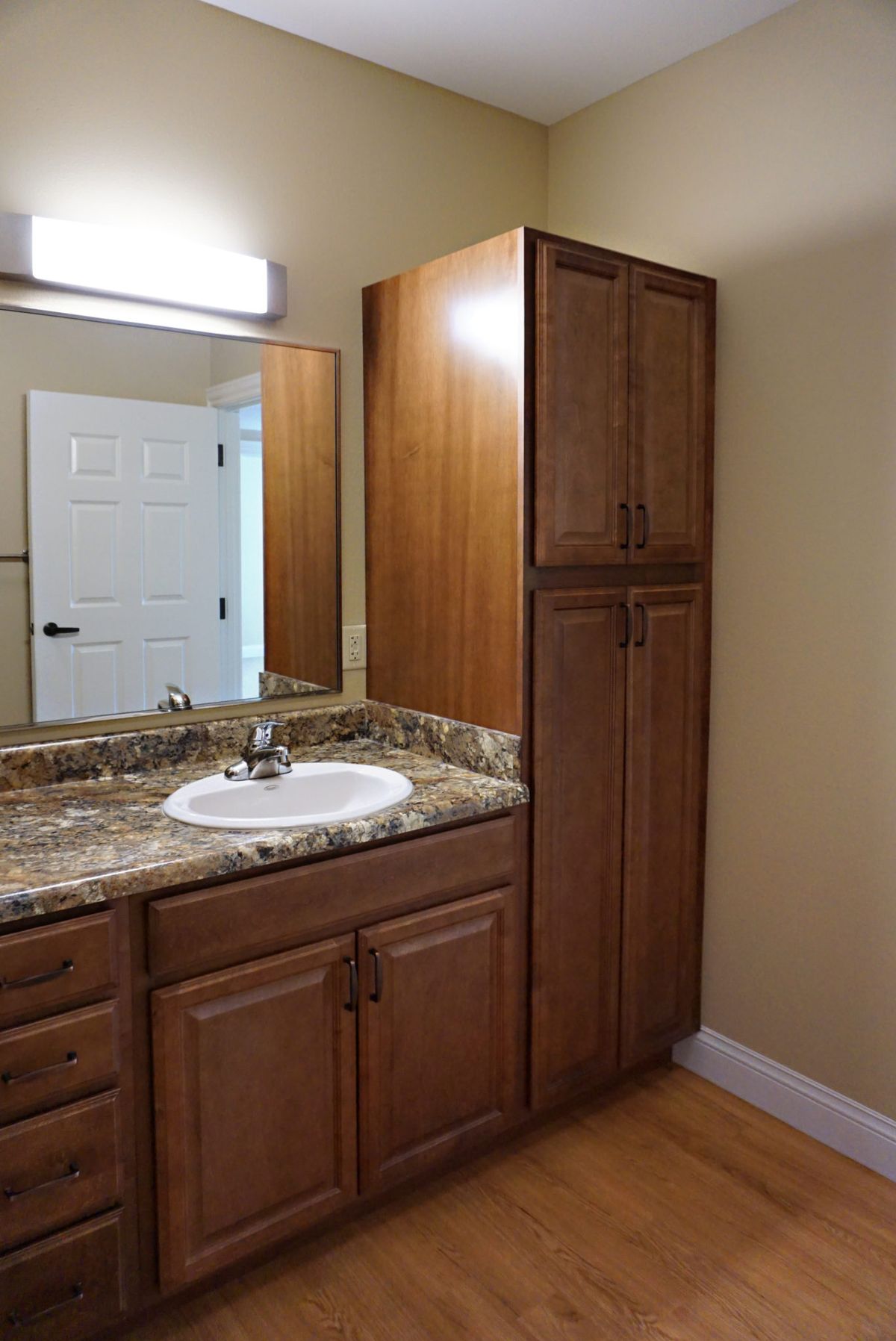
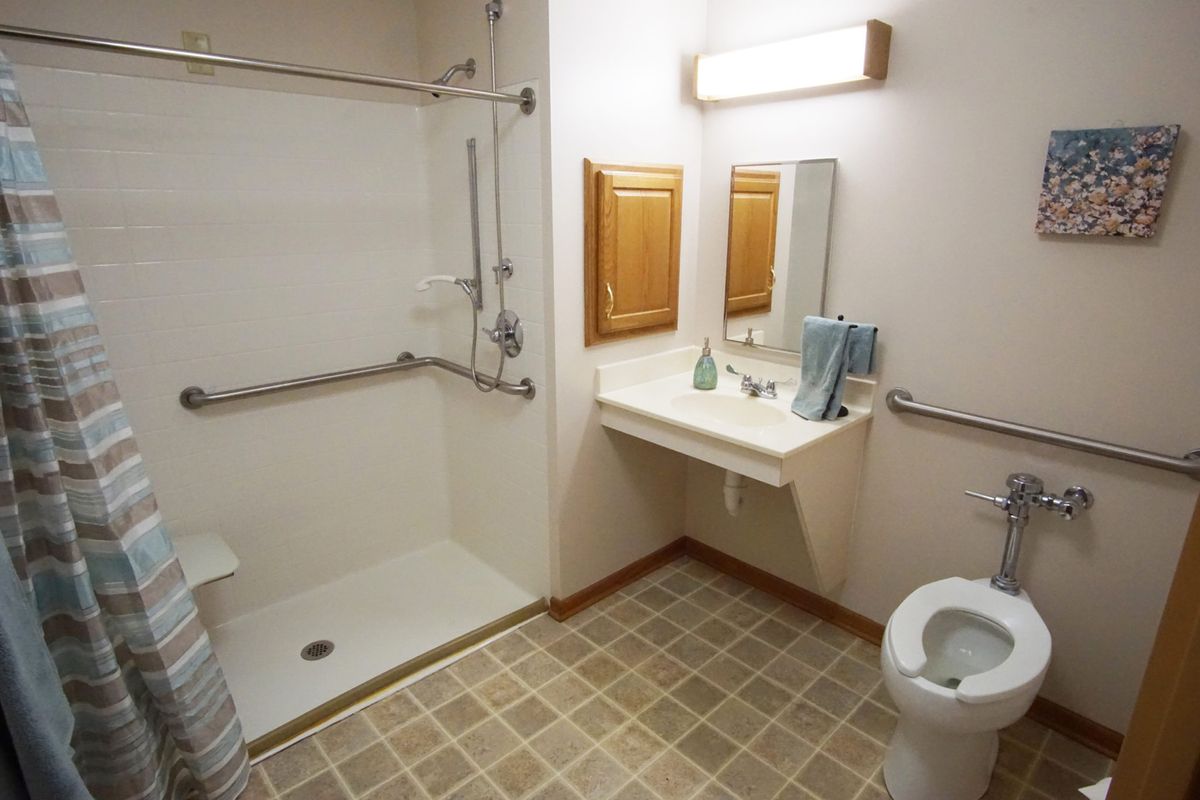
    A bathroom featuring a walk-in shower, sink with mirror, and toilet.
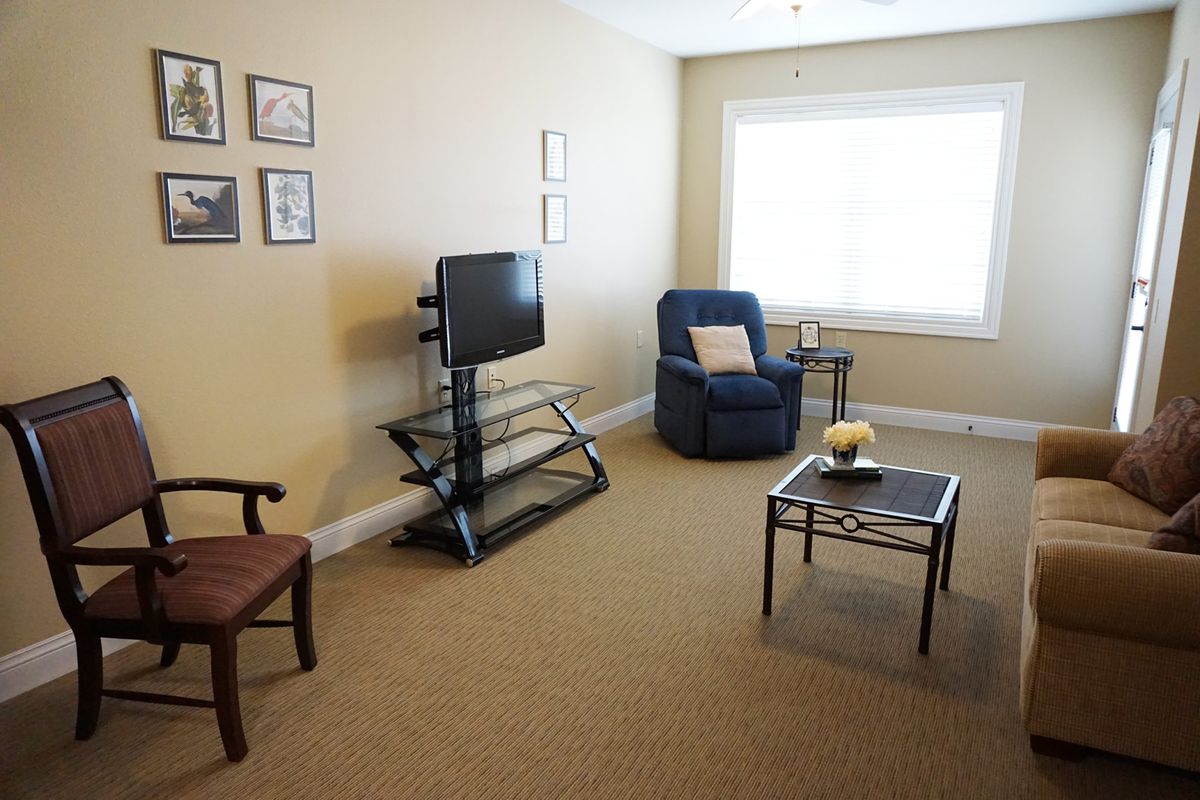
  • Television

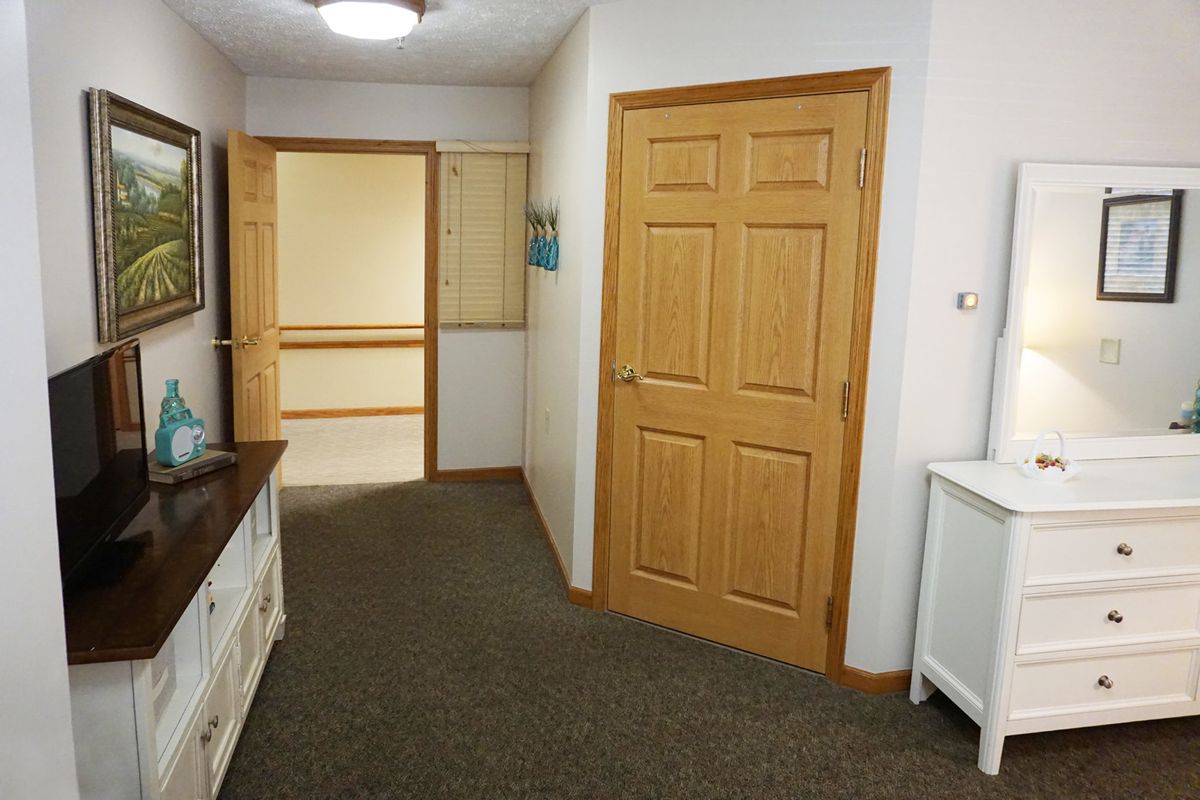
    A cozy living room with a TV, armchair, and decorative elements.
  • Natural Light

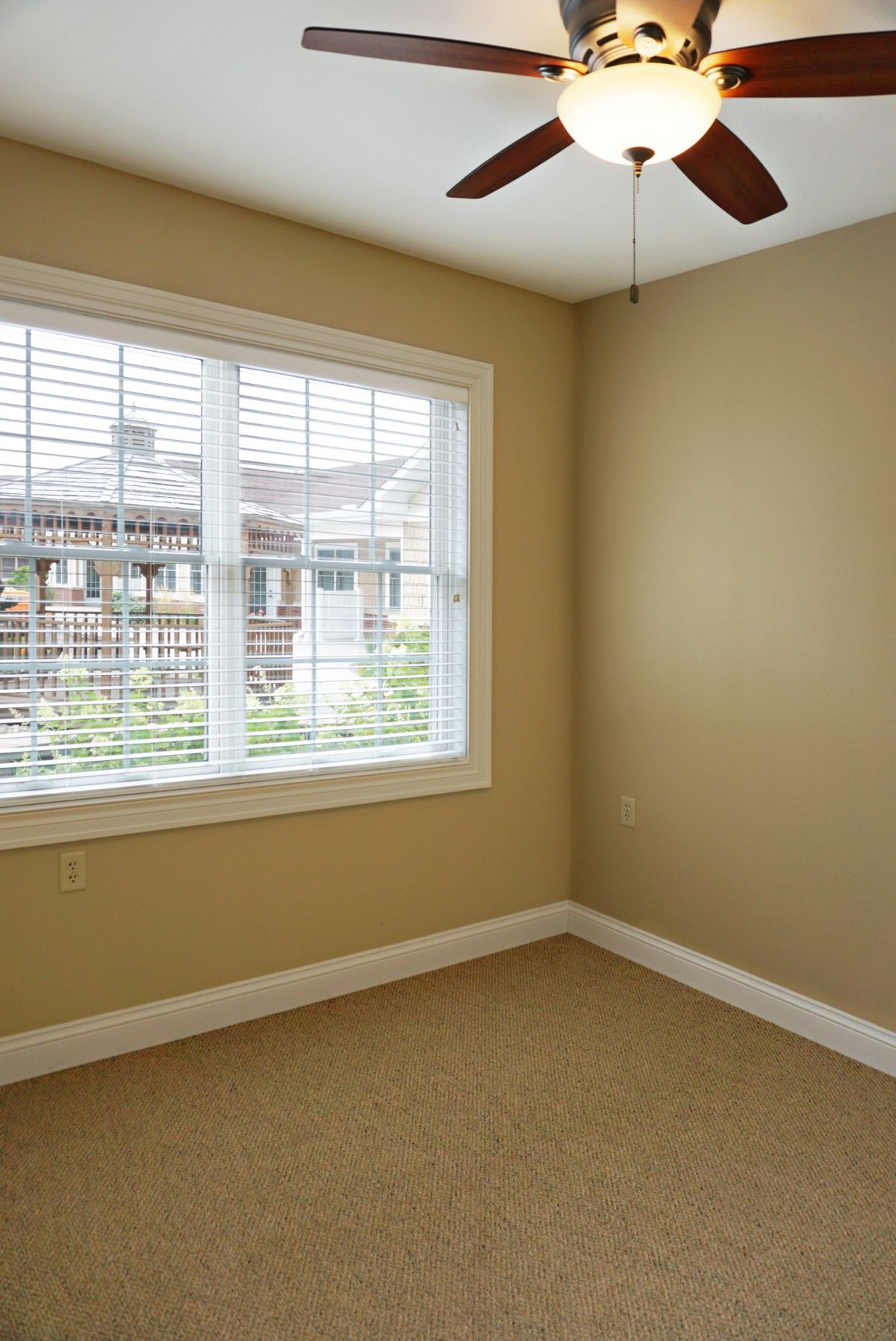
    A bright empty room with beige walls and a large window letting in natural light.

Snyder Village Assisted Living in Metamora, IL

1115 Harbers Lane, Metamora, IL 61548

For more information about senior living options: (844) 490-3973

3.9 from 18 reviews
5 stars
11
4 stars
2
3 stars
0
2 stars
3
1 stars
2

Assisted Living Memory Care

Overall Review of Snyder Village Assisted Living

Pros

  • pro The facility is beautiful and updated, giving a brand-new, homey feel.
  • pro The care provided to residents is top-notch.
  • pro The staff are kind, cheerful, and genuinely caring.
  • pro The administration and caregiving team are pleasant, thoughtful, and knowledgeable.
  • pro The caregivers have become like a second family to residents.
  • pro The dining room is pleasant, and meals are prepared with care.
  • pro The facility is clean, well-maintained, and continually improving.
  • pro The administration is first-rate, and families feel confident in the care.
  • pro Residents and families brag about the care, food, and activities.

Cons

  • pro The residents were kept in assisted living when they should have been in the skilled nursing part, indicating inadequate care placement.
  • pro The staff were not sufficient to provide the care the residents needed, taking time away from those who belonged in assisted living.
  • pro Management did not seem to understand the issues, and when concerns were raised, they were not taken seriously or were only band-aided.
  • pro The facility did not reflect a Christian community, making it unsuitable for a family member to live there.
  • pro There was a lack of communication from management and they did not care about residents' opinions.
  • pro There was a lack of respect for employees, with management saying one thing and doing another.
  • pro The memory care unit was not equipped to handle dementia-related challenges, and care planning and coordination with medical providers were minimal.
  • pro The staff were rude and belittling to staff and family members, with administrative staff acting disrespectfully in front of others.

Review

Snyder Village Assisted Living in Metamora is best suited for families seeking a seemingly solid, home-like environment where day-to-day care is dependable, the campus is clean and updated, and the leadership is widely described as attentive and responsive. It works well for residents who want to stay in a small- to mid-sized community where staff know the residents by name, meals are pleasant, and there is a clear path to higher levels of care on the same campus as needs evolve. It also appeals to those who prize ongoing campus upgrades, a well-kept facility, and the sense that administration is open to suggestions. For families prioritizing high-level memory care, a strongly faith-based community, or a transparent, consistently exemplary staff culture, alternatives should be explored more thoroughly.

Those evaluating Snyder Village should explicitly consider alternatives if dementia care is a primary requirement. Reviewers note the memory care unit is locked and that the facility is not fully equipped to handle the full range of dementia challenges, with limited care planning and coordination with medical providers. Several families express concern about inconsistent communication from leadership and perceived gaps in decision-making, especially around care planning and behavior management. For families seeking a program with a clearly Christian mission or a facility that champions faith as a central organizing principle, Snyder Village may not meet those expectations. Finally, if affordability is a constraint or if proximity to family for frequent visits is critical, these factors may push families to weigh other nearby options more heavily.

On the positive side, the community earns strong marks for the people who animate it. Multiple accounts highlight a warm, courteous staff that is broadly described as kind, knowledgeable, and reliable, with caregivers who remember residents' routines and preferences. The facility itself is repeatedly praised as clean, modern, and comfortable, with upgrades underway and a sense of freshness in the living spaces. Residents benefit from a dining room experience that feels more personal than institutional, plus a calendar of activities and social opportunities that help sustain independence while providing daily engagement. The campus also delivers practical strengths like on-site medication support, maintenance responsiveness, and a safety-conscious environment - features that matter when choosing between assisted living and higher levels of care.

However, significant cons temper those strengths. A recurring thread centers on management communication and respect, with several accounts describing dismissive attitudes toward family input or staff concerns and occasional tension among leadership and front-line workers. The feedback also highlights inconsistent care planning, especially for residents with complex needs or stepping toward skilled nursing, and reports of perceived understaffing or burnout that can color interactions in shared spaces. For families confronting memory- or behavior-related challenges, the impression is that dementia care requires more robust collaboration with medical partners and more comprehensive behavioral support than Snyder Village currently provides. There are also notes about cost and value judgments - some families find the price point competitive, while others feel affordability becomes a hurdle if ongoing care needs escalate.

That mix of strengths and weaknesses translates into a practical, decision-driven reality: the pros of warm staff, a well-maintained, up-to-date environment, solid daily care, and clear avenues to ramp up within the campus can substantially offset many routine needs in assisted living. When administration is responsive and open to improvement, families experience measurable peace of mind - the kind that comes from dependable daily routines, timely medication administration, and a community that feels like a second home. Yet the cons matter just as decisively. If dementia care intensity, transparent governance, and consistently respectful, proactive leadership are non-negotiables, Snyder Village may fall short, and the search should continue with other options that clearly prioritize memory care expertise, stronger family partnerships, and a faith context aligned with expectations.

For families weighing a choice now, the practical path is clear. Start with a candid visit focused on real-world routines: observe staff interactions during busy times, request to meet the memory care lead and the administrator, and ask to review the care planning process and weekly updates to families. Verify current rates, included services, and what it would take to transition smoothly to higher-care services on-site if needs change. If memory care will be central, compare with facilities known for integrated dementia programs and robust family collaboration. If faith alignment is essential, probe how the community expresses its values in daily life and programming. Snyder Village can be a strong fit for many, but for those whose criteria hinge on seamless memory support, unassailable governance, and a clearly Christian culture, it warrants careful comparison with alternatives before making a final commitment.

Features

Housing

  • 65 resident community capacity 65 resident community capacity

Types of Care

  • Assisted Living Assisted LivingAssisted living facilities provide crucial support and care for seniors who may need help with daily tasks such as medication management, bathing, and meal preparation. These communities offer a safe and comfortable environment where seniors can maintain their independence while receiving the assistance they need to thrive in their golden years.
  • Memory Care Memory CareMemory care is crucial for seniors as it provides specialized support and services for individuals with dementia or Alzheimer's disease. These programs offer a safe and secure environment where residents receive personalized care, cognitive stimulation, and help with daily activities. Memory care helps seniors maintain their independence, quality of life, and dignity while also providing peace of mind for their families.

Amenities

  • Air-conditioning Air-conditioningAir conditioning is important for seniors as they are more vulnerable to heat-related illnesses and may have underlying health conditions that make it difficult for them to regulate their body temperature. It helps to keep them comfortable, safe, and healthy in hot weather.
  • Beauty salon Beauty salonBeauty salons are important for seniors because they provide a space for them to feel pampered, socialize, and maintain their personal grooming and hygiene. Regular visits to a beauty salon can help boost seniors' self-esteem and overall well-being.
  • Cable or satellite TV Cable or satellite TVCable or satellite TV is important for seniors because it provides entertainment, news, and companionship, helping to combat loneliness and boredom. It also offers a wide range of programming options tailored to different interests and preferences.
  • Computer center Computer centerA computer center is essential for seniors as it provides access to technology, communication tools, and resources that can enhance their daily lives. It allows them to stay connected with loved ones, engage in online activities, and learn new skills, ultimately promoting socialization and mental stimulation.
  • Dining room Dining roomDining rooms are important for seniors as they provide a space for socialization, connection, and nutritious meals. They offer opportunities for residents to bond over shared meals, foster a sense of community, and promote healthy eating habits. Dining rooms also ensure that seniors have access to well-balanced meals tailored to their dietary needs and preferences.
  • Fitness room Fitness roomHaving a fitness room in a senior living community is essential for seniors to stay active, maintain their physical health, and improve their overall well-being. Regular exercise can help prevent falls, reduce the risk of chronic diseases, and promote mental sharpness. It also provides social opportunities for residents to connect with others and enjoy a sense of community.
  • Fully furnished Fully furnishedFully furnished senior living communities are important for seniors because they provide convenience, comfort, and a hassle-free moving experience. Seniors can easily settle into their new living space without the stress of having to buy and move furniture. This allows them to focus on enjoying their new home and community.
  • Gaming room Gaming roomGaming rooms are important for seniors as they provide a fun and engaging environment for socializing, cognitive stimulation, and physical activity. Games can improve memory, problem-solving skills, and overall mental well-being while fostering friendships and reducing feelings of isolation.
  • Garden GardenGardens are important for seniors as they provide a peaceful and therapeutic environment for relaxation, physical activity, and socialization. Being in nature has been shown to reduce stress, improve mood, and promote overall well-being. Gardens also offer opportunities for seniors to engage in gardening activities, which can improve mobility, flexibility, and cognitive function. Additionally, gardens create a sense of community and connection with others who share a passion for plants and outdoor spaces.
  • Housekeeping services Housekeeping servicesHousekeeping services are important for seniors because they help maintain a clean and safe living environment, promote independence, and reduce the risk of accidents or illnesses. Additionally, having assistance with household chores can alleviate physical strain and allow seniors to focus on other aspects of their well-being.
  • Kitchenette KitchenetteKitchenettes are important for seniors living in senior living communities because they provide the convenience and independence of being able to prepare simple meals and snacks in the comfort of their own living space. This can help promote a sense of autonomy and well-being for seniors, allowing them to maintain some level of control over their dietary choices and daily routines.
  • Move-in coordination Move-in coordinationMove-in coordination is important for seniors because it helps ease the transition into their new living environment. It ensures that all logistics, such as packing, organizing movers, and setting up utilities are taken care of, allowing seniors to focus on settling in and adjusting to their new home. Having a smooth move-in process can alleviate stress and anxiety, making the transition smoother and more enjoyable for seniors.
  • Outdoor space Outdoor spaceOutdoor spaces are important for seniors as they provide opportunities for physical activity, social interaction, exposure to natural light and fresh air, and a sense of connection to nature. Having access to outdoor spaces can improve overall well-being and quality of life for older adults living in senior communities.
  • Private bathrooms Private bathroomsPrivate bathrooms are important for seniors in senior living communities because they provide independence, dignity, and comfort. Having a private bathroom allows seniors to maintain their personal hygiene routines without the need for assistance, promoting a sense of autonomy and privacy. Additionally, private bathrooms help prevent the spread of infections and provide a safe and clean environment for seniors to navigate safely.
  • Restaurant-style dining Restaurant-style diningRestaurant-style dining is important for seniors because it allows them to enjoy delicious, nutritious meals in a social and upscale setting. This enhances their dining experience, promotes healthy eating habits, and fosters socialization with fellow residents, ultimately contributing to their overall well-being and quality of life.
  • Small library Small librarySmall libraries are important for seniors as they provide access to a variety of reading materials, including books, newspapers, and magazines. This can help stimulate their minds, keep them engaged, and provide a sense of community through book clubs and other social activities. Additionally, reading has been shown to improve cognitive function and overall mental well-being in older adults.
  • Telephone TelephoneTelephones are important for seniors as they provide a lifeline for communication with loved ones, emergency services, and healthcare providers. They offer a sense of security and independence, enabling seniors to stay connected and access assistance when needed.
  • Wellness center Wellness centerWellness centers are important for seniors because they offer a variety of programs and services that promote physical, mental, and emotional well-being. These centers provide opportunities for exercise, socialization, education, and relaxation, helping seniors maintain their overall health and quality of life.
  • Wi-Fi/high-speed internet available Wi-Fi/high-speed internet availableWi-Fi/high-speed internet is important for seniors to stay connected with loved ones, access online resources, and participate in virtual activities to combat feelings of loneliness and isolation. It also allows them to easily manage healthcare needs, access entertainment, and engage in lifelong learning opportunities.

Transportation

  • Greater Peoria Regional (20 miles away) Greater Peoria Regional (20 miles away)
  • Community operated transportation Community operated transportationCommunity operated transportation is crucial for seniors as it provides them with the means to access essential services, social activities, and medical appointments. It allows seniors to maintain their independence and quality of life by ensuring they can participate in activities outside of their homes. Additionally, community-operated transportation services offer a safe and reliable way for seniors to travel without having to rely on family or friends for assistance.
  • Transportation arrangement Transportation arrangementTransportation arrangements are crucial for seniors as they may face challenges with driving, mobility, or access to public transportation. Having reliable transportation services ensures that seniors can easily attend appointments, social activities, and maintain their independence and quality of life.

Care Services

  • 24-hour call system 24-hour call system24-hour call systems are important for seniors because they provide peace of mind and immediate assistance in case of emergencies. This technology ensures that help is always available, promoting safety and security for elderly individuals living alone or in assisted living facilities.
  • 24-hour supervision 24-hour supervision24-hour supervision is important for seniors to ensure their safety, well-being, and access to immediate assistance in case of emergencies or health issues. This constant support provides peace of mind for both seniors and their loved ones, allowing them to age in place with dignity and security.
  • Activities of daily living assistance Activities of daily living assistanceActivities of daily living assistance are important for seniors because they provide essential support with tasks such as eating, bathing, dressing, and mobility. This assistance helps seniors maintain their independence, dignity, and overall quality of life as they age.
  • Assistance with bathing Assistance with bathingAssistance with bathing is crucial for seniors as it helps maintain personal hygiene, prevents infections, and ensures their overall well-being and comfort. It also provides a sense of dignity and independence for seniors who may struggle with this task on their own.
  • Assistance with dressing Assistance with dressingAssistance with dressing is important for seniors because it helps maintain their independence, promotes personal hygiene, prevents accidents and injuries, and improves overall quality of life. This service ensures that seniors can continue to dress comfortably and confidently, despite any physical limitations they may have.
  • Assistance with transfers Assistance with transfersAssistance with transfers is crucial for seniors as it helps prevent falls and injuries, maintains their independence, and ensures they can safely navigate their living environment. It also provides peace of mind for both seniors and their loved ones.
  • Diabetes diet Diabetes dietA diabetes diet is crucial for seniors as it helps manage blood sugar levels, reduce risks of complications, and improve overall health and well-being. By following a balanced and nutritious diet tailored to their specific needs, seniors can better control their diabetes and enhance their quality of life.
  • Meal preparation and service Meal preparation and serviceMeal preparation and service are crucial for seniors as they may have limited mobility or energy to cook nutritious meals. Having access to healthy and convenient food options can ensure they are getting the proper nutrition needed to maintain their overall health and well-being.
  • Medication management Medication managementMedication management is crucial for seniors to ensure they are taking the right medications at the correct dosages and times. This helps prevent adverse drug interactions, reduces the risk of medication errors, and promotes overall health and well-being. Proactive management also allows for adjustments as needed based on changing health conditions or new prescriptions.
  • Mental wellness program Mental wellness programMental wellness programs are essential for seniors as they promote cognitive stimulation, emotional support, and social engagement. These programs help prevent isolation, depression, and cognitive decline, ultimately enhancing the overall quality of life for older adults.
  • Mild cognitive impairment Mild cognitive impairment"Mild cognitive impairment" is important for seniors because it is an early stage of cognitive decline that can potentially progress to more severe conditions such as dementia. Recognizing and addressing mild cognitive impairment can help seniors receive appropriate care and support to maintain their quality of life and independence for as long as possible.
  • Special dietary restrictions Special dietary restrictionsSpecial dietary restrictions are important for seniors because age-related changes in metabolism and health conditions can make it difficult for their bodies to process certain foods. By following a diet tailored to their specific needs, seniors can maintain their overall health and well-being, manage chronic conditions, and reduce the risk of complications such as malnutrition or food interactions with medications.
  • Specialized memory care programming Specialized memory care programmingSpecialized memory care programming is crucial for seniors with cognitive impairments such as dementia or Alzheimer's disease. These programs provide a safe and supportive environment tailored to the unique needs of individuals with memory loss, helping them maintain their independence, dignity, and quality of life.

Dining

  • Diabetes diet Diabetes dietA diabetes diet is crucial for seniors as it helps manage blood sugar levels, reduce risks of complications, and improve overall health and well-being. By following a balanced and nutritious diet tailored to their specific needs, seniors can better control their diabetes and enhance their quality of life.
  • Special dietary restrictions Special dietary restrictionsSpecial dietary restrictions are important for seniors because age-related changes in metabolism and health conditions can make it difficult for their bodies to process certain foods. By following a diet tailored to their specific needs, seniors can maintain their overall health and well-being, manage chronic conditions, and reduce the risk of complications such as malnutrition or food interactions with medications.

Activities

  • Community-sponsored activities Community-sponsored activitiesCommunity-sponsored activities are important for seniors as they provide opportunities for social interaction, mental stimulation, and physical activity. These activities can help improve overall well-being, combat loneliness and isolation, and promote a sense of belonging and purpose among older adults.
  • Concierge services Concierge servicesConcierge services are essential for seniors as they provide assistance with daily tasks and errands, enhance their quality of life by offering convenience and personalized care, and promote a sense of safety and security.
  • Fitness programs Fitness programsFitness programs are crucial for seniors as they help improve strength, flexibility, balance, and overall well-being. Staying active can reduce the risk of chronic diseases, improve mental health, and enhance quality of life in older adults.
  • Planned day trips Planned day tripsPlanned day trips are important for seniors because they offer opportunities for socialization, mental stimulation, and physical activity. They provide a change of scenery and help seniors stay engaged and connected to their community, promoting overall well-being and quality of life.
  • Resident-run activities Resident-run activitiesResident-run activities are important for seniors as they encourage social interaction, creativity, and a sense of autonomy. These activities empower seniors to stay engaged and active in their community while fostering meaningful connections with their peers.
  • Scheduled daily activities Scheduled daily activitiesScheduled daily activities are important for seniors because they provide structure, socialization, mental stimulation, and physical activity. Engaging in regular activities can improve overall well-being and quality of life for seniors living in a community setting.

Description

Snyder Village Assisted Living in Metamora, IL is a senior living community that specializes in providing Memory Care services. Our dedicated staff is available around the clock to provide 24-hour supervision and assist residents with activities of daily living such as bathing, dressing, and transfers. We also offer medication management and have a mental wellness program to cater to the specific needs of individuals with mild cognitive impairment.

Our community boasts a wide range of amenities designed to enhance the overall well-being of our residents. These include a beauty salon, where residents can enjoy pampering services, and a fully furnished dining room where they can savor delicious meals prepared by our skilled staff. In addition, we offer restaurant-style dining and special dietary restrictions are taken into consideration.

At Snyder Village Assisted Living, we understand the importance of staying physically active and engaged. That's why we provide a fitness room equipped with exercise equipment and offer fitness programs for residents to participate in. We also organize planned day trips and scheduled daily activities to keep residents entertained and mentally stimulated.

Our community places great emphasis on creating a warm and inviting atmosphere for our residents. We have an outdoor space for residents to relax and enjoy nature, as well as a small library for those who enjoy reading. For those who wish to stay connected with loved ones or browse the internet, we provide Wi-Fi/high-speed internet access.

Getting around is made convenient with our community-operated transportation service and transportation arrangements can be made for appointments or outings. In terms of nearby amenities, there are two pharmacies, three physicians' offices, one restaurant, and one place of worship within close proximity.

Snyder Village Assisted Living is committed to providing exceptional care tailored to each resident's unique needs in a comfortable and supportive environment. Contact us today to learn more about our memory care services and how we can help you or your loved one thrive in this stage of life.

Nearby Places of Interest

Pharmacies

  • Metamora Pharmacy (0.8 miles)
  • CVS Pharmacy (0.8 miles)
  • CVS Pharmacy (6.3 miles)
  • Metamora Pharmacy (6.9 miles)
  • Walgreens (7.4 miles)
  • CVS Pharmacy (7.4 miles)
  • CVS Pharmacy (10.7 miles)

Physicians

  • IPMR Institute of Physical Medicine and Rehabilitation (1.2 miles)
  • Dr Lindstrom (1.3 miles)
  • Metamora Methodist Medical Group (1.3 miles)
  • Joel Nilles MD - Advocate Medical Group (6.5 miles)
  • Total Lactation Care (7 miles)
  • OSF Saint Clare Family Health Center (7.3 miles)
  • Washington Pediatrics (7.3 miles)

Restaurants

  • McDonald's (1.3 miles)
  • Chanticleer (5.8 miles)
  • Germantown Grille (6.8 miles)
  • The Outpost (7.2 miles)
  • Hardee's (7.4 miles)
  • KFC (7.4 miles)
  • Cornerstone Family Restaurant (7.5 miles)

Places of Worship

  • Church of Christ (1.8 miles)
  • Apostolic Christian Church (6.3 miles)
  • Roanoke Mennonite Church (6.4 miles)
  • Crosspoint Community Church (7.5 miles)
  • Washburn United Methodist Church (9.3 miles)
  • Chillicothe Christian Church (10.9 miles)
  • Fumps (11.3 miles)

Hospitals

  • Advocate Eureka Hospital (6.5 miles)
  • UnityPoint Health - Proctor (13.1 miles)
  • Proctor Hospital (13.3 miles)
  • Orland Park Dental Program (13.3 miles)

Transportation

  • U-Haul Neighborhood Dealer (6.8 miles)

Parks

  • Eureka Lake (7.5 miles)
  • Roanoke Park Building (7.5 miles)
  • Bowen Lake Park (7.6 miles)
  • Cutright Park (10.8 miles)
  • Santa Fe Park (11.7 miles)
  • Hickory Grove Park (13.5 miles)

Cafes

  • Chillicoffee (11.2 miles)

Frequently Asked Questions

Where is Snyder Village Assisted Living?
Does Snyder Village Assisted Living provide care for residents with dementia or Alzheimer's disease?
What photos are available for Snyder Village Assisted Living in Metamora, Illinois?

Nearby Communities

  • Snyder Village a CCRC

    Snyder Village a CCRC

    Metamora, IL

    4.5 from 73 reviews
    $549 to $3,275 / month

    pro Caring staff in a clean, welcoming community with move-in support and daily activities.

  • Loft Rehabilitation & Nursing

    Loft Rehabilitation & Nursing

    Eureka, IL

    3.9 from 38 reviews
     

    pro Clean, well-maintained cottages with private garages and regular staff rounds.

  • Select Post Acute Care

    Select Post Acute Care

    Eureka, IL

    1 from 2 reviews
     

    pro Nursing staff show strong potential for excellent resident care when supported and empowered.

  • Apostolic Christian Home Of Eureka

    Apostolic Christian Home Of Eureka

    Eureka, IL

    4.8 from 21 reviews
     

    pro Warm, home-like setting with attentive staff and engaging activities.

  • Apostolic Christian Home

    Apostolic Christian Home

    Eureka, IL


    pro Offers both independent living and skilled nursing with diabetic care.

  • Washington Christian Village

    Washington Christian Village

    Washington, IL


    pro Extensive on-site amenities and activities (dining, salon, fitness, library, transportation).

  • Villas of Holly Brook East Peoria

    Villas of Holly Brook East Peoria

    East Peoria, IL

    4.3 from 6 reviews
     

    pro Specialized memory-care programming with 24/7 staff support.

  • Evergreen Place and The Legacy Memory Care

    Evergreen Place and The Legacy Memory Care

    Chillicothe, IL

    4.5 from 26 reviews
    $3,850 to $5,610 / month

    pro Compassionate staff with good family communication and engaging activities.

  • Lutheran Hillside Village

    Lutheran Hillside Village

    Peoria, IL

    4.4 from 104 reviews
     

    pro Caring staff; clean, spacious facility with engaging activities and dining.

Assisted Living in Nearby Cities

Related Resources

  • assisted living waiver programA Detailed Exploration of Assisted Living Medicaid Waivers Across the United States

    Medicaid waivers for assisted living services provide vital support for seniors and individuals with disabilities in need of long-term care, with varying state-specific eligibility criteria and benefits. These waivers cover personal care and case management but often do not fully cover room and board, leading to waiting lists for many applicants.

  • assisted living vs skilled nursingExploring the Contrasts Between Assisted Living and Skilled Nursing

    The article compares assisted living and skilled nursing facilities, detailing their differing levels of assistance, medical support, cost structures, and day-to-day experiences. It emphasizes that assisted living is for those needing help with daily activities while maintaining independence, whereas skilled nursing facilities provide intensive medical care with 24-hour staff supervision.

  • active senior livingVibrant Senior Living: A Comprehensive Guide for Active Older Adults
    Vibrant Senior Living emphasizes active senior living communities that promote independence and engagement through diverse amenities and activities, fostering wellness and social interaction among older adults. These communities range from independent to assisted living, with a focus on personal growth, family involvement, financial planning, and leveraging technology to enhance residents' experiences.