
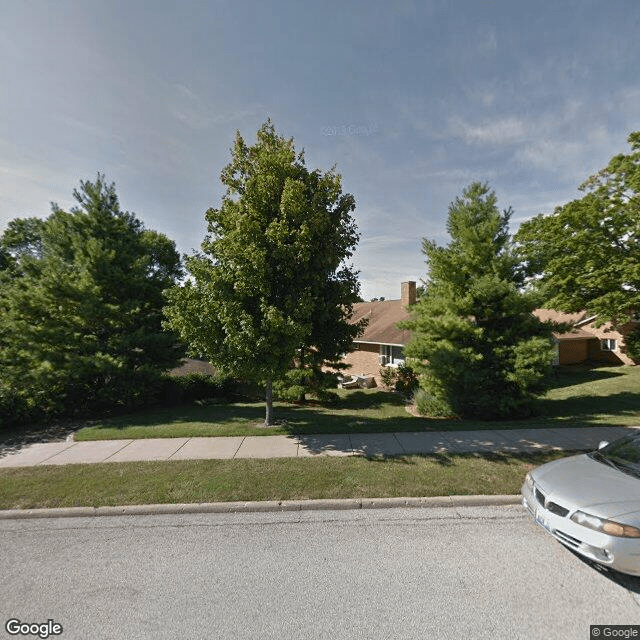
610 Cruger Ave, Eureka, IL 61530
To contact a resident: (309) 467-2311
For more information about senior living options: (866) 208-4318

Overall Review of Apostolic Christian Home
Pros
 The facility is excellent.
- The staff are kind and friendly.
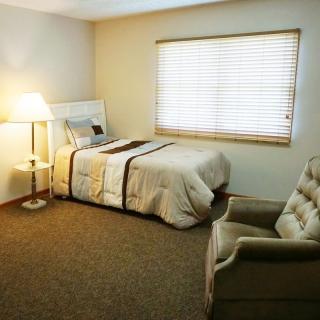
- The facility is very clean.
- The meals are excellent and there are many activities for residents.
- The environment is caring, Christian, and healthy.
- Families have trusted the Apostolic Home for decades and are very happy with the care.
- The staff's love for residents shows through the quality of care.
Cons
 Her great grandma was clearly neglected and did not receive regular cleaning or bathing.
- They would not recommend this place to anyone and would not want to be placed there.
Review
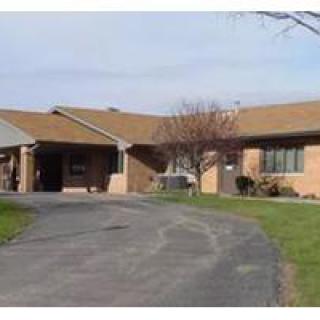
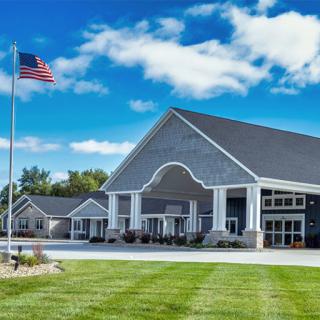
Apostolic Christian Home in Eureka, IL is best suited for families seeking a skilled-nursing or rehabilitative environment where care is delivered within a warm, faith-forward community. It shines for residents who require ongoing assistance and medical oversight but still want daily life to feel like a connected, home-like routine rather than a sterile hospital experience. The setting emphasizes kindness, personal attention, and a sustained sense of belonging, undergirded by a Christian atmosphere that residents and families repeatedly describe as comforting and genuine. For this profile, the home’s longevity of staff and its neighborhood feel offer real, practical advantages that translate into dependable daily care and consistent routines.
Those weighing alternatives should note that not every family will prioritize a faith-based milieu or a facility that foregrounds caregiving as a pastoral, everyday value. If the goal is a more secular environment, or if a resident’s needs skew toward highly specialized medical interventions, more independent living with fewer structured activities, or a different cultural or religious setting, exploring other options is prudent. There is also a cautionary thread in the history: a lone, highly negative review exists alongside an overwhelming majority of praise. While outliers do not define the reality, they warrant careful, independent vetting about staffing patterns, supervision, and quality control before making a commitment.
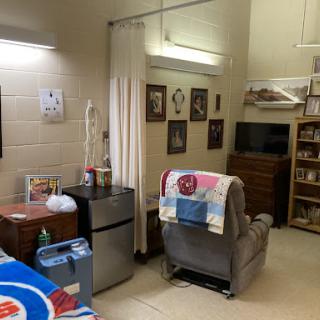
The strongest advantages are the staff and the culture they cultivate. Reviewers consistently describe the team as kind, attentive, and personal in interaction, with care that feels both professional and compassionate. Cleanliness is repeatedly highlighted, along with a homey atmosphere that reduces the clinical sting often associated with nursing centers. The meals receive frequent praise, described as excellent, coupled with a robust slate of activities that keep residents engaged throughout the day. Crucially, the setting supports a Christian, family-like environment where residents are treated with dignity, and families feel welcome to participate in meals and visits, reinforcing the sense of a true community rather than impersonal care.
The reviews also underscore the consistency of care, thanks to long-tenured staff and ongoing relationships with residents and their families. This continuity matters: it translates into better communication, fewer miscommunications, and a familiarity that can ease difficult transitions for aging loved ones. The combination of a pleasant front-room gathering area, outdoor courtyards, and routine activities creates a feedback loop of well-being, residents look forward to each day, families gain reassurance from observed stability, and staff are enabled to tune care to individual rhythms. In practical terms, the pros, cleanliness, meals, activities, and a supportive, faith-centered culture, often offset concerns about the need for ongoing supervision and medical oversight, delivering a coherent, livable daily experience.
One significant caveat emerges from a single outlier review that describes neglect, a reminder that any care setting can falter. While such reports are not reflective of the typical experience here, they must shape the due diligence process. Prospective families should probe staffing ratios during peak hours, request direct observations of routine care, and seek candid conversations with current residents and family members. It is also wise to verify how the community handles fall-prevention, hygiene, and personal care schedules to ensure that the overall culture of attentiveness remains consistent across shifts and days. In short, the positive hallmarks do offset many concerns, but transparency about operations and ongoing quality checks remains essential.
For decision-makers who prize a firm sense of community, staff reliability, and a nurturing, spiritually supportive environment, Apostolic Christian Home stands out as a compelling option. The balance of high-quality care, home-like atmosphere, and active resident life creates a practical, dependable living environment for those stepping into extended care or rehabilitation. Families should move forward with concrete steps: schedule in-person visits, audit the activity calendar, sample the dining experience, and speak with multiple staff members about daily routines and emergency protocols. If these attributes align with the resident’s needs and values, this community warrants strong consideration; if secular or ultra-specialized medical requirements predominate, or if independence is the overriding priority, alternatives deserve side-by-side comparison to secure the best fit.
 Assisted Living
 Independent Living
 Skilled Nursing Facility
 Activities on-site
 Devotional services off-site
 Indoor common areas
 Greater Peoria Regional (22 miles away)
 Ambulatory care
 Diabetic care
 Meals provided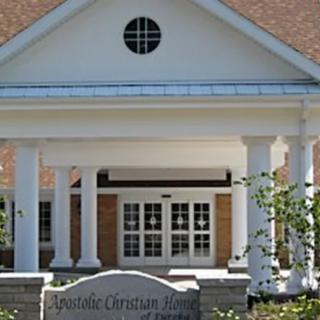



 An Extensive Exploration of the VA Aid and Attendance Benefit
 Senior Transition Services: Understanding Their Role, Cost, and Importance
 Exploring the Path to Senior Living: A Comprehensive Look at Independent Living and Assisted Living