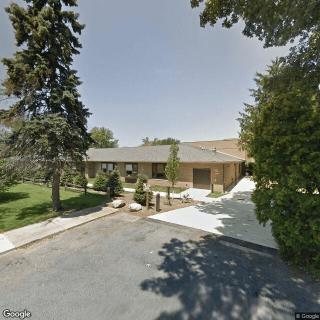
1000 Centennial Drive, East Peoria, IL 61611
For more information about senior living options: (866) 208-4318
Overall Review of Villas of Holly Brook East Peoria
Pros
 Bobby gave a great tour of the facility.
- The apartments are very roomy and each has its own patio.
- Residents seem happy and friendly.
- The facility is bright and pleasant with great food and activities.
- Management is responsive and effective at addressing issues.
- The staff are amazing—patient, kind, and caring; nurses and CNAs are reliable.
Cons
 There are issues that need to be worked out.
Review
This community is best suited for active seniors who want generous, apartment-style living with private outdoor space, a bright and welcoming atmosphere, and a team that is genuinely attentive to daily needs. It works well for residents who value spacious layouts, meaningful social programming, reliable nursing support, and consistent administration that shows up to address questions and concerns. Families considering this option should expect a well-rounded package: comfortable homes, accessible activities, and staff who are patient and responsive. Those who primarily need extensive medical oversight around the clock or who operate on a tighter budget may want to explore alternatives.
The strong points center on living space and daily livability. The apartments are described as roomy, comfortable, and particularly appealing because each unit includes its own patio, a feature that translates into a sense of independence within a safe community. Residents appear happy and engaged, and the overall atmosphere is noted as bright and pleasant. The dining experience and calendar of activities receive frequent praise, reinforcing the sense that everyday life is enjoyable and purposeful. That combination, comfortable quarters plus a robust social and nutritional program, creates a strong foundation for quality of life, especially for those who want to stay socially active without sacrificing convenience.
Staff quality stands out as a defining advantage. Reviewers repeatedly highlight the kindness, patience, and accessibility of both front-line caregivers and administration. The nurse and CNAs are described as responsive and reliable, and the administration earns trust by being approachable and willing to address questions and concerns. The consistency and warmth of the staff contribute directly to residents’ confidence and peace of mind. This isn’t superficial care; it reflects a genuine commitment to going above and beyond for residents, a crucial factor for families who need assurance that care needs will be met with empathy and competence.
Nonetheless, the campus is not without its ongoing growing pains. One long-term resident concedes that, like any facility of this type, there are issues to work out, implying that problems can arise in daily operations. The important nuance is that management is perceived as proactive and helpful in resolving these challenges. The combination of strong staffing, responsive leadership, and a willingness to address concerns mitigates the impact of operational hiccups. For families, this means that while problems may occur, they are not hidden; they are engaged with promptly and constructively, reducing the risk of unresolved gaps in care.
The pros, exceptional staff, engaging programming, nutritious dining, and roomy, private living spaces, offset most of the potential downsides, but not universally. The fear for some is that an active, family-friendly environment can occasionally mask inconsistencies in process, maintenance, or communication that require attention. Yet the consistently positive reputations of the caregiving team and administration provide a reassuring counterbalance. When care teams are described as reliable and willing to go the extra mile, it becomes clear that everyday life in this community often centers on choice, companionship, and dependable support rather than on institutional rigidity or stagnation.
For families weighing options, this community should be viewed as a strong fit for those who want a lively, supportive setting with abundant creature comforts: spacious private apartments, patios, engaging activities, and a caregiving team that earns trust through reliability and kindness. Alternatives may be more appropriate for those needing higher-level medical management, especially around-the-clock skilled nursing or memory care, or for households prioritizing a tighter budget without compromising essential safety and oversight. Prospective residents should tour with a practical checklist: verify apartment layouts, sample the dining options, inquire about care coordination, and connect with current residents about the consistency of daily operations. This approach will determine whether the warmth and responsiveness on display translate into the steady, predictable routine essential for long-term peace of mind.
 74 resident community capacity
 Assisted Living
 Memory Care
 Air-conditioning
 Beauty salon
 Cable or satellite TV
 Computer center
 Dining room
 Fitness room
 Fully furnished
 Gaming room
 Garden
 Housekeeping services
 Kitchenette
 Move-in coordination
 Outdoor space
 Private bathrooms
 Restaurant-style dining
 Small library
 Telephone
 Wellness center
 Wi-Fi/high-speed internet available
 Greater Peoria Regional (10 miles away)
 Community operated transportation
 12-16 hour nursing
 24-hour call system
 Activities of daily living assistance
 Assistance with bathing
 Assistance with dressing
 Assistance with transfers
 Diabetes diet
 Hospice waiver
 Medication management
 Mental wellness program
 Special dietary restrictions
 Transportation arrangement (medical)
 Concierge services
 Planned day trips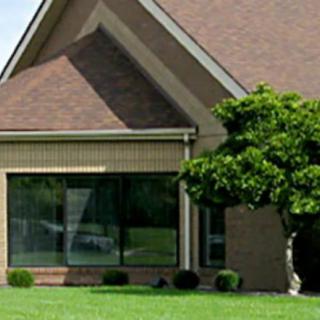




 Engaging Memory Care Activities That Enhance Quality of Life
 When to Transition from Assisted Living to Memory Care: Key Indicators, Steps, and Finding the Right Community
 Understanding the Distinctions: Assisted Living and Memory Care Explained