Bria Of Cahokia

Save
Bria Of Cahokia

Bria Of Cahokia

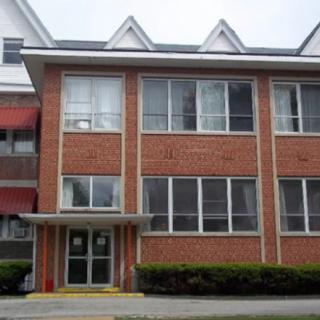
3354 Jerome Lane, Cahokia, IL 62206

For more information about senior living options: (844) 490-3973

2.1 from 38 reviews
5 stars
9
4 stars
1
3 stars
0
2 stars
1
1 stars
27

Skilled Nursing Facility

Overall Review of Bria Of Cahokia

Pros

  • pro The staff at Bria Nursing Home are kind, compassionate, and highly trained.
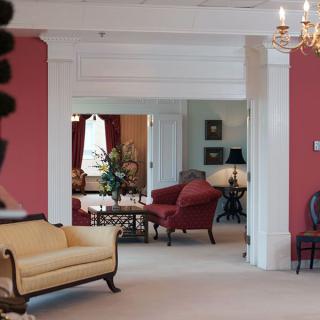
  • pro The facility is clean, modern, and comfortable.
  • pro Activities and programming are engaging and varied.
  • pro Bria's therapy team is loved by residents.
  • pro The Cahokia location's nursing staff are attentive to residents' needs.
  • pro Bria of Cahokia is a wonderful facility with a home-like atmosphere, where staff truly care and go above and beyond.
  • pro Reviewers report positive experiences across BRIA facilities.

Cons

  • pro The facility smells really bad and residents aren't being cleaned regularly.
  • pro Housekeeping isn't removing trash in a timely manner.
  • pro Room windows have spiderwebs, nets, and flies in the window seals.
  • pro The staff are disrespectful in how they house and care for residents.
  • pro Hallways are hazardous, with bodily fluids dripping through them.
  • pro Getting in touch with staff is difficult and callbacks are not timely.
  • pro It requires driving almost an hour just to speak with someone about a family member.
  • pro Staff appear too busy to report to the family's POA.
  • pro Employees are often at the nurse's station or outside smoking, while residents wander unclean.
  • pro The facility smells like a landfill mixed with feces and urine.
  • pro The food is horrible and not served in adequate portions; residents go hungry.
  • pro The care is unprofessional and neglectful, with calls for the facility to be shut down.

Review

A visit to Bria Nursing Home, especially the Cahokia location, reveals a striking mix of experiences that can feel almost contradictory from one moment to the next. Some families paint a glowing picture: staff described as kind, compassionate, and highly trained, with a sense of warmth and a "family-like environment." One review hails Bria as "exceptional," noting clean, modern, and comfortable facilities, engaging activities, and a supportive community. A few families even describe the nursing staff, therapy teams, and overall care as top-tier and worth recommending. In these accounts, the facility feels like a place where residents are treasured, and the staff's dedication shines through in daily interactions and structured programming.

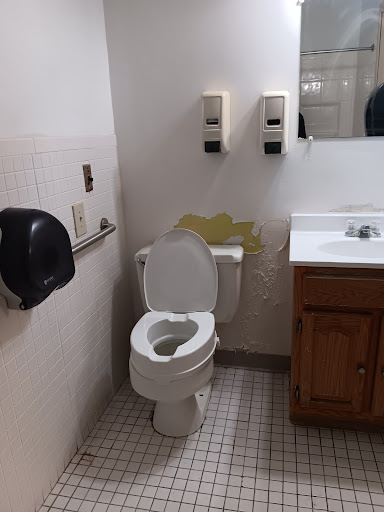
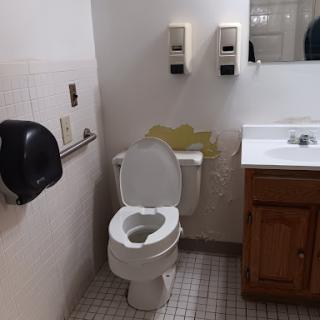
Yet many other accounts tell a far different story, frequently focusing on cleanliness, safety, and basic care concerns. The most consistently alarming themes center on odor and filth. Repeated descriptions mention a strong, pervasive smell that makes visits uncomfortable and raise concerns about how often residents are changed or cleaned. Reports speak of hallways and patient areas where bodily fluids are visible or drifting, and where trash isn't promptly removed. Windows in rooms are described as having spiderwebs and nets, with flies in the seals, painting a vivid and troubling image of neglect that clashes starkly with the more favorable depictions elsewhere. Some reviews point to moldy, peeling walls, patches of pudding on surfaces, and baseboards coming loose, all of which contribute to an overall impression of a facility that may be falling short of basic standards of cleanliness and maintenance.

The clash between positive and negative takes on staff and care adds another layer of complexity. A number of reviewers praise Bria for kindness, patience, and thorough training, including affectionate notes about the therapy teams and staff who seem genuinely invested in residents' well-being. At the same time, there are equally forceful criticisms of staff behavior and responsiveness. Some families report that nurses are frequently at the nurse's station or outside smoking with patients, leaving residents waiting for help or being left with light off and no timely assistance. Calls to speak with a nurse or administrator can be a lengthy and frustrating process, with promises of callbacks that never come or delays of many hours. In some accounts, staff are labeled as rude or unhelpful, and interactions feel transactional rather than compassionate, contributing to a climate where families feel dismissed or treated as burdens rather than as partners in care.

Communication with families also emerges as a major point of contention. Multiple reviews describe difficulties in getting information or reports, particularly to the owner or power of attorney (POA). There are anecdotes of never receiving promised calls, having to drive long distances to obtain answers, and a general sense that families must repeatedly push for basic updates. In more painful examples, belongings belonging to residents vanish or are mishandled, and families feel forced to navigate the facility's processes almost entirely on their own. The sense that "you're not a priority" - and that families are repeatedly told to wait or to deal with other clients first - permeates several accounts.

Food and daily living conditions are another frequent source of dissatisfaction. Critics describe meals as underwhelming or inedible, with specific mentions of cold food, insufficient portions, and, in some cases, consistent hunger. One review explicitly mentions a bologna sandwich for a Sunday dinner as emblematic of the problem, while others speak of residents not being fed adequately or promptly. The physical crowding is another concern - rooms described as holding three to four people apiece - alongside worries about safety and privacy in crowded hallways where residents may wander or encounter hazards. The combination of crowded spaces, insufficient staffing, and long waits for assistance compounds the perception that daily life for residents can feel chaotic rather than calm and supportive.

Despite the breadth of concerns, there are still pockets of praise that provide balance and context. Some reviewers share positive experiences across Bria facilities, noting that when a loved one moves between sites, the staff remain attentive, and the overall quality of care can be strong. In particular, the Cahokia location is singled out by some as a place where the nursing staff were consistently attentive and responsive to a relative's needs. A few accounts describe a wonderful, home-like atmosphere and staff who genuinely care about residents, with caregivers going above and beyond to assist families. These positive reflections underscore that Bria's performance is not monolithic and can vary by location, shift, and individual caregivers.

Taken together, the collection of reviews presents a nuanced portrait of Bria Nursing Home. For some families, the facility is a beacon of compassionate care, professional staff, and a supportive community that helps residents thrive and feel valued. For others, it is a cautionary tale of neglect, miscommunication, and conditions that fall far short of expectations, with urgent requests for improvements in cleanliness, safety, and responsiveness. The most constructive takeaway is the clear need for ongoing oversight, transparent communication, and consistent, resident-centered care that prioritizes cleanliness, timely assistance, and respectful interactions with families and residents alike. If considering Bria, prospective families may want to visit multiple times, speak with current residents and their families, request recent inspections and reports, and ask specific questions about staffing levels, response times, cleanliness protocols, and how the facility handles concerns to form a well-informed view of the current state and whether it matches their needs and expectations.

Features

Housing

  • 133 resident community capacity 133 resident community capacity

Types of Care

  • Skilled Nursing Facility Skilled Nursing FacilitySkilled Nursing Facilities are crucial for seniors as they provide round-the-clock medical care, rehabilitation services, and assistance with daily activities. These facilities ensure that seniors receive the specialized care they need to maintain their health and well-being as they age.

Amenities

  • Air-conditioning Air-conditioningAir conditioning is important for seniors as they are more vulnerable to heat-related illnesses and may have underlying health conditions that make it difficult for them to regulate their body temperature. It helps to keep them comfortable, safe, and healthy in hot weather.
  • Beauty salon Beauty salonBeauty salons are important for seniors because they provide a space for them to feel pampered, socialize, and maintain their personal grooming and hygiene. Regular visits to a beauty salon can help boost seniors' self-esteem and overall well-being.
  • Cable or satellite TV Cable or satellite TVCable or satellite TV is important for seniors because it provides entertainment, news, and companionship, helping to combat loneliness and boredom. It also offers a wide range of programming options tailored to different interests and preferences.
  • Computer center Computer centerA computer center is essential for seniors as it provides access to technology, communication tools, and resources that can enhance their daily lives. It allows them to stay connected with loved ones, engage in online activities, and learn new skills, ultimately promoting socialization and mental stimulation.
  • Dining room Dining roomDining rooms are important for seniors as they provide a space for socialization, connection, and nutritious meals. They offer opportunities for residents to bond over shared meals, foster a sense of community, and promote healthy eating habits. Dining rooms also ensure that seniors have access to well-balanced meals tailored to their dietary needs and preferences.
  • Fitness room Fitness roomHaving a fitness room in a senior living community is essential for seniors to stay active, maintain their physical health, and improve their overall well-being. Regular exercise can help prevent falls, reduce the risk of chronic diseases, and promote mental sharpness. It also provides social opportunities for residents to connect with others and enjoy a sense of community.
  • Fully furnished Fully furnishedFully furnished senior living communities are important for seniors because they provide convenience, comfort, and a hassle-free moving experience. Seniors can easily settle into their new living space without the stress of having to buy and move furniture. This allows them to focus on enjoying their new home and community.
  • Gaming room Gaming roomGaming rooms are important for seniors as they provide a fun and engaging environment for socializing, cognitive stimulation, and physical activity. Games can improve memory, problem-solving skills, and overall mental well-being while fostering friendships and reducing feelings of isolation.
  • Garden GardenGardens are important for seniors as they provide a peaceful and therapeutic environment for relaxation, physical activity, and socialization. Being in nature has been shown to reduce stress, improve mood, and promote overall well-being. Gardens also offer opportunities for seniors to engage in gardening activities, which can improve mobility, flexibility, and cognitive function. Additionally, gardens create a sense of community and connection with others who share a passion for plants and outdoor spaces.
  • Housekeeping services Housekeeping servicesHousekeeping services are important for seniors because they help maintain a clean and safe living environment, promote independence, and reduce the risk of accidents or illnesses. Additionally, having assistance with household chores can alleviate physical strain and allow seniors to focus on other aspects of their well-being.
  • Kitchenette KitchenetteKitchenettes are important for seniors living in senior living communities because they provide the convenience and independence of being able to prepare simple meals and snacks in the comfort of their own living space. This can help promote a sense of autonomy and well-being for seniors, allowing them to maintain some level of control over their dietary choices and daily routines.
  • Move-in coordination Move-in coordinationMove-in coordination is important for seniors because it helps ease the transition into their new living environment. It ensures that all logistics, such as packing, organizing movers, and setting up utilities are taken care of, allowing seniors to focus on settling in and adjusting to their new home. Having a smooth move-in process can alleviate stress and anxiety, making the transition smoother and more enjoyable for seniors.
  • Outdoor space Outdoor spaceOutdoor spaces are important for seniors as they provide opportunities for physical activity, social interaction, exposure to natural light and fresh air, and a sense of connection to nature. Having access to outdoor spaces can improve overall well-being and quality of life for older adults living in senior communities.
  • Private bathrooms Private bathroomsPrivate bathrooms are important for seniors in senior living communities because they provide independence, dignity, and comfort. Having a private bathroom allows seniors to maintain their personal hygiene routines without the need for assistance, promoting a sense of autonomy and privacy. Additionally, private bathrooms help prevent the spread of infections and provide a safe and clean environment for seniors to navigate safely.
  • Restaurant-style dining Restaurant-style diningRestaurant-style dining is important for seniors because it allows them to enjoy delicious, nutritious meals in a social and upscale setting. This enhances their dining experience, promotes healthy eating habits, and fosters socialization with fellow residents, ultimately contributing to their overall well-being and quality of life.
  • Small library Small librarySmall libraries are important for seniors as they provide access to a variety of reading materials, including books, newspapers, and magazines. This can help stimulate their minds, keep them engaged, and provide a sense of community through book clubs and other social activities. Additionally, reading has been shown to improve cognitive function and overall mental well-being in older adults.
  • Telephone TelephoneTelephones are important for seniors as they provide a lifeline for communication with loved ones, emergency services, and healthcare providers. They offer a sense of security and independence, enabling seniors to stay connected and access assistance when needed.
  • Wellness center Wellness centerWellness centers are important for seniors because they offer a variety of programs and services that promote physical, mental, and emotional well-being. These centers provide opportunities for exercise, socialization, education, and relaxation, helping seniors maintain their overall health and quality of life.
  • Wi-Fi/high-speed internet available Wi-Fi/high-speed internet availableWi-Fi/high-speed internet is important for seniors to stay connected with loved ones, access online resources, and participate in virtual activities to combat feelings of loneliness and isolation. It also allows them to easily manage healthcare needs, access entertainment, and engage in lifelong learning opportunities.

Transportation

  • Lambert-St Louis International (18 miles away) Lambert-St Louis International (18 miles away)
  • Community operated transportation Community operated transportationCommunity operated transportation is crucial for seniors as it provides them with the means to access essential services, social activities, and medical appointments. It allows seniors to maintain their independence and quality of life by ensuring they can participate in activities outside of their homes. Additionally, community-operated transportation services offer a safe and reliable way for seniors to travel without having to rely on family or friends for assistance.
  • Transportation arrangement Transportation arrangementTransportation arrangements are crucial for seniors as they may face challenges with driving, mobility, or access to public transportation. Having reliable transportation services ensures that seniors can easily attend appointments, social activities, and maintain their independence and quality of life.
  • Transportation arrangement (non-medical) Transportation arrangement (non-medical)Transportation arrangements are essential for seniors as they provide access to essential services, activities, and social interactions outside the home. This service helps maintain independence, mobility, and overall well-being for seniors who may have limited transportation options.
  • Transportation to doctors appointments Transportation to doctors appointmentsTransportation to doctors appointments is crucial for seniors as it ensures they have access to necessary medical care and support, promoting their health and well-being. It allows them to receive timely treatment, monitor existing conditions, and address any new health concerns efficiently. Additionally, transportation services can help seniors maintain their independence and quality of life by enabling them to stay connected with their healthcare providers.

Care Services

  • 12-16 hour nursing 12-16 hour nursing12-16 hour nursing care is crucial for seniors in order to ensure around-the-clock monitoring, timely medication administration, and prompt response to any health concerns or emergencies. This level of care helps to promote the overall well-being and safety of seniors living in senior living communities.
  • 24-hour call system 24-hour call system24-hour call systems are important for seniors because they provide peace of mind and immediate assistance in case of emergencies. This technology ensures that help is always available, promoting safety and security for elderly individuals living alone or in assisted living facilities.
  • 24-hour supervision 24-hour supervision24-hour supervision is important for seniors to ensure their safety, well-being, and access to immediate assistance in case of emergencies or health issues. This constant support provides peace of mind for both seniors and their loved ones, allowing them to age in place with dignity and security.
  • Activities of daily living assistance Activities of daily living assistanceActivities of daily living assistance are important for seniors because they provide essential support with tasks such as eating, bathing, dressing, and mobility. This assistance helps seniors maintain their independence, dignity, and overall quality of life as they age.
  • Assistance with bathing Assistance with bathingAssistance with bathing is crucial for seniors as it helps maintain personal hygiene, prevents infections, and ensures their overall well-being and comfort. It also provides a sense of dignity and independence for seniors who may struggle with this task on their own.
  • Assistance with dressing Assistance with dressingAssistance with dressing is important for seniors because it helps maintain their independence, promotes personal hygiene, prevents accidents and injuries, and improves overall quality of life. This service ensures that seniors can continue to dress comfortably and confidently, despite any physical limitations they may have.
  • Assistance with transfers Assistance with transfersAssistance with transfers is crucial for seniors as it helps prevent falls and injuries, maintains their independence, and ensures they can safely navigate their living environment. It also provides peace of mind for both seniors and their loved ones.
  • Diabetes diet Diabetes dietA diabetes diet is crucial for seniors as it helps manage blood sugar levels, reduce risks of complications, and improve overall health and well-being. By following a balanced and nutritious diet tailored to their specific needs, seniors can better control their diabetes and enhance their quality of life.
  • Meal preparation and service Meal preparation and serviceMeal preparation and service are crucial for seniors as they may have limited mobility or energy to cook nutritious meals. Having access to healthy and convenient food options can ensure they are getting the proper nutrition needed to maintain their overall health and well-being.
  • Medication management Medication managementMedication management is crucial for seniors to ensure they are taking the right medications at the correct dosages and times. This helps prevent adverse drug interactions, reduces the risk of medication errors, and promotes overall health and well-being. Proactive management also allows for adjustments as needed based on changing health conditions or new prescriptions.
  • Mental wellness program Mental wellness programMental wellness programs are essential for seniors as they promote cognitive stimulation, emotional support, and social engagement. These programs help prevent isolation, depression, and cognitive decline, ultimately enhancing the overall quality of life for older adults.
  • Special dietary restrictions Special dietary restrictionsSpecial dietary restrictions are important for seniors because age-related changes in metabolism and health conditions can make it difficult for their bodies to process certain foods. By following a diet tailored to their specific needs, seniors can maintain their overall health and well-being, manage chronic conditions, and reduce the risk of complications such as malnutrition or food interactions with medications.

Dining

  • Diabetes diet Diabetes dietA diabetes diet is crucial for seniors as it helps manage blood sugar levels, reduce risks of complications, and improve overall health and well-being. By following a balanced and nutritious diet tailored to their specific needs, seniors can better control their diabetes and enhance their quality of life.
  • Special dietary restrictions Special dietary restrictionsSpecial dietary restrictions are important for seniors because age-related changes in metabolism and health conditions can make it difficult for their bodies to process certain foods. By following a diet tailored to their specific needs, seniors can maintain their overall health and well-being, manage chronic conditions, and reduce the risk of complications such as malnutrition or food interactions with medications.

Activities

  • Community-sponsored activities Community-sponsored activitiesCommunity-sponsored activities are important for seniors as they provide opportunities for social interaction, mental stimulation, and physical activity. These activities can help improve overall well-being, combat loneliness and isolation, and promote a sense of belonging and purpose among older adults.
  • Concierge services Concierge servicesConcierge services are essential for seniors as they provide assistance with daily tasks and errands, enhance their quality of life by offering convenience and personalized care, and promote a sense of safety and security.
  • Fitness programs Fitness programsFitness programs are crucial for seniors as they help improve strength, flexibility, balance, and overall well-being. Staying active can reduce the risk of chronic diseases, improve mental health, and enhance quality of life in older adults.
  • Planned day trips Planned day tripsPlanned day trips are important for seniors because they offer opportunities for socialization, mental stimulation, and physical activity. They provide a change of scenery and help seniors stay engaged and connected to their community, promoting overall well-being and quality of life.
  • Resident-run activities Resident-run activitiesResident-run activities are important for seniors as they encourage social interaction, creativity, and a sense of autonomy. These activities empower seniors to stay engaged and active in their community while fostering meaningful connections with their peers.
  • Scheduled daily activities Scheduled daily activitiesScheduled daily activities are important for seniors because they provide structure, socialization, mental stimulation, and physical activity. Engaging in regular activities can improve overall well-being and quality of life for seniors living in a community setting.

Description

Bria Of Cahokia in Cahokia, IL is a vibrant assisted living community designed to provide seniors with a comfortable and fulfilling lifestyle. Residents can enjoy a wide range of amenities including a beauty salon, fully furnished accommodations, a gaming room, and a fitness room. There is also a computer center and Wi-Fi/high-speed internet available for residents to stay connected and engaged.

The community offers various dining options with restaurant-style dining and special dietary restrictions catered to individual needs. Housekeeping services ensure that residents have a clean and organized living space.

Care services at Bria Of Cahokia include 24-hour call systems, assistance with activities of daily living such as bathing, dressing, and transfers. Medication management is also provided to ensure the well-being of residents. A mental wellness program is available to support the emotional health of residents.

Bria Of Cahokia offers an array of activities for residents to enjoy, ranging from fitness programs to planned day trips. Resident-run activities allow individuals to take active roles in creating a vibrant social atmosphere within the community. Concierge services are available to assist with any specific requests or arrangements.

The community's convenient location provides easy access to nearby pharmacies, restaurants, places of worship, hospitals, and transportation options for non-medical appointments.

Bria Of Cahokia is dedicated to providing excellent care services and promoting an engaging and fulfilling lifestyle for its residents.

Nearby Places of Interest

Pharmacies

  • Schnucks (0.8 miles)
  • Walgreens (1.4 miles)
  • Walgreens (4.6 miles)
  • Walgreens (4.7 miles)
  • Globe Drug (4.7 miles)
  • Walgreens (5.3 miles)
  • Schnucks (5.8 miles)

Transportation

  • Jet Aviation (1.8 miles)
  • MetroLink - Emerson Park Station (5.4 miles)
  • Amtrak (5.8 miles)

Hospitals

  • Touchette Regional Hospital (2.6 miles)
  • St Alexius Hospital (4.8 miles)
  • SSM Cardinal Glennon Children's Medical Center (6.8 miles)
  • Memorial Hospital (6.9 miles)
  • VA Medical Center Spinal Cord Injury Program (7.6 miles)

Restaurants

  • Hofbräuhaus St Louis Belleville (3.6 miles)
  • Db's Sports Bar (4.8 miles)
  • Hammerstone's (4.8 miles)
  • Frazer's Restaurant & Lounge (4.9 miles)
  • Venice Cafe (4.9 miles)
  • Chava's Mexican Restaurant (4.9 miles)
  • The Wood Shack Soulard (5 miles)

Places of Worship

  • Macedonia Baptist Church (4.4 miles)
  • St Henry's Catholic Church (6.4 miles)
  • St Johns Lutheran Church (6.7 miles)
  • St Ambrose Church (7.9 miles)

Parks

  • Gateway Arch National Park (5.4 miles)
  • Citygarden (5.7 miles)
  • Lafayette Park (5.7 miles)
  • Carondelet Park (6.2 miles)
  • Tower Grove Park (7 miles)
  • Jefferson Barracks County Park (7.5 miles)
  • Bar K (7.6 miles)

Cafes

  • Starbucks (5.5 miles)
  • Starbucks (5.5 miles)
  • Starbucks (6.5 miles)

Physicians

  • BJC Behavioral Health Service - Dinu Petru Gangure MD (6.1 miles)
  • Michael E Herrmann (6.2 miles)
  • Belleville Imaging (6.6 miles)
  • The Center for Orthopedic and Neurosciences at Memorial (6.8 miles)
  • Association of Childcare Physicians (6.9 miles)
  • Illinois Medicine Southern Md Belleville (6.9 miles)
  • David Craig Norman (6.9 miles)

Frequently Asked Questions

Where is Bria Of Cahokia?

Nearby Communities

Related Resources

  • who qualifies for home health care servicesComprehensive Guide to Qualifying for Home Health Care Services

    The guide outlines the eligibility criteria for home health care services, emphasizing clinical requirements, insurance options, and application processes. It distinguishes between Medicare's strict and Medicaid's flexible qualifications while addressing challenges families may face in securing necessary care at home.

  • what is elder abusePowerful Realities of Elder Abuse and the Most Effective Ways to Report It

    Elder abuse affects many older adults worldwide and includes physical, emotional, neglectful, and financial harm, with about one in six individuals over 60 experiencing abuse annually. Prevention and intervention strategies focus on awareness, support for caregivers, and mandatory reporting, while recovery necessitates comprehensive support for both physical and emotional needs.

  • caregiver dutiesTen Vital Duties of a Senior Caregiver: A Comprehensive Guide
    The guide details ten essential responsibilities of senior caregivers, including personal care, mobility assistance, medication management, and emotional support, while emphasizing the importance of safety, nutrition, and maintaining a safe living environment to enhance seniors' quality of life and independence.