Altenheim St. Louis offers a range of accommodation options that cater to different needs and budgets. For a studio apartment, residents can expect to pay $3,480 per month, which is notably more affordable than the average cost in St. Louis city at $4,234, while remaining competitive with the state average of $3,418. The one-bedroom option is priced at $4,980, slightly above both the city's average of $3,885 and the state's average of $3,349. For those seeking a semi-private room, Altenheim's monthly rate stands at $6,330 - considerably higher than the city average of $3,994 and the state figure of $3,772. Overall, while some options reflect a higher cost relative to local and state averages, Altenheim St. Louis provides a unique environment that may justify these rates for prospective residents looking for quality care and community engagement.
Floor plans
Altenheim St. Louis
St. Louis city
Missouri
Studio
$3,480
$4,234
$3,418
1 Bedroom
$4,980
$3,885
$3,349
Semi-Private
$6,330
$3,994
$3,772
Assisted Living communities with a similar price nearby
Residents repeatedly describe staff as caring, knowledgeable, and responsive.
Multiple reviewers say the staff takes an active role in resident needs, including being caring and knowledgeable. Several mention responsiveness and follow-through when care needs come up. A few also describe communication and adjustments being made when issues arise.
common4 reviews mention this
Meals earn both praise
Meals are a frequent point of discussion, with many calling the food satisfying.
Many reviews describe meal service as a strength, including homecooked-style options, a variety of meals, and desserts residents enjoy. Some reviewers also mention that the dining process feels more like being served than a cafeteria setup. At the same time, other reviews criticize food quality and say it has declined.
common5 reviews mention this
Activities can feel lively
Residents and visitors mention a mix of outings and on-site activities.
Several reviewers describe activities that sound planned and social, including arts and crafts, entertainment, bingo, and day trips/van outings. Others highlight that residents look forward to activities and make friends through what is offered. A smaller set of reviews, however, says activities are almost nil or not available, creating a mixed picture.
caveat3 reviews mention this
Price is a common complaint
Some families say the monthly cost feels too high for their experience.
Several negative reviews focus on pricing, describing it as outrageous or unaffordable and linking the cost to dissatisfaction with daily life. One reviewer mentions a rate increase after a change in ownership. Reviews also suggest residents or families may feel the community is not providing enough value, especially around care and operations.
common3 reviews mention this
Cleanliness and views stand out
Reviewers often highlight the facility’s upkeep and Mississippi River views.
Multiple reviews describe the building as well maintained, clean, and more comfortable than a typical institutional setting. Reviewers also point to scenic views and a setting they describe as peaceful. A separate negative review mentions roaches as a concern, so cleanliness comes through as both a strength and an issue depending on the reviewer.
caveat2 reviews mention this
Memory care and nursing consistency varies
Some reviewers describe gaps in consistent care and medication support.
A couple of reviews raise concerns about continuity of nursing and medication handling. One reviewer describes issues during a hospice-related period and says care communication was lacking. Another reviewer mentions turnover and inconsistency in care, alongside concerns that medication needs were not managed as expected.
How we summarize
Counts show how many written reviews mention each theme; a review can touch several themes, and only frequently mentioned themes are displayed.
Features
Housing
24 resident community capacity
1-bedroom apartments
Studio apartments
Types of Care
Assisted Living
Independent Living
Memory Care
Respite Care
Skilled Nursing Facility
Pets
Cats allowed
Amenities
Activities on-site
Air-conditioning
Beautician on-site
Beauty salon
Cable or satellite TV
Continuing learning programs
Devotional services on-site
Dining room
Family education and support services
Family overnight stay rooms
Family private dining rooms
Fully furnished
Garden
Guasts at mealtime
Guest parking
Housekeeping services
Indoor common areas
Laundry
Located close to restaurants
Located close to shopping centers
Move-in coordination
Outdoor common areas
Outdoor patio
Outdoor space
Overnight guests
Party space
Private bathrooms
Religious/meditation center
Resident parking
Respite or short term stays offered
Restaurant-style dining
Small library
TV room
Wheelchair accessible showers
Wi-Fi/high-speed internet available
Transportation
Lambert-St Louis International (14 miles away)
Community operated transportation
Transportation & parking
Transportation arrangement
Transportation arrangement (non-medical)
Care Services
24-hour call system
24-hour nursing
24-hour supervision
Accept incoming residents on hospice
Activities of daily living assistance
Administer insulin injections
Ambulatory care
Assistance with bathing
Assistance with dressing
Assistance with transfers
Coordination with health care providers
Diabetes diet
Diabetic care
Hospice care
Incontinence care
Meal preparation and service
Medication management
Mental wellness program
Mild cognitive impairment
Physical therapy
Psychiatric care
Respite program
Same day assessments
Special dietary restrictions
Specialized memory care programming
Transportation to doctors appointments
Dining
Anytime dining
Diabetes diet
Gluten-free
Guest meals
Kosher
Low / no sodium
Meals provided
No Sugar
Organic
Restaurant style dining
Room service
Special dietary restrictions
Special dining programs
Vegan
Vegetarian
Activities
Activities off-site
Art classes
Arts and crafts
Book club
Catholic services
Community-sponsored activities
Cooking classes
Cooking club
Day trips and outings
Devotional activities on-site
Educational speakers / life long learning
Games
Gardening club
Happy hour
Live dance or theater performances
Live musical performances
Planned day trips
Protestant services
Religious services
Resident-run activities
Scheduled daily activities
Stories
Visiting chaplain or priest
Wii bowling
Wine tasting
Videos
Nearby Places of Interest
This part of St. Louis, Missouri offers a convenient location with easy access to pharmacies, parks, hospitals, restaurants, places of worship, transportation options, physicians, and cafes. The abundance of Walgreens pharmacies nearby ensures easy access to medications and healthcare essentials. The proximity to several parks like Carondelet Park and Tower Grove Park provides opportunities for outdoor activities and relaxation. In terms of healthcare facilities, there are various hospitals and medical centers nearby such as St Alexius Hospital and SSM Cardinal Glennon Children's Medical Center. Additionally, there are multiple dining options ranging from casual diners like Riverside Diner to upscale restaurants like Frazer's Restaurant & Lounge. Places of worship such as St Johns Lutheran Church and St Ambrose Church offer spiritual support within the community. With reliable transportation options including Amtrak and Jet Aviation nearby, this area provides convenience and accessibility for seniors looking for a comfortable living environment.
Pharmacies
Walgreens (1.3 miles)
Walgreens (2.6 miles)
Walgreens (2.6 miles)
Walgreens (3 miles)
Schnucks Lemay (3.1 miles)
Walgreens (3.6 miles)
Walgreens (3.6 miles)
Parks
Carondelet Park (1.3 miles)
Tower Grove Park (3.2 miles)
Willmore Park (3.3 miles)
Grant's Trail (3.5 miles)
Francis Park (3.6 miles)
Lafayette Park (4 miles)
Jefferson Barracks County Park (4.1 miles)
Hospitals
St Alexius Hospital (1.5 miles)
SSM Cardinal Glennon Children's Medical Center (4 miles)
The Rehabilitation Institute of St Louis (5.2 miles)
Jefferson Barracks VA Medical Center (5.3 miles)
St Louis Children's Hospital (5.3 miles)
VA Medical Center Spinal Cord Injury Program (5.5 miles)
Restaurants
Riverside Diner (1.8 miles)
The Civil Life Brewing Company (2.1 miles)
The Beerhouse (2.6 miles)
Venice Cafe (2.8 miles)
Friendly's Bar And Grill (2.8 miles)
Frazer's Restaurant & Lounge (2.8 miles)
McDonald's (2.8 miles)
Places of Worship
St Johns Lutheran Church (2.3 miles)
St Raphael the Archangel Church (3.5 miles)
St Ambrose Church (4 miles)
St Matthias Catholic Church (5.2 miles)
Peace Lutheran Church & Preschool (5.8 miles)
Old Orchard Church (5.8 miles)
Transportation
Jet Aviation (4.5 miles)
Amtrak (4.6 miles)
Zooline Railroad The Wild (5.7 miles)
Physicians
Southwest Medical Center (4.6 miles)
BJC Behavioral Health Service - Dinu Petru Gangure MD (5.1 miles)
Altenheim St. Louis offers a range of accommodation options that cater to different needs and budgets. For a studio apartment, residents can expect to pay $3,480 per month, which is notably more affordable than the average cost in St. Louis city at $4,234, while remaining competitive with the state average of $3,418. The one-bedroom option is priced at $4,980, slightly above both the city's average of $3,885 and the state's average of $3,349. For those seeking a semi-private room, Altenheim's monthly rate stands at $6,330 - considerably higher than the city average of $3,994 and the state figure of $3,772. Overall, while some options reflect a higher cost relative to local and state averages, Altenheim St. Louis provides a unique environment that may justify these rates for prospective residents looking for quality care and community engagement.
Altenheim St. Louis offers 24-hour supervision to ensure that residents receive constant support and safety, which is crucial for those with cognitive impairments. Assistance with activities of daily living, including bathing and dressing, promotes dignity while helping residents maintain their personal care routines. Support during transfers helps prevent falls, which can be particularly dangerous for individuals with advanced dementia. Coordination with healthcare providers ensures tailored medical care, while incontinence care addresses a sensitive but common issue among residents, enhancing their comfort and well-being. Meal preparation and service cater to dietary needs and preferences, fostering nutritional health essential for overall wellness. Medication management mitigates the risks of misadministration or missed doses, an important aspect of maintaining health stability. The mental wellness program engages residents cognitively and emotionally, while specialized programming targets specific memory retention skills suited to varying degrees of cognitive decline. Physical therapy not only aids in physical mobility but also contributes positively to mental health by encouraging activity and social interaction. Together, these services create a supportive environment tailored to enhancing the quality of life for those facing memory challenges.
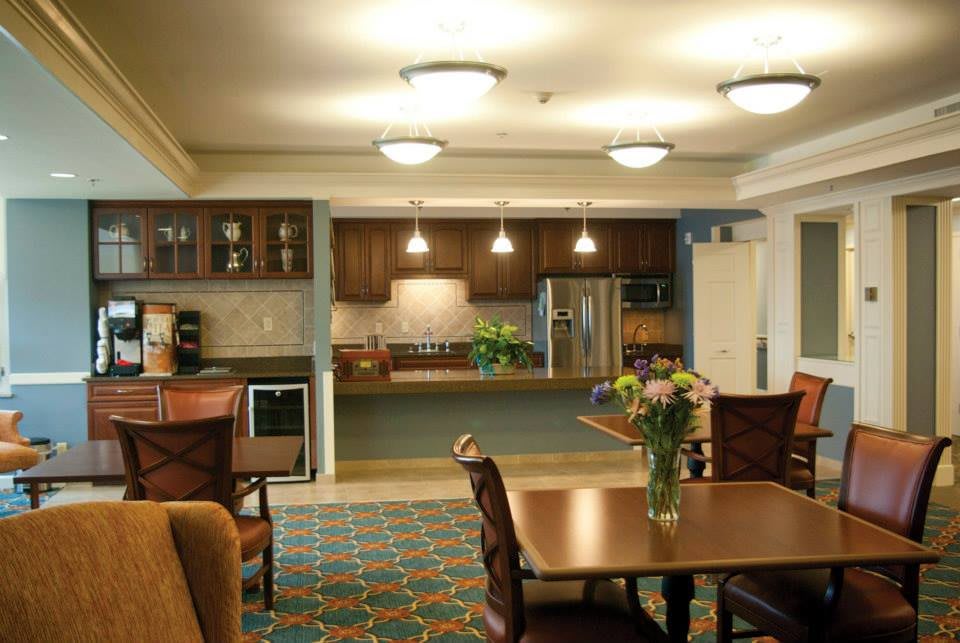
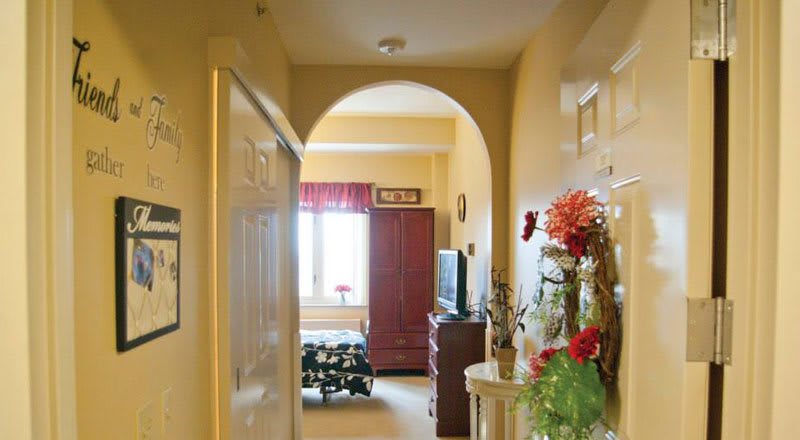
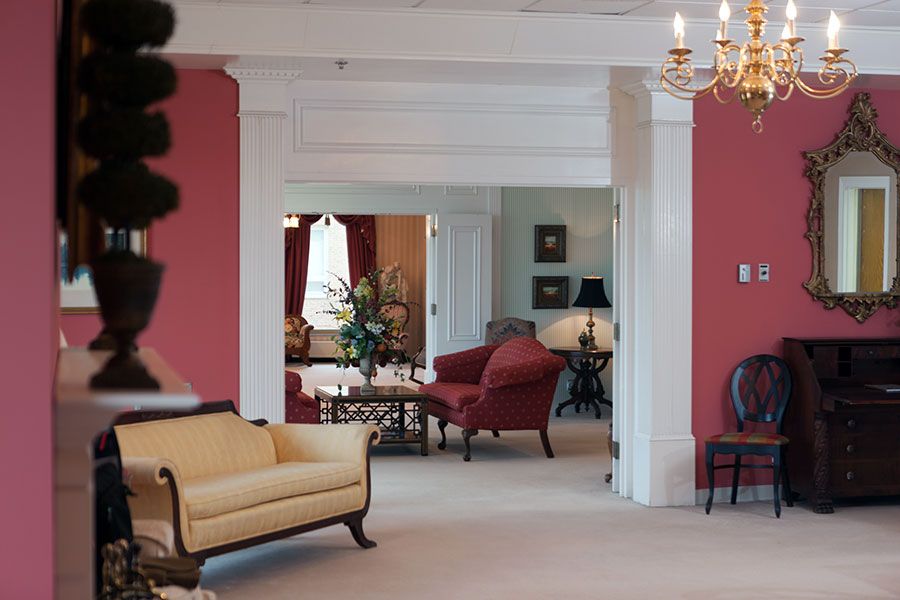
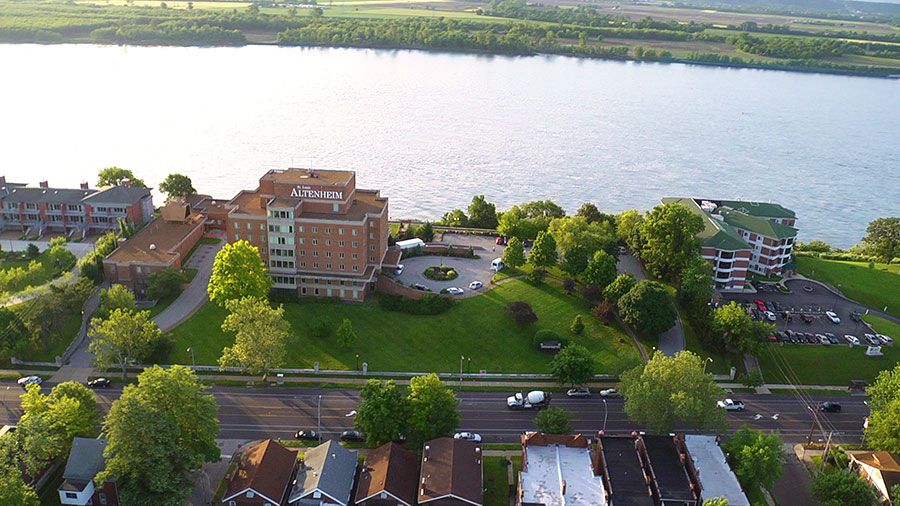
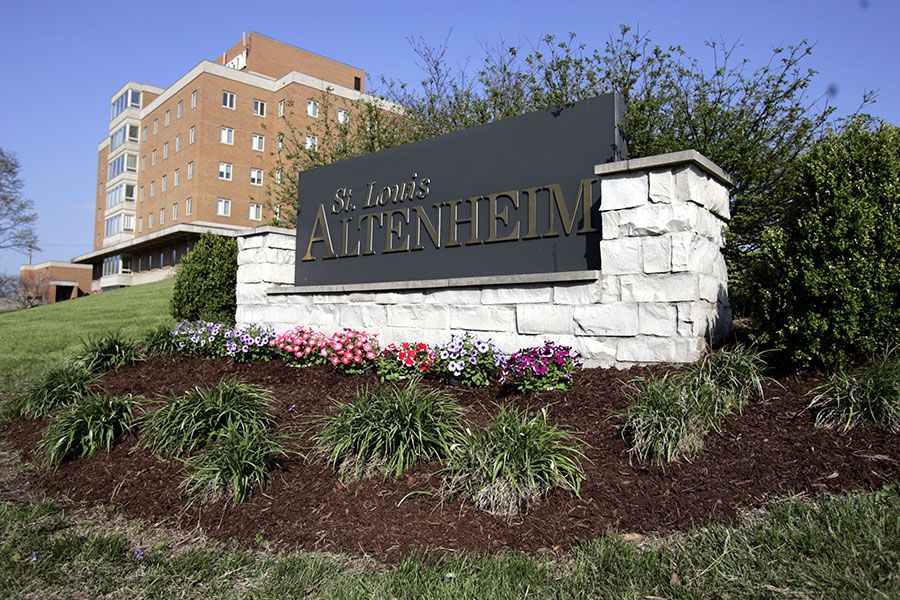
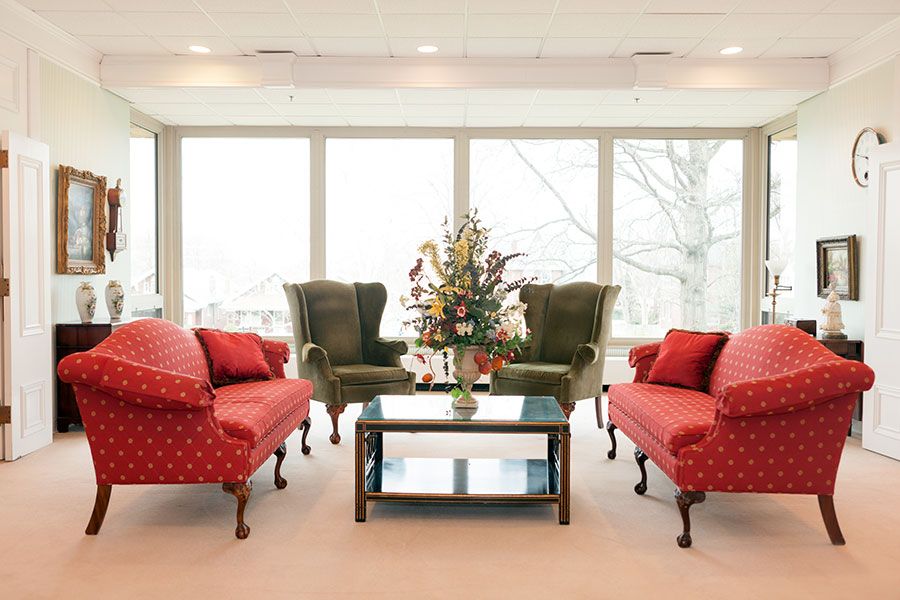
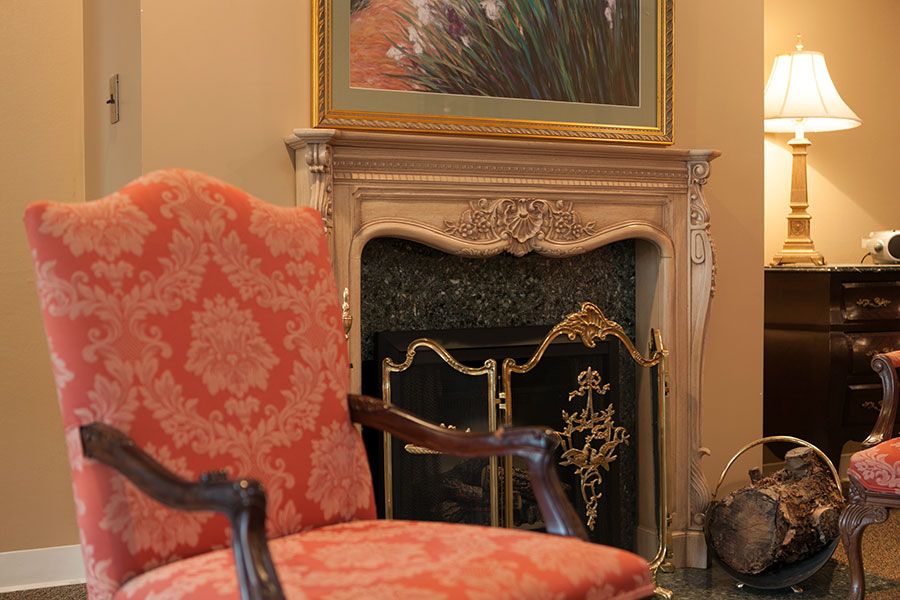
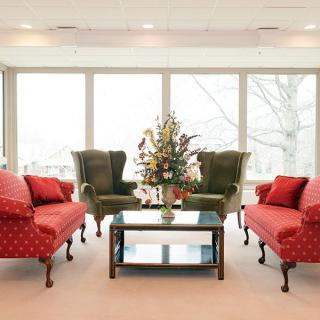
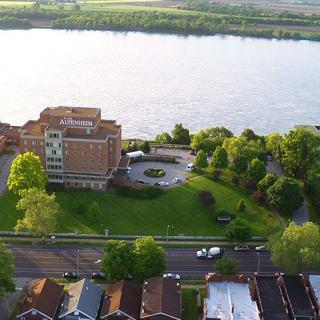
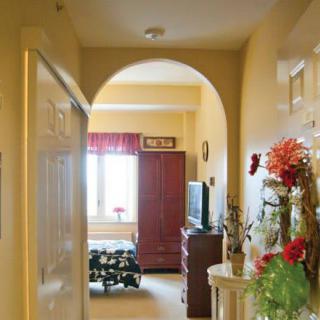
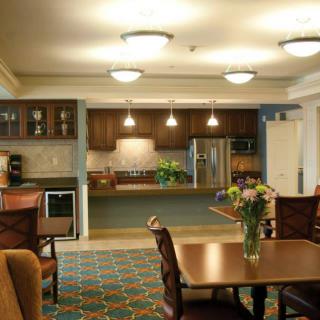
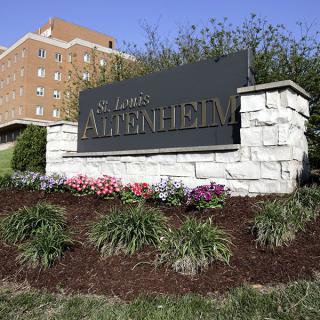
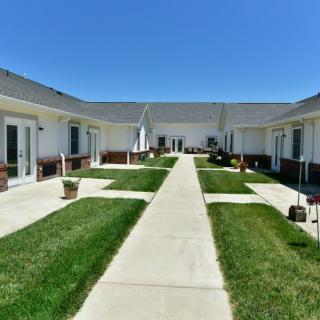
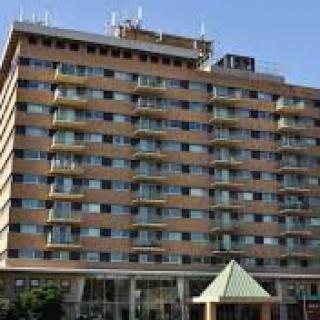
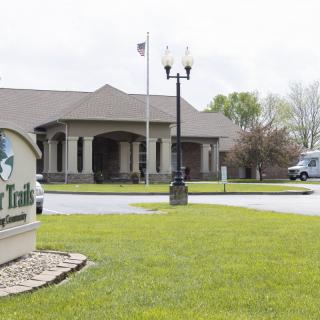
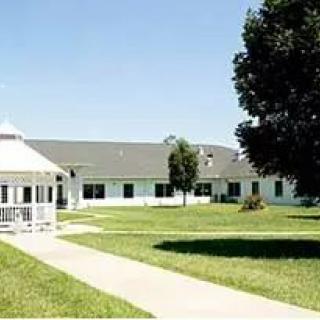
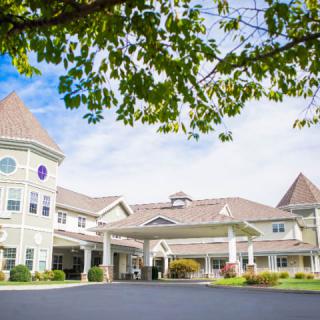
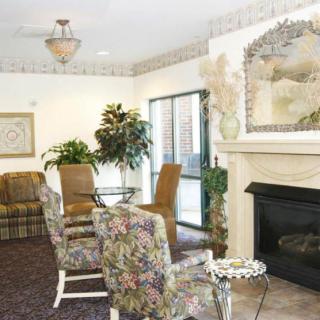
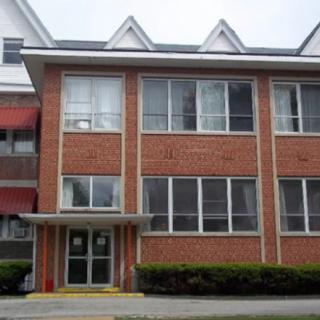
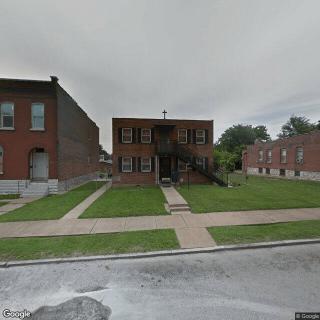
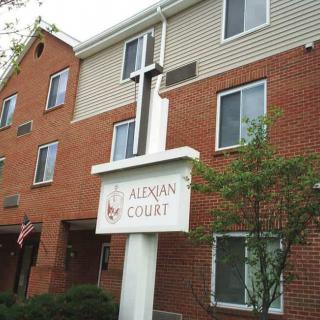
Altenheim St. Louis on seniors.fyi includes 11 photos including images showing interior, dining, decor, building, landscaping, living room, trees, windows, and more.
Nearby Communities
Bavaria Memory Care at the St. Louis Altenheim
Saint Louis, MO
5 from 33 reviews
$5,190 / month
Specialized memory care with on-site activities and a supportive, historic setting.
The Riverview Care Center
Saint Louis, MO
2.6 from 34 reviews
$3,450 / month
Friendly, helpful staff with engaging activities in a neat, comfortable setting.
The Riverview
St. Louis, MO
2.5 from 29 reviews
$4,995 to $5,730 / month
Broad care options (AL, memory care, SNF) with 24/7 supervision and on-site dining and activities.
Carrie Elligson Gietner Home
Saint Louis, MO
2.8 from 35 reviews
Friendly staff and engaging activities with private rooms and pleasant surroundings (including gardens).
Holly Hills Retirement Home
St. Louis, MO
2.3 from 3 reviews
Intimate, personalized care with 24/7 supervision and medical coordination.
Carondelet Retirement Manor
St. Louis, MO
3 from 6 reviews
Fully furnished apartments with restaurant-style dining and engaging activities.
Chateau Ann Marie
Saint Louis, MO
3 from 3 reviews
Compassionate staff in an all-female environment with personalized, well-kept rooms at an affordable price.
Alexian Court Apartments
Saint Louis, MO
3.3 from 23 reviews
Clean, well-maintained community with attentive staff and convenient accessibility.
Beauvais Manor Healthcare & Rehab Center
Saint Louis, MO
3.9 from 29 reviews
Extensive amenities and 24/7 care (dining, transportation, wellness).
Medicaid coverage for assisted living varies by state and is primarily available to low-income individuals, with eligibility dependent on strict income and asset limits. Some states offer HCBS waivers for specific services in assisted living, but families must generally cover room and board costs, and should verify facility acceptance of Medicaid while considering potential waiting lists.
Medicaid waivers for assisted living services provide vital support for seniors and individuals with disabilities in need of long-term care, with varying state-specific eligibility criteria and benefits. These waivers cover personal care and case management but often do not fully cover room and board, leading to waiting lists for many applicants.
The article compares assisted living and skilled nursing facilities, detailing their differing levels of assistance, medical support, cost structures, and day-to-day experiences. It emphasizes that assisted living is for those needing help with daily activities while maintaining independence, whereas skilled nursing facilities provide intensive medical care with 24-hour staff supervision.
Get PricingAsk A QuestionSchedule A TourContact Senior Advisor
By clicking submit, you agree to our Partner's Terms of Use. You
also consent to receive calls and texts, which may be autodialed, from our Partner. Your consent is not a condition to
using our Partner's service. Please visit our Partner's Privacy Policy for information about their privacy practices.






 24 resident community capacity
 1-bedroom apartments
 Assisted Living
 Independent Living
 Memory Care
 Respite Care
 Skilled Nursing Facility
 Cats allowed
 Activities on-site
 Air-conditioning
 Beautician on-site
 Cable or satellite TV
 Continuing learning programs
 Devotional services on-site
 Dining room
 Family education and support services
 Family overnight stay rooms
 Fully furnished
 Garden
 Guest parking
 Housekeeping services
 Indoor common areas
 Laundry
 Located close to restaurants
 Located close to shopping centers
 Move-in coordination
 Outdoor common areas
 Outdoor patio
 Party space
 Private bathrooms
 Restaurant-style dining
 Small library
 Wheelchair accessible showers
 Wi-Fi/high-speed internet available
 Lambert-St Louis International (14 miles away)
 Community operated transportation
 24-hour call system
 24-hour nursing
 Accept incoming residents on hospice
 Administer insulin injections
 Ambulatory care
 Assistance with bathing
 Assistance with dressing
 Assistance with transfers
 Diabetes diet
 Incontinence care
 Medication management
 Mental wellness program
 Physical therapy
 Psychiatric care
 Same day assessments
 Special dietary restrictions
 Art classes
 Catholic services
 Cooking classes
 Day trips and outings
 Educational speakers / life long learning
 Games
Games Happy hour
 Live dance or theater performances
 Live musical performances
 Wii bowling
 Wine tasting
 Specialized memory care with on-site activities and a supportive, historic setting.


 How and When Medicaid May Cover Assisted Living Costs
 A Detailed Exploration of Assisted Living Medicaid Waivers Across the United States
 Exploring the Contrasts Between Assisted Living and Skilled Nursing