
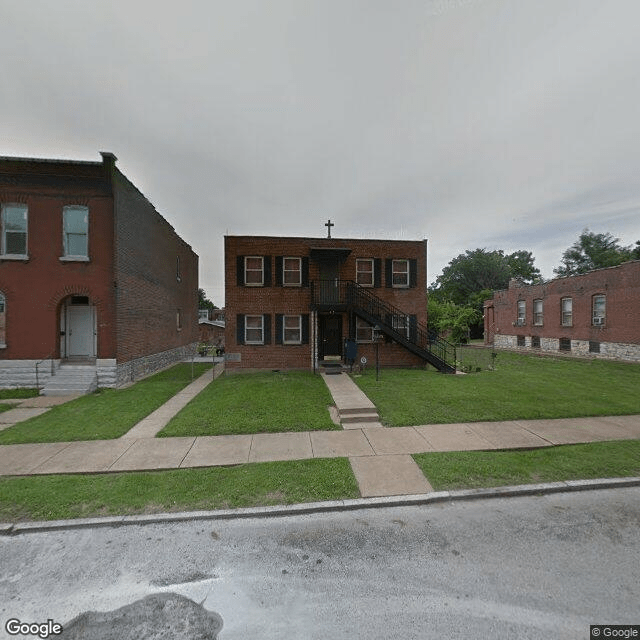
6421 Minnesota, St. Louis, MO 63111
For more information about senior living options: (866) 208-4318
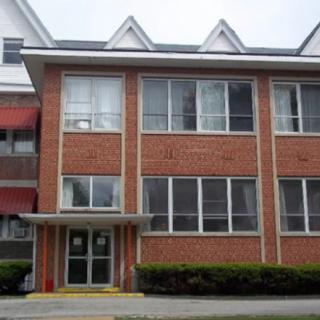
Overall Review of Holly Hills Retirement Home
Pros
 The staff at Holly Hills are super friendly and helpful to residents.
- The meals are very good.
- The owner and his wife are two of the nicest people.
Cons
 The facility has declined, with residents experiencing disrespectful treatment.
- It appears to be a money scheme, and residents are suffering.
- The staff are unprofessional and there is huge turnover.
- There is a lack of food for residents.
- Residents face retaliation.
- The owner is making huge profits off residents.
Review
Holly Hills Retirement Home in St. Louis is best suited for seniors who want a small, owner-involved environment where staff warmth and approachable meals can be a daily reality. The strongest real-world takeaway is that residents may experience a personable, attentive vibe from caregivers and from the owners themselves, with one resident highlighting the friendliness of the staff and the other praising the kindness of the owner and his wife. Meals are cited as a genuine positive by at least one resident, suggesting that food quality can be a reliable bright spot in an otherwise modest setting. This is a place where personal interactions feel accessible, and where the owners’ presence may translate into responsive, neighborly attention.
However, consideration should be given to who may want to explore alternatives. For families prioritizing consistent professional standards, transparent governance, and steady staffing, Holly Hills raises red flags in multiple reviews. Reports of unprofessional staff, huge turnover, and claims of disrespectful treatment point to an environment where stability and reliability are not guaranteed. Allegations that the facility operates in a way that could be inconsistent with resident rights and welfare amplify worries about ongoing oversight and accountability. Those who require predictable routines, established care protocols, and formal channels for addressing concerns may find the service delivery here insufficient.
The contrast between the pros and cons hinges on how much weight is placed on personal warmth versus structural consistency. On the positive side, the local, intimate scale can foster quick problem-solving and a sense of community, with residents commenting positively on staff friendliness and on the owners’ approachable manner. The meals being described as good by at least one resident also cannot be dismissed as minor. Yet these strengths are difficult to rely on when paired with reports of frequent staff turnover and concerns about retaliation and governance. In practice, the warmth can feel unevenly distributed if turnover yields unfamiliar faces or if management practices are not aligned with resident protections and routine expectations.
The negative experiences cited are difficult to overlook. Unprofessional staff and high turnover translate into gaps in daily care, supervision, and consistent communication, factors that directly affect safety and quality of life. Claims of retaliation and violations of state rights, whether interpreted literally or perceived by families, cast a shadow over day-to-day trust. The combination of alleged profit-driven motives and governance concerns further complicates the decision, because financial transparency and ethical stewardship become central to long-term peace of mind for families planning ongoing support and potential future costs. Even if some residents report positive personal interactions, the broader pattern suggested by multiple reviews is a warning signal.
For decision-makers, a disciplined due-diligence approach is essential. Schedule multiple, extended visits at different times to observe staff interactions and resident routines. Speak candidly with current residents and their families about consistency of care, meal service, and how complaints are handled. Request recent state inspection reports and any facility-level grievance logs, and inquire about staffing ratios and turnover over the past year. Ask to see sample menus, meal preparation processes, and opportunities for resident input on activities and care plans. If assurances about governance and continuity are not convincingly demonstrated, it is prudent to widen the search to alternatives with stronger documented oversight and more consistent staffing.
Bottom line: Holly Hills offers a welcoming, personally connected environment and workable meal quality, but the weight of reported staffing instability and governance concerns makes it unsuitable for residents who cannot tolerate inconsistencies in care and protections. Families who can accept the trade-off for a more intimate setting and who plan rigorous oversight and rapid escalation of any issues may find a fit here, but the prudent choice is to compare with better-regulated options that deliver steadier staffing, clearer resident rights protections, and verifiable reliability. The decision should hinge on assessing whether the personal touch and food quality justify the risk of ongoing care variability.
 15 resident community capacity
 Assisted Living
 Board and Care Home
 Cable or satellite TV
 Dining room
 Fully furnished
 Garden
 Housekeeping services
 Move-in coordination
 Outdoor space
 Telephone
 Wi-Fi/high-speed internet available
 Lambert-St Louis International (14 miles away)
 24-hour supervision
 Activities of daily living assistance
 Assistance with bathing
 Assistance with dressing
 Assistance with transfers
 Diabetes diet
 Meal preparation and service
 Medication management
 Special dietary restrictions
 Transportation arrangement (medical)
 Transportation to doctors appointments


 Social Security Benefits and Assisted Living: Navigating Options Across the U.S.
 An Extensive Exploration of the VA Aid and Attendance Benefit
 Senior Transition Services: Understanding Their Role, Cost, and Importance