
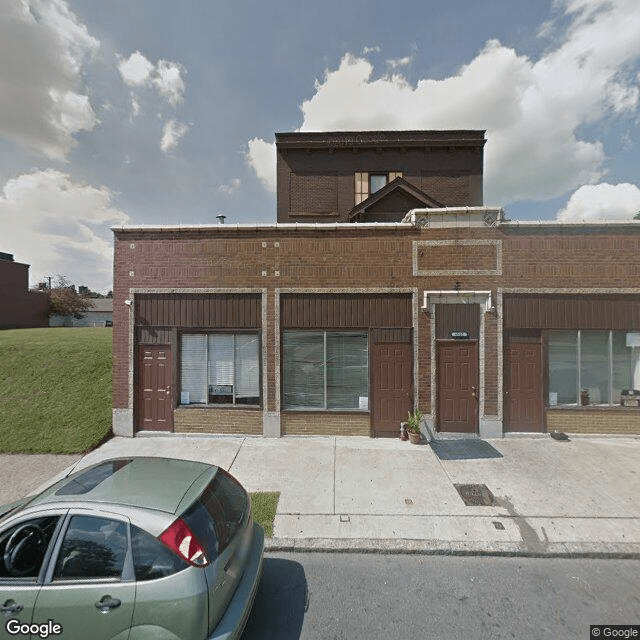
6815 Michigan Ave, St. Louis, MO 63111
To contact a resident: (314) 353-9552
For more information about senior living options: (866) 208-4318
Overall Review of Carondelet Retirement
Pros
 The staff is amazing and they care greatly for residents.
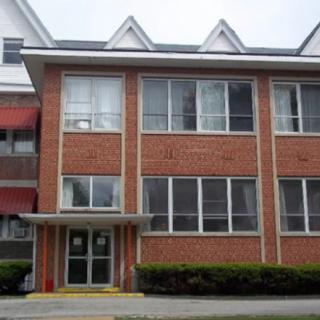
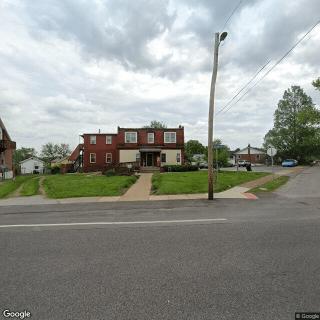
- The location is good, the food is delicious, and the building is kept up very well.
- Cleanliness is incredibly important to the manager.
- The staff looks after patients and medicines are delivered in a timely manner.
Cons
 The facility is not suitable for healthy individuals or anyone needing assistance with functioning or medication compliance.
- It is described as a group home that requires accountability, implying residents cannot live independently.
- The promise of 24/7 nursing care is a fallacy; nurses are only present twice a week and do not supervise medication dispersal.
- Medications are sometimes left on residents' dressers while they sleep.
- The food and meal situation is abysmal.
- The environment allows stronger mentally healthy residents to prey on weaker ones.
- Poor medication management led to missed doses and emergency room visits.
- Residents were left unsupervised with doors open, posing safety risks.
- There are concerns that staff pockets residents' money and that nutrition and amenities are not adequately provided.
Review
Carondelet Retirement in St. Louis is best suited for adults who are largely independent, require minimal daily assistance, and can tolerate a setting where medical oversight and intensive supervision are not the core offering. It can serve as a modest, home-like option for those who want a convenient location, private rooms, and common areas without expecting round-the-clock nursing or guaranteed medication management. The strongest fit is for residents who can self-manage most tasks and simply need a supervised, socially oriented environment rather than full-service care. For anyone with ongoing health needs or cognitive challenges, this is a setting that tests reliability and safety more than it supports consistent care.
Those families and residents who should actively consider alternatives are precisely the ones facing substantial daily support needs. Anyone requiring regular nurse-led medication administration, predictable supervision, or rapid response to medical changes should look elsewhere. If safety monitoring, structured routines, and dependable, professional medication distribution are non-negotiable, this community does not consistently deliver. Families of individuals with psychiatric or cognitive conditions, or those who rely on consistent oversight to prevent dose mismanagement, will likely encounter more risk than reassurance here.
The positive notes from residents who thrive in this environment are clear: caring staff at times, timely dispensing of medications on some shifts, a clean facility, and a functional, well-maintained building layout can create a livable baseline. The location’s convenience and the ability to reside in private rooms with shared social spaces add tangible value when the resident’s needs are modest. However, these pros do not fully offset the central drawbacks: irregular nursing presence, uncertain medication practices, and a governance model that appears to struggle with consistent, professional oversight. When days go well, the experience feels orderly; when they do not, gaps in care become highly consequential.
The most troubling themes are safety and reliability. Several accounts describe doors left unsecured, residents unsupervised, and a lack of steady staff presence that raises red flags about emergency response and daily risk. Medication administration is repeatedly called into question, with reports of inconsistent supervision and even instances of medications not being properly distributed. Food quality is inconsistent, and complaints about meal preparation and sanitation surface alongside concerns about overall nourishment. The impression is of a facility operating on a lean, cost-conscious model that can protect dignity on good days but falters under stress or with residents who require more attentive care.
Prospective residents and their families should approach with a concrete plan for due diligence. A thorough tour is essential, followed by a review of nurse staffing schedules, medication administration policies, and incident logs. Direct conversations with current residents about safety, meal quality, and daily routines will reveal the texture of life inside. Verify licensing and inspection history, and request references who can speak to consistency of care over time. Observe the kitchen, dining service, and housekeeping practices to assess whether sanitation and nutrition meet the standards expected for long-term living.
In decision terms, Carondelet Retirement presents a mixed value proposition. It can work for stable, low-support residents who prioritize location, cleanliness, and an uncomplicated social environment over rigorous medical oversight. For families evaluating a loved one with any significant health, mobility, or cognitive needs, this community represents a real risk of inconsistent care and safety lapses. Stronger options exist for those requiring dependable medication management, continuous nursing presence, and a clearly documented standard of care. If pursuing this community, insist on concrete assurances, a clear service plan, and a measurable trial period to separate the promising days from the worrisome ones.
 Assisted Living
 Independent Living
 Activities on-site
 Devotional services off-site
 Indoor common areas
 Lambert-St Louis International (14 miles away)
 Ambulatory care
 Diabetic care
 Meals provided


 Assisted Living Expenses and Long-Term Care Insurance: A Comprehensive Exploration
 Securing Financial Support for Assisted Living: A Comprehensive Overview
 Social Security Benefits and Assisted Living: Navigating Options Across the U.S.