
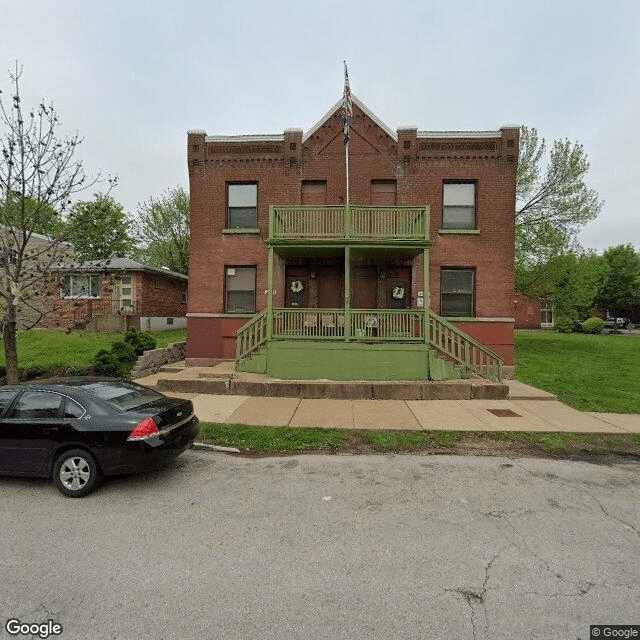
3409 Missouri Ave, St. Louis, MO 63118
To contact a resident: (314) 771-8360
For more information about senior living options: (866) 208-4318
Overall Review of Cherokee Residential Care
Pros
 Superior Care Residential is described as the best care in the area, meeting residents’ physical and emotional needs and giving them a sense of belonging.
- The staff and residents at Superior Care Residential are viewed as an extension of the family, creating a loving, home-like environment.
- Cherokee is a great place to live, providing a better quality of life and helping residents' medications stay on track.
- Cherokee has improved under its ownership and is considered the best it has been to date.
Cons
 The son reportedly experienced urinary pain and became incontinent within 30 days of residency, allegedly due to an unauthorized procedure, with no prior issues recorded.
- The facility is described as having staff who do not care about residents and even as having bedbugs.
- Edna is said to talk to residents like children and lack respect, with Jeloust described as bad among managers and workers.
- Things come up missing, there is no care provided, and funds are misused or uncounted, with residents’ personal items disappearing.
- The place is portrayed as unsafe for loved ones, with staff not prioritizing residents’ safety, leading to a strong warning to avoid sending anyone there.
- The staff is described as rude when contacted about a resident’s father.
Review
Cherokee Residential Care in St. Louis is best suited for families seeking a small, home‑like setting where daily routines can be personalized and staff interaction stays intimate. The facility attracts residents who prefer a quieter, more personal environment over a sprawling campus, and who need help with basic daily tasks, medication management, and companionship without the hustle of a large senior community. In short, this is a setting where visible, consistent care can feel more approachable, provided expectations line up with what a smaller operation reliably delivers.
Explicitly, those who prioritize ironclad safety, consistent respectful communication, and transparent governance should consider alternatives. Reviews surface serious caveats: allegations of funds being misused or personal items going missing, unauthorized medical steps, and safety lapses. Staff behavior and leadership style frequently appear as problems, rude interactions, a manager described as loud and unprofessional, and a general sense that accountability can be slow or elusive. For families needing rigorous oversight, clear incident resolution, and a consistently respectful culture, exploring other options is prudent rather than assuming a small setting automatically mitigates risk.
On the positive side, Cherokee does deliver practical benefits that matter day to day. Several accounts note solid cooking and medication management, with residents reporting improved quality of life when those elements are well managed. Some families describe staff and residents forming a genuine, quasi-family connection, signaling dependable daily support in a close-knit environment. There are also impressions that ownership changes over time have nudged operations in a favorable direction for certain residents. When care priorities center on routine, familiarity, and straightforward daily living, Cherokee can offer tangible stability.
Yet the most consequential drawbacks undermine those gains. The bedbug concern cited in a review is a concrete signal about environmental control and ongoing cleanliness. Reports of disrespectful staff, disruptive management, and inconsistent regard for residents’ dignity create a hostile undercurrent that colors every interaction. Allegations of missing funds and personal items, along with claims of unauthorized medical actions, raise the stakes for trust and safety. When complaints extend to alleged unsafe conditions or slow responses to problems, the overall reliability of care and protection erodes. For families unwilling to accept repeated friction, turnover, or opaque handling of sensitive matters, this facility becomes a high‑risk choice.
Balancing these factors requires a practical lens: what matters most in care, and how much risk is acceptable for the desired setting. If proximity to a smaller community, cost considerations, and a home‑like feel outweigh the potential for governance missteps and occasional staff friction, Cherokee can be worth a careful visit with rigorous due diligence. Prospective residents should schedule tours at different times, speak candidly with frontline staff and residents, and demand transparent explanations for any irregularities in care or finances. Verify state inspection histories, clarify incident reporting and escalation processes, and insist on a clear plan for environmental concerns and pest control. A concrete accountability framework is nonnegotiable.
Bottom line: Cherokee Residential Care is not a universal fit. It can satisfy residents who value an intimate setting and are prepared to tolerate variability in leadership and safety oversight, so long as accountability is robust and care remains the priority. For families unwilling to gamble on inconsistent staff behavior, unresolved safety concerns, or opaque financial handling, pursuing stronger alternatives, whether other nearby options with steadier reputations or facilities known for firmer governance, is the prudent path. The decision should hinge on a candid assessment of risk tolerance, the resident’s specific needs, and the family’s ability to demand reliable, transparent leadership.
 Assisted Living
 Activities on-site
 Devotional services off-site
 Indoor common areas
 Lambert-St Louis International (13 miles away)
 Ambulatory care
 Diabetic care
 Meals provided
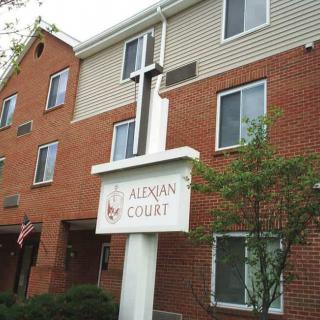
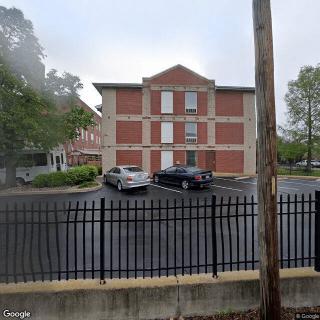
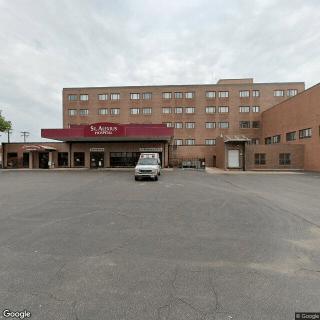

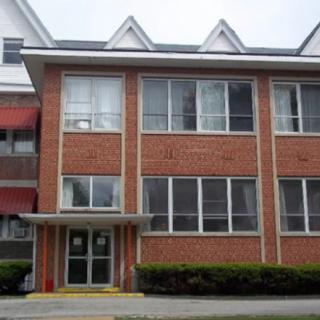

 Comprehensive Residential Support and Assisted Living Solutions for Individuals with Disabilities
 Comprehensive Supportive Living Arrangements for Adults with Disabilities
 Funding and Affording Assisted Living: A Thorough Overview