Cherokee Residential Care Acquisition

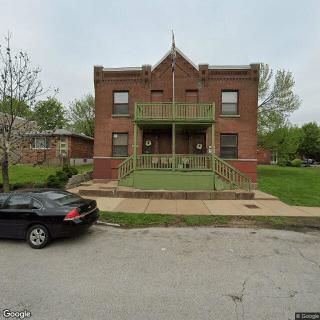
3409 Missouri Avenue, St. Louis, MO 63118

For more information about senior living options: (844) 490-3973

3.5 from 11 reviews
5 stars
6
4 stars
1
3 stars
0
2 stars
1
1 stars
3

Assisted Living

What level of care are you interested in?

Assisted Living

Memory Care

Independent Living

Skilled Nursing Facility

Continuing Care Retirement Community (CCRC)CCRC

Other


Request a tour at Cherokee Residential Care Acquisition

    Overall Review of Cherokee Residential Care Acquisition

    Pros

    • pro Superior Care Residential gives the best care of anywhere around.
    • pro Cherokee is a great place to live.
    • pro It isn't a facility - it's a HOME.
    • pro It is a very special place.

    Cons

    • pro The son developed urinary pain and became incontinent within 30 days of residency, allegedly due to an unauthorized procedure by Silver Spurs.
    • pro The facility is described as having a loud, "Ghetto" manager and staff who don't care about residents; bedbugs are reported.
    • pro A sibling was taken advantage of during a procedure done without proper authorization, resulting in health complications; items and funds go missing with no effort to replace them.
    • pro The staff are disrespectful and there is a lack of safety for residents; it is not a safe place for loved ones and is described as a nightmare.
    • pro The staff were very rude when someone called to check on a relative.

    Review

    A cluster of firsthand accounts from residents and family members paints a complex picture of senior care facilities, where experiences range from troubling medical and safety concerns to heartfelt praise for compassionate, consistent care. Across several reviews, themes emerge about medical oversight, respect and communication, financial handling, and the overall sense of safety and home-like warmth. Taken together, the comments reveal that some facilities are seen as dangerously lacking in accountability, while others are described as genuinely supportive environments.

    One particularly troubling account centers on a patient who began to experience urinary pain in October 2020 and, within about a month, became incontinent, unable to hold his bladder. The reviewer alleges this change was caused by a procedure that was unauthorized by a facility referred to as Silver Spurs, and notes that the incontinent condition persists to this day with no prior history of such issues. The emphasis is not only on the medical outcome but on the belief that an unauthorized procedure contributed to lasting harm. The reviewer also hints at pursuing a class-action effort or seeking collective action, signaling a sense of grievance and a desire for accountability at a systemic level rather than isolated to one individual.

    Beyond medical concerns, several comments highlight perceived problems with staff conduct, facility environment, and overall management. One review paints a vivid, negative portrait of a place where bedbugs are present, the manager is described as loud and "Ghetto," and staff are accused of indifference toward residents. The writer urges others to "keep it real" and recounts experiences where conversations with staff could feel belittling, as if residents were treated like children. This account points to a broader atmosphere of disrespect and discomfort, with the implication that residents' dignity and day-to-day needs may be deprioritized in favor of a harsh or chaotic management style.

    Another powerful critique focuses on alleged financial and procedural mismanagement, including items such as procedures performed without appropriate consent, missing funds, and personal belongings going missing. The reviewer claims that items are not only unaccounted for but also not replaced, and that there is a lack of effort to investigate how or by whom items disappeared. Complaints of "no care" and safety concerns culminate in a stark warning: this place feels unsafe for loved ones, and the reviewer urges prospective families to keep their relatives close and consider alternatives. The description ends with a strong appraisal of the facility as a "NIGHTMARE" for those who rely on its care.

    In contrast to these negative experiences, there are glowing endorsements of other facilities. Superior Care Residential is described by a different reviewer as providing "the best care" around, where a brother's physical needs - and importantly, emotional needs and sense of belonging - are fully met. The staff and residents are portrayed as an extended family, creating a sense of HOME rather than a sterile institution. The gratitude is palpable, with a sentiment that the facility and its people bring real comfort and safety to families who feel reassured about their loved one's everyday well-being. Such testimonials emphasize reliability, warmth, and genuine affection between staff, residents, and their families.

    Another facility - Cherokee - also appears in mixed light but with notable positive experiences. One reviewer notes that Cherokee helped stabilize medication and overall quality of life, describing it as a place that has evolved positively through ownership changes and now stands out as a strong option for those seeking better care. This account suggests that with changes in leadership or management, the quality of care can improve and residents can experience meaningful benefits, including better medication management and enhanced daily living.

    Yet not every experience with Cherokee is uniformly favorable. A separate account mentions contacting the facility to check whether a loved one was there, only to encounter rude staff. This contrast underscores a broader theme: even within the same facility, individual experiences can vary significantly depending on staff interactions, shifts, and perhaps other undocumented factors. The disparity between the glowing endorsement and the rude-to-family encounter serves as a reminder that resident experience can be highly situational and that there may be inconsistent standards across a facility's teams.

    Overall, these reviews collectively illustrate a landscape where some families feel deeply respected, supported, and comfortably housed in a caring community, while others feel overwhelmed by neglect, disrespect, mismanagement, or unsafe conditions. The most urgent concerns center on unauthorized medical actions and lasting complications, unexplained incontinence for a previously healthy individual, alleged misuse or mishandling of funds, and missing personal items, all of which undermine trust and safety. Conversely, stories of compassionate staffing, stable long-term care, and a sense of home emphasize that when management prioritizes respect, consistent care, and open communication, residents can thrive and families can find peace of mind.

    For families considering care options, these accounts underscore the importance of diligence: visiting facilities, asking to review medical consent practices, requesting transparency about funds and personal item handling, and seeking out facilities with proven, warm, and stable staff relationships. If there are ongoing concerns about care quality, reaching out to state regulators or an independent elder care ombudsman can help ensure that specific incidents are reviewed and addressed. The experiences shared here - both the praise for truly supportive homes and the cautions about problematic environments - highlight the need for vigilant, continual oversight to protect vulnerable residents and to foster care settings that are truly safe, respectful, and nurturing.

    Features

    Housing

    • 30 resident community capacity 30 resident community capacity

    Types of Care

    • Assisted Living Assisted LivingAssisted living facilities provide crucial support and care for seniors who may need help with daily tasks such as medication management, bathing, and meal preparation. These communities offer a safe and comfortable environment where seniors can maintain their independence while receiving the assistance they need to thrive in their golden years.

    Amenities

    • Beauty salon Beauty salonBeauty salons are important for seniors because they provide a space for them to feel pampered, socialize, and maintain their personal grooming and hygiene. Regular visits to a beauty salon can help boost seniors' self-esteem and overall well-being.
    • Cable or satellite TV Cable or satellite TVCable or satellite TV is important for seniors because it provides entertainment, news, and companionship, helping to combat loneliness and boredom. It also offers a wide range of programming options tailored to different interests and preferences.
    • Dining room Dining roomDining rooms are important for seniors as they provide a space for socialization, connection, and nutritious meals. They offer opportunities for residents to bond over shared meals, foster a sense of community, and promote healthy eating habits. Dining rooms also ensure that seniors have access to well-balanced meals tailored to their dietary needs and preferences.
    • Fully furnished Fully furnishedFully furnished senior living communities are important for seniors because they provide convenience, comfort, and a hassle-free moving experience. Seniors can easily settle into their new living space without the stress of having to buy and move furniture. This allows them to focus on enjoying their new home and community.
    • Garden GardenGardens are important for seniors as they provide a peaceful and therapeutic environment for relaxation, physical activity, and socialization. Being in nature has been shown to reduce stress, improve mood, and promote overall well-being. Gardens also offer opportunities for seniors to engage in gardening activities, which can improve mobility, flexibility, and cognitive function. Additionally, gardens create a sense of community and connection with others who share a passion for plants and outdoor spaces.
    • Housekeeping services Housekeeping servicesHousekeeping services are important for seniors because they help maintain a clean and safe living environment, promote independence, and reduce the risk of accidents or illnesses. Additionally, having assistance with household chores can alleviate physical strain and allow seniors to focus on other aspects of their well-being.
    • Kitchenette KitchenetteKitchenettes are important for seniors living in senior living communities because they provide the convenience and independence of being able to prepare simple meals and snacks in the comfort of their own living space. This can help promote a sense of autonomy and well-being for seniors, allowing them to maintain some level of control over their dietary choices and daily routines.
    • Move-in coordination Move-in coordinationMove-in coordination is important for seniors because it helps ease the transition into their new living environment. It ensures that all logistics, such as packing, organizing movers, and setting up utilities are taken care of, allowing seniors to focus on settling in and adjusting to their new home. Having a smooth move-in process can alleviate stress and anxiety, making the transition smoother and more enjoyable for seniors.
    • Outdoor space Outdoor spaceOutdoor spaces are important for seniors as they provide opportunities for physical activity, social interaction, exposure to natural light and fresh air, and a sense of connection to nature. Having access to outdoor spaces can improve overall well-being and quality of life for older adults living in senior communities.
    • Restaurant-style dining Restaurant-style diningRestaurant-style dining is important for seniors because it allows them to enjoy delicious, nutritious meals in a social and upscale setting. This enhances their dining experience, promotes healthy eating habits, and fosters socialization with fellow residents, ultimately contributing to their overall well-being and quality of life.
    • Small library Small librarySmall libraries are important for seniors as they provide access to a variety of reading materials, including books, newspapers, and magazines. This can help stimulate their minds, keep them engaged, and provide a sense of community through book clubs and other social activities. Additionally, reading has been shown to improve cognitive function and overall mental well-being in older adults.
    • Telephone TelephoneTelephones are important for seniors as they provide a lifeline for communication with loved ones, emergency services, and healthcare providers. They offer a sense of security and independence, enabling seniors to stay connected and access assistance when needed.
    • Wi-Fi/high-speed internet available Wi-Fi/high-speed internet availableWi-Fi/high-speed internet is important for seniors to stay connected with loved ones, access online resources, and participate in virtual activities to combat feelings of loneliness and isolation. It also allows them to easily manage healthcare needs, access entertainment, and engage in lifelong learning opportunities.

    Transportation

    • Lambert-St Louis International (13 miles away) Lambert-St Louis International (13 miles away)

    Care Services

    • 24-hour call system 24-hour call system24-hour call systems are important for seniors because they provide peace of mind and immediate assistance in case of emergencies. This technology ensures that help is always available, promoting safety and security for elderly individuals living alone or in assisted living facilities.
    • 24-hour supervision 24-hour supervision24-hour supervision is important for seniors to ensure their safety, well-being, and access to immediate assistance in case of emergencies or health issues. This constant support provides peace of mind for both seniors and their loved ones, allowing them to age in place with dignity and security.
    • Activities of daily living assistance Activities of daily living assistanceActivities of daily living assistance are important for seniors because they provide essential support with tasks such as eating, bathing, dressing, and mobility. This assistance helps seniors maintain their independence, dignity, and overall quality of life as they age.
    • Assistance with bathing Assistance with bathingAssistance with bathing is crucial for seniors as it helps maintain personal hygiene, prevents infections, and ensures their overall well-being and comfort. It also provides a sense of dignity and independence for seniors who may struggle with this task on their own.
    • Assistance with dressing Assistance with dressingAssistance with dressing is important for seniors because it helps maintain their independence, promotes personal hygiene, prevents accidents and injuries, and improves overall quality of life. This service ensures that seniors can continue to dress comfortably and confidently, despite any physical limitations they may have.
    • Assistance with transfers Assistance with transfersAssistance with transfers is crucial for seniors as it helps prevent falls and injuries, maintains their independence, and ensures they can safely navigate their living environment. It also provides peace of mind for both seniors and their loved ones.
    • Diabetes diet Diabetes dietA diabetes diet is crucial for seniors as it helps manage blood sugar levels, reduce risks of complications, and improve overall health and well-being. By following a balanced and nutritious diet tailored to their specific needs, seniors can better control their diabetes and enhance their quality of life.
    • Meal preparation and service Meal preparation and serviceMeal preparation and service are crucial for seniors as they may have limited mobility or energy to cook nutritious meals. Having access to healthy and convenient food options can ensure they are getting the proper nutrition needed to maintain their overall health and well-being.
    • Medication management Medication managementMedication management is crucial for seniors to ensure they are taking the right medications at the correct dosages and times. This helps prevent adverse drug interactions, reduces the risk of medication errors, and promotes overall health and well-being. Proactive management also allows for adjustments as needed based on changing health conditions or new prescriptions.
    • Mental wellness program Mental wellness programMental wellness programs are essential for seniors as they promote cognitive stimulation, emotional support, and social engagement. These programs help prevent isolation, depression, and cognitive decline, ultimately enhancing the overall quality of life for older adults.
    • Special dietary restrictions Special dietary restrictionsSpecial dietary restrictions are important for seniors because age-related changes in metabolism and health conditions can make it difficult for their bodies to process certain foods. By following a diet tailored to their specific needs, seniors can maintain their overall health and well-being, manage chronic conditions, and reduce the risk of complications such as malnutrition or food interactions with medications.
    Dining

    • Diabetes diet Diabetes dietA diabetes diet is crucial for seniors as it helps manage blood sugar levels, reduce risks of complications, and improve overall health and well-being. By following a balanced and nutritious diet tailored to their specific needs, seniors can better control their diabetes and enhance their quality of life.
    • Special dietary restrictions Special dietary restrictionsSpecial dietary restrictions are important for seniors because age-related changes in metabolism and health conditions can make it difficult for their bodies to process certain foods. By following a diet tailored to their specific needs, seniors can maintain their overall health and well-being, manage chronic conditions, and reduce the risk of complications such as malnutrition or food interactions with medications.

    Activities

    • Community-sponsored activities Community-sponsored activitiesCommunity-sponsored activities are important for seniors as they provide opportunities for social interaction, mental stimulation, and physical activity. These activities can help improve overall well-being, combat loneliness and isolation, and promote a sense of belonging and purpose among older adults.
    • Resident-run activities Resident-run activitiesResident-run activities are important for seniors as they encourage social interaction, creativity, and a sense of autonomy. These activities empower seniors to stay engaged and active in their community while fostering meaningful connections with their peers.
    • Scheduled daily activities Scheduled daily activitiesScheduled daily activities are important for seniors because they provide structure, socialization, mental stimulation, and physical activity. Engaging in regular activities can improve overall well-being and quality of life for seniors living in a community setting.

    Description

    The Cherokee Residential Care Acquisition in St. Louis, MO is an assisted living community that offers a wide range of amenities and care services to ensure the comfort and well-being of its residents. The community provides fully furnished accommodations with options for cable or satellite TV and Wi-Fi/high-speed internet access. Residents can enjoy delicious meals in the dining room or restaurant-style dining, with special dietary restrictions taken into consideration.

    The community offers various care services, including 24-hour supervision and assistance with activities of daily living such as bathing, dressing, and transfers. Medication management is also provided to ensure the proper administration of medications. Additionally, there is a mental wellness program in place to support the emotional well-being of residents.

    Cherokee Residential Care Acquisition is conveniently located near several cafes, parks, pharmacies, physicians' offices, restaurants, transportation options, places of worship, and hospitals. Residents have access to resident-run activities as well as scheduled daily activities to stay engaged and socially active.

    Overall, Cherokee Residential Care Acquisition provides a comfortable and supportive environment for seniors who require assistance with daily tasks while promoting independence and providing opportunities for socialization and engagement within the community.

    Nearby Places of Interest

    Restaurants

    • Venice Cafe (0.6 miles)
    • Frazer's Restaurant & Lounge (0.6 miles)
    • Tucker's Place (1.3 miles)
    • John D. McGurk's Irish Pub (1.3 miles)
    • Duke's (1.4 miles)
    • Hammerstone's (1.4 miles)
    • Chava's Mexican Restaurant (1.5 miles)

    Hospitals

    • St Alexius Hospital (0.7 miles)
    • SSM Cardinal Glennon Children's Medical Center (2.2 miles)
    • VA Medical Center Spinal Cord Injury Program (3.4 miles)
    • The Rehabilitation Institute of St Louis (3.6 miles)
    • St Louis Children's Hospital (3.8 miles)
    • Metropolitan St Louis Psychiatric Center (5.1 miles)
    • Touchette Regional Hospital (6.4 miles)

    Pharmacies

    • Walgreens (1 miles)
    • Globe Drug (1.6 miles)
    • Walgreens (1.6 miles)
    • Walgreens (2.6 miles)
    • Walgreens (2.8 miles)
    • Schnucks (3 miles)
    • CVS Pharmacy (3.4 miles)

    Parks

    • Lafayette Park (1.8 miles)
    • Tower Grove Park (2.1 miles)
    • Bar K (2.8 miles)
    • Citygarden (2.8 miles)
    • Gateway Arch National Park (2.9 miles)
    • Carondelet Park (3.2 miles)
    • Willmore Park (3.9 miles)

    Places of Worship

    • St Johns Lutheran Church (2.2 miles)
    • St Ambrose Church (3.1 miles)
    • Macedonia Baptist Church (4.2 miles)
    • St Raphael the Archangel Church (4.4 miles)
    • Old Orchard Church (6.2 miles)

    Transportation

    • Amtrak (2.4 miles)
    • Jet Aviation (3.7 miles)
    • Zooline Railroad The Wild (4.7 miles)
    • MetroLink - Emerson Park Station (5.3 miles)

    Cafes

    • Starbucks (2.6 miles)
    • Starbucks (2.8 miles)
    • Starbucks (3 miles)
    • Blueprint Coff (6 miles)
    • Starbucks (6.3 miles)

    Physicians

    • BJC Behavioral Health Service - Dinu Petru Gangure MD (2.9 miles)
    • Barnes-Jewish Hospital (3.6 miles)
    • Southwest Medical Center (5.4 miles)

    Theaters

    • AMC Esquire 7 (5.8 miles)

    Frequently Asked Questions

    Where is Cherokee Residential Care Acquisition?

    Nearby Communities

    Related Resources

    • assisted living for disabled adultsComprehensive Supportive Living Arrangements for Adults with Disabilities

      Assisted living for adults with disabilities has transformed to provide personalized care and support services aimed at improving residents' quality of life while balancing independence and assistance. However, low-income individuals often face challenges in affording these services, requiring navigation of various financial resources and advocacy for better policies and solutions.

    • how to pay for assisted livingFunding and Affording Assisted Living: A Thorough Overview

      Assisted living facilities provide support for older adults needing help with daily activities without extensive medical care, but their costs can be high and vary by location and services offered. Families often seek various funding options and financial strategies to manage these expenses effectively while considering future needs and potential price increases.

    • assisted living insuranceAssisted Living Expenses and Long-Term Care Insurance: A Comprehensive Exploration

      The article discusses assisted living expenses, the importance of long-term care insurance in covering these costs, and various financing options, highlighting the need for careful policy review and early planning to address potential needs. It also clarifies common misconceptions about Medicare and private health insurance limitations regarding long-term care coverage.


    Get Pricing Ask A Question Schedule A Tour Contact Senior Advisor