Harmony Nursing & Rehabilitation offers competitive pricing for its services, with semi-private rooms costing $5,185 per month. This figure is slightly below the average rate in Cook County at $5,192, and also hovers just above the state average of $5,146 for similar accommodations. For those seeking more privacy, the monthly cost for a private room is set at $6,100. While this amount is higher than Cook County's average of $5,168 and significantly exceeds Illinois' state average of $5,049, it reflects the facility's commitment to providing quality care and amenities that can enhance residents' comfort and well-being. Overall, Harmony Nursing & Rehabilitation positions itself as a viable option within the local landscape of elder care facilities.
Floor plans
Harmony Nursing & Rehabilitation
Cook County
Illinois
Semi-Private
$5,185
$5,192
$5,146
Private
$6,100
$5,168
$5,049
Skilled Nursing Facilities with a similar price nearby
Overall Review of Harmony Nursing & Rehabilitation
common46 reviews mention this
Staff friendliness and responsiveness stand out
Residents and families repeatedly describe staff as friendly, professional, and helpful.
A large share of reviewers emphasize that the staff treats residents with respect and works to be helpful, from nurses and CNAs to the front desk and administrative team. Many comments also point to responsiveness in day-to-day situations—getting help when needed and following up with questions from families. A few reviews are notably critical about staffing coverage, communication, and follow-through, which reads as the main weak spot in an otherwise consistently positive pattern.
common31 reviews mention this
Cleanliness and upkeep are consistent
Many reviewers call out the facility’s cleanliness and orderly, well-kept feel.
Cleanliness comes up often, with reviewers describing rooms, bathrooms, and common areas as clean and well maintained. Several comments also connect that cleanliness with an organized environment and a generally pleasant place to spend time. There are a small number of negative reviews that describe the smell or overall condition as poor, but those stand out against the many positive cleanliness remarks.
common14 reviews mention this
Rehab therapy supports progress
Rehabilitation and therapy are a recurring focus in reviews.
Many reviewers discuss progress tied to physical and occupational therapy, including regaining strength and helping residents become more independent. Some families specifically mention therapy as part of what led them to feel confident in the care plan. A couple of negative reviews dispute that therapy goals were being met, describing limited assistance and a lack of improvement.
common7 reviews mention this
Dining and food quality get praise
Food is frequently described as good, with accommodations when requested.
Dining shows up in reviews as a clear everyday touchpoint, with several comments saying the food is good and that the kitchen team is accommodating. Some reviewers also mention specific dining details and how meals compared favorably to expectations or other experiences. Even among largely positive reviews, dining appears as part of the overall satisfaction with day-to-day care.
common6 reviews mention this
Activities help residents stay engaged
Activities and engagement are repeatedly described as part of life there.
Reviewers often mention on-site activities and the activities team, describing residents as kept engaged with events and group time. Several comments highlight how staff invite participation and contribute to a more social, welcoming environment. A smaller number of reviews say activities felt limited for certain communication or cultural needs, which affected participation.
caveat2 reviews mention this
Pricing is near local levels
Pricing runs around county and state averages depending on unit type.
Some potential cost context is available, with listed ranges for semi-private and private units that track close to county and slightly above state levels. In the reviews provided, one commenter describes rates as relatively low compared with other options, while negative reviews focus more on care and communication than price. Overall, cost appears less frequently debated than staffing and care quality.
How we summarize
Counts show how many written reviews mention each theme; a review can touch several themes, and only frequently mentioned themes are displayed.
Features
Types of Care
Skilled Nursing Facility
Amenities
Activities off-site
Activities on-site
Bath tubs
Beautician on-site
Devotional services off-site
Devotional services on-site
Indoor common areas
Outdoor common areas
Private
Respite or short term stays offered
Wheelchair accessible showers
Transportation
Chicago O'Hare International (9 miles away)
Chicago Midway (13 miles away)
Care Services
Diabetic care
High acuity care
Incontinence care
Medication management
Dining
Anytime dining
Gluten-free
Kosher
Low / no sodium
Meals provided
No Sugar
Organic
Vegan
Vegetarian
Activities
Activities off-site
Activities on-site
Catholic services
Devotional activities offsite
Devotional activities on-site
Jewish services
Mormon/LDS services
Other religious services
Protestant services
Visiting Rabbi
Visiting chaplain or priest
Nearby Places of Interest
This particular area of Chicago, Illinois, offers convenient access to essential amenities such as pharmacies, hospitals, parks, transportation options, restaurants, cafes, physicians' offices, and theaters. With multiple pharmacies within a short distance, residents can easily access necessary medications. The presence of reputable hospitals like Swedish Covenant Hospital Cancer Care and Saint Francis Hospital ensures quality healthcare services are readily available. Additionally, the proximity to parks like Independence Park and Horner Park provides opportunities for outdoor recreation and relaxation. Public transportation options from CTA stations and bus terminals make it easy to get around the city. A variety of dining establishments cater to different culinary preferences while cafes like Starbucks offer spaces to socialize or enjoy a quiet moment. Nearby physicians' offices provide medical care close to home, and entertainment venues such as AMC Village Crossing Theatre offer cultural enrichment opportunities. Overall, this area combines convenience with diverse amenities for a comfortable senior living experience in Chicago.
Pharmacies
CVS Pharmacy (1.2 miles)
Walgreens (1.4 miles)
Walgreens (1.5 miles)
Walgreens (1.5 miles)
Walgreens (1.7 miles)
Walgreens (1.8 miles)
Walgreens (1.8 miles)
Hospitals
Swedish Covenant Hospital Cancer Care (1.4 miles)
Saint Francis Hospital (4.1 miles)
Advocate Illinois Masonic Medical Center (4.7 miles)
Parks
Independence Park (1.5 miles)
Horner Park (1.8 miles)
Portage Park (2.3 miles)
Warren Park (2.7 miles)
Unity Playlot Park (3.2 miles)
Logan Boulevard (3.5 miles)
Hamlin Park (3.5 miles)
Transportation
Cta (1.8 miles)
Jefferson Park Bus Terminal (1.9 miles)
Cta (3.5 miles)
CTA Jarvis (4.1 miles)
Cta (4.1 miles)
Cta (4.2 miles)
CTA - Belmont (4.5 miles)
Restaurants
Culver's (2 miles)
Little Bad Wolf (3 miles)
SoFo Tap (3 miles)
Longman & Eagle (3.3 miles)
Chick-Fil-A (3.4 miles)
Superdawg Drive-In (3.5 miles)
McDonald's (4.1 miles)
Cafes
Starbucks (2.7 miles)
Starbucks (2.7 miles)
Starbucks (3.4 miles)
Starbucks (3.7 miles)
Starbucks (3.8 miles)
Little Beans Cafe (4 miles)
Starbucks (4.4 miles)
Physicians
North Shore Physicians Group (2.9 miles)
Resurrection Medical Center Professional Building (4.7 miles)
Harmony Nursing & Rehabilitation offers competitive pricing for its services, with semi-private rooms costing $5,185 per month. This figure is slightly below the average rate in Cook County at $5,192, and also hovers just above the state average of $5,146 for similar accommodations. For those seeking more privacy, the monthly cost for a private room is set at $6,100. While this amount is higher than Cook County's average of $5,168 and significantly exceeds Illinois' state average of $5,049, it reflects the facility's commitment to providing quality care and amenities that can enhance residents' comfort and well-being. Overall, Harmony Nursing & Rehabilitation positions itself as a viable option within the local landscape of elder care facilities.
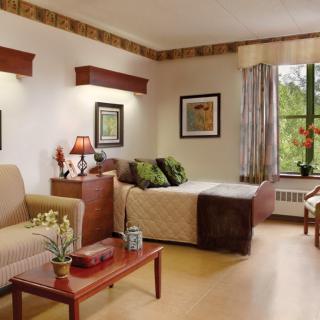
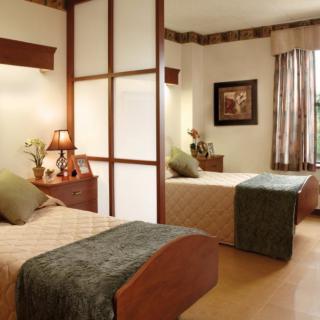
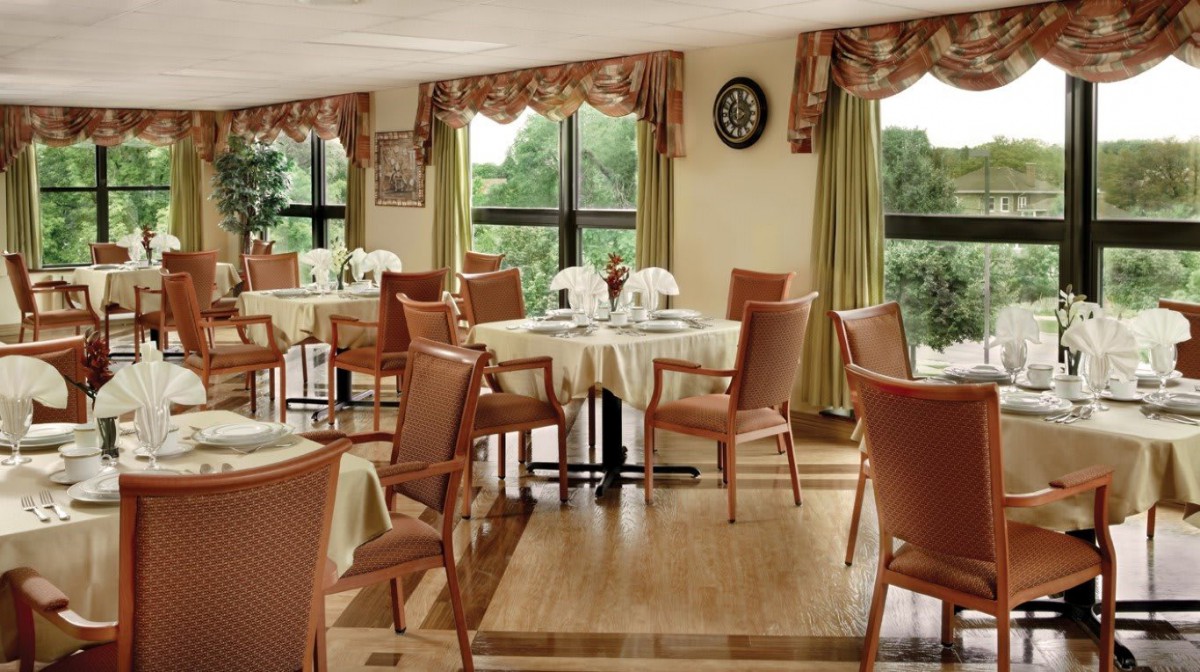
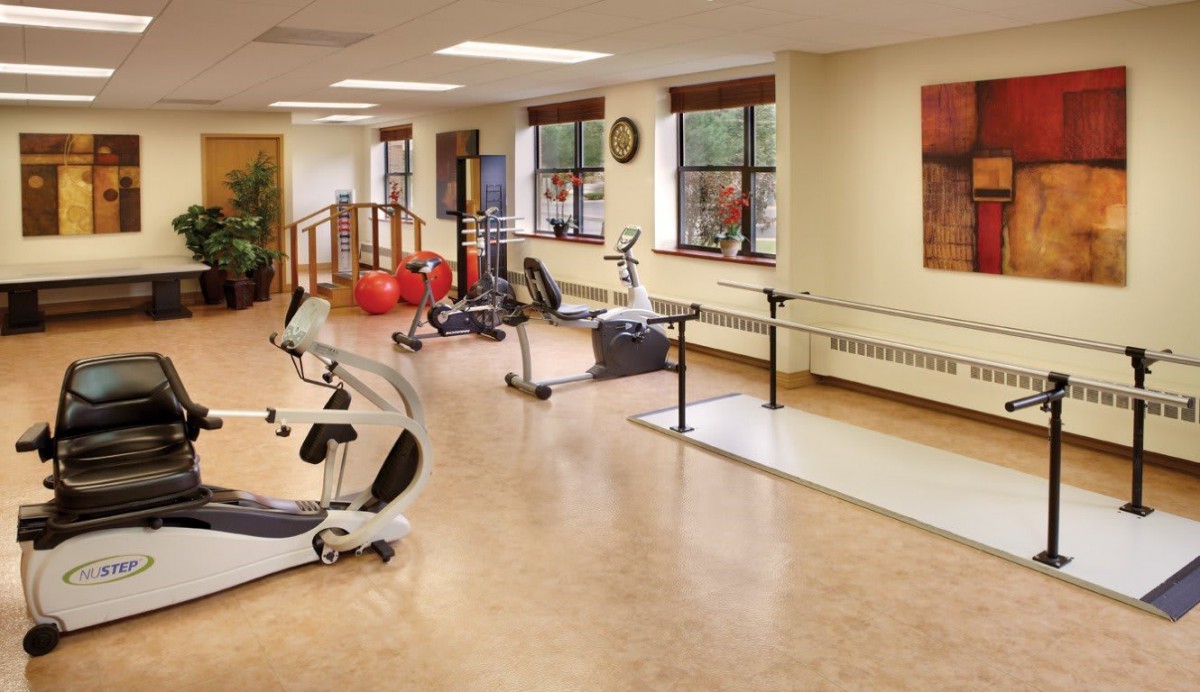
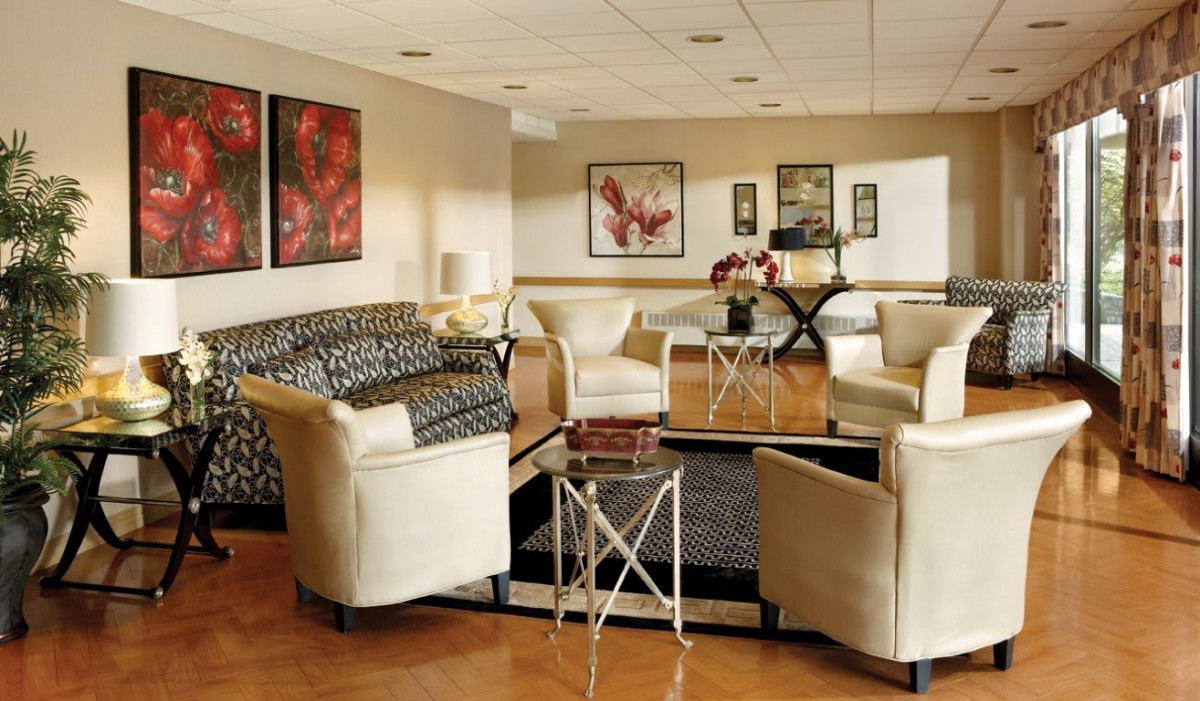
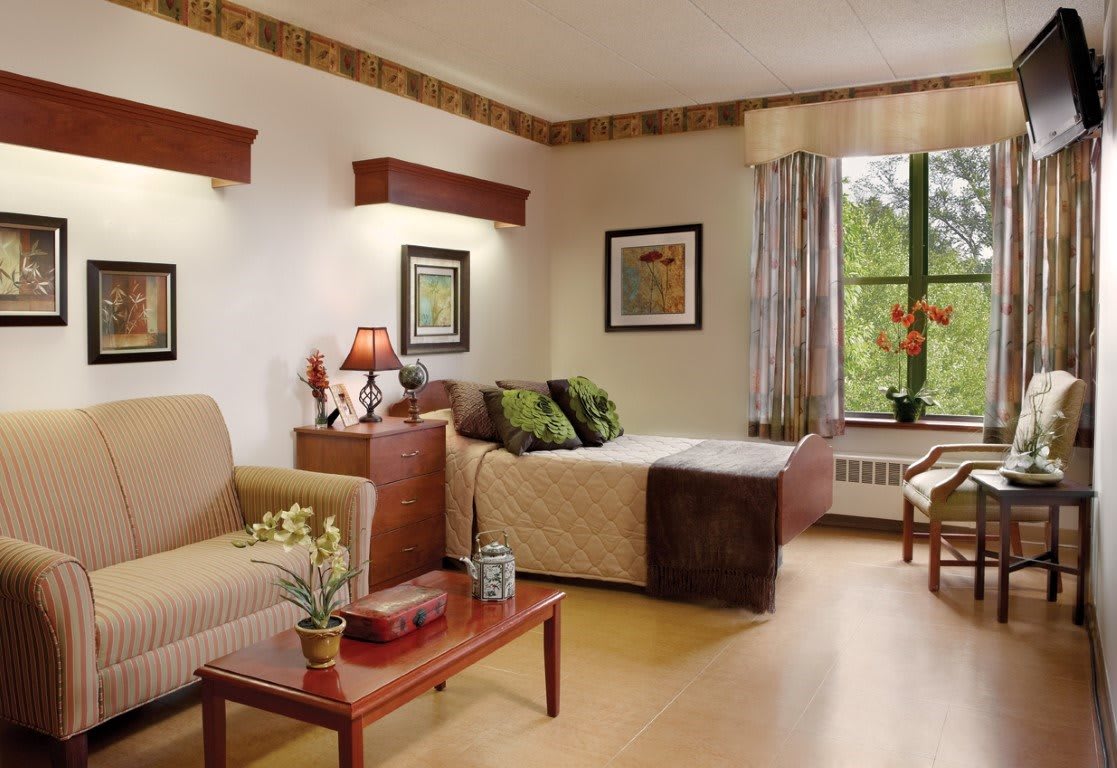
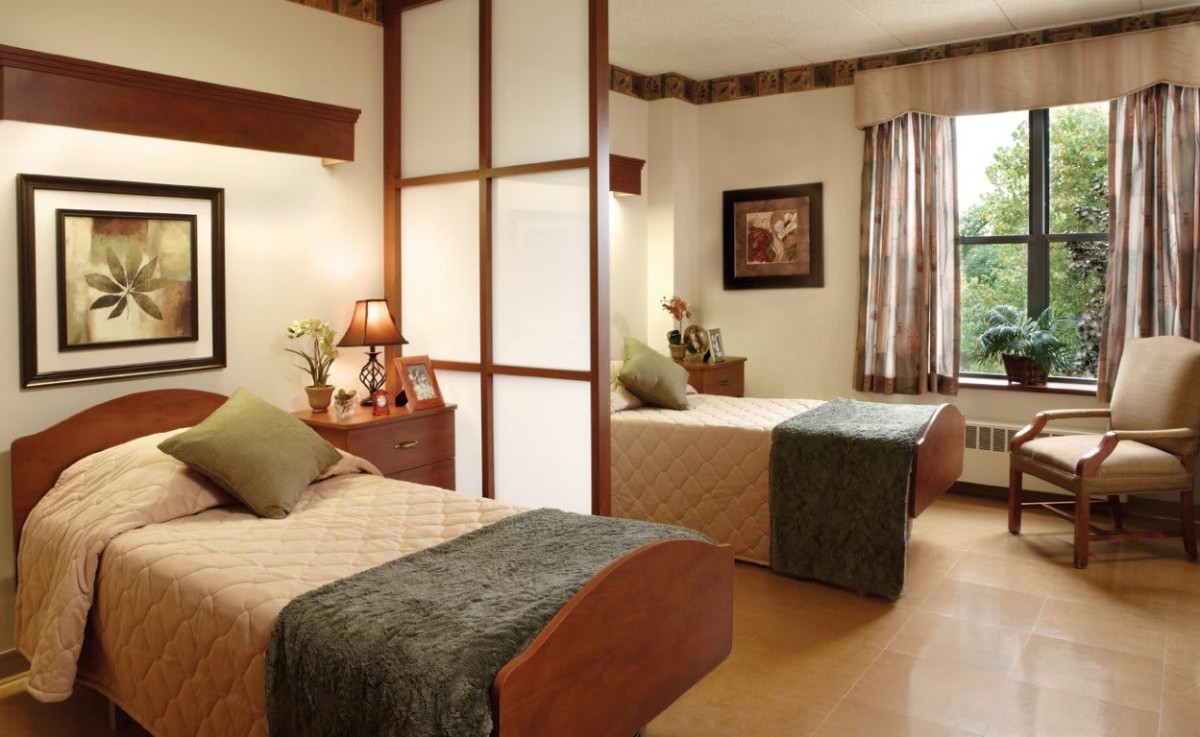
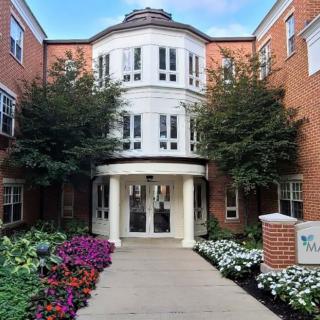
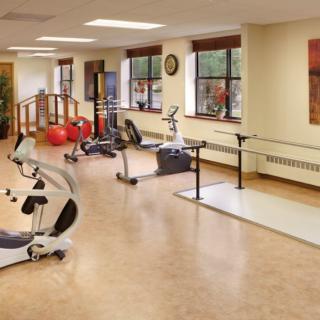
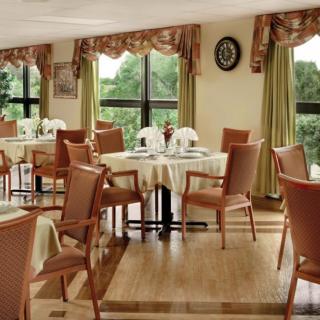
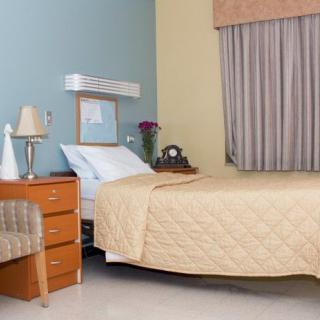
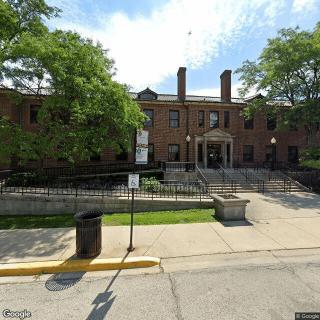
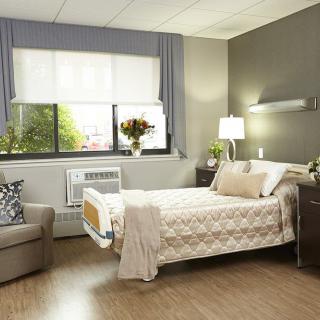
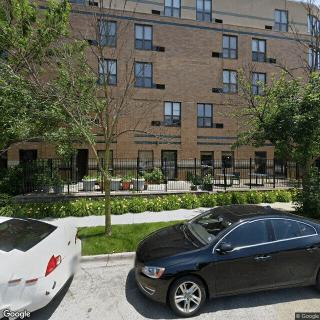
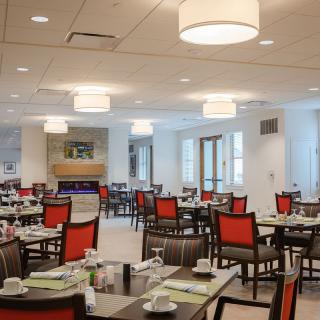
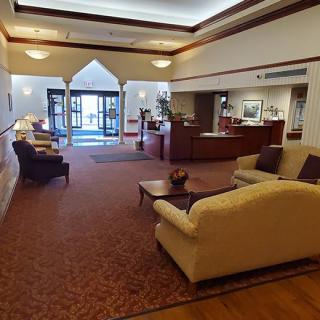
Harmony Nursing & Rehabilitation on seniors.fyi includes 6 photos including images showing interior, decor, windows, bedroom, dining, artwork, gym, exercise, and more.
Nearby Communities
Harmony Nursing & Rehab Center
Chicago, IL
4.8 from 120 reviews
Extensive amenities and around-the-clock supervision.
Fairmont Care
Chicago, IL
4.1 from 141 reviews
$4,800 / month
Strong RNs and wound care team with clean facilities and engaging activities.
Ambassador Nursing & Rehab Center
Chicago, IL
3.1 from 93 reviews
Comprehensive care with 24/7 supervision and varied amenities.
Senate Apartments
Chicago, IL
4.3 from 3 reviews
Vibrant, active lifestyle with easy access to cafes, restaurants, parks, pharmacies, healthcare, transportation, and a nearby theater.
Prete Apartments
Chicago, IL
5 from 1 review
$2,895 to $6,095 / month
Competitive pricing with extensive nearby amenities.
Elston Nursing & Rehab Centre
Chicago, IL
4 from 30 reviews
24/7 care with extensive amenities (on-site salon, restaurant-style dining, wellness center, fitness, garden, library, and activities).
Friedman Place for the Blind and Visually Imp
Chicago, IL
4.4 from 20 reviews
$2,882 to $3,182 / month
Specialized, accessible living for the visually impaired with on-site services.
Carrington at Lincolnwood
Lincolnwood, IL
4.5 from 106 reviews
$3,425 to $4,395 / month
Friendly staff and an active, clean environment with engaging activities.
Paul House and Healthcare Center
Chicago, IL
3.7 from 90 reviews
$2,793 to $5,221 / month
Attentive staff and open communication with families.
Hospice care focuses on providing comfort and support for individuals nearing the end of life, with Medicare Part A covering services like nursing care and counseling for patients with a terminal illness and a life expectancy of six months or less. While most hospice services are low-cost for eligible patients, families should be aware that certain expenses, such as room and board, may not be covered.
Caregiver burnout is a common issue resulting from the intense physical, emotional, and mental demands of caregiving, leading to symptoms like fatigue and social withdrawal. To prevent burnout, caregivers should recognize early warning signs and implement self-care strategies, seek support, and prioritize their own well-being alongside that of those they care for.
Caregiver exhaustion, or burnout, stems from the relentless demands of caregiving, leading to emotional and physical depletion characterized by stress, frustration, and neglect of personal needs. Addressing this burden is essential to prevent long-term consequences, with early recognition and support being crucial for caregivers to maintain balance and implement self-care.
Exercise Equipment, Gym, Rehabilitation, Exercise, and Workout Room
Get PricingAsk A QuestionSchedule A TourContact Senior Advisor
By clicking submit, you agree to our Partner's Terms of Use. You
also consent to receive calls and texts, which may be autodialed, from our Partner. Your consent is not a condition to
using our Partner's service. Please visit our Partner's Privacy Policy for information about their privacy practices.





 Skilled Nursing Facility
 Activities off-site
 Bath tubs
 Beautician on-site
 Devotional services off-site
 Indoor common areas
 Outdoor common areas
 Private
 Respite or short term stays offered
 Wheelchair accessible showers
 Chicago O'Hare International (9 miles away)
 Diabetic care
 High acuity care
 Incontinence care
 Medication management
 Anytime dining
 Catholic services
 Jewish services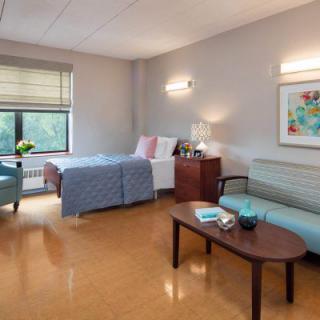
 Extensive amenities and around-the-clock supervision.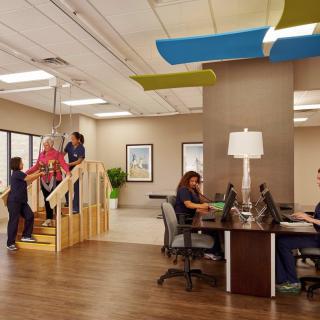
 Comprehensive Guide to Medicare Coverage for Hospice Care
 Caring for Those Who Care: Recognizing, Understanding, and Overcoming Caregiver Burnout
 Caregiver Exhaustion: Recognizing the Signs and Restoring Your Well-Being