Harmony Nursing & Rehab Center in Chicago, IL

Save

  • Interior

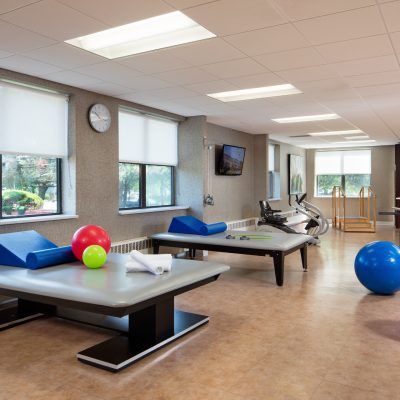
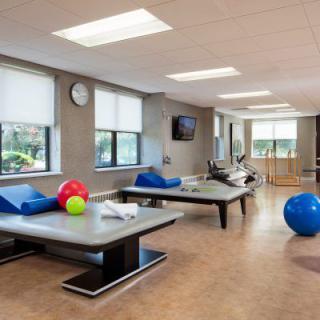
    A therapy room equipped with exercise tables and various rehabilitation tools.
  • Living Room

    A stylish and modern living room with comfortable seating and elegant decor.
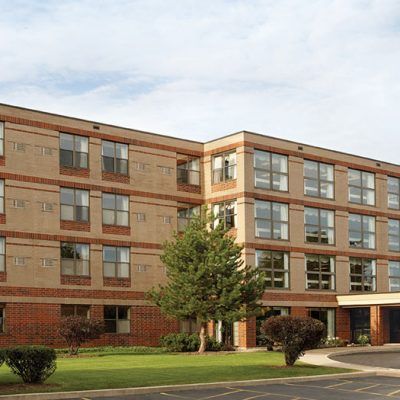
  • Building

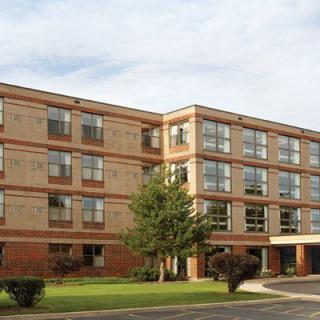
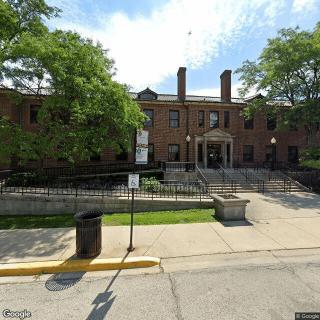
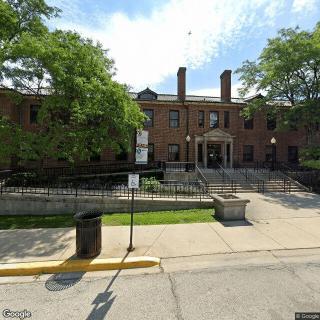
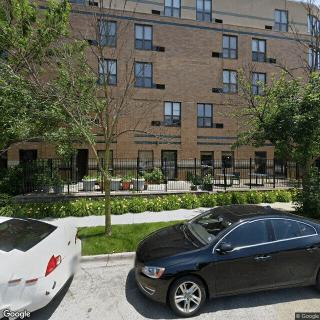
    A brick residential apartment building with a well-maintained landscape and trees in front.
  • Bedroom

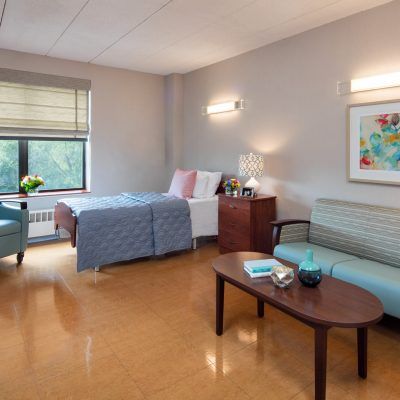
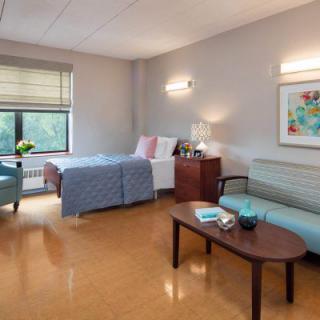
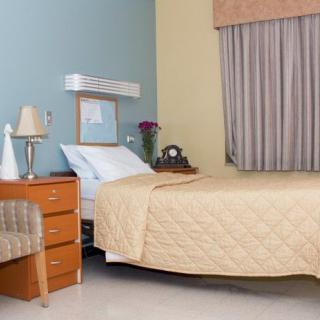
    A well-lit hospital room with a bed, sofa, and artwork on the wall.
  • Windows

    A bright and tidy hair salon interior with mirrors, chairs, and floral decorations.
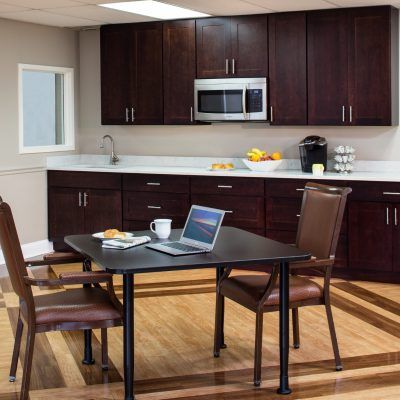
  • Kitchen

    A modern office kitchen setup with a table and chairs, featuring a laptop and various kitchen appliances.
  • Lighting

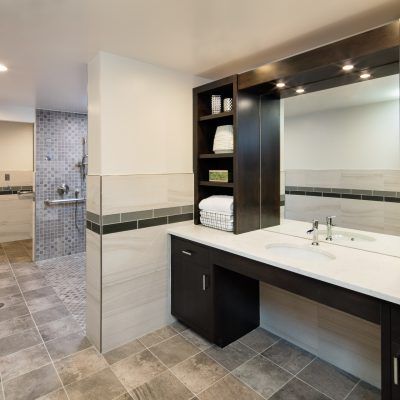
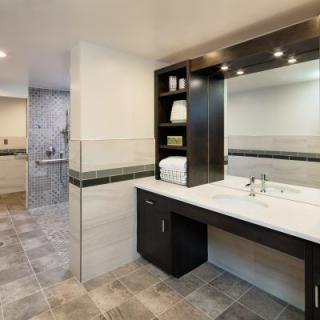
    A modern bathroom with a sleek sink, large mirror, and tiled flooring.
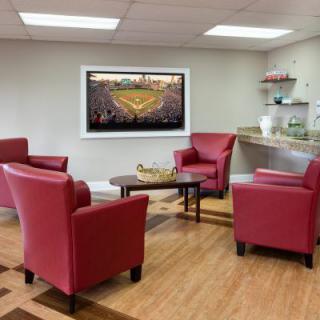
  • Seating Area

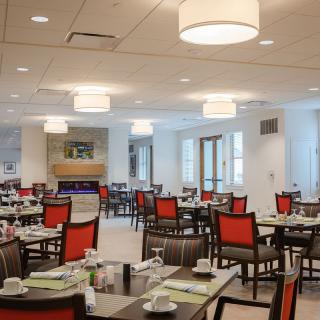
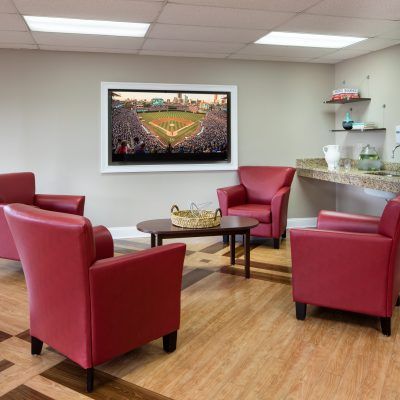
    A cozy lounge area featuring red chairs, a flat-screen TV, and a small beverage station.
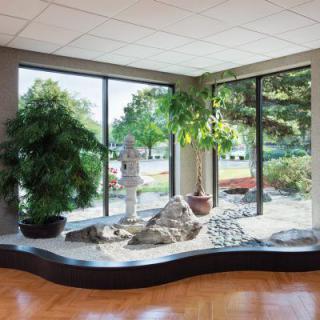
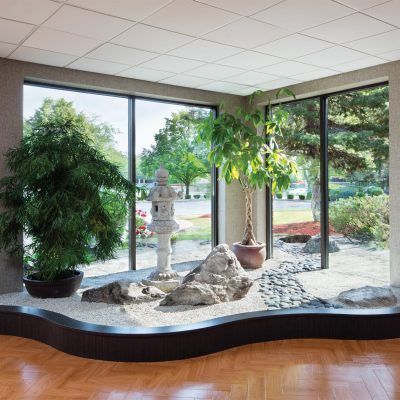
  • Natural Light

    A serene indoor zen garden features a rock arrangement and lush plants, illuminated by natural light streaming through large windows.
  • Wall Art

    A well-organized hospital room featuring two beds with blue bedspreads, separated by a curtain and accompanied by wooden furniture and decorative elements.
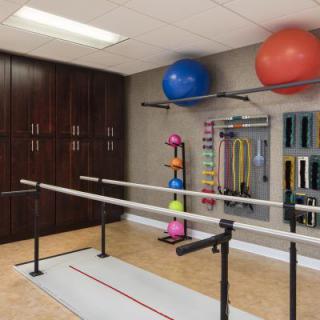
  • Exercise Equipment

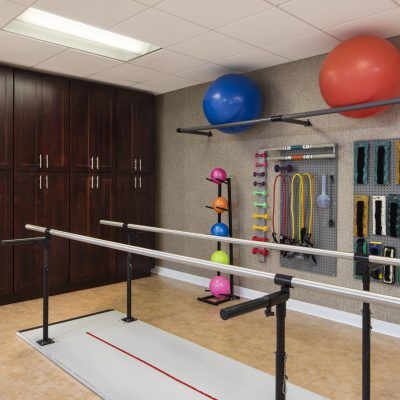
    A rehabilitation room equipped with parallel bars, exercise balls, medicine balls, and resistance bands.

Harmony Nursing & Rehab Center in Chicago, IL

3919 West Foster Avenue, Chicago, IL 60625

For more information about senior living options: (844) 490-3973

4.7 from 110 reviews
5 stars
103
4 stars
0
3 stars
0
2 stars
0
1 stars
7

Seniors.FYI Elite Community Awards

Top 5% Senior Living Community in 2026

Add this award to your website

Overall Review of Harmony Nursing & Rehab Center

Pros

  • pro Harmony provides clean facilities and friendly staff.
  • pro The staff, including Maria, are very helpful and caring.
  • pro Harmony staff delivered amazing care for loved ones during rehab, with Ray and Ada offering outstanding support.
  • pro Harmony offers a safe and kind environment for recovery, with clear communication across shifts.
  • pro The rehabilitation unit is very clean and staffed by kind, attentive professionals.
  • pro Staff treat residents with respect and dignity.
  • pro The activities team brings joy, creativity, and meaningful engagement to residents.
  • pro Harmony is highly recommended for rehabilitation due to its compassionate, professional care.
  • pro The nurses and CNAs are attentive, patient, and thorough, helping residents make progress.
  • pro The front desk and administrative team contribute to a welcoming, supportive atmosphere.

Cons

  • pro The dad's stay was the worst; he never received timely help and nurses were nowhere to be found when he fell.
  • pro Harmony HCC violated the reviewer’s DPOA and HIPAA rights.
  • pro End-of-life care at Harmony HCC was not properly provided.
  • pro The grandmother was left in soiled diapers for extended periods.
  • pro The facility prioritized billing over patient care and seemed ready to discharge patients once insurance stopped.
  • pro An unauthorized visitor filmed residents and posted it on social media, violating HIPAA.

Review

Harmony Nursing & Rehab Center in Chicago is best suited for families prioritizing strong post-acute rehabilitation, a warm social environment, and consistently friendly, attentive staff. This community tends to shine for residents entering short- to medium-term recovery after surgery or illness, where coordinated care from nurses, therapists, and aides can drive measurable progress. Families seeking a clean, welcoming setting with active engagement programs, regular meal service, and a collaborative approach among clinical teams will find Harmony a practical fit. The facility’s reputation for cleanliness, approachable front-line staff, and a robust therapy lineup makes it a compelling choice for those focused on getting back to independence through rehab. It also works well for residents who want to stay connected through meaningful activities and social interactions, provided there is ongoing family involvement and clear expectations about care goals.

The strongest pros are unmistakable: a genuinely caring staff across shifts, a vigorous therapy program, and an emphasis on engagement. CNAs and nurses are frequently cited as attentive, patient, and respectful, with specific mentions of Ray, Ada, and others whose day-to-day support helps residents stay safe and engaged. The activity department, led by Edelyn and Andy, consistently delivers creative programming that keeps residents participating, smiling, and connected to their peers. Families repeatedly highlight the DON and administration for leadership that communicates and coordinates care across disciplines. Cleanliness and a well-maintained environment further reinforce the sense that Harmony is a place where residents can feel at home while pursuing rehabilitation and recovery. For many, these elements translate into tangible peace of mind during a stressful transition.

Yet the reviews reveal consequential caveats that cannot be ignored. A subset of families reports troubling experiences on longer-term or memory-care trajectories: residents who become bedridden sometimes receive inconsistent attention, with accounts of soiled management and meals left untouched when feeding assistance is needed. End-of-life and privacy concerns appear in several reviews, including allegations of HIPAA violations and questions about how DPOA decisions were handled, which understandably shake trust. Communication gaps also surface, families describe limited updates or unclear pathways to escalate concerns, and some long-term stays bear burden of higher costs with mismatched expectations about the level of care delivered. These are not rare anecdotes; they are persistent enough to warrant serious consideration for anyone evaluating Harmony as a long-term home.

That mix of outstanding rehab-focused strengths and notable, sometimes serious, deficiencies suggests a nuanced calculus. The proven value in physical and occupational therapy, wound care, and daily supportive interactions can offset most concerns for residents pursuing recovery and a temporary placement. The same strengths give families confidence in short stays where gains are measurable and well-supported by staff. However, for residents with advanced dementia, chronic end-of-life needs, or those requiring consistent, high-touch supervision and private privacy protections, the risks highlighted by some families may outweigh the benefits. In short, Harmony delivers remarkable rehab momentum and a welcoming culture, but it cannot be assumed to be flawless in long-term, high-dependency scenarios without proactive family oversight and explicit systems to address the documented gaps.

Practical decision guidance should center on expectations and safeguards. Prospective families should verify floor-specific staffing ratios and request a transparent, written care plan with measurable goals and regular progress notes. Tour every floor, speak with frontline staff and multiple nurses, and ask how handoffs are managed across shifts to ensure continuity. Inquire about memory-care programming, dedicated staff for residents with dementia, and the facility’s approach to end-of-life care, including communication protocols with families and DPOA representatives. Request concrete answers about HIPAA training, privacy safeguards, and how outside guardians are involved in critical decisions. Finally, insist on trial visits or staged stays if possible, and set regular review meetings with the administrator and DON to monitor whether care aligns with expectations over time.

The bottom line is decisive. Harmony is a compelling option for families prioritizing effective rehabilitation, a clean, friendly environment, and a staff-driven culture of care. For these goals, it often delivers excellent results, supported by a strong therapy footprint and a compassionate team. At the same time, the facility warrants caution for residents who require stable, high-level long-term or memory-care support, given the reported inconsistencies in ongoing care, privacy issues, and communication lapses. When rehabilitation and daily engagement are the priority, Harmony stands out as a solid, informed choice. If long-term, highly complex needs or unwavering consistency in care delivery are non-negotiable, it pays to compare alternatives and seek assurances, especially about privacy, family communication, and governance, before committing.

Features

Housing

  • 180 resident community capacity 180 resident community capacity

Types of Care

  • Skilled Nursing Facility Skilled Nursing FacilitySkilled Nursing Facilities are crucial for seniors as they provide round-the-clock medical care, rehabilitation services, and assistance with daily activities. These facilities ensure that seniors receive the specialized care they need to maintain their health and well-being as they age.

Amenities

  • Air-conditioning Air-conditioningAir conditioning is important for seniors as they are more vulnerable to heat-related illnesses and may have underlying health conditions that make it difficult for them to regulate their body temperature. It helps to keep them comfortable, safe, and healthy in hot weather.
  • Beauty salon Beauty salonBeauty salons are important for seniors because they provide a space for them to feel pampered, socialize, and maintain their personal grooming and hygiene. Regular visits to a beauty salon can help boost seniors' self-esteem and overall well-being.
  • Cable or satellite TV Cable or satellite TVCable or satellite TV is important for seniors because it provides entertainment, news, and companionship, helping to combat loneliness and boredom. It also offers a wide range of programming options tailored to different interests and preferences.
  • Computer center Computer centerA computer center is essential for seniors as it provides access to technology, communication tools, and resources that can enhance their daily lives. It allows them to stay connected with loved ones, engage in online activities, and learn new skills, ultimately promoting socialization and mental stimulation.
  • Dining room Dining roomDining rooms are important for seniors as they provide a space for socialization, connection, and nutritious meals. They offer opportunities for residents to bond over shared meals, foster a sense of community, and promote healthy eating habits. Dining rooms also ensure that seniors have access to well-balanced meals tailored to their dietary needs and preferences.
  • Fitness room Fitness roomHaving a fitness room in a senior living community is essential for seniors to stay active, maintain their physical health, and improve their overall well-being. Regular exercise can help prevent falls, reduce the risk of chronic diseases, and promote mental sharpness. It also provides social opportunities for residents to connect with others and enjoy a sense of community.
  • Fully furnished Fully furnishedFully furnished senior living communities are important for seniors because they provide convenience, comfort, and a hassle-free moving experience. Seniors can easily settle into their new living space without the stress of having to buy and move furniture. This allows them to focus on enjoying their new home and community.
  • Gaming room Gaming roomGaming rooms are important for seniors as they provide a fun and engaging environment for socializing, cognitive stimulation, and physical activity. Games can improve memory, problem-solving skills, and overall mental well-being while fostering friendships and reducing feelings of isolation.
  • Garden GardenGardens are important for seniors as they provide a peaceful and therapeutic environment for relaxation, physical activity, and socialization. Being in nature has been shown to reduce stress, improve mood, and promote overall well-being. Gardens also offer opportunities for seniors to engage in gardening activities, which can improve mobility, flexibility, and cognitive function. Additionally, gardens create a sense of community and connection with others who share a passion for plants and outdoor spaces.
  • Housekeeping services Housekeeping servicesHousekeeping services are important for seniors because they help maintain a clean and safe living environment, promote independence, and reduce the risk of accidents or illnesses. Additionally, having assistance with household chores can alleviate physical strain and allow seniors to focus on other aspects of their well-being.
  • Kitchenette KitchenetteKitchenettes are important for seniors living in senior living communities because they provide the convenience and independence of being able to prepare simple meals and snacks in the comfort of their own living space. This can help promote a sense of autonomy and well-being for seniors, allowing them to maintain some level of control over their dietary choices and daily routines.
  • Move-in coordination Move-in coordinationMove-in coordination is important for seniors because it helps ease the transition into their new living environment. It ensures that all logistics, such as packing, organizing movers, and setting up utilities are taken care of, allowing seniors to focus on settling in and adjusting to their new home. Having a smooth move-in process can alleviate stress and anxiety, making the transition smoother and more enjoyable for seniors.
  • Outdoor space Outdoor spaceOutdoor spaces are important for seniors as they provide opportunities for physical activity, social interaction, exposure to natural light and fresh air, and a sense of connection to nature. Having access to outdoor spaces can improve overall well-being and quality of life for older adults living in senior communities.
  • Private bathrooms Private bathroomsPrivate bathrooms are important for seniors in senior living communities because they provide independence, dignity, and comfort. Having a private bathroom allows seniors to maintain their personal hygiene routines without the need for assistance, promoting a sense of autonomy and privacy. Additionally, private bathrooms help prevent the spread of infections and provide a safe and clean environment for seniors to navigate safely.
  • Restaurant-style dining Restaurant-style diningRestaurant-style dining is important for seniors because it allows them to enjoy delicious, nutritious meals in a social and upscale setting. This enhances their dining experience, promotes healthy eating habits, and fosters socialization with fellow residents, ultimately contributing to their overall well-being and quality of life.
  • Small library Small librarySmall libraries are important for seniors as they provide access to a variety of reading materials, including books, newspapers, and magazines. This can help stimulate their minds, keep them engaged, and provide a sense of community through book clubs and other social activities. Additionally, reading has been shown to improve cognitive function and overall mental well-being in older adults.
  • Telephone TelephoneTelephones are important for seniors as they provide a lifeline for communication with loved ones, emergency services, and healthcare providers. They offer a sense of security and independence, enabling seniors to stay connected and access assistance when needed.
  • Wellness center Wellness centerWellness centers are important for seniors because they offer a variety of programs and services that promote physical, mental, and emotional well-being. These centers provide opportunities for exercise, socialization, education, and relaxation, helping seniors maintain their overall health and quality of life.
  • Wi-Fi/high-speed internet available Wi-Fi/high-speed internet availableWi-Fi/high-speed internet is important for seniors to stay connected with loved ones, access online resources, and participate in virtual activities to combat feelings of loneliness and isolation. It also allows them to easily manage healthcare needs, access entertainment, and engage in lifelong learning opportunities.

Transportation

  • Chicago O'Hare International (9 miles away) Chicago O'Hare International (9 miles away)
  • Chicago Midway (13 miles away) Chicago Midway (13 miles away)
  • Community operated transportation Community operated transportationCommunity operated transportation is crucial for seniors as it provides them with the means to access essential services, social activities, and medical appointments. It allows seniors to maintain their independence and quality of life by ensuring they can participate in activities outside of their homes. Additionally, community-operated transportation services offer a safe and reliable way for seniors to travel without having to rely on family or friends for assistance.
  • Transportation arrangement Transportation arrangementTransportation arrangements are crucial for seniors as they may face challenges with driving, mobility, or access to public transportation. Having reliable transportation services ensures that seniors can easily attend appointments, social activities, and maintain their independence and quality of life.
  • Transportation arrangement (non-medical) Transportation arrangement (non-medical)Transportation arrangements are essential for seniors as they provide access to essential services, activities, and social interactions outside the home. This service helps maintain independence, mobility, and overall well-being for seniors who may have limited transportation options.
  • Transportation to doctors appointments Transportation to doctors appointmentsTransportation to doctors appointments is crucial for seniors as it ensures they have access to necessary medical care and support, promoting their health and well-being. It allows them to receive timely treatment, monitor existing conditions, and address any new health concerns efficiently. Additionally, transportation services can help seniors maintain their independence and quality of life by enabling them to stay connected with their healthcare providers.

Care Services

  • 12-16 hour nursing 12-16 hour nursing12-16 hour nursing care is crucial for seniors in order to ensure around-the-clock monitoring, timely medication administration, and prompt response to any health concerns or emergencies. This level of care helps to promote the overall well-being and safety of seniors living in senior living communities.
  • 24-hour call system 24-hour call system24-hour call systems are important for seniors because they provide peace of mind and immediate assistance in case of emergencies. This technology ensures that help is always available, promoting safety and security for elderly individuals living alone or in assisted living facilities.
  • 24-hour supervision 24-hour supervision24-hour supervision is important for seniors to ensure their safety, well-being, and access to immediate assistance in case of emergencies or health issues. This constant support provides peace of mind for both seniors and their loved ones, allowing them to age in place with dignity and security.
  • Activities of daily living assistance Activities of daily living assistanceActivities of daily living assistance are important for seniors because they provide essential support with tasks such as eating, bathing, dressing, and mobility. This assistance helps seniors maintain their independence, dignity, and overall quality of life as they age.
  • Assistance with bathing Assistance with bathingAssistance with bathing is crucial for seniors as it helps maintain personal hygiene, prevents infections, and ensures their overall well-being and comfort. It also provides a sense of dignity and independence for seniors who may struggle with this task on their own.
  • Assistance with dressing Assistance with dressingAssistance with dressing is important for seniors because it helps maintain their independence, promotes personal hygiene, prevents accidents and injuries, and improves overall quality of life. This service ensures that seniors can continue to dress comfortably and confidently, despite any physical limitations they may have.
  • Assistance with transfers Assistance with transfersAssistance with transfers is crucial for seniors as it helps prevent falls and injuries, maintains their independence, and ensures they can safely navigate their living environment. It also provides peace of mind for both seniors and their loved ones.
  • Diabetes diet Diabetes dietA diabetes diet is crucial for seniors as it helps manage blood sugar levels, reduce risks of complications, and improve overall health and well-being. By following a balanced and nutritious diet tailored to their specific needs, seniors can better control their diabetes and enhance their quality of life.
  • Meal preparation and service Meal preparation and serviceMeal preparation and service are crucial for seniors as they may have limited mobility or energy to cook nutritious meals. Having access to healthy and convenient food options can ensure they are getting the proper nutrition needed to maintain their overall health and well-being.
  • Medication management Medication managementMedication management is crucial for seniors to ensure they are taking the right medications at the correct dosages and times. This helps prevent adverse drug interactions, reduces the risk of medication errors, and promotes overall health and well-being. Proactive management also allows for adjustments as needed based on changing health conditions or new prescriptions.
  • Mental wellness program Mental wellness programMental wellness programs are essential for seniors as they promote cognitive stimulation, emotional support, and social engagement. These programs help prevent isolation, depression, and cognitive decline, ultimately enhancing the overall quality of life for older adults.
  • Special dietary restrictions Special dietary restrictionsSpecial dietary restrictions are important for seniors because age-related changes in metabolism and health conditions can make it difficult for their bodies to process certain foods. By following a diet tailored to their specific needs, seniors can maintain their overall health and well-being, manage chronic conditions, and reduce the risk of complications such as malnutrition or food interactions with medications.

Dining

  • Diabetes diet Diabetes dietA diabetes diet is crucial for seniors as it helps manage blood sugar levels, reduce risks of complications, and improve overall health and well-being. By following a balanced and nutritious diet tailored to their specific needs, seniors can better control their diabetes and enhance their quality of life.
  • Special dietary restrictions Special dietary restrictionsSpecial dietary restrictions are important for seniors because age-related changes in metabolism and health conditions can make it difficult for their bodies to process certain foods. By following a diet tailored to their specific needs, seniors can maintain their overall health and well-being, manage chronic conditions, and reduce the risk of complications such as malnutrition or food interactions with medications.

Activities

  • Community-sponsored activities Community-sponsored activitiesCommunity-sponsored activities are important for seniors as they provide opportunities for social interaction, mental stimulation, and physical activity. These activities can help improve overall well-being, combat loneliness and isolation, and promote a sense of belonging and purpose among older adults.
  • Concierge services Concierge servicesConcierge services are essential for seniors as they provide assistance with daily tasks and errands, enhance their quality of life by offering convenience and personalized care, and promote a sense of safety and security.
  • Fitness programs Fitness programsFitness programs are crucial for seniors as they help improve strength, flexibility, balance, and overall well-being. Staying active can reduce the risk of chronic diseases, improve mental health, and enhance quality of life in older adults.
  • Planned day trips Planned day tripsPlanned day trips are important for seniors because they offer opportunities for socialization, mental stimulation, and physical activity. They provide a change of scenery and help seniors stay engaged and connected to their community, promoting overall well-being and quality of life.
  • Resident-run activities Resident-run activitiesResident-run activities are important for seniors as they encourage social interaction, creativity, and a sense of autonomy. These activities empower seniors to stay engaged and active in their community while fostering meaningful connections with their peers.
  • Scheduled daily activities Scheduled daily activitiesScheduled daily activities are important for seniors because they provide structure, socialization, mental stimulation, and physical activity. Engaging in regular activities can improve overall well-being and quality of life for seniors living in a community setting.

Description

Harmony Nursing & Rehab Center is an assisted living community located in Chicago, IL. We offer a wide range of amenities and care services to ensure our residents live comfortably and receive the support they need.

Our amenities include a beauty salon, cable or satellite TV, community-operated transportation, a computer center, a dining room, a fitness room, and fully furnished accommodations. We also have a gaming room, a garden, housekeeping services, kitchenettes in each unit, move-in coordination assistance, outdoor spaces for relaxation, private bathrooms for added privacy, restaurant-style dining options for delicious meals, and a small library for leisurely reading. Additionally, we provide telephone service and Wi-Fi/high-speed internet access to keep our residents connected.

In terms of care services, we have a 24-hour call system to ensure help is always available when needed. Our staff provides round-the-clock supervision and assistance with activities of daily living such as bathing, dressing, and transfers. We also offer specialized care including diabetes diets and management of medication. Our mental wellness program is designed to promote emotional well-being among our residents.

At Harmony Nursing & Rehab Center, we believe in providing a vibrant and engaging lifestyle for our residents. We offer concierge services to assist with various needs and organize fitness programs to encourage physical activity. Planned day trips are organized to explore the city and nearby attractions. Resident-run activities are arranged regularly to foster social connections within the community. Additionally, we have scheduled daily activities to ensure there is always something exciting happening.

Our community enjoys easy access to various amenities nearby. There are 8 cafes within close proximity for residents who prefer dining out or meeting friends over coffee. Nature lovers will appreciate the 15 parks nearby where they can enjoy walks or picnics in green surroundings. For pharmaceutical needs, there are 46 pharmacies conveniently located nearby. There are also 2 physicians in close proximity for medical attention if required. Residents have a choice of 17 restaurants for dining out and exploring different cuisines. Transportation options are readily available with 7 nearby locations. For entertainment, there are 2 theaters in the area where residents can catch a movie or enjoy live performances. And lastly, for any medical emergencies or specialized care, there are 3 hospitals located nearby.

At Harmony Nursing & Rehab Center, we strive to create an environment that promotes comfort, independence, and a sense of community among our residents.

Nearby Places of Interest

Pharmacies

  • CVS Pharmacy (1.2 miles)
  • Walgreens (1.4 miles)
  • Walgreens (1.5 miles)
  • Walgreens (1.5 miles)
  • Walgreens (1.7 miles)
  • Walgreens (1.8 miles)
  • Walgreens (1.8 miles)

Hospitals

  • Swedish Covenant Hospital Cancer Care (1.4 miles)
  • Saint Francis Hospital (4.1 miles)
  • Advocate Illinois Masonic Medical Center (4.7 miles)

Parks

  • Independence Park (1.5 miles)
  • Horner Park (1.8 miles)
  • Portage Park (2.3 miles)
  • Warren Park (2.7 miles)
  • Unity Playlot Park (3.2 miles)
  • Logan Boulevard (3.5 miles)
  • Hamlin Park (3.5 miles)

Transportation

  • Cta (1.8 miles)
  • Jefferson Park Bus Terminal (1.8 miles)
  • Cta (3.6 miles)
  • CTA Jarvis (4.1 miles)
  • Cta (4.1 miles)
  • Cta (4.2 miles)
  • CTA - Belmont (4.5 miles)

Restaurants

  • Culver's (2 miles)
  • Little Bad Wolf (3 miles)
  • SoFo Tap (3 miles)
  • Longman & Eagle (3.3 miles)
  • Chick-Fil-A (3.4 miles)
  • Superdawg Drive-In (3.4 miles)
  • McDonald's (4.1 miles)

Cafes

  • Starbucks (2.7 miles)
  • Starbucks (2.7 miles)
  • Starbucks (3.4 miles)
  • Starbucks (3.7 miles)
  • Starbucks (3.8 miles)
  • Little Beans Cafe (4 miles)
  • Starbucks (4.4 miles)

Physicians

  • North Shore Physicians Group (2.9 miles)
  • Resurrection Medical Center Professional Building (4.6 miles)

Theaters

  • AMC Village Crossing Theatre (3.1 miles)
  • Regal Webster Place (4.8 miles)

Frequently Asked Questions

Where is Harmony Nursing & Rehab Center?
What photos are available for Harmony Nursing & Rehab Center in Chicago, Illinois?

Nearby Communities

  • Harmony Nursing & Rehabilitation

    Harmony Nursing & Rehabilitation

    Chicago, IL

    4.7 from 109 reviews
    $5,185 to $6,100 / month

    pro Clean, inviting environment with spacious rooms and strong physical therapy; good dining options.
  • Fairmont Care

    Fairmont Care

    Chicago, IL

    4.1 from 132 reviews
    $4,800 / month

    pro Strong RNs and wound care team with clean facilities and engaging activities.

  • Ambassador Nursing & Rehab Center

    Ambassador Nursing & Rehab Center

    Chicago, IL

    3.1 from 86 reviews
     

    pro Comprehensive care with 24/7 supervision and varied amenities.

  • Senate Apartments

    Senate Apartments

    Chicago, IL

    4.3 from 3 reviews
     

    pro Vibrant, active lifestyle with easy access to cafes, restaurants, parks, pharmacies, healthcare, transportation, and a nearby theater.

  • Prete Apartments

    Prete Apartments

    Chicago, IL

     
    $2,895 to $6,095 / month

    pro Competitive pricing with extensive nearby amenities.

  • Elston Nursing & Rehab Centre

    Elston Nursing & Rehab Centre

    Chicago, IL

    4 from 30 reviews
     

    pro 24/7 care with extensive amenities (on-site salon, restaurant-style dining, wellness center, fitness, garden, library, and activities).

  • Friedman Place for the Blind and Visually Imp

    Friedman Place for the Blind and Visually Imp

    Chicago, IL

    4.4 from 20 reviews
    $2,882 to $3,182 / month

    pro Specialized, accessible living for the visually impaired with on-site services.

  • Carrington at Lincolnwood

    Carrington at Lincolnwood

    Lincolnwood, IL

    4.5 from 106 reviews
    $3,425 to $4,395 / month

    pro Friendly staff and an active, clean environment with engaging activities.

  • Paul House and Healthcare Center

    Paul House and Healthcare Center

    Chicago, IL

    3.7 from 84 reviews
    $2,793 to $5,221 / month

    pro Attentive staff and open communication with families.

Related Resources

  • does medicare cover hospiceComprehensive Guide to Medicare Coverage for Hospice Care

    Hospice care focuses on providing comfort and support for individuals nearing the end of life, with Medicare Part A covering services like nursing care and counseling for patients with a terminal illness and a life expectancy of six months or less. While most hospice services are low-cost for eligible patients, families should be aware that certain expenses, such as room and board, may not be covered.

  • caregiver burnoutCaring for Those Who Care: Recognizing, Understanding, and Overcoming Caregiver Burnout

    Caregiver burnout is a common issue resulting from the intense physical, emotional, and mental demands of caregiving, leading to symptoms like fatigue and social withdrawal. To prevent burnout, caregivers should recognize early warning signs and implement self-care strategies, seek support, and prioritize their own well-being alongside that of those they care for.

  • caregiver burnoutCaregiver Exhaustion: Recognizing the Signs and Restoring Your Well-Being

    Caregiver exhaustion, or burnout, stems from the relentless demands of caregiving, leading to emotional and physical depletion characterized by stress, frustration, and neglect of personal needs. Addressing this burden is essential to prevent long-term consequences, with early recognition and support being crucial for caregivers to maintain balance and implement self-care.