
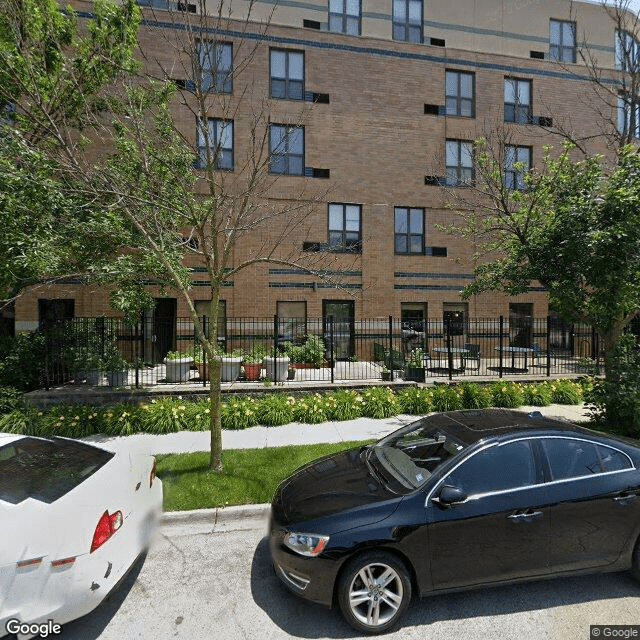
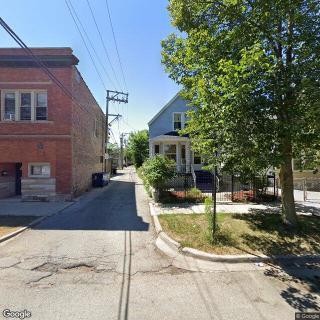
5527 N Maplewood, Chicago, IL 60625
To contact a resident: (773) 989-9800
For more information about senior living options: (866) 208-4318
Friedman Place for the Blind and Visually Imp Costs & Pricing
Friedman Place for the Blind and Visually Impaired offers competitive monthly rates for its residents, particularly when compared to the broader costs in Cook County and the state of Illinois. For a studio apartment, residents pay $2,882, significantly lower than the Cook County average of $3,762 and the state average of $4,028. Similarly, the one-bedroom unit at Friedman Place is priced at $3,182, which remains cost-effective compared to the county's average of $3,256 and Illinois' average of $3,527. These pricing structures reflect Friedman Place's commitment to providing affordable housing tailored specifically for individuals who are blind or visually impaired while ensuring that they receive supportive services in a comfortable environment.
| Floor plans | Friedman Place for the Blind and Visually Imp | Cook County | Illinois |
|---|---|---|---|
| Studio | $2,882 | $3,762 | $4,028 |
| 1 Bedroom | $3,182 | $3,256 | $3,527 |
Assisted Living communities with a similar price nearby
-
from +$413 / mo
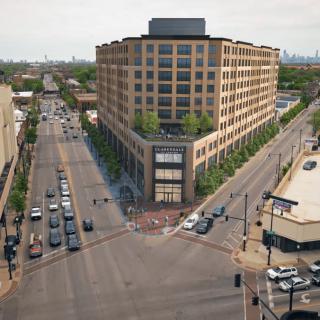
Clarendale Six Corners
$3,295 to $7,695 / month3.4 miles away -
from -$386 / mo
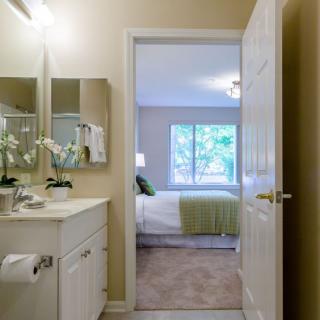
Sedgebrook
$2,496 to $7,925 / month18.3 miles away -
About the same

Eden Supportive Living
$2,900 to $3,500 / month2.6 miles away -
from +$143 / mo
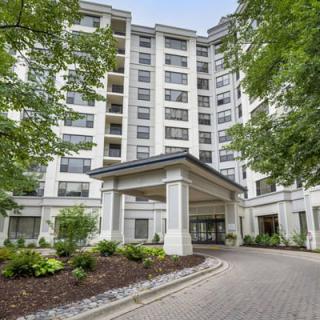
Brookdale Des Plaines
$3,025 to $4,710 / month10.6 miles away -
from +$393 / mo
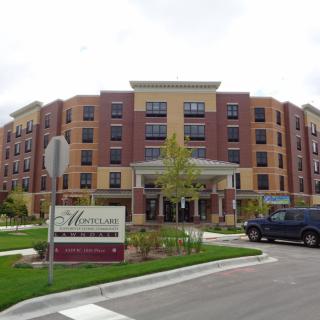
Montclare Supportive Living
$3,275 to $3,605 / month9.0 miles away
Overall Review of Friedman Place for the Blind and Visually Imp
Pros
 Friedman Place is a good place to live.
 - The food here is excellent.
- Everyone here is friendly and supportive.
- Each resident has unique personality traits that contribute to a welcoming community.
- The staff helps residents apply for jobs, and residents are encouraged to be proactive in pursuing employment.
- The residents and staff are wonderful.
- The facility is very clean and well maintained.
- It is the best live-in facility in the Midwest for visually impaired residents.
Cons
 G provides a fake image online and spent a whole year trying to get into the place that claimed to make life better, yet the resident had no job before moving in and, almost two years later, still does not have a job.
- The resident dislikes the food and the fact that they only receive $90, and notes that the facility takes their Link card.
- They say the staff tell residents they will help them get a job, but that promise is false.
- They would not suggest others come here if they want to be on their own.
Review
Friedman Place for the Blind and Visually Impaired is best suited for visually impaired adults who want an active, socially engaged living environment in Chicago and who thrive on daily interaction with peers who share similar challenges. This community shines for residents who value friendship, routine-based support, and accessible programming that centers around vision impairment. The culture rewards civility and respect, making it easier to build a personal network and a sense of belonging. Families should view this as a setting where independence is supported through community involvement, not a place that promises effortless self-sufficiency. Those seeking largely private living with minimal staff involvement or guaranteed, outcome-driven employment support may want to consider alternatives.
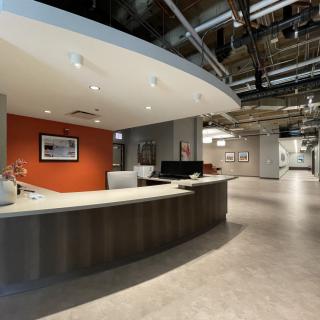
The strongest advantages lie in the atmosphere and the programming. Residents report a clean, well-kept facility with a staff that is repeatedly described as caring and responsive. The dining experience has improved under new leadership, yielding better food quality, while the schedule of activities is robust, on-site weaving, outings to plays and musicals, and even sailing have been offered. The sheer variety of events helps sustain social ties and keeps day-to-day life purposeful rather than routine. This environment appears particularly well-suited for individuals who gain energy from group participation and who appreciate opportunities to learn new skills alongside peers.
Another clear asset is the emotional and social support embedded in everyday interactions. The community is described as a positive force, with residents forming friendships and looking out for one another. Staff accessibility and warmth contribute to a sense of safety and trust, which matters deeply for individuals navigating vision challenges. The site also appears to foster respectful coexistence among residents, with programming and staff guidance reinforcing collaboration and mutual aid. For families evaluating options, these intangible benefits, feeling seen, heard, and included, often translate into higher daily satisfaction and fewer feelings of isolation.
However, several recurring concerns temper the overall impression. A common thread is uncertainty around job placement and the extent to which employment assistance actually delivers results. Some residents report that staff promote job-hunting help, yet do not see tangible outcomes, leaving hopeful participants feeling disappointed. Financial aspects also surface as potential friction: reports about stipends or benefits handling, including references to a limited cash amount and the handling of benefit cards, suggest that personal budgeting and autonomy can be more constrained than hoped. Food quality, while praised in some accounts, is not universally described as excellent, and a few residents indicate dissatisfaction with meals at times, underscoring that consistency may vary.
These cons do not wholly negate the positives, but they do shift the decision calculus. The programā€™s core strengths, a warm, engaged community; a rich slate of activities and social opportunities; clean facilities; and a culture that values respect and companionship, offer substantial payoff for residents who prioritize belonging and practical support in daily life. The limitations become meaningful for those who expect guaranteed employment outcomes, complete financial autonomy, or complete independence without relying on staff-led pathways. In short, pros substantially offset the cons for individuals who want a dignified, interactive living environment tailored to visual impairment.
The takeaway is practical and clear. Friedman Place is a strong fit for vision-impaired adults who want a welcoming, activity-rich community and who can tolerate variable job-support outcomes and modest financial constraints. It is less suitable for those whose top priorities are guaranteed employment, absolute independence, or private, low-interaction living. Prospective residents should probe the specifics of job assistance, benefit handling, and meal programs during tours, and should visit with an eye toward how the daily schedule aligns with personal rhythms and social goals. For families weighing options, this community delivers meaningful social capital, accessible programming, and a compassionate culture that can translate into a higher quality of life, provided the expectations are aligned with the realities of employment support and financial structure.
 Assisted Living
 Dogs allowed
 Activities off-site
 Beautician on-site
 Devotional services off-site
 Indoor common areas
 Outdoor common areas
 Wheelchair accessible showers
 Chicago O'Hare International (11 miles away)
 Diabetic care
 Kosher
 Adventist services
 Buddhist services
 Islamic services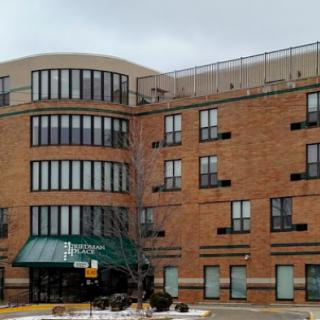



 Is Assisted Living Deductible on Your Taxes? Understanding the Complexities of Assisted Living Expenses and Deductions
 Assisted Living Support for Veterans: A Complete and Detailed Overview
 Exploring the Contrasts Between Assisted Living and Skilled Nursing