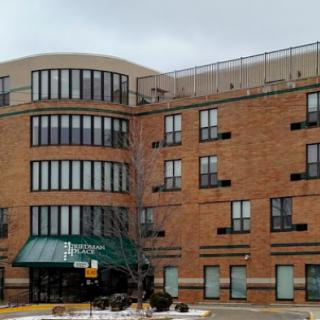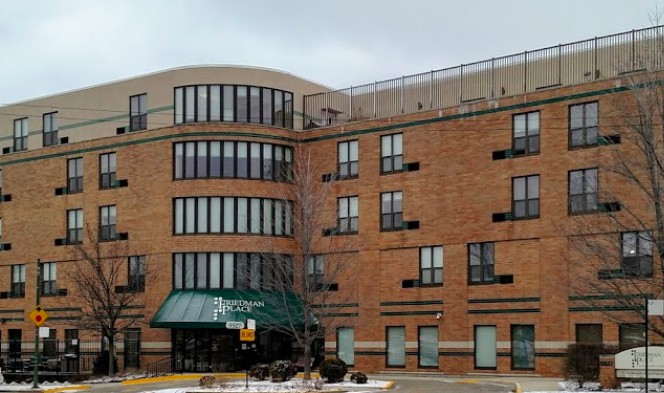
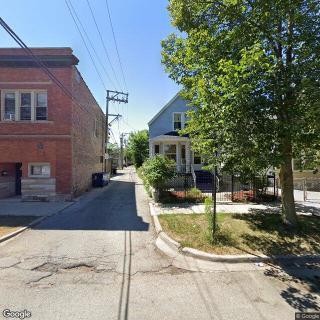
5527 North Maplewood, Chicago, IL 60625
For more information about senior living options: (866) 208-4318
Overall Review of Friedman Place
Pros
 Friedman Place is a good place to live.
- The food at Friedman Place is excellent.
- Residents and staff are wonderfully friendly.
- Each resident brings unique traits, enriching the community.
- The staff helps residents apply for jobs and encourages proactive outreach to employers.
- The facility is very clean and the staff is wonderful.
- It is the best live-in facility in the Midwest for visually impaired residents.
- It is an amazing place for people with significant vision loss, with features that promote independence.
- Everything is set up to enable residents to be as independent as possible, including color-contrast design, talking elevators, and assistive technology.
- The staff is incredible and everyone from cleaning staff to the executive director is helpful and kind.
Cons
 G claims the facility presents a fake image online, and after almost two years there he still has no job.
- Staff promises to help residents get a job, but that promise is false.
- The reviewer notes that residents dislike the food and that they only receive $90.
- They take residents' Link cards.
- The reviewer would not recommend others come here if they want to be independent.
Review
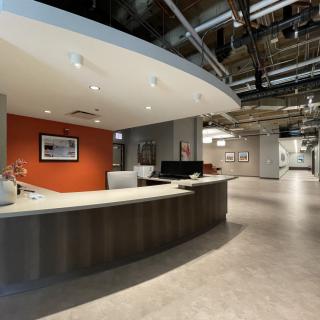
Friedman Place is best suited for adults who live with significant vision impairment and want a purpose-built, community-first environment that emphasizes independence, safety, and social connection. The building and programming are clearly crafted around accessibility: color contrasts around doors, talking elevators, and assistive technology paired with hands-on training. Residents repeatedly describe a warm, welcoming culture where friendly, supportive staff help people stay engaged and connected. For visually impaired individuals, this community stands out as a top Midwest option precisely because it pairs practical design with a lively, inclusive atmosphere.
Those who may want to consider alternatives are clear: anyone whose primary need is not vision-centered support or who requires more medical oversight than Friedman Place routinely provides. If the goal is a traditional assisted-living setup with broader on-site medical staff, or a setting that emphasizes self-directed living with less organizational structure, other communities may fit better. Likewise, families prioritizing guaranteed, highly consistent dining experiences, or who must tightly control costs with tighter subsidy arrangements, might find comparable options that align more closely with those preferences. In short, Friedman Place excels when vision-focused independence and social vitality are the core criteria; it is less optimal for those seeking a medicalized or budget-driven path.
The strongest positives, an exceptionally caring staff, a spotless environment, and a dynamic menu of activities, largely offset the main drawbacks. The community’s commitment to helping residents stay as independent as possible is tangible in every facet: robust programming (onsite weaving, plays and musicals, sailing outings), broad social opportunities, and a staff that spans frontline workers to the Executive Director and beyond. The social fabric is a standout asset; residents form meaningful connections, support one another, and benefit from a culture that treats each person’s unique needs with respect. The stated job-hunting assistance, while not a guarantee, encourages resident initiative and persistence as part of the path to employment, a practical reminder that independence includes personal effort within a supportive framework. For families, these elements can translate into real, daily resilience for a resident navigating vision loss.
However, there are notable caveats worth weighing. Food quality appears to be uneven, with praise for improvements under new leadership in some cases and dissatisfaction in others. That variability means dining may feel inconsistent unless current leadership has stabilized standards. Some residents have voiced skepticism about job-placement promises, indicating that while staff offer encouragement, outcomes are not guaranteed and depend on personal persistence and external opportunities. Additionally, a few reviews touch on financial frictions, perceived limits on benefits, and the sense that certain entitlements are handled in ways that require careful scrutiny. These factors do not erase Friedman Place’s strengths, but they do warrant upfront conversations about expectations, meal plans, and financial terms.
In practical terms, Friedman Place is a strong match for residents who want a vision-impacted lifestyle embedded in a supportive, active community. It is particularly well-suited for individuals who value social engagement, purposeful programming, and education around assistive technology as a route to greater independence. Families should approach a visit with a clear checklist: current dining quality, the specifics of any meal or subsidy plans, the exact scope of job assistance, and how the community handles benefits and costs. A firsthand look will reveal how well the environment, staff, and resident network align with the resident’s personality, goals, and pace of independence.
The bottom line is decisive: Friedman Place delivers a focused, high-quality living experience for visually impaired adults who want to remain active and socially connected. It lends a strong sense of belonging, a practical infrastructure for independence, and genuine staff warmth that can make daily life smoother and more engaging. If these are the priorities, and if there is acceptance of some variability in meals and the realities of job pursuit, then Friedman Place deserves serious consideration. If medical oversight, budget predictability, or a non-vision-centered environment are the primary needs, exploration of alternatives is prudent, with touring and direct conversations to verify current programs and leadership stability before making a final commitment.
 22 resident community capacity
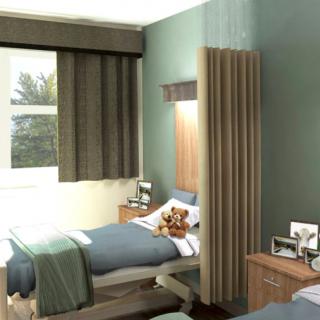
 Studio apartments
 Assisted Living
 Beauty salon
 Cable or satellite TV
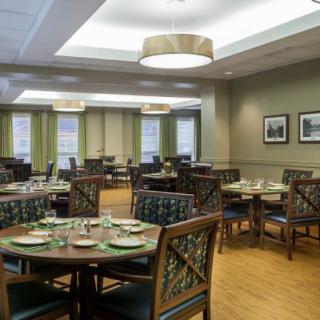
 Dining room
 Financial aid
 Fully furnished
 Garden
 Housekeeping services
 Kitchenette
 Laundry
 Move-in coordination
 Outdoor space
 Telephone
 Wi-Fi/high-speed internet available
 Chicago O'Hare International (11 miles away)
 24-hour call system
 Activities of daily living assistance
 Assistance with bathing
 Assistance with dressing
 Assistance with transfers
 Diabetes diet
 Meal preparation and service
 Medication management
 Mental wellness program
 Special dietary restrictions
 Transportation arrangement (medical)
 Transportation to doctors appointments
 Arts and crafts
 Fitness programs
 Games
Games English


 Medicare Coverage for Assisted Living: An In-Depth Exploration
 Choosing the Right Senior Care: A Detailed Exploration of Assisted Living and Nursing Homes
 Understanding the True Cost of Assisted Living in 2025: A Comprehensive Guide