Symphony Of Buffalo Grove

Save

  • Interior

    A cozy and modern living room featuring comfortable seating and stylish decor.
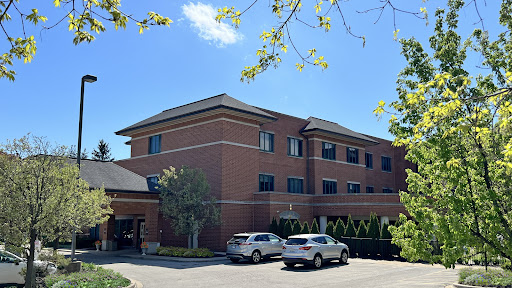
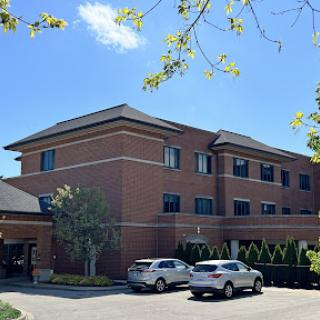
  • Building

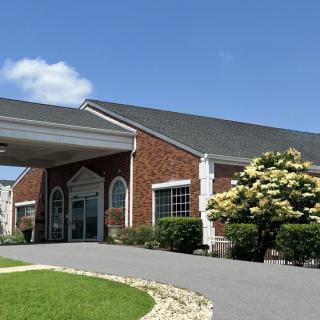
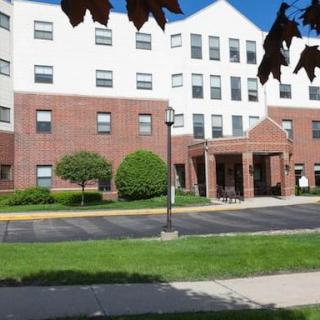
    A modern brick building with a parking area surrounded by greenery.
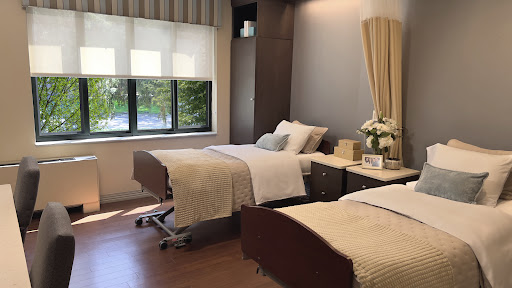
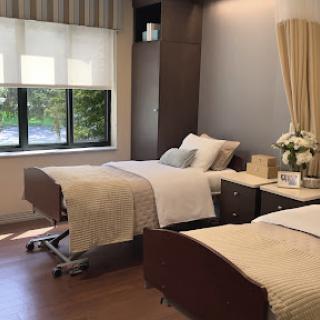
  • Windows

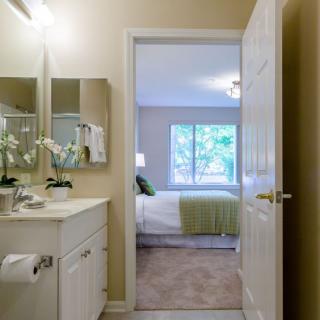
    A well-designed hospital room featuring two patient beds and ample natural light.
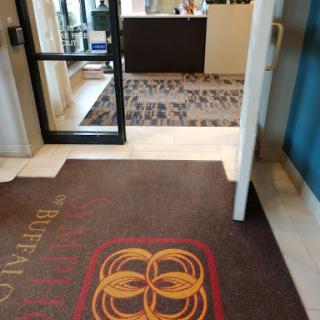
  • Entrance

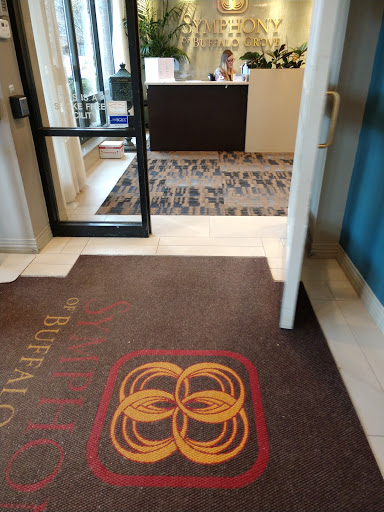
    The welcoming entrance of a hotel lobby, featuring a decorative mat and reception area.
  • Lobby

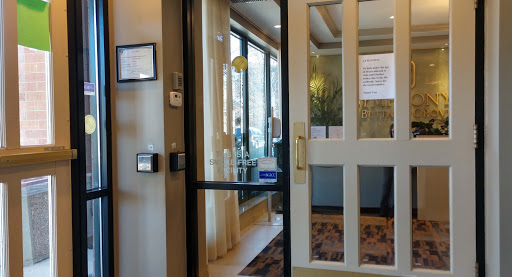
    View of a welcoming reception area through a glass door.
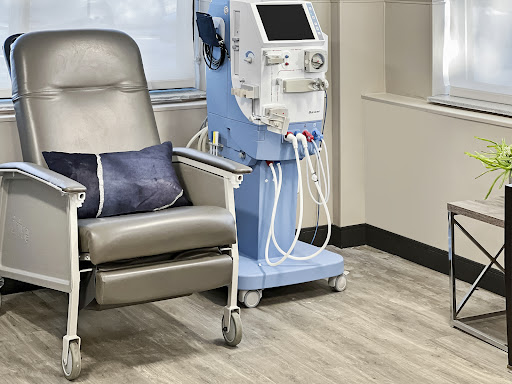
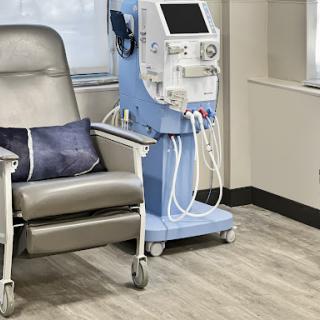
  • Healthcare

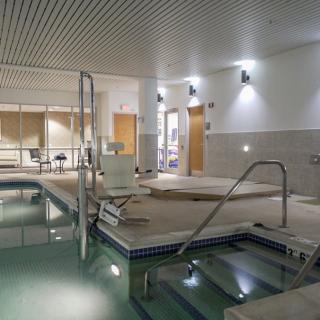
    A comfortable patient chair beside a dialysis machine in a healthcare setting.

Symphony Of Buffalo Grove

Information last verified:

150 North Weiland Road, Buffalo Grove, IL 60089

For more information about senior living options: (844) 490-3973

4.4 from 110 reviews
5 stars
88
4 stars
4
3 stars
2
2 stars
4
1 stars
12

Seniors.FYI Elite Community Awards

Top 5% Senior Living Community in 2022

Add this award to your website

Overall Review of Symphony Of Buffalo Grove

Pros

  • pro The nurses and CNAs were fantastic and took great care of residents.
  • pro Tatiana in dialysis is the best.
  • pro The facility offers in-house peritoneal dialysis and specialized wound care.
  • pro From day one, the staff treated residents like VIPs and consistently cared for them.
  • pro The PT and OT services were awesome, with therapists like Margaret and Kate delivering excellent therapy.
  • pro The facility is clean, beautiful, and well run, with an engaging social calendar and festive holiday events.
  • pro The staff across departments are exceptionally compassionate, professional, and dedicated.
  • pro Many reviewers would strongly recommend Warren Barr Buffalo Grove to others.

Cons

  • pro They did not receive the physical therapy they needed despite assurances.
  • pro The nurse call bell was rung and no one came to help.
  • pro The facility’s beauty did not reflect the quality of care provided.
  • pro Some staff seemed to prioritize their own duties over residents’ needs.
  • pro The place was described as disgusting and not clean.
  • pro A patient was left in bed for hours without care and with unsanitary conditions.
  • pro Bedsores and dehydration occurred, and family was not informed.
  • pro A resident was left in soiled clothes for days with belongings missing and an alleged abuse incident.
  • pro Discharge decisions were unsafe, leading to readmission.
  • pro Understaffing and poor communication meant call lights were not attended to and orders were not executed.

Review

Symphony of Buffalo Grove is best suited for families seeking a high-caliber rehab and skilled-nursing environment with in-house dialysis options, strong nursing oversight, and an active, resident-centered culture. The community shines for post-acute rehabilitation, long-term skilled care, and memory-care that benefits from robust therapy support and a continuity of services. For families prioritizing aggressive wound care, dependable dialysis treatment on site, and a social program designed to keep residents engaged, this facility stands out. In short, it is most suitable for those who want a hands-on rehab pathway backed by a large, attentive staff and a facility that operates with a visible, involved leadership team.

But there are clear reasons to consider alternatives, especially for memory care and for families with stringent expectations around consistent daily care. Several reviews flag variability in memory-care quality, noting episodes of neglect, delays in assistance, and episodes of residents left in soiled conditions or without timely help. Call bells and assistance responsiveness can be inconsistent, and some families report tense or unproductive interactions with social services staff. For families prioritizing dementia-specific programming, predictable bedside care, and vigilant monitoring of hydration, nutrition, and skin integrity, these concerns merit careful comparison with other options in the area. Additionally, meals and routine dining experiences are described as variable by some residents, which may matter to families who associate comfort and nutrition with daily quality of life.

The strongest pros at Symphony offset many of the more serious concerns when the focus is on rehabilitation and everyday care. The nursing and CNA teams routinely earn praise for compassion, responsiveness, and hands-on care, with particular gratitude directed toward therapists who push patients to regain function. The in-house dialysis program is repeatedly highlighted as a major convenience and a stabilizing factor for residents who require consistent renal treatment. The facility’s environment, cleanliness, organized operations, and a well-structured activity calendar, also contributes to a sense of normalcy and momentum for recovering individuals. Administration and social services are frequently cited as approachable and helpful, with family-centered support that helps bridge transitions back home or to other care settings.

Yet the main cons do not vanish when rehab is the priority. The most troubling patterns relate to memory-care experiences and to occasional lapses in basic daily care. Reviewers recount incidents of bedsores, dehydration, and inadequate attention to basic needs, sometimes accompanied by delayed responses to call bells. These instances illuminate gaps in caregiver-to-resident monitoring that can undermine recovery trajectories or long-term well-being, especially for residents with higher acuity or cognitive challenges. Communication gaps with medical teams and inconsistent discharge planning also surface in a meaningful minority of accounts, suggesting that families must stay actively engaged and demand clear, documented plans. While some staff members repeatedly earn praise for their professionalism, others are described as overwhelmed or less responsive, underscoring the risk that staffing fluctuations can color daily experience.

From a decision-making standpoint, prospective families should press for specifics during tours and discussions. In rehab-focused stays, request a direct meeting with the therapy leadership to review how PT/OT schedules are arranged, how progress is tracked, and how therapy integrates with medical orders. For dialysis, confirm the on-site program’s staffing stability, access to dialysis on weekends, and coordination with the broader medical team. For memory care, insist on a current, detailed care plan that includes positioning strategies, meal planning aligned with nutritional needs, and a proactive approach to skin integrity. Demand transparency about staffing ratios by shift, and ask to review any recent incident or quality-change logs related to patient safety and hydration. Finally, explore the social-work and discharge-planning processes: how home health, transportation, and family training are arranged, and who is accountable if a transition needs to be accelerated or adjusted.

The practical takeaway is clear. Symphony of Buffalo Grove delivers exceptional strength in rehab capacity, patient-centered nursing care, and a vibrant social and activity program that many families will value highly. When the primary need is to restore function after surgery or illness, or to maintain long-term skilled nursing with reliable on-site dialysis, this community often proves itself a compelling option. The caveat is memory-care quality and reliability in routine daily care, where reports of neglect and inconsistent communication cannot be ignored. If dementia-specific programming and consistently incident-free daily care are non-negotiables, it is prudent to compare with other local providers that have stronger, more uniform records in those domains.

For families convinced by rehab and dialysis strengths, a decisive next step is to schedule a comprehensive, in-person evaluation that includes walk-throughs of patient rooms, therapy spaces, and the dialysis suite. Bring a list of questions tailored to the resident’s needs: exact PT/OT schedules, how call bells are monitored, who handles urgent medical questions after hours, and how care plans are updated and communicated to families. If memory care will be part of the plan, insist on meeting the director of memory care, seeing recent care plans, and asking for references from families with similar needs. In the end, Symphony of Buffalo Grove can be a powerful ally in recovery and long-term care, but the family should enter with eyes wide open about memory-care variability and daily-care expectations, and with a proactive plan to verify quality and accountability at every step.

Features

Housing

  • 200 resident community capacity 200 resident community capacity

Types of Care

  • Skilled Nursing Facility Skilled Nursing FacilitySkilled Nursing Facilities are crucial for seniors as they provide round-the-clock medical care, rehabilitation services, and assistance with daily activities. These facilities ensure that seniors receive the specialized care they need to maintain their health and well-being as they age.

Amenities

  • Air-conditioning Air-conditioningAir conditioning is important for seniors as they are more vulnerable to heat-related illnesses and may have underlying health conditions that make it difficult for them to regulate their body temperature. It helps to keep them comfortable, safe, and healthy in hot weather.
  • Beauty salon Beauty salonBeauty salons are important for seniors because they provide a space for them to feel pampered, socialize, and maintain their personal grooming and hygiene. Regular visits to a beauty salon can help boost seniors' self-esteem and overall well-being.
  • Cable or satellite TV Cable or satellite TVCable or satellite TV is important for seniors because it provides entertainment, news, and companionship, helping to combat loneliness and boredom. It also offers a wide range of programming options tailored to different interests and preferences.
  • Computer center Computer centerA computer center is essential for seniors as it provides access to technology, communication tools, and resources that can enhance their daily lives. It allows them to stay connected with loved ones, engage in online activities, and learn new skills, ultimately promoting socialization and mental stimulation.
  • Dining room Dining roomDining rooms are important for seniors as they provide a space for socialization, connection, and nutritious meals. They offer opportunities for residents to bond over shared meals, foster a sense of community, and promote healthy eating habits. Dining rooms also ensure that seniors have access to well-balanced meals tailored to their dietary needs and preferences.
  • Fitness room Fitness roomHaving a fitness room in a senior living community is essential for seniors to stay active, maintain their physical health, and improve their overall well-being. Regular exercise can help prevent falls, reduce the risk of chronic diseases, and promote mental sharpness. It also provides social opportunities for residents to connect with others and enjoy a sense of community.
  • Fully furnished Fully furnishedFully furnished senior living communities are important for seniors because they provide convenience, comfort, and a hassle-free moving experience. Seniors can easily settle into their new living space without the stress of having to buy and move furniture. This allows them to focus on enjoying their new home and community.
  • Gaming room Gaming roomGaming rooms are important for seniors as they provide a fun and engaging environment for socializing, cognitive stimulation, and physical activity. Games can improve memory, problem-solving skills, and overall mental well-being while fostering friendships and reducing feelings of isolation.
  • Garden GardenGardens are important for seniors as they provide a peaceful and therapeutic environment for relaxation, physical activity, and socialization. Being in nature has been shown to reduce stress, improve mood, and promote overall well-being. Gardens also offer opportunities for seniors to engage in gardening activities, which can improve mobility, flexibility, and cognitive function. Additionally, gardens create a sense of community and connection with others who share a passion for plants and outdoor spaces.
  • Housekeeping services Housekeeping servicesHousekeeping services are important for seniors because they help maintain a clean and safe living environment, promote independence, and reduce the risk of accidents or illnesses. Additionally, having assistance with household chores can alleviate physical strain and allow seniors to focus on other aspects of their well-being.
  • Kitchenette KitchenetteKitchenettes are important for seniors living in senior living communities because they provide the convenience and independence of being able to prepare simple meals and snacks in the comfort of their own living space. This can help promote a sense of autonomy and well-being for seniors, allowing them to maintain some level of control over their dietary choices and daily routines.
  • Move-in coordination Move-in coordinationMove-in coordination is important for seniors because it helps ease the transition into their new living environment. It ensures that all logistics, such as packing, organizing movers, and setting up utilities are taken care of, allowing seniors to focus on settling in and adjusting to their new home. Having a smooth move-in process can alleviate stress and anxiety, making the transition smoother and more enjoyable for seniors.
  • Outdoor space Outdoor spaceOutdoor spaces are important for seniors as they provide opportunities for physical activity, social interaction, exposure to natural light and fresh air, and a sense of connection to nature. Having access to outdoor spaces can improve overall well-being and quality of life for older adults living in senior communities.
  • Private bathrooms Private bathroomsPrivate bathrooms are important for seniors in senior living communities because they provide independence, dignity, and comfort. Having a private bathroom allows seniors to maintain their personal hygiene routines without the need for assistance, promoting a sense of autonomy and privacy. Additionally, private bathrooms help prevent the spread of infections and provide a safe and clean environment for seniors to navigate safely.
  • Restaurant-style dining Restaurant-style diningRestaurant-style dining is important for seniors because it allows them to enjoy delicious, nutritious meals in a social and upscale setting. This enhances their dining experience, promotes healthy eating habits, and fosters socialization with fellow residents, ultimately contributing to their overall well-being and quality of life.
  • Small library Small librarySmall libraries are important for seniors as they provide access to a variety of reading materials, including books, newspapers, and magazines. This can help stimulate their minds, keep them engaged, and provide a sense of community through book clubs and other social activities. Additionally, reading has been shown to improve cognitive function and overall mental well-being in older adults.
  • Telephone TelephoneTelephones are important for seniors as they provide a lifeline for communication with loved ones, emergency services, and healthcare providers. They offer a sense of security and independence, enabling seniors to stay connected and access assistance when needed.
  • Wellness center Wellness centerWellness centers are important for seniors because they offer a variety of programs and services that promote physical, mental, and emotional well-being. These centers provide opportunities for exercise, socialization, education, and relaxation, helping seniors maintain their overall health and quality of life.
  • Wi-Fi/high-speed internet available Wi-Fi/high-speed internet availableWi-Fi/high-speed internet is important for seniors to stay connected with loved ones, access online resources, and participate in virtual activities to combat feelings of loneliness and isolation. It also allows them to easily manage healthcare needs, access entertainment, and engage in lifelong learning opportunities.

Transportation

  • Chicago O'Hare International (12 miles away) Chicago O'Hare International (12 miles away)
  • Community operated transportation Community operated transportationCommunity operated transportation is crucial for seniors as it provides them with the means to access essential services, social activities, and medical appointments. It allows seniors to maintain their independence and quality of life by ensuring they can participate in activities outside of their homes. Additionally, community-operated transportation services offer a safe and reliable way for seniors to travel without having to rely on family or friends for assistance.
  • Transportation arrangement Transportation arrangementTransportation arrangements are crucial for seniors as they may face challenges with driving, mobility, or access to public transportation. Having reliable transportation services ensures that seniors can easily attend appointments, social activities, and maintain their independence and quality of life.
  • Transportation arrangement (non-medical) Transportation arrangement (non-medical)Transportation arrangements are essential for seniors as they provide access to essential services, activities, and social interactions outside the home. This service helps maintain independence, mobility, and overall well-being for seniors who may have limited transportation options.
  • Transportation to doctors appointments Transportation to doctors appointmentsTransportation to doctors appointments is crucial for seniors as it ensures they have access to necessary medical care and support, promoting their health and well-being. It allows them to receive timely treatment, monitor existing conditions, and address any new health concerns efficiently. Additionally, transportation services can help seniors maintain their independence and quality of life by enabling them to stay connected with their healthcare providers.

Care Services

  • 12-16 hour nursing 12-16 hour nursing12-16 hour nursing care is crucial for seniors in order to ensure around-the-clock monitoring, timely medication administration, and prompt response to any health concerns or emergencies. This level of care helps to promote the overall well-being and safety of seniors living in senior living communities.
  • 24-hour call system 24-hour call system24-hour call systems are important for seniors because they provide peace of mind and immediate assistance in case of emergencies. This technology ensures that help is always available, promoting safety and security for elderly individuals living alone or in assisted living facilities.
  • 24-hour supervision 24-hour supervision24-hour supervision is important for seniors to ensure their safety, well-being, and access to immediate assistance in case of emergencies or health issues. This constant support provides peace of mind for both seniors and their loved ones, allowing them to age in place with dignity and security.
  • Activities of daily living assistance Activities of daily living assistanceActivities of daily living assistance are important for seniors because they provide essential support with tasks such as eating, bathing, dressing, and mobility. This assistance helps seniors maintain their independence, dignity, and overall quality of life as they age.
  • Assistance with bathing Assistance with bathingAssistance with bathing is crucial for seniors as it helps maintain personal hygiene, prevents infections, and ensures their overall well-being and comfort. It also provides a sense of dignity and independence for seniors who may struggle with this task on their own.
  • Assistance with dressing Assistance with dressingAssistance with dressing is important for seniors because it helps maintain their independence, promotes personal hygiene, prevents accidents and injuries, and improves overall quality of life. This service ensures that seniors can continue to dress comfortably and confidently, despite any physical limitations they may have.
  • Assistance with transfers Assistance with transfersAssistance with transfers is crucial for seniors as it helps prevent falls and injuries, maintains their independence, and ensures they can safely navigate their living environment. It also provides peace of mind for both seniors and their loved ones.
  • Diabetes diet Diabetes dietA diabetes diet is crucial for seniors as it helps manage blood sugar levels, reduce risks of complications, and improve overall health and well-being. By following a balanced and nutritious diet tailored to their specific needs, seniors can better control their diabetes and enhance their quality of life.
  • Meal preparation and service Meal preparation and serviceMeal preparation and service are crucial for seniors as they may have limited mobility or energy to cook nutritious meals. Having access to healthy and convenient food options can ensure they are getting the proper nutrition needed to maintain their overall health and well-being.
  • Medication management Medication managementMedication management is crucial for seniors to ensure they are taking the right medications at the correct dosages and times. This helps prevent adverse drug interactions, reduces the risk of medication errors, and promotes overall health and well-being. Proactive management also allows for adjustments as needed based on changing health conditions or new prescriptions.
  • Mental wellness program Mental wellness programMental wellness programs are essential for seniors as they promote cognitive stimulation, emotional support, and social engagement. These programs help prevent isolation, depression, and cognitive decline, ultimately enhancing the overall quality of life for older adults.
  • Special dietary restrictions Special dietary restrictionsSpecial dietary restrictions are important for seniors because age-related changes in metabolism and health conditions can make it difficult for their bodies to process certain foods. By following a diet tailored to their specific needs, seniors can maintain their overall health and well-being, manage chronic conditions, and reduce the risk of complications such as malnutrition or food interactions with medications.

Dining

  • Diabetes diet Diabetes dietA diabetes diet is crucial for seniors as it helps manage blood sugar levels, reduce risks of complications, and improve overall health and well-being. By following a balanced and nutritious diet tailored to their specific needs, seniors can better control their diabetes and enhance their quality of life.
  • Special dietary restrictions Special dietary restrictionsSpecial dietary restrictions are important for seniors because age-related changes in metabolism and health conditions can make it difficult for their bodies to process certain foods. By following a diet tailored to their specific needs, seniors can maintain their overall health and well-being, manage chronic conditions, and reduce the risk of complications such as malnutrition or food interactions with medications.

Activities

  • Community-sponsored activities Community-sponsored activitiesCommunity-sponsored activities are important for seniors as they provide opportunities for social interaction, mental stimulation, and physical activity. These activities can help improve overall well-being, combat loneliness and isolation, and promote a sense of belonging and purpose among older adults.
  • Concierge services Concierge servicesConcierge services are essential for seniors as they provide assistance with daily tasks and errands, enhance their quality of life by offering convenience and personalized care, and promote a sense of safety and security.
  • Fitness programs Fitness programsFitness programs are crucial for seniors as they help improve strength, flexibility, balance, and overall well-being. Staying active can reduce the risk of chronic diseases, improve mental health, and enhance quality of life in older adults.
  • Planned day trips Planned day tripsPlanned day trips are important for seniors because they offer opportunities for socialization, mental stimulation, and physical activity. They provide a change of scenery and help seniors stay engaged and connected to their community, promoting overall well-being and quality of life.
  • Resident-run activities Resident-run activitiesResident-run activities are important for seniors as they encourage social interaction, creativity, and a sense of autonomy. These activities empower seniors to stay engaged and active in their community while fostering meaningful connections with their peers.
  • Scheduled daily activities Scheduled daily activitiesScheduled daily activities are important for seniors because they provide structure, socialization, mental stimulation, and physical activity. Engaging in regular activities can improve overall well-being and quality of life for seniors living in a community setting.

Description

Symphony of Buffalo Grove in Buffalo Grove, IL is an exceptional assisted living community that offers a wide range of amenities and care services to its residents. The community aims to provide a comfortable and enriching environment where seniors can thrive and enjoy their retirement years.

Residents at Symphony of Buffalo Grove can take advantage of numerous amenities, including a beauty salon for all their grooming needs, cable or satellite TV for entertainment, a computer center for staying connected with loved ones, and a fully furnished living space for convenience. The community also offers community-operated transportation services to help residents get around town easily.

For dining options, residents can enjoy delicious meals in the well-appointed dining room with restaurant-style service. Special dietary restrictions are accommodated to ensure that each resident's nutritional needs are met. In addition, there is a small library for reading enthusiasts to indulge in their favorite books.

To promote an active lifestyle, Symphony of Buffalo Grove offers various fitness programs and scheduled daily activities such as games, arts and crafts, and educational sessions. Concierge services are available to assist residents with any special requests or arrangements they may need. Planned day trips and resident-run activities provide opportunities for socializing and exploration.

The community also takes care of the physical and medical needs of its residents. With 24-hour call system and supervision, assistance with daily activities such as bathing and dressing is readily available. Medication management ensures that each resident receives the right medications at the right time. Special dietary restrictions and diabetic diets are carefully followed by the staff. Transportation arrangements can be made for non-medical purposes as well as doctors' appointments.

Symphony of Buffalo Grove benefits from its convenient location, with several cafes, parks, pharmacies, physicians' offices, restaurants, transportation options, places of worship, and theaters nearby.

Overall, Symphony of Buffalo Grove provides a welcoming atmosphere with top-notch amenities and care services to enhance the quality of life for its residents while promoting independence and well-being.

Nearby Places of Interest

Physicians

  • Ferber, Stuart Nch Buffalo Grove Outpatient Care Center (0.1 miles)
  • Premier Eye Care & Surgery (1.3 miles)
  • Stuart Bergman-Bock MD - Northshore University Health Systems (2.4 miles)
  • NorthShore University HealthSystem - GI & General Surgery (5.2 miles)
  • Lake Shore Dermatology (6.1 miles)
  • Ritacca Laser Center (6.1 miles)
  • Northern Illinois Eye Clinic (6.2 miles)

Pharmacies

  • Walgreens (0.3 miles)
  • CVS Pharmacy (1.1 miles)
  • Walgreens (1.3 miles)
  • Walgreens (1.9 miles)
  • Walgreens (1.9 miles)
  • CVS Pharmacy (2.4 miles)
  • Walgreens (2.7 miles)

Restaurants

  • McDonald's (0.4 miles)
  • Culver's (0.5 miles)
  • McDonald's (1.7 miles)
  • Portillo's Hot Dogs (2.1 miles)
  • Wildfire (2.2 miles)
  • Cooper's Hawk Winery & Restaurant (2.3 miles)
  • Buffalo Creek Brewing (2.6 miles)

Cafes

  • Starbucks (1.9 miles)
  • Starbucks (3.7 miles)
  • Cafe Zupas (4.7 miles)
  • Panera Bread (5.5 miles)
  • Starbucks (5.8 miles)
  • Starbucks (6.8 miles)
  • Starbucks (7 miles)

Theaters

  • Regal Lincolnshire & Imax (2.1 miles)
  • AMC Hawthorn 12 (6.1 miles)

Parks

  • Lake Arlington (2.8 miles)
  • South Park (4.7 miles)
  • Century Park (6.1 miles)
  • Briarwood Park (6.6 miles)
  • West Ridge Center (7.2 miles)
  • Cuba Marsh Forest Preserve (7.6 miles)

Transportation

  • Metra (2.9 miles)
  • Metra (5.5 miles)
  • Metra (6.3 miles)

Places of Worship

  • St Thomas Of Villanova (4 miles)
  • St Francis de Sales Parish (7.1 miles)

Hospitals

  • NCH Northwest Community Hospital (6.3 miles)
  • Glenbrook Hospital (6.9 miles)

Frequently Asked Questions

Where is Symphony Of Buffalo Grove?
What photos are available for Symphony Of Buffalo Grove in Buffalo Grove, Illinois?

Nearby Communities

  • Belmont Village Senior Living Buffalo Grove

    Belmont Village Senior Living Buffalo Grove

    Buffalo Grove, IL

    4.2 from 113 reviews
    $3,435 to $8,860 / month

    pro Professional staff with on-site medical support, a clean, welcoming environment, and engaging resident activities.

  • Harbor House

    Harbor House

    Wheeling, IL

    3.9 from 24 reviews
    $4,300 / month

    pro Small, intimate memory-care setting with attentive staff and a strong staff-to-resident ratio.

  • Harbor House - Memory Care

    Harbor House - Memory Care

    Wheeling, IL

    4 from 38 reviews
    $5,600 to $6,100 / month

    pro Caring, attentive staff in a small, home-like memory care setting.

  • Addolorata Villa

    Addolorata Villa

    Wheeling, IL

    4.5 from 106 reviews
    $3,195 to $5,265 / month

    pro Friendly staff, engaging activities, and a well-maintained, faith-based community.

  • Avantara Long Grove

    Avantara Long Grove

    Long Grove, IL

    4.1 from 113 reviews
     

    pro Compassionate nursing staff and spacious, well-maintained common areas in a convenient Long Grove location.

  • ComForCare Home Care - Buffalo Grove,  IL

    ComForCare Home Care - Buffalo Grove, IL

    Buffalo Grove, IL

    4.6 from 17 reviews
     

    pro Consistent communication and attentive, dependable caregivers.

  • The Landing on Dundee Senior Living

    The Landing on Dundee Senior Living

    Wheeling, IL

    4.2 from 74 reviews
    $4,250 to $6,985 / month

    pro Friendly staff in a clean, modern building with engaging activities.

  • Sedgebrook

    Sedgebrook

    Lincolnshire, IL

    4.8 from 168 reviews
    $2,496 to $7,925 / month

    pro Caring staff, beautiful grounds, and engaging activities with good dining.

  • The Wellshire

    The Wellshire

    Lincolnshire, IL

    4.2 from 117 reviews
    $2,500 to $3,500 / month

    pro Compassionate, attentive staff with strong family communication and engaging activities.

Related Resources

  • palliative care at homeExploring Palliative Care in the Home: A Comprehensive Overview

    Palliative care enhances the quality of life for seriously ill patients by providing comprehensive support at home through a multidisciplinary team, addressing various needs and prioritizing comfort over curative treatments. While it offers personalized care and involves family in decision-making, challenges like caregiver stress and logistical issues persist, with growing demand prompting advancements in technology and healthcare policies to improve access.

  • palliative care at homeComprehensive Insights into Palliative Home Care: What It Is and What to Expect

    Palliative home care focuses on improving the quality of life for individuals with serious illnesses by providing comfort, symptom management, and emotional support in their own homes. This approach includes personalized care plans, regular assessments, and resources for family caregivers, all while prioritizing person-centered treatment that aligns with patients' goals.

  • skilled nursing facility vs nursing homeSkilled Nursing Facilities vs. Nursing Homes: Making Sense of the Differences
    Skilled nursing facilities (SNFs) provide high-level medical care and rehabilitation for short-term recovery, typically covered by Medicare after hospitalization, while nursing homes focus on ongoing custodial care for chronic conditions, mainly funded by Medicaid or private payments. The staffing and regulatory structures differ significantly between the two, necessitating clarity for families in choosing appropriate long-term care options.