Overall Review of Plantation Bay Rehabilitation Center
common22 reviews mention this
Clinical leadership and frequent check-ins
Residents and families describe frequent check-ins and strong responsiveness from the care team.
A recurring theme in the reviews is that residents feel monitored and supported through frequent follow-ups. Multiple reviewers specifically mention the Director of Patient Experience named Jaileen and describe being checked on multiple times a day, feeling safe, and having concerns resolved. Other employees are also singled out for being helpful and attentive, including nurses and staff members involved in day-to-day coordination.
differentiator12 reviews mention this
Rehab therapy stands out
Therapy is a consistent bright spot in residents’ recovery stories.
Several reviews connect the facility’s rehab program to improved mobility and recovery, including stroke rehabilitation and post-surgery progress. Families mention physical therapy teams working hard with patients and coordinating alongside other medical needs. Even among mixed experiences, reviewers often distinguish the therapy department as better than other parts of the stay.
common10 reviews mention this
Dining quality is mixed
Food quality and portion consistency come up repeatedly in reviews.
Some residents describe the food as improved, plentiful, and enjoyable, and a few mention diet accommodations being handled. Others describe meals as inconsistent from day to day, not matching what they expected, or not being edible. A few reviewers also note the staff being willing to make adjustments when dietary preferences aren’t working.
caveat6 reviews mention this
Cleanliness and infection concerns
Multiple reviews raise serious concerns about cleanliness and pests.
A small set of reviewers describe the facility as dirty or poorly maintained, with examples ranging from unsanitary rooms to pest sightings. Several accounts include infestations or infection-related fears, alongside claims that basic hygiene was not handled appropriately. These reviews stand out because they describe conditions that go beyond a one-off complaint and suggest a persistent problem.
How we summarize
Counts show how many written reviews mention each theme; a review can touch several themes, and only frequently mentioned themes are displayed.
Fecal incontinence, prevalent among older adults, arises from factors like weakened pelvic muscles and nerve damage, significantly affecting well-being and social interactions. Diagnosis involves clinical evaluation and tests to inform tailored treatments, while caregivers and preventive measures can aid in managing the condition effectively.
Anticipatory grief is an emotional response to the impending loss of a loved one, characterized by complex emotions such as sadness and anger, and involves navigating stages similar to those identified by Kübler-Ross. Coping strategies are vital for managing this process, emphasizing compassionate communication, self-care, and support groups while recognizing the cultural influences on grieving.
Adult day care programs offer essential support and activities for older adults, yet many hesitate to participate due to concerns about independence and stigma. To alleviate these apprehensions, families should facilitate open discussions, explore financial resources, suggest trial visits, and collaborate with healthcare providers to highlight the benefits of such services for both the participants and their caregivers.
Get PricingAsk A QuestionSchedule A TourContact Senior Advisor
By clicking submit, you agree to our Partner's Terms of Use. You
also consent to receive calls and texts, which may be autodialed, from our Partner. Your consent is not a condition to
using our Partner's service. Please visit our Partner's Privacy Policy for information about their privacy practices.

 120 resident community capacity
 Skilled Nursing Facility
 Air-conditioning
 Beauty salon
 Cable or satellite TV
 Computer center
 Dining room
 Fitness room
 Fully furnished
 Gaming room
 Garden
 Housekeeping services
 Kitchenette
 Move-in coordination
 Outdoor space
 Private bathrooms
 Restaurant-style dining
 Small library
 Telephone
 Wellness center
 Wi-Fi/high-speed internet available
 Orlando International (12 miles away)
 Community operated transportation
 12-16 hour nursing
 24-hour call system
 Activities of daily living assistance
 Assistance with bathing
 Assistance with dressing
 Assistance with transfers
 Diabetes diet
 Medication management
 Mental wellness program
 Special dietary restrictions
 Concierge services
 Planned day trips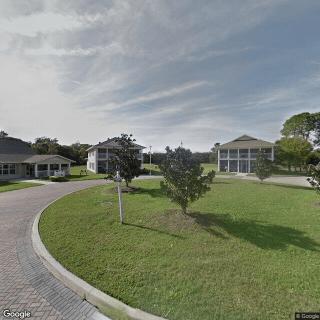
 Comprehensive care with diabetes support, 24-hour supervision, and restaurant-style dining.



 Fecal Incontinence in Older Adults: A Comprehensive Guide
 Recognizing the Journey: Understanding and Navigating Anticipatory Grief
 Encouraging Participation in Adult Day Care: A Guide to Supporting a Hesitant Parent