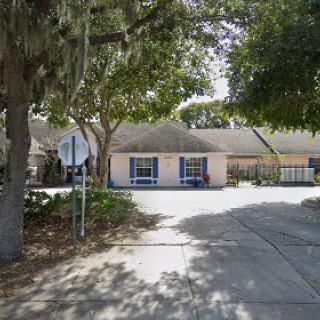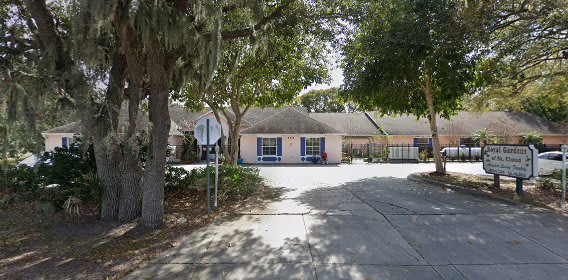
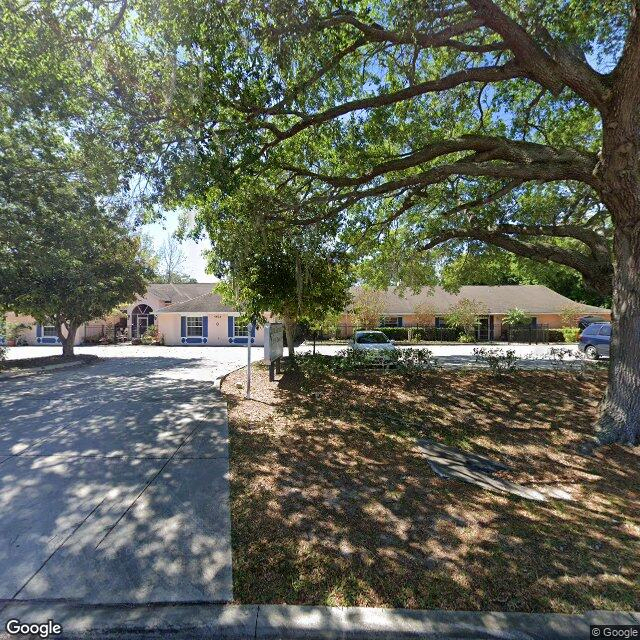
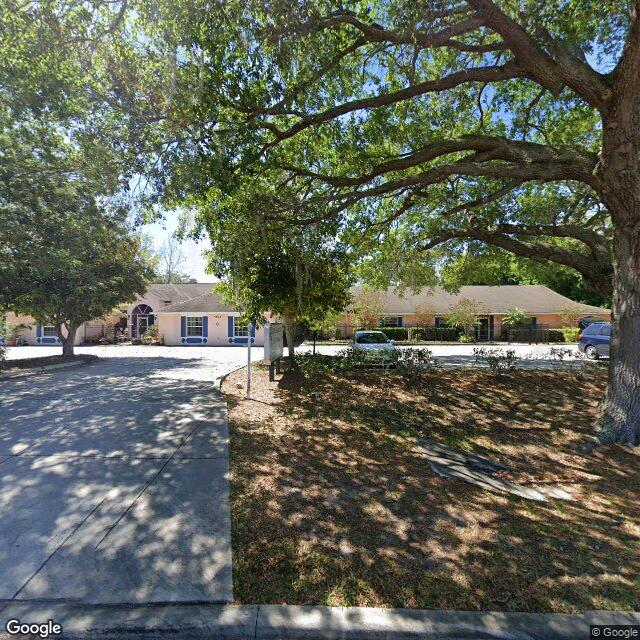
4511 Neptune Road, Saint Cloud, FL 34769
To contact a resident: (407) 892-2290
For more information about senior living options: (866) 208-4318
Royal Gardens Of St. Cloud Costs & Pricing
Royal Gardens of St. Cloud offers competitive pricing for its residents, with costs that are generally more favorable compared to both Osceola County and the broader state of Florida. For a semi-private room, the facility charges $2,800 per month, which is slightly lower than the county average of $2,833 and significantly less than the state average of $3,009. In addition, the studio accommodations at Royal Gardens are priced at $3,200 monthly, again positioning them below Osceola County's average of $3,978 and Florida's average of $3,823. This makes Royal Gardens an attractive option for individuals seeking quality care in a supportive environment while also being mindful of their budget.
| Floor plans | Royal Gardens Of St. Cloud | Osceola County | Florida |
|---|---|---|---|
| Semi-Private | $2,800 | $2,833 | $3,009 |
| Studio | $3,200 | $3,978 | $3,823 |
Assisted Living communities with a similar price nearby
-
from +$200 / mo
Spring Hills Hunters Creek
$3,000 to $5,000 / month10.3 miles away -
from +$225 / mo

Gentry Park
$3,025 to $4,455 / month18.2 miles away -
from +$195 / mo

Excellence Senior Living
$2,995 to $3,995 / month18.7 miles away -
About the same
Mayflower Retirement Community CCRC
$2,848 to $8,470 / month24.7 miles away -
from -$300 / mo

Sonata Hunter's Creek
$2,500 to $5,515 / month8.9 miles away
Overall Review of Royal Gardens Of St. Cloud
Pros
 The owner is described as wonderful and deeply concerned with residents' welfare.
- The staff greet visitors warmly and are consistently friendly and attentive.
- The facility is clean, well kept, and feels home-like rather than institutional.
- Medications are administered promptly and regularly.
- The community offers daily activities and outdoor spaces like a patio.
- Staff treat residents like family and tailor care to individual needs.
- The meals offer variety and are generally well-liked by residents.
Cons
 The resident was evicted for being a fall risk, even though she did not actually fall.
- There was a lack of communication and confusion about medications.
- Staff needed better education on how to use oxygen tanks.
- One nurse was extremely pushy, and the owner was defensive and rude, insinuating the resident was lying.
- The meals were small, bland, and the portions skimpy, with the same menu.
- The facility was expensive and cut corners to remain profitable.
- The owner was described as mean and uncaring, with few activities and limited engagement.
Review
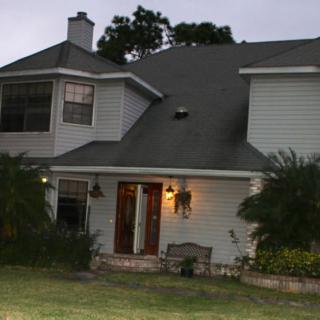
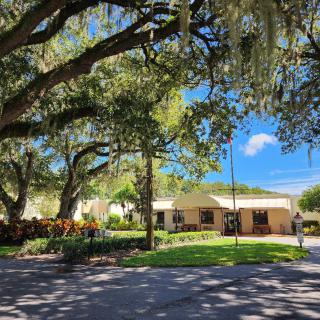
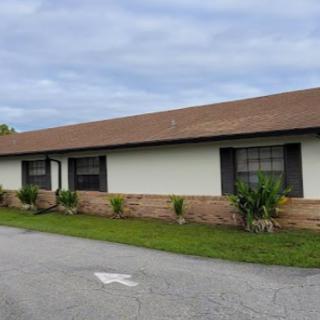
Royal Gardens of St. Cloud is best suited for families seeking an intimate, home-like assisted living option where staff attention is personal and consistent, and where residents benefit from a small-community atmosphere more than a polished, institutional feel. It works well for seniors who prize daily, personable interaction with caregivers, tolerate a modest footprint in amenities, and are comfortable in a setting that prioritizes warmth and familiarity over showroom finishes. Those who require a broader campus with extensive programming, modern furnishings, or aggressive safety protocols may want to consider alternatives that offer larger scale operations and a more formal care team structure.
What stands out here are the human-centered strengths: a clean, comfortable environment that feels like a home, staff who are consistently described as friendly, and a workflow that emphasizes personal attention. Several families emphasize that care is individualized and that the staff treat residents with genuine kindness, often going the extra mile to ease transitions and daily routines. The proximity of single and double rooms, the option to tailor roommates for comfort, and the availability of daily activities on a smaller campus contribute to a sense of belonging. Medications are reported to be administered promptly, and the atmosphere remains generally welcoming, with residents and their families often expressing relief at the level of daily warmth and accessibility.
Yet meaningful risks creep into the decision. A prominent concern is the potential for abrupt changes in status, as one resident was evicted for being labeled a fall risk after a brief hospitalization, despite not having a documented fall during the tenancy. That kind of policy, if followed rigidly, undermines trust and safety planning for families navigating recovery from illness or injury. Communication gaps around medications and supplies, such as oxygen support, were also noted, with caregivers needing clearer, more proactive coordination. Interactions with management occasionally revealed defensiveness, which can erode confidence during already stressful care decisions. Food, while functional, has drawn criticism for small portions and bland variety, and some reviewers describe a sense of limited activity options compared with larger facilities.
The positive care culture does offset some concerns, but not all, and the balance hinges on family priorities. The home-like atmosphere, combined with attentive staff and a core group of dependable caregivers, can translate into consistent daily routines and meaningful, familiar interactions, benefits that are hard to replicate in larger facilities. Cleanliness and comfort remain dependable, and the ability to choose between private and shared room configurations supports flexibility. On balance, the warmth of the team and the small-community charm can magnify residentsā€™ sense of security, which matters deeply for those who fear the institutional feel of bigger campuses. However, when safety policies feel punitive or when medication management lacks transparency, those advantages may be overshadowed by real operational risk.
For families considering a decision, approach with a practical checklist. Request a detailed, written medication protocol and a fall-risk assessment plan that clearly describes triggers for re-evaluation and any required safety measures. Clarify how oxygen and other medical supplies are managed, who oversees those routines, and how communications will be maintained across shifts. Tour multiple times with a expectant eye on how staff respond to questions about care plans and transitions, and ask to speak with front-line caregivers as well as management. Review the menu and ask for a sample week of meals to gauge portion sizes and variety, while assessing whether the dining experience supports dignity and nutrition. Finally, verify pricing and what is included, and probe how the staff handle changes in medical needs before and after move-in.
In the end, Royal Gardens of St. Cloud offers a compelling choice for families prioritizing a homelike, intimate environment with genuinely caring staff and a welcoming daily rhythm. It is less compelling for those who require a larger-scale operation, consistently aggressive activity programming, or a policy framework that feels rigid about safety risk management. The decision hinges on how strongly personal warmth and a homey vibe are valued against the potential for policy friction, room size constraints, and some gaps in medical communications. When aligned with a resident who thrives on close-knit, staff-led care and a calmer pace, this community can feel like a natural, comforting home.
 33 resident community capacity
 Assisted Living
 Respite Care
 Activities on-site
 Beauty salon
 Cable or satellite TV
 Devotional services off-site
 Dining room
 Fully furnished
 Garden
 Housekeeping services
 Indoor common areas
 Kitchenette
 Move-in coordination
 Outdoor space
 Restaurant-style dining
 Small library
 Telephone
 Wi-Fi/high-speed internet available
 Orlando International (12 miles away)
 24-hour call system
 Ambulatory care
 Assistance with bathing
 Assistance with dressing
 Assistance with transfers
 Diabetes diet
 Diabetic care
 Medication management
 Mental wellness program
 Special dietary restrictions
 Visiting chaplain or priest


 Social Security Benefits and Assisted Living: Navigating Options Across the U.S.
 An Extensive Exploration of the VA Aid and Attendance Benefit
 Senior Transition Services: Understanding Their Role, Cost, and Importance