For more information about senior living options: (866) 208-4318
2.8 from 74 reviews
5 stars
30
4 stars
2
3 stars
1
2 stars
5
1 stars
36
At Home Residential Care Costs & Pricing
At Home Residential Care offers competitive pricing for its services, particularly when compared to the broader market in Osceola County and the state of Florida. The cost for a semi-private room at At Home Residential Care is set at $3,500 per month, which exceeds the county's average of $2,833 but remains below the state average of $3,009. In contrast, the price for a private room is $5,000 monthly, notably higher than both Osceola County's average of $3,702 and Florida's statewide figure of $3,699. These costs reflect the personalized care and specialized services that At Home Residential Care provides, positioning it as a premium option for those seeking quality residential care in a supportive environment.
Floor plans
At Home Residential Care
Osceola County
Florida
Semi-Private
$3,500
$2,833
$3,009
Private
$5,000
$3,702
$3,699
Senior living communities with a similar price nearby
About the same
Windermere Assisted Living Facility
5 from 15 reviews
$3,500 to $4,500 / month
21.9 miles away
from +$400 / mo
Benton House of Narcoossee
4.9 from 56 reviews
$3,900 to $4,500 / month
7.0 miles away
from +$300 / mo
Ponce Adult Family Care
4.9 from 35 reviews
$3,800 to $5,500 / month
21.7 miles away
from -$500 / mo
Spring Hills Hunters Creek
4.6 from 159 reviews
$3,000 to $5,000 / month
10.8 miles away
from -$500 / mo
William Booth Towers
4.6 from 39 reviews
$3,000 / month
22.0 miles away
Overall Review of At Home Residential Care
caveat8 reviews mention this
Medication handling draws strong opinions
Medication delivery and management are inconsistent, according to residents and families.
Some families describe missed or delayed ordered medications, including reports of long waits, difficulty obtaining meds, or medication not matching doctors’ orders. Others say medication is managed efficiently, but that positive note is outweighed by accounts of problems during both short rehab stays and longer care. Several reviewers connect medication issues to serious health outcomes, including infections or worsening conditions.
caveat6 reviews mention this
Communication feels slow at times
Families describe phone and follow-up delays when they need updates.
Multiple reviewers report difficulty reaching staff, unanswered calls, or slow responses after leaving messages. A few accounts describe the opposite—questions answered promptly and regular updates—often framed as a helpful part of the experience. Overall, resident and family feedback suggests communication quality varies depending on circumstances and who is available.
common7 reviews mention this
Cleanliness is both praised and criticized
Cleanliness is frequently mentioned, with some reviewers calling the facility very clean.
Many reviews point to a clean, safe environment and describe rooms or common areas as well kept. Others raise concerns about hygiene, including reports of inadequate bathing and skin issues that worsened. Together, the feedback indicates cleanliness is not consistently perceived across residents’ experiences.
caveat4 reviews mention this
Dining quality varies
Meal quality and consistency come up as a recurring concern.
Several reviewers say meals were not appetizing or declined over time, describing food that felt salty, unappealing, or otherwise unpleasant. A reviewer also describes food served that they felt caused vomiting shortly after eating. On the other hand, at least one review notes better food or that they could get alternatives if something wasn’t liked.
common7 reviews mention this
Physical therapy support is a key factor
Therapy outcomes and therapist support are central to residents’ experiences.
Many reviews describe rehabilitation and therapy as important to recovery, including accounts of improved mobility or being helped to get standing. Some families specifically praise therapists and rehab staff for attentive care. Others report physical therapy wasn’t provided as expected, or that residents were left without adequate assistance, which led to worse outcomes.
How we summarize
Counts show how many written reviews mention each theme; a review can touch several themes, and only frequently mentioned themes are displayed.
Features
Types of Care
Board and Care Home
Amenities
Activities off-site
Activities on-site
Bath tubs
Devotional services off-site
Indoor common areas
Outdoor common areas
Private
Swimming pool / hot tub
Transportation
Orlando International (13 miles away)
Care Services
Ambulatory care
Medication management
Dining
Meals provided
Vegetarian
Activities
Activities off-site
Activities on-site
Devotional activities offsite
Nearby Places of Interest
This part of Kissimmee, Florida offers a convenient and vibrant community for senior living. With a variety of healthcare options nearby including Prohealth Family Physicians, Associates In Dermatology, and Pediatrics of Central Florida, PA, residents have easy access to medical care. There are also several pharmacies such as CVS Pharmacy and Walmart Pharmacy in close proximity. For recreation, residents can enjoy the beautiful parks like St Cloud Parks & Recreation and Lakefront Park, as well as dining options ranging from Gator's Dockside to IHOP. Places of worship like St Thomas Aquinas Catholic Church provide spiritual support, while transportation options like the Tupperware Sunrail Station ensure convenient travel. Overall, this neighborhood offers a balanced blend of amenities that cater to the needs and interests of seniors looking for a comfortable and active lifestyle in Kissimmee.
Physicians
Prohealth Family Physicians (0.5 miles)
Associates In Dermatology (0.6 miles)
Pediatrics of Central Florida, PA (0.6 miles)
Access Pronto (0.8 miles)
St. Cloud Surgical Associates (0.9 miles)
St Cloud Optical (1 miles)
Andres Montalvo, MD - Professional Psychiatric Services (1.2 miles)
At Home Residential Care offers competitive pricing for its services, particularly when compared to the broader market in Osceola County and the state of Florida. The cost for a semi-private room at At Home Residential Care is set at $3,500 per month, which exceeds the county's average of $2,833 but remains below the state average of $3,009. In contrast, the price for a private room is $5,000 monthly, notably higher than both Osceola County's average of $3,702 and Florida's statewide figure of $3,699. These costs reflect the personalized care and specialized services that At Home Residential Care provides, positioning it as a premium option for those seeking quality residential care in a supportive environment.
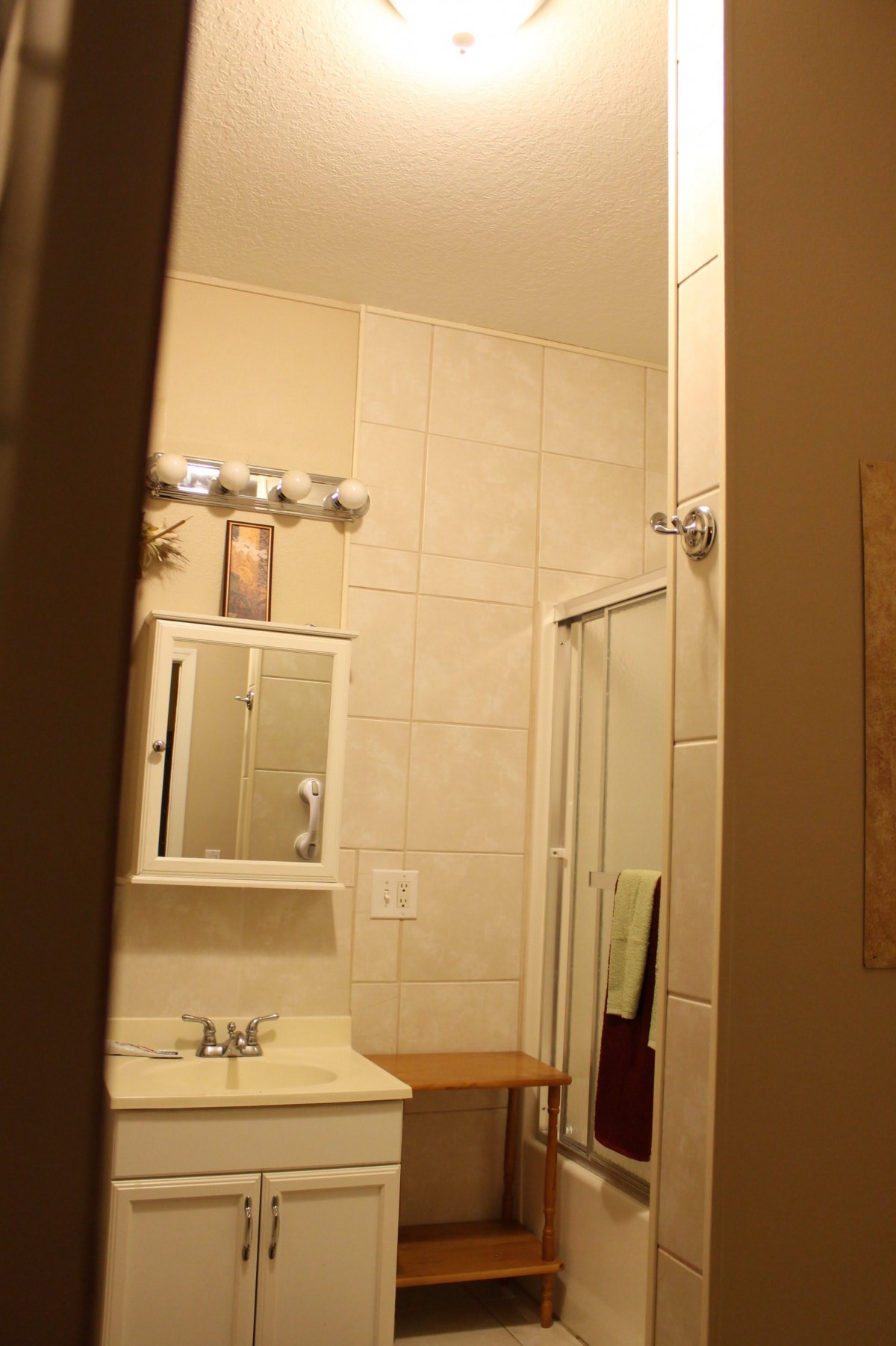
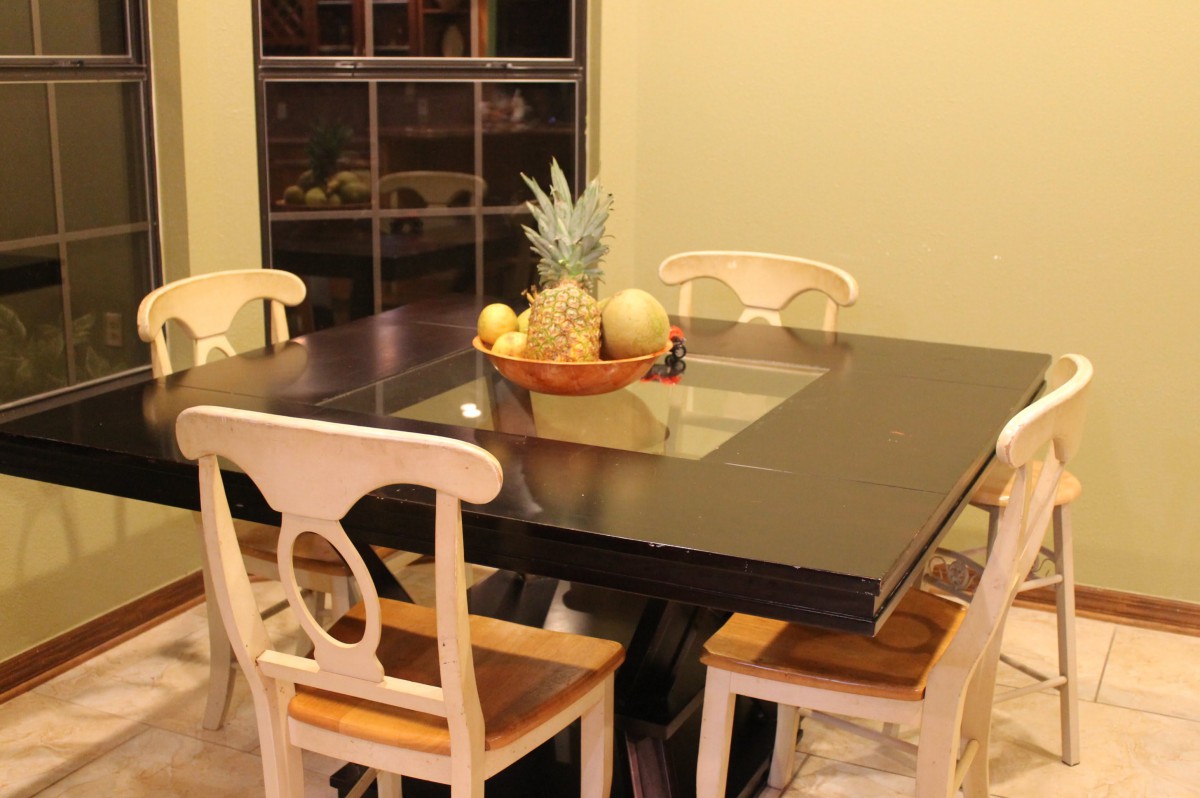
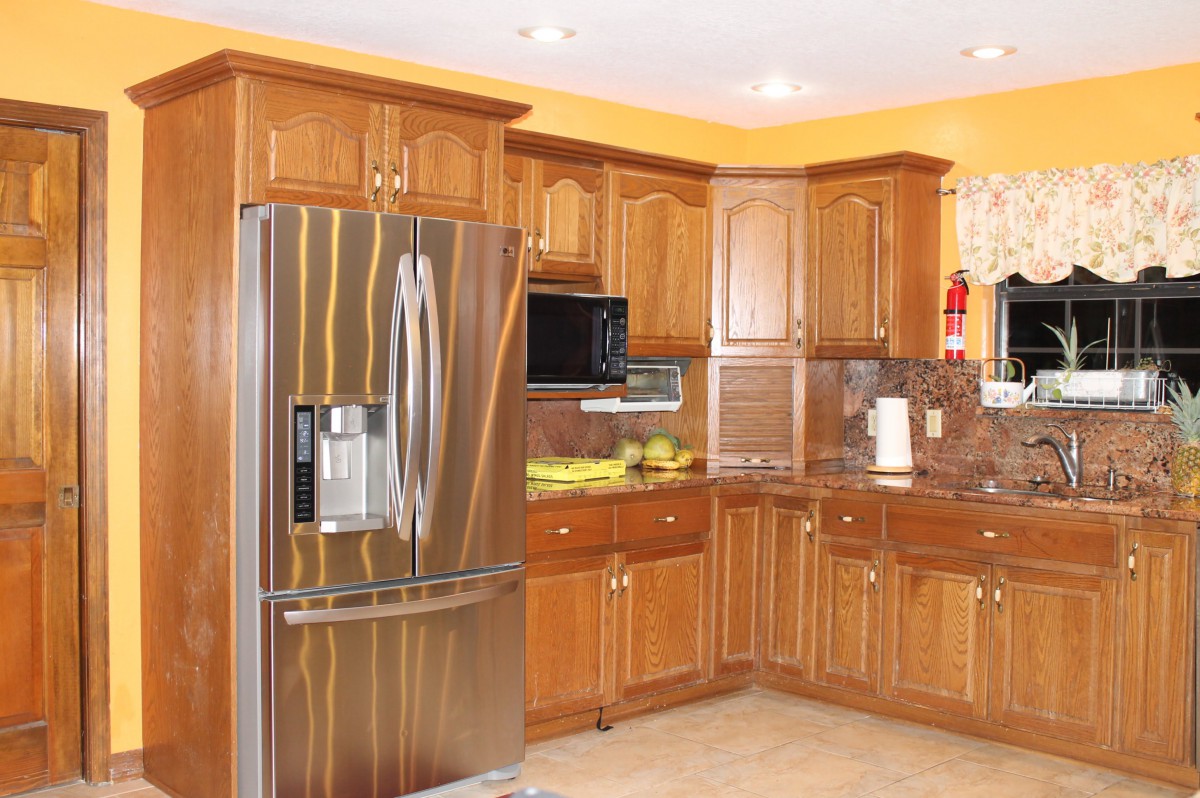
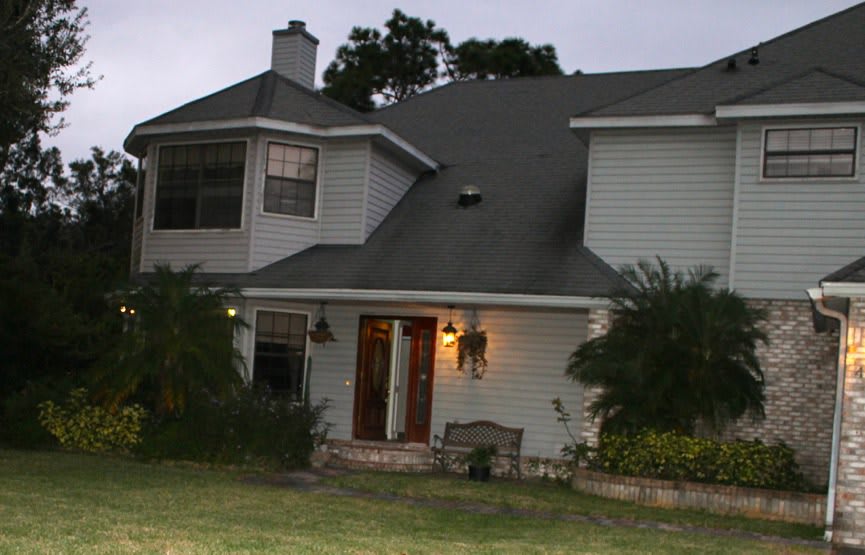
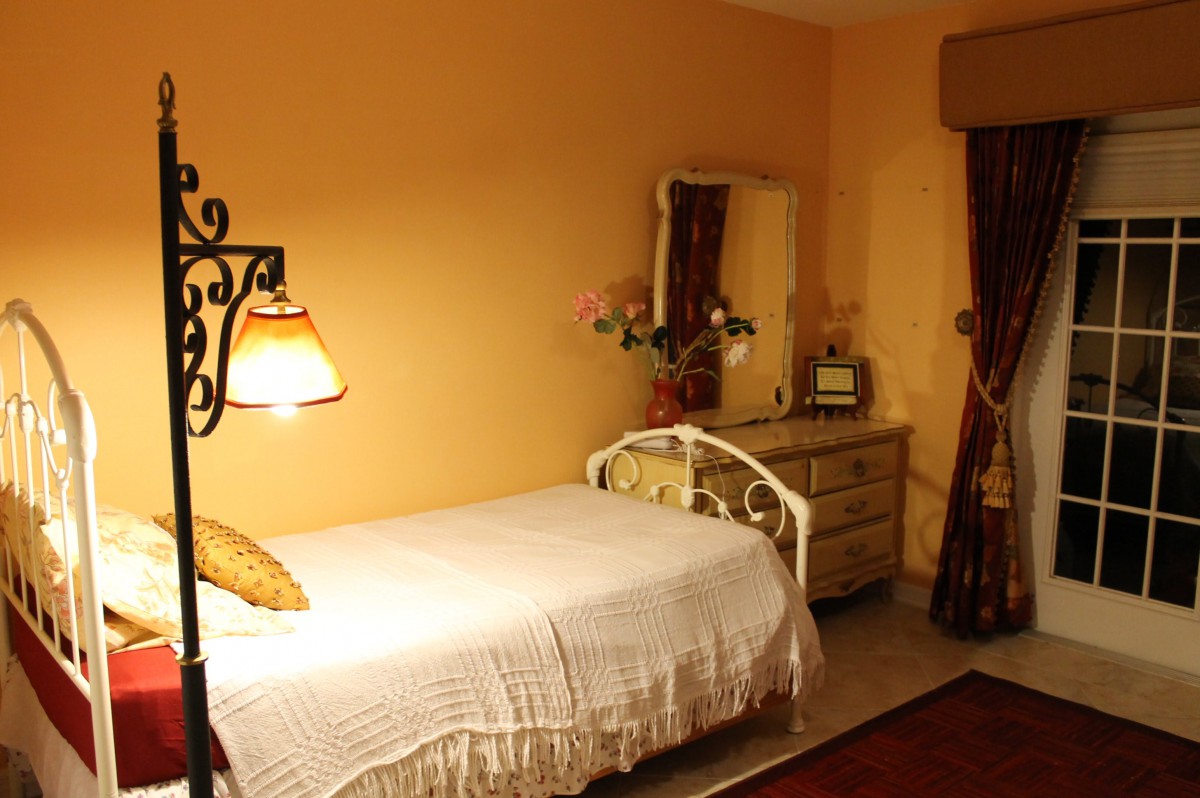
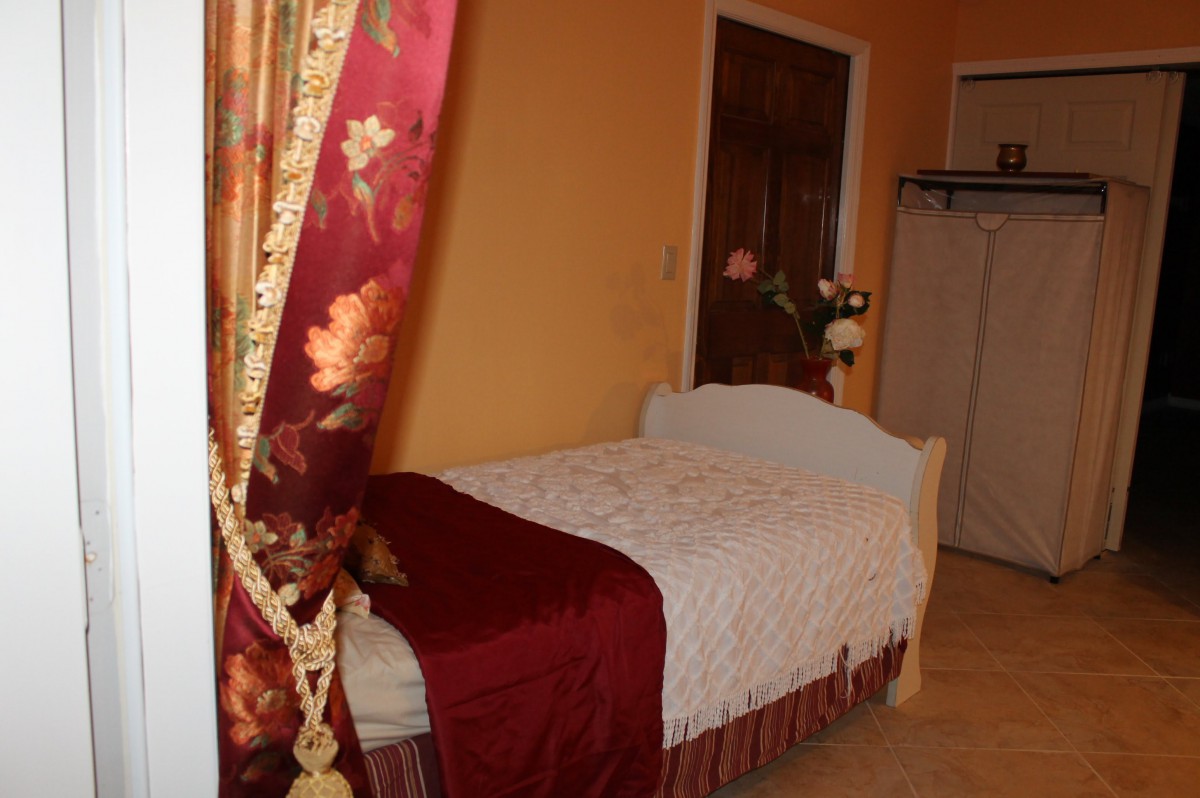
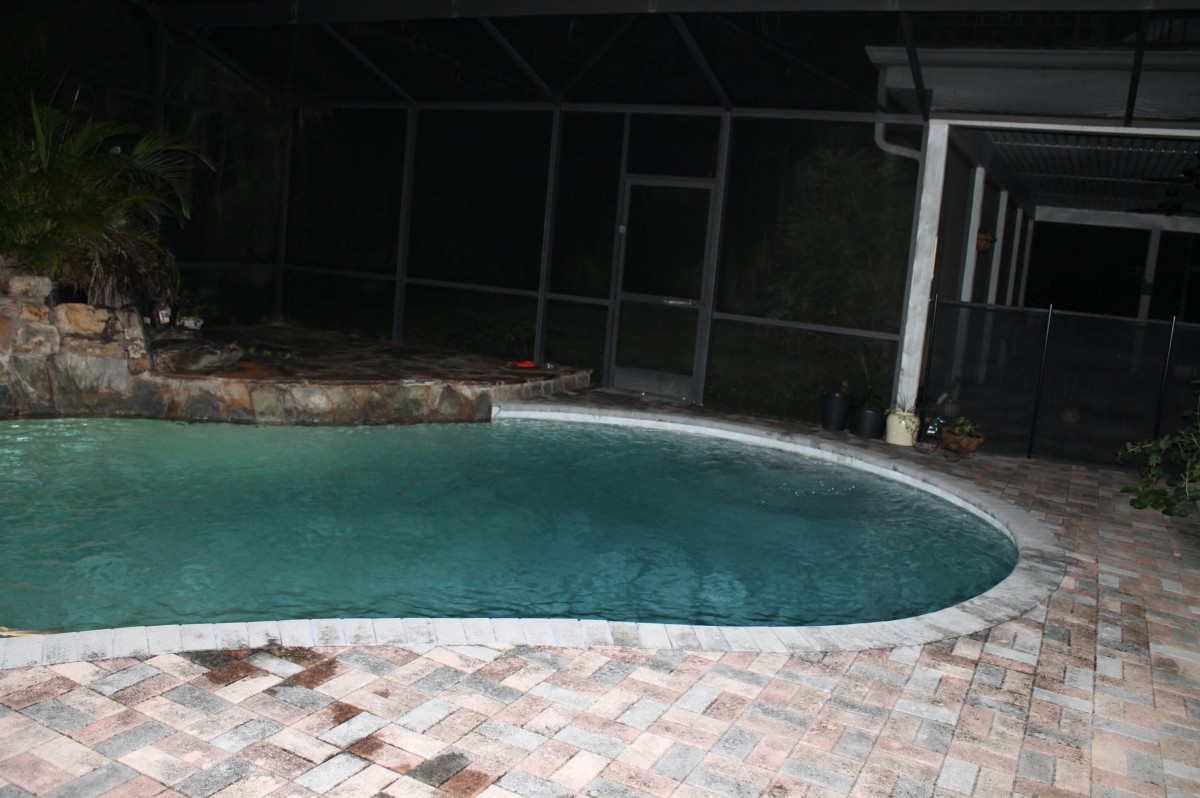
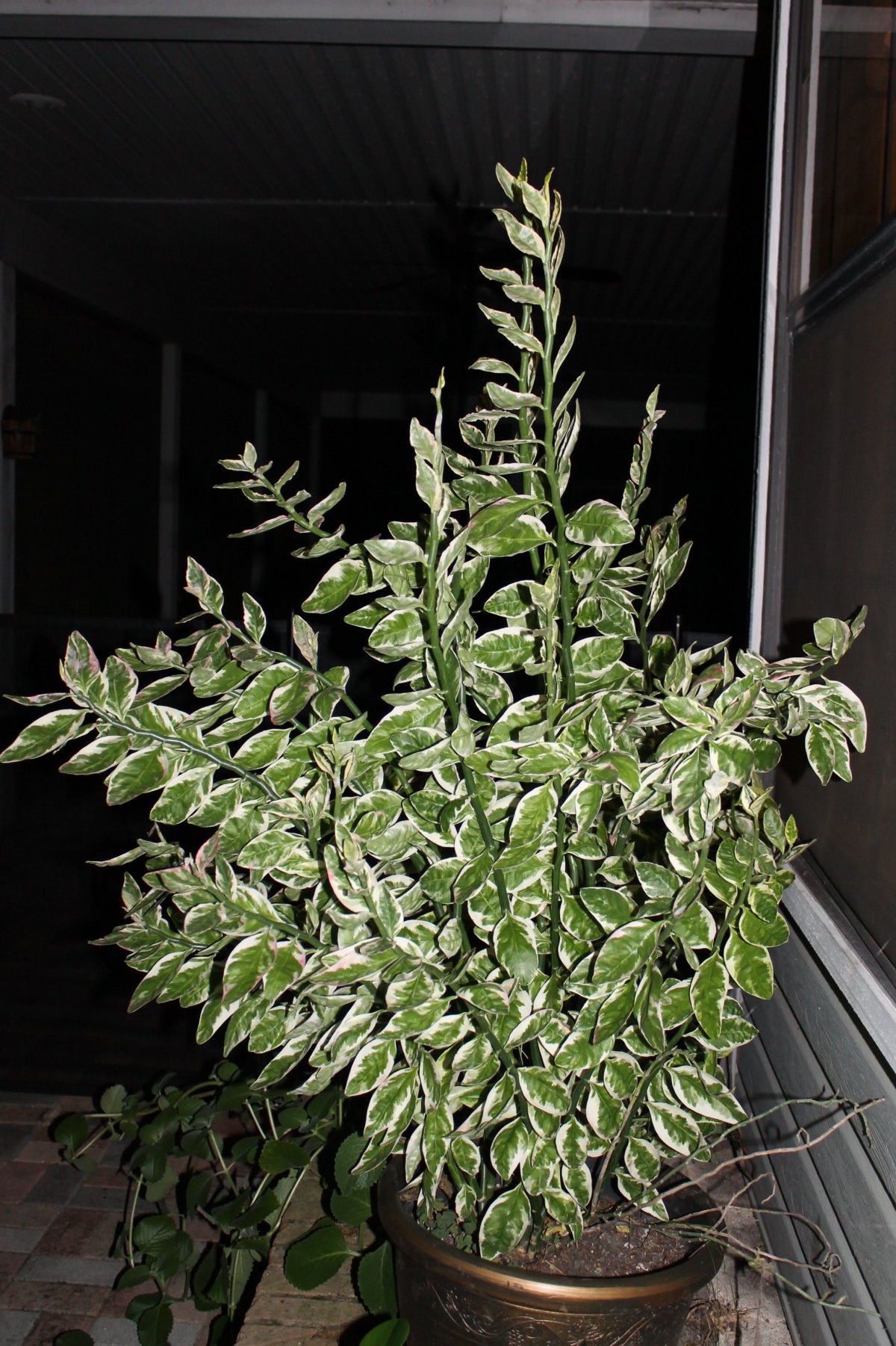
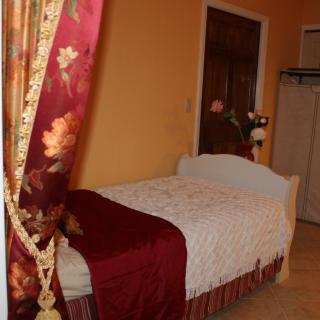
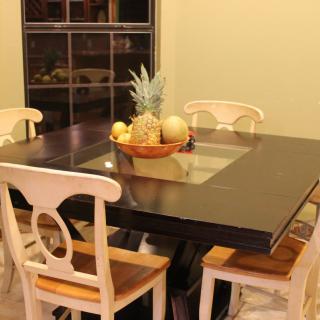
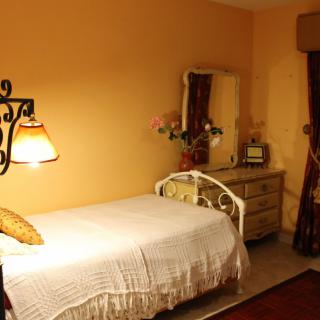
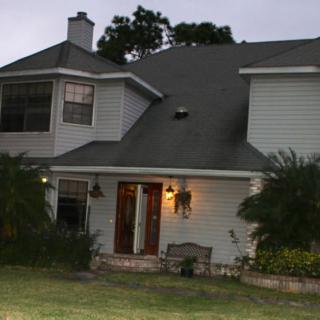
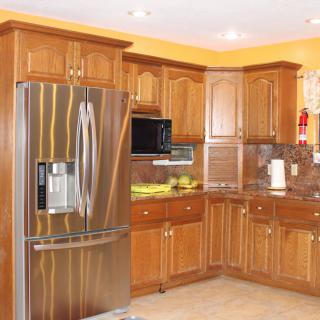
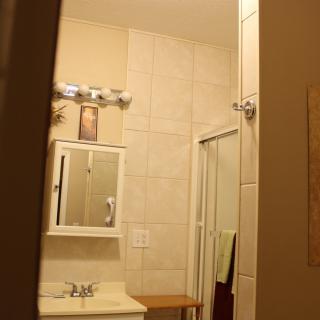
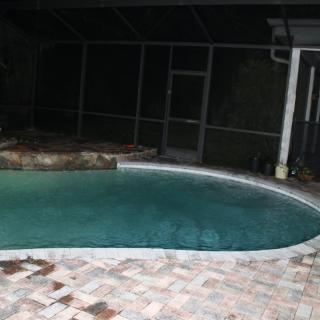
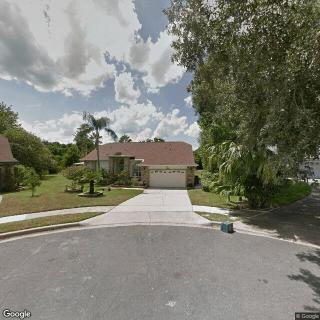
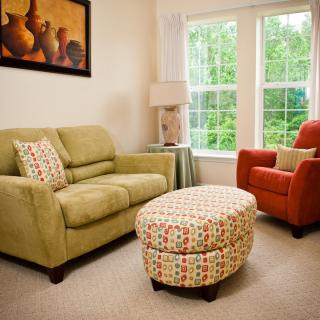
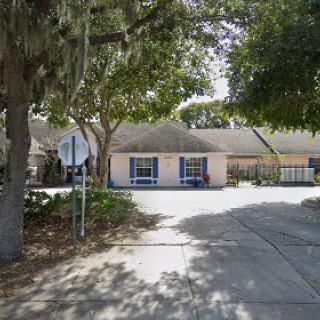
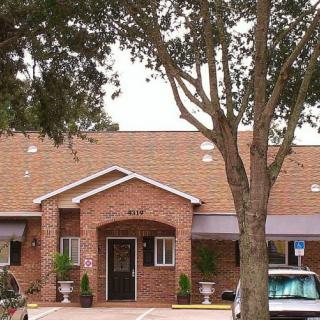
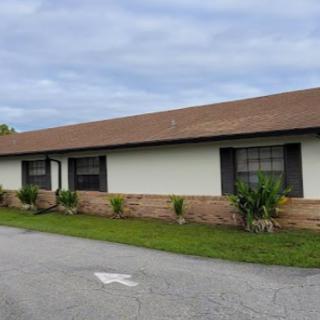
At Home Residential Care on seniors.fyi includes 9 photos including images showing bedroom, interior, decor, swimming pool, patio, water, plant, indoor plants, and more.
Nearby Communities
Provident House
Saint Cloud, FL
5 from 1 review
$8,190 to $10,647 / month
Fully furnished apartments with comprehensive care and transport to medical appointments.
Terrace Of St Cloud
Saint Cloud, FL
3.1 from 14 reviews
Friendly, caring staff with effective rehabilitation and a clean facility.
Savannah Court Of St Cloud
Saint Cloud, FL
4.4 from 20 reviews
$3,000 to $4,995 / month
Home-like atmosphere with caring staff and active social programs.
Palliative care focuses on alleviating distress at any stage of a serious illness and can accompany curative treatments, while hospice care is for those nearing the end of life with a prognosis of six months or less, emphasizing comfort over curative measures. Both prioritize holistic care for patients and families but differ in timing, goals, and scope.
The guide details the tax deductibility of in-home healthcare expenses according to IRS guidelines, differentiating between medically necessary services and non-medical assistance, while emphasizing the need for proper documentation and itemization requirements. It also highlights state-level variations, the importance of record-keeping, and encourages seeking professional tax help to understand evolving regulations.
Gardening provides seniors with physical exercise, mental and emotional support, and social interaction opportunities, while accommodating their needs through raised beds and ergonomic tools. It promotes health benefits like improved dexterity and cardiovascular health, encourages sustainable practices, and allows for manageable upkeep with low-maintenance plants.
Get PricingAsk A QuestionSchedule A TourContact Senior Advisor
By clicking submit, you agree to our Partner's Terms of Use. You
also consent to receive calls and texts, which may be autodialed, from our Partner. Your consent is not a condition to
using our Partner's service. Please visit our Partner's Privacy Policy for information about their privacy practices.




 Board and Care Home
 Activities off-site
 Bath tubs
 Devotional services off-site
 Indoor common areas
 Outdoor common areas
 Private
 Swimming pool / hot tub
 Orlando International (13 miles away)
 Ambulatory care
 Medication management
 Meals provided
 Fully furnished apartments with comprehensive care and transport to medical appointments.
 Understanding the Nuances of Palliative Care and Hospice: A Comprehensive Exploration
 Is In-Home Healthcare Tax Deductible? Your Comprehensive Guide
 Nurturing Well-Being Through Gardening: A Detailed Guide for Senior Enthusiasts